Camping in a wildlife reserve isn't just another night under the stars. It's trading your front-row seat to civilization for a backstage pass to nature's most intimate show. The crack of a twig outside your tent isn't just the wind—it could be a deer, a badger, or something larger. That distant call isn't traffic; it's an owl claiming the night. This experience strips away the curated park trails and picnic tables, dropping you into an ecosystem where humans are guests, not managers.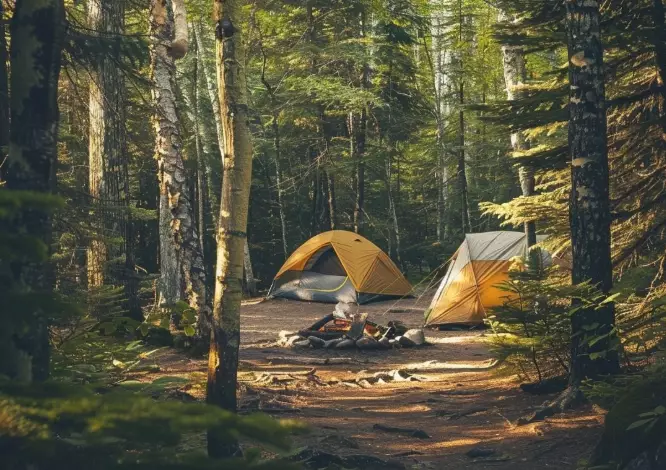
I've spent over a decade chasing this feeling, from the grizzly country of the Rockies to the savannas of East Africa. The biggest lesson? Success isn't about conquering the wild, but about learning to belong in it, quietly and respectfully. And most guides miss the subtle, critical mistakes that can turn a magical trip into a stressful one, or worse, a dangerous one for you and the animals.
What's Inside This Guide
Why Camping in a Wildlife Reserve is a Different Beast
Forget the campgrounds with numbered sites, fire rings, and a ranger station every mile. In a true wildlife reserve, the infrastructure is minimal by design. The goal is habitat preservation first, human recreation second. This means:
- You are in their home. Animal movement isn't restricted to far-off viewing areas. Your campsite is part of a travel corridor, a feeding ground, or a territory.
- Rules are strict, not suggestions. Violating food storage rules in a regular park might get you a fine. In a reserve with bears, it can get a bear killed if it becomes habituated.
- The "leave no trace" ethic is gospel. It's not just about picking up trash. It's about minimizing every impact: where you walk, how you wash, even where you pitch your tent to avoid sensitive vegetation.
The reward for this rigor is an authenticity you can't buy. I remember a night in the Okavango Delta (Botswana) where the hippos' grunts were so loud they vibrated through the ground. It was unnerving and utterly magnificent. You don't get that from a safari lodge balcony.
How to Choose Your Wildlife Reserve: A Spotter's Guide
Not all reserves are equal for camping. Some offer drive-in sites, others require a multi-day trek. Your choice depends on your comfort with logistics and true remoteness. Here’s a breakdown of three top-tier but very different options.
| Reserve Name & Location | Camping Type & Key Wildlife | Booking & Key Info | Best Time to Go |
|---|---|---|---|
| Denali National Park & Preserve, Alaska, USA | Backcountry/Unit Camping. No marked sites. You apply for a zone. Grizzly bears, caribou, moose, Dall sheep, wolves. | Permits required. Free, but limited. Must watch a safety video. No reservations for backpacking units; first-come, first-served at the Backcountry Information Center. Shuttle bus access needed for most units. Official info: National Park Service page. | June to early September. July for midnight sun, September for fall colors and fewer bugs. |
| Kruger National Park, South Africa | Designated Bushveld Camps & Rest Camps. Fenced and unfenced options. The Big Five (lion, leopard, rhino, elephant, buffalo), plus countless antelope, birds. | Book through SanParks. Highly competitive, book 11+ months ahead for popular camps like Satara or Lower Sabie. Self-drive or guided tours. Gates have strict opening/closing times. | Dry winter (May-September). Less vegetation, animals congregate at waterholes. |
| Corcovado National Park, Osa Peninsula, Costa Rica | Ranger Station Camping. Designated sites near stations like Sirena or La Leona. Scarlet macaws, tapirs, all four Costa Rican monkey species, peccaries, jaguars (rarely seen). | Permit AND guide mandatory for most sectors. Book via the National System of Conservation Areas (SINAC). Access involves hiking or boat. Facilities are very basic (platforms, shared toilets). | December to April (dry season). Trails are passable, rain is less likely. |
See the pattern? Research is 50% of the trip. You need to understand the booking quirks—Kruger's frenzy, Denali's zone system, Corcovado's guide requirement—or you'll show up empty-handed.
The Non-Negotiable Knowledge Before You Go
Packing your bag is the easy part. Packing the right knowledge is what keeps you and the wildlife safe.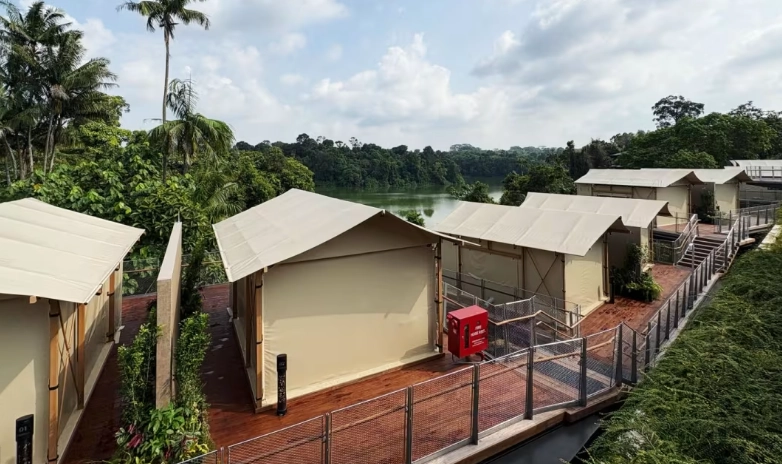
Food Storage: This Isn't a Debate
In bear country, a bear-resistant food canister is not optional gear; it's required by law in places like Denali and Yosemite's backcountry. Hanging food is often ineffective against smart bears and is impossible in treeless tundra. Canisters work. Period. For smaller critters like raccoons or monkeys (a huge issue in Corcovado), a simple rat-proof hard-sided cooler or locking plastic bin can save your dinner.
Understanding Animal Behavior (Beyond "Don't Run")
Everyone knows not to run from a predator. Here's the nuance they miss: how you stand your ground matters. Facing the animal, speaking calmly and firmly, and slowly making yourself look bigger (opening a jacket) is the textbook advice. But the real pro move is understanding what the animal's behavior means.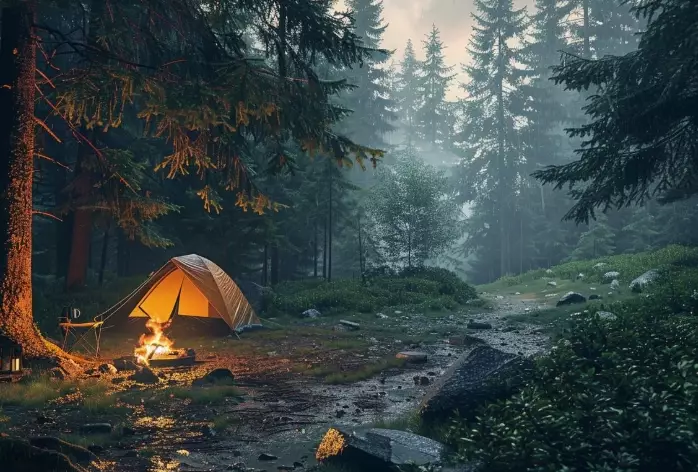
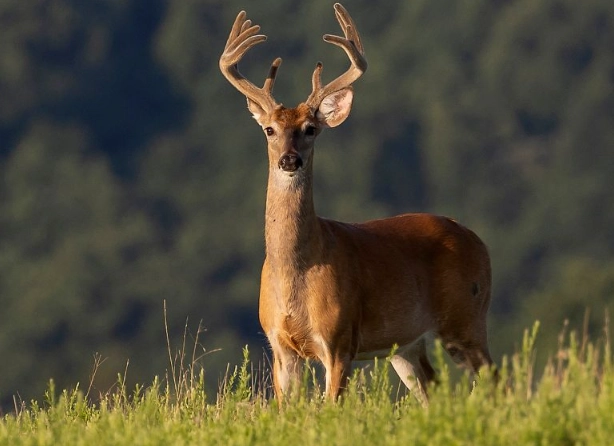
A grazing deer that looks up, stamps its foot, and snorts is telling you you're too close to its fawn, hidden nearby. Back away the way you came. A bear that's woofing, popping its jaws, and bluff charging is stressed but not necessarily attacking. Yelling and waving your arms reinforces you are human and not prey. Running triggers a chase instinct.
My most common piece of advice? Carry binoculars. They let you observe incredible behavior from a safe, non-intrusive distance. That's the whole point.
Navigating the Red Tape
Permits, fees, mandatory orientations—they feel bureaucratic, but they exist because someone before you messed up. The orientation videos are goldmines of current information: recent bear activity, washed-out trails, fire bans. Listen. The rangers aren't trying to bore you; they're trying to prevent rescues and dead animals.
Camp Setup and the Art of a Peaceful Night
Where you pitch your tent is more critical than the tent's brand. Follow this triangle rule, keeping each point at least 100 yards (about 90 meters) apart:
- Sleeping Area (Your Tent): Should be scent-free. Change out of the clothes you cooked in.
- Cooking & Eating Area: Downwind of your tent. This is where all food handling happens.
- Food Storage Area: Your locked canister or hung bag. Downwind of both your tent and cooking area.
This creates a scent gradient that leads curious animals to your food storage, not your sleeping bag.
At night, keep a clean camp. Wash dishes immediately, using minimal soap and straining food particles out of the wastewater to pack them out. Scatter the strained water over a wide area away from camp.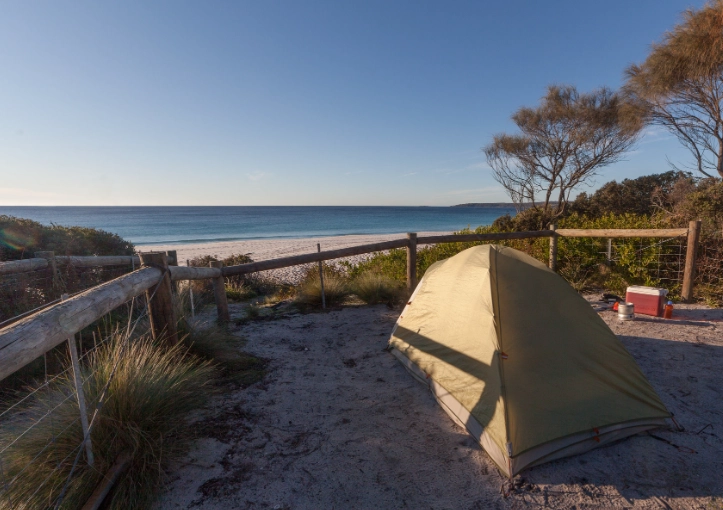
What about noises in the dark? Sit up, listen, and use a flashlight. It's almost always a small forager. Shining a light and saying "Hey bear, move along" calmly is enough for 99.9% of nighttime visitors. They want your food, not you. If your storage is secure, they'll leave frustrated but unharmed.
Your Burning Questions, Answered by Experience
What's the one piece of gear most people forget for wildlife reserve camping?
Is camping in a reserve with predators like lions or bears actually safe?
How do I handle seeing a dangerous animal on the trail between my campsite and the toilet area?
Can I have a campfire in a wildlife reserve?







Comments
Join the discussion