Essential Bushcraft Camping Equipment: The Ultimate Gear Guide
Let's be honest, scrolling through pictures of perfect bushcraft camps with rows of shiny gear can be intimidating. You start wondering, do I need all that? Is that just for show? I remember my first few trips, my pack was way too heavy with stuff I thought I needed but never used, while I was missing a couple of simple things that would have made life infinitely easier. That's the thing about bushcraft camping equipment – it's less about having the most gadgets and more about having the right tools that work together. It's about self-reliance, not consumerism.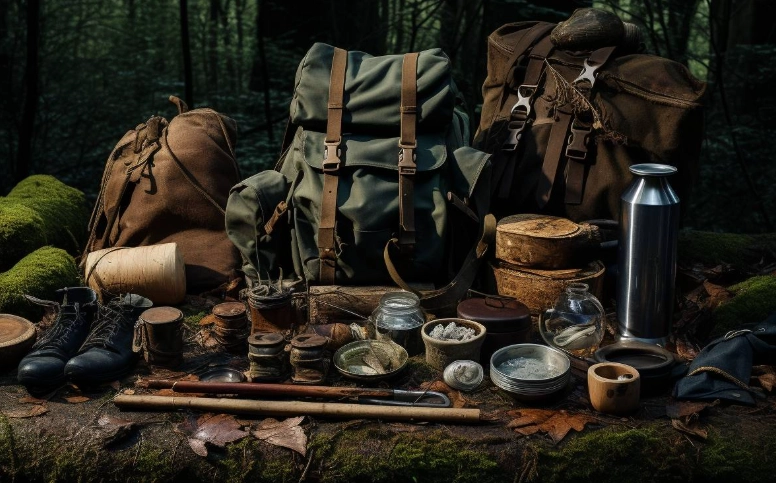
So, what's the goal here? We're not just going for a walk in a park with a picnic. Bushcraft is about interacting with the natural environment, using skills and a core set of tools to create shelter, manage fire, and procure water. Your gear supports those skills; it doesn't replace them. A fancy knife won't help if you don't know how to use it safely, and the lightest tarp is useless if you can't pitch it in the wind. This guide is my attempt to cut through the noise and marketing. I'll share what I've learned, sometimes the hard way, about what bushcraft camping equipment truly earns its place in your pack. We'll talk about the non-negotiables, the nice-to-haves, and the stuff you can probably leave at home.
The Core Philosophy: Why Your Bushcraft Gear Choices Matter
Before we dive into specific items, let's get one thing straight. Choosing your bushcraft camping equipment is a deeply personal process. It reflects your skill level, the environment you're in, the season, and even your personal comfort threshold. A kit for the pine forests of Scandinavia will look different from one for the deciduous woods of North America. The gear a solo traveler carries differs from a group's shared load.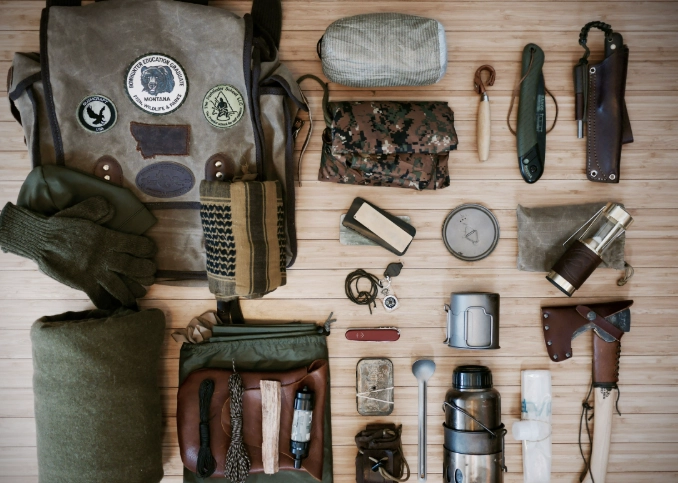
The core philosophy boils down to a few principles: durability, versatility, and repairability. You want tools that can take a beating, perform multiple functions, and can be fixed in the field with basic means. A stainless-steel water bottle, for instance, is not just for water. It can boil water, cook food, and even be used as a hammer in a pinch. That's the kind of thinking we're after.
Think about this: The best piece of bushcraft camping equipment you own isn't something you bought. It's the knowledge and skill in your head and hands. Your gear is just an extension of that. I've seen people with a simple Mora knife and a tarp create more comfort than someone with a thousand dollars worth of untested, unfamiliar gear.
The Non-Negotiables: Your Foundational Bushcraft Kit
These are the items that form the absolute bedrock of your kit. Forget one of these, and your trip can go from challenging to dangerous very quickly. We're talking about the big five: cutting tools, shelter, sleep, water, and fire.
1. The Cutting Tool Trinity: Knife, Axe, and Saw
This is where most of the conversation starts, and for good reason. A sharp, reliable blade is your primary interface with the wilderness.
The Bushcraft Knife: This is your go-to, your most personal tool. You'll use it for everything from feather-sticking for fire to carving tent pegs, preparing food, and finer whittling tasks. Forget the Rambo-style survival knives. You want a full-tang construction (the metal runs the full length of the handle for strength), a comfortable handle, and a blade length between 3.5 and 5 inches. Scandi grinds are incredibly popular in bushcraft for a reason—they're superb for wood carving and easy to sharpen in the field. My personal favorite for years has been a simple carbon steel model. It patinas, it requires a bit more care to avoid rust, but my goodness, it takes and holds an edge like nothing else. The downside? You have to maintain it.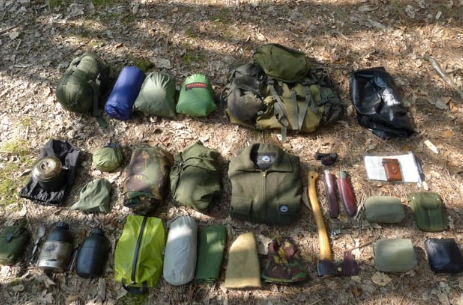
The Axe or Hatchet: When you need to process larger wood for a sustained fire or shelter building, a knife just won't cut it (pun intended). A small forest axe or a good hatchet is the tool for splitting and chopping. Weight is a major consideration here. I made the mistake of carrying a huge axe on my first multi-day trek. My shoulder still aches thinking about it. Now, I use a much lighter model from a reputable Swedish brand. It's perfectly balanced for its size and does 95% of what I need. Remember, you're not felling giant sequoias; you're processing deadfall into manageable pieces.
The Folding Saw: This is the quiet workhorse, often more efficient than an axe for cutting through logs up to wrist or forearm thickness. It's lighter, safer for beginners, and creates less noise if that's a concern. A Silky saw is the gold standard here, but there are other excellent brands. The key is aggressive, sharp teeth that pull-cut through wood with minimal effort.
Pro-Tip: Before you buy a single cutting tool, learn and practice basic knife safety and maintenance. A dull knife is more dangerous than a sharp one, as it requires more force and is more likely to slip. Carry a small sharpening stone—it's more critical than having a second knife.
2. Shelter and Sleep Systems: Staying Dry and Rested
Your shelter is your sanctuary. In bushcraft, you have two main philosophies: using modern, purpose-built shelters or creating one from natural materials supplemented with a tarp. Most of us use a hybrid approach.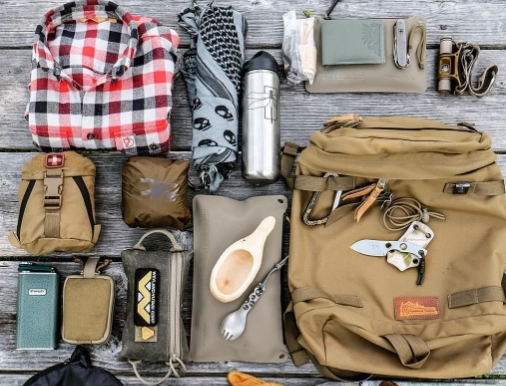
Tarps and Bivvies: A robust, waterproof tarp is arguably the most versatile piece of bushcraft camping equipment you can own. With some cordage (paracord or bank line) and knowledge of a few knots, you can create a lean-to, an A-frame, or a more enclosed shelter. It's lightweight, packs small, and gives you immense flexibility. Pair it with a bivvy bag (a waterproof outer bag for your sleeping bag) for extra protection against wind-driven rain or ground moisture. I've spent some miserable nights in a poorly pitched tarp during a downpour—the lesson was to practice my setups at home, in the daylight, before relying on them in a storm.
Sleeping Bag and Pad: Here's where you shouldn't skimp. Getting a cold, sleepless night can ruin your trip and sap your energy for the skills you want to practice. Choose a sleeping bag rated for temperatures colder than you expect. Down insulation offers the best warmth-to-weight ratio but is useless when wet. Synthetic bags are bulkier but will keep you warm even if damp—a key consideration in damp bushcraft environments. A sleeping pad is non-negotiable. It's not just comfort; it provides crucial insulation from the cold ground. An inflatable pad is comfy but can puncture. A closed-cell foam pad is virtually indestructible and can double as a seat or a pack frame stiffener. I use both, layering the foam pad under an inflatable one in deep winter.
3. Fire, Water, and Navigation: The Sustainment Trio
Fire Starting: You need multiple reliable methods. I always carry: 1) A modern ferrocerium rod (ferro rod) with a dedicated striker. It throws incredibly hot sparks and works in any weather. 2) A butane lighter (or two), kept in a plastic bag. 3) Waterproof matches as a final backup. The ferro rod is your primary bushcraft method—it's a skill to learn, but once mastered, it's supremely reliable. Don't forget your tinder! Commercial tinder tabs, cotton balls soaked in petroleum jelly, or even a bundle of fine, dry feather sticks you've prepared with your knife are essential for getting that initial flame going, especially in damp conditions.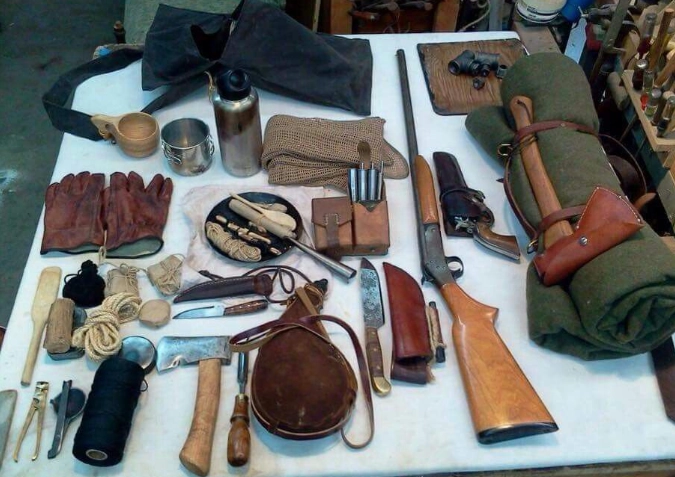
Water Procurement: You can survive weeks without food, but only days without water. A metal bottle or canteen allows you to boil water directly over the fire, purifying it. For more convenience and safety against pathogens like giardia, a portable water filter like those from Katadyn or Sawyer is a game-changer. It lets you safely drink from streams and lakes without the time and fuel cost of boiling. I also carry a few iodine tablets as an absolute last-resort backup. Always, always plan your water sources and carry more capacity than you think you'll need.
Navigation: Your phone's GPS is a fantastic tool, but it's not bushcraft camping equipment. Batteries die, screens break, and signals get lost. A detailed topographic map of the area (like those from the U.S. Geological Survey) and a reliable baseplate compass are mandatory. And I mean mandatory. Learn how to use them together. Take a course, practice in a local park. Getting lost is not an adventure; it's an emergency. I also carry a small, backup battery pack for my phone, but I treat the map and compass as my primary tools.
Building Out Your Kit: The Supporting Cast
Once you have the core survival needs covered, these additional items transition your experience from mere survival to comfortable, skilled bushcraft living.
Trusted Brands in the Bushcraft World
You'll hear these names a lot. They've earned their reputations through consistent quality.
- Mora: The king of affordable, high-quality fixed-blade knives. A Mora Companion or Robust is the perfect first knife.
- Gränsfors Bruk & Hultafors: Swedish axe-makers producing heirloom-quality tools. Beautiful and functional.
- Silky: The definitive name in folding saws. Their cutting speed is unbelievable.
- Helikon-Tex, DD Hammocks: Great sources for robust tarps, packs, and clothing designed for outdoor use.
- Therm-a-Rest, REI Co-op: Reliable standards for sleeping pads and bags.
Remember, a brand name doesn't automatically make a tool right for you. Handle it if you can, see how it feels in your hand.
Cordage: You can never have too much. Paracord (the real 550-type) is great for heavier-duty tasks like bear bags and shelter frames. For finer tasks like securing a tarp or building traps, a spool of #36 bank line (tarred twine) is incredibly useful, rot-resistant, and grips knots well.
The Cook Kit: A simple, single-walled stainless-steel or titanium mug/pot is all most solo bushcrafters need. You can boil water, cook stews, and drink your coffee from it. Nest a small gas canister stove inside for quick morning brews when you don't want to build a fire, along with a spork and a lightweight towel.
First-Aid and Repair: This isn't just a small band-aid kit. Build a comprehensive first-aid kit tailored to wilderness use. Include items for blisters, cuts, sprains, and allergies. A separate small repair kit should have duct tape (wrapped around your water bottle), a needle and strong thread, safety pins, and a multi-tool (the pliers and screwdrivers are endlessly useful for fixing gear).
Illumination: A headlamp with a red-light mode (to preserve night vision) is essential. Always pack extra batteries. I also carry a small, durable flashlight as a backup.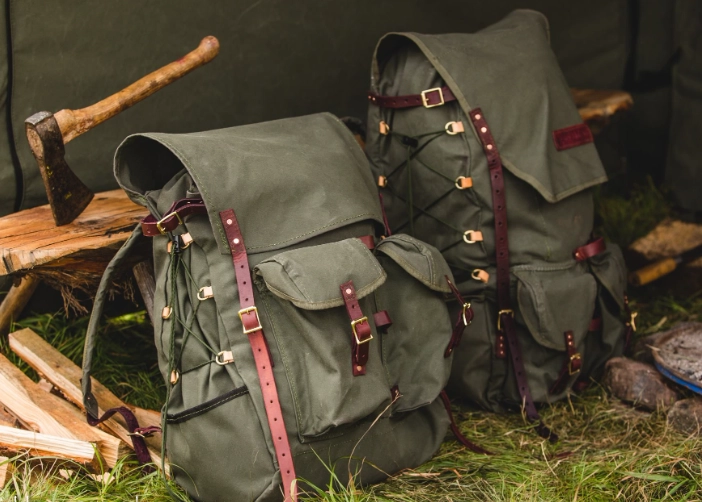
Packing It All In: The Bushcraft Backpack
All this bushcraft camping equipment needs a home. Your backpack is critical. Look for a durable, weather-resistant pack in the 50-70 liter range for multi-day trips. External frames or packs with a good internal frame and thick hip belt are worth their weight for distributing load. I prefer packs with fewer external pockets and a large main compartment—it's easier to pack systematically and waterproof with a liner. Organization is key. Use stuff sacks or dry bags to group related items: a sleep sack, a kitchen sack, a fire kit, etc. This keeps you from dumping your entire pack on the forest floor to find your lighter.
| Gear Category | Essential Item | Why It's Critical | Common Pitfall |
|---|---|---|---|
| Cutting | Full-Tang Fixed Blade Knife | Primary tool for carving, food prep, fire prep. | Choosing a blade that's too large or tacticool. Neglecting sharpening. |
| Shelter | Waterproof Tarp & Cordage | Versatile, lightweight protection from elements. | Not practicing setups beforehand. Using a tarp that's too small. |
| Sleep | Temperature-Appropriate Sleeping Bag & Pad | Preserves core body heat, enables rest for safety & enjoyment. | Using a bag rated for "summer" in spring/fall. Skipping the sleeping pad. |
| Water | Metal Container & Filter/Purification | Prevents dehydration and waterborne illness. Metal allows boiling. | Relying solely on boiling (fuel/time intensive) or solely on a filter (viruses). |
| Fire | Ferro Rod & Dry Tinder | Provides heat, light, morale, and a means to cook/purify water in all conditions. | Having only one method (e.g., just a lighter). Not preparing tinder in advance. |
| Navigation | Topographic Map & Compass | Prevents you from getting lost. Works without batteries or signal. | Relying 100% on phone GPS. Not learning how to use the map and compass. |
Answering Your Bushcraft Gear Questions
I get asked a lot of the same things by folks getting started. Here are some straight answers.
What's the single most important piece of bushcraft camping equipment?
It's a tie between your knife and your brain. The knife is your primary physical tool. But the knowledge and common sense in your head will determine whether that tool is used effectively and safely. Invest in both.
Can I use a multi-tool instead of a fixed-blade knife?
For light day trips, maybe. For real bushcraft, no. The small, folding blades on multi-tools are not designed for sustained wood processing. They're weaker and less comfortable. A multi-tool is a fantastic supplement to a fixed-blade knife, not a replacement.
How much should I spend on my first kit?
Start modestly and focus on the core. You can get a phenomenal Mora knife, a basic tarp, a ferro rod, and a metal bottle without breaking the bank. Don't buy a $300 axe as your first one. As you learn and wear things out, you'll understand what features are worth upgrading to. Your first purchases should be functional, not flashy.
Is bushcraft gear different from regular backpacking gear?
Often, yes. Backpacking gear prioritizes minimal weight above all else (ultralight philosophy). Bushcraft gear prioritizes durability, versatility, and the ability to interact with the environment (processing wood, building shelters). It's often slightly heavier but much tougher. A backpacker's shelter is a tent; a bushcrafter's is often a tarp. A backpacker's stove is a tiny titanium canister stove; a bushcrafter might just use a fire.
A word of caution: The pursuit of bushcraft camping equipment and skills must be balanced with a deep respect for the environment. Follow Leave No Trace principles. Use dead and downed wood only. Minimize your impact. The goal is to be a part of the woods, not to conquer or damage them.
How do I test my gear before a big trip?
Backyard or local park overnighters are priceless. Set up your tarp in the rain. Try to start a fire with your ferro rod when the grass is damp from dew. Sleep in your bag on your pad. You'll discover what works, what doesn't, and what you forgot, all in a low-stakes environment. This practice is more valuable than any new piece of gear you could buy.
Final Thoughts: It's a Journey, Not a Destination
Assembling your perfect set of bushcraft camping equipment is a lifelong journey of learning and refinement. You'll buy things you love and things you regret. You'll wear out gear and replace it with something better suited to your style. The most important step is to start with a solid, safe foundation—the core items we discussed—and then get out there.
Seriously, go practice.
Learn one new knot. Carve a simple hook. Successfully boil water in your new metal cup over a fire you made with your ferro rod. That's where the real satisfaction lies. It's not in the shopping cart; it's in the quiet confidence that comes from knowing you can take care of yourself in the woods with a well-considered, practical set of tools. Your kit will become an old friend, each piece with its own story and purpose. Now, get your gear and get outside.
Make A Comment