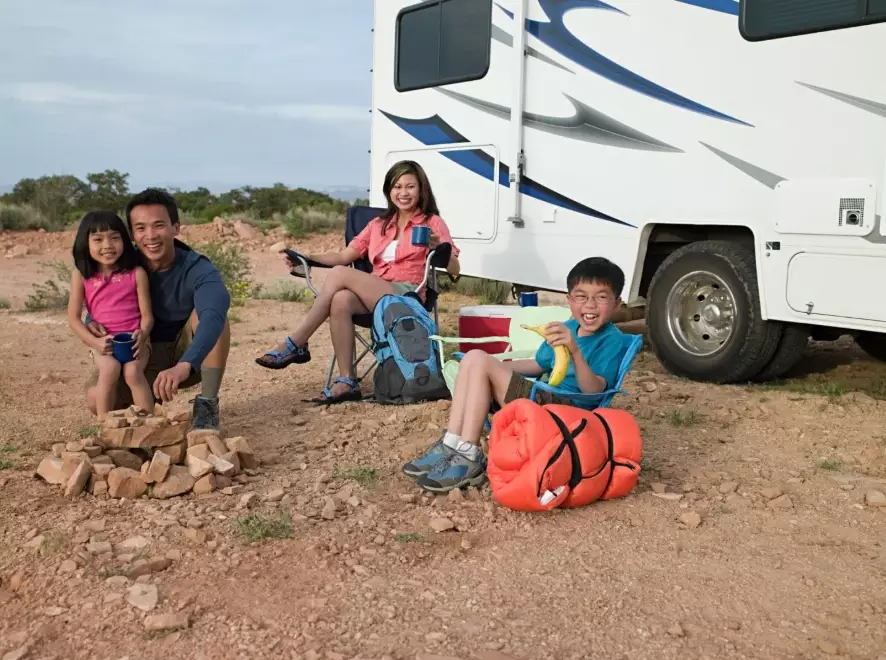
I still remember our first family camping trip. My son was four, and we picked a scenic spot by a lake. Two hours in, he was crying because a bug landed on his sandwich, and I realized I'd packed exactly one spare pair of socks for three days. It was a mess. But we learned, and now camping with our kids is the highlight of our year. If you're thinking about taking the plunge, let's cut through the noise and get practical. This isn't about surviving—it's about creating memories that stick.
What You'll Find in This Guide
Essential Gear for Camping with Kids
Forget the fancy gadgets. Focus on what actually makes life easier when you're in the woods with little ones. I've seen parents bring electric blenders for smoothies, but then forget a basic first-aid kit. Priorities matter.
Sleeping Arrangements That Actually Work
Kids sleep differently outdoors. They get cold faster, or scared, or just excited. A good sleeping bag rated for lower temperatures than you expect is non-negotiable. I prefer rectangular bags over mummy styles—they allow more movement. For toddlers, a portable travel crib or an inflatable kid-sized mattress can be a game-changer. My friend uses a simple foam pad, and her kids snooze right through. Test the setup at home first. Nothing ruins a trip like a sleepless night because your child hates the new sleeping bag.
Cooking and Food: Keep It Simple and Mess-Free
Camp cooking with kids shouldn't be a gourmet challenge. Plan one-pot meals like chili or pasta. Pack plenty of snacks—granola bars, fruit, crackers—because kids burn energy fast. A cooler with ice packs is essential, but don't overpack perishables. I always bring a foldable table for meal prep; it keeps food off the ground and gives kids a spot to help. Avoid glass containers; use lightweight plastic or silicone. And for drinks, individual water bottles with names on them prevent squabbles.
Pro tip: Involve kids in meal planning. Let them pick one snack or dinner item. It gives them ownership and reduces picky eating. My daughter chose 'campfire pizzas' last time, and we made them with tortillas and toppings—it was a hit, even if a bit messy.
How to Choose the Perfect Family Camping Destination
Picking the right spot can make or break your trip. You don't need a remote wilderness experience for a first outing. Look for places that balance nature with convenience.
National Parks vs. Private Campgrounds
National parks offer stunning scenery and educational programs, like junior ranger activities. For example, Yellowstone National Park has geysers and wildlife that captivate kids. But they can be crowded and require reservations months ahead. Private campgrounds, like KOA or Jellystone Park, often have amenities like pools, playgrounds, and organized events. They're pricier but less stressful for beginners. I lean toward private spots for first trips because the bathrooms are usually cleaner and there's more to do if weather turns bad.
Amenities to Look For
Check for flush toilets, potable water, and a camp store within driving distance. A playground or easy hiking trails nearby keeps kids engaged. Read reviews on sites like ReserveAmerica or The Dyrt—look for mentions of 'family-friendly' or 'kid activities'. Some campgrounds even offer rental gear, which is great if you're not ready to invest. Avoid places with heavy bug populations or no shade; kids get irritable fast in extreme conditions.
| Destination Type | Best For | Example | Key Considerations |
|---|---|---|---|
| National Park Campground | Educational trips, older kids | Yosemite's Lower Pines | Book early, pack for all weather |
| Private Family Campground | First-timers, young children | Jellystone Park in Williams, AZ | Higher cost, more amenities |
| State Park Campground | Balance of nature and facilities | Hunting Island State Park, SC | Often less crowded, good for swimming |
| Backyard Camping | Testing the waters, toddlers | Your own backyard | Zero travel, easy bailout option |
That table sums it up. I've tried all four, and backyard camping saved us when my youngest was two—we aborted after an hour because of a thunderstorm, and everyone was happy to retreat indoors.
Planning Your Camping Trip with Kids: A Step-by-Step Guide
Break it down into manageable chunks. A week before, start prepping. The day before, pack. On-site, go with the flow.
Pre-Trip Preparation
Make a checklist and involve the kids. Have them pack their own small backpack with toys and comfort items. Check weather forecasts and adjust gear accordingly. Reserve your campsite well in advance—popular spots fill up fast. Practice setting up your tent in the yard; it turns a chore into a fun activity and reveals missing parts. I learned this the hard way when we arrived at dusk and realized we'd left the tent poles at home.
On-Site Activities
Plan loose schedules, not rigid itineraries. Mornings for hiking, afternoons for crafts or swimming, evenings for campfire stories. Bring a nature guidebook for identifying plants and animals. Simple games like 'I Spy' or scavenger hunts work wonders. Let kids explore within safe boundaries. I give mine a whistle and set clear rules: stay where you can see the tent. It builds confidence without risking safety.
One thing most guides skip: downtime. Kids need quiet moments to just sit and watch clouds or bugs. Don't over-schedule. Our best memory came from an unplanned hour skipping stones by a creek.
Common Mistakes to Avoid When Camping with Kids
After a decade of family camping, I've seen the same errors crop up. Here's what to steer clear of.
- Overpacking toys and electronics: Nature is the entertainment. A few small items are fine, but too many distract from the experience. I once brought a tablet for movies, and my kids fought over it instead of looking at the stars.
- Ignoring bathroom logistics: If you're not at a site with facilities, plan for a portable toilet or know where the nearest outhouse is. Nighttime bathroom trips can be scary for kids—bring a headlamp and make it a team effort.
- Skimping on clothing layers: Weather changes fast. Pack extra socks, rain gear, and warm layers even in summer. I've been caught in a sudden chill and had to use spare clothes as makeshift blankets.
- Forgetting to involve kids in decisions: Let them help pick the campsite or plan a meal. It reduces resistance and boosts engagement. My son chose a 'bug hotel' activity once, and it kept him busy for hours.
These aren't just tips—they're lessons from messy, real trips. Embrace the imperfections; that's where the stories come from.
Camping with kids isn't about perfection. It's about mud on shoes, laughter around a fire, and maybe a few tears when it's time to go home. Start small, pack your patience, and let the outdoors do the rest. For more insights, check out resources from the National Park Service on family activities—they offer great, free guides. Now, grab that tent and make some memories.