In This Guide: Boondocking & Dispersed Camping
- Let's Start with the Core Definitions
- Side-by-Side: Boondocking vs Dispersed Camping
- The Real-World Implications: What This Means for Your Trip
- Clearing Up the Common Confusion: Your Questions Answered
- Making Your Choice: A Simple Decision Flowchart (in words)
- Final Thoughts: It's About Freedom and Respect
So you've heard these terms tossed around in RV forums and camping groups – boondocking, dispersed camping, dry camping, wild camping. It's enough to make your head spin. Are they all just fancy words for the same thing: sleeping somewhere for free? Not quite.
Let's cut through the jargon. If you've ever searched "What is the difference between boondocking and dispersed camping?", you're not just asking for dictionary definitions. You're trying to figure out where you can actually park your rig or pitch your tent, what rules you need to follow, and what you're getting yourself into. That's the real question behind the question.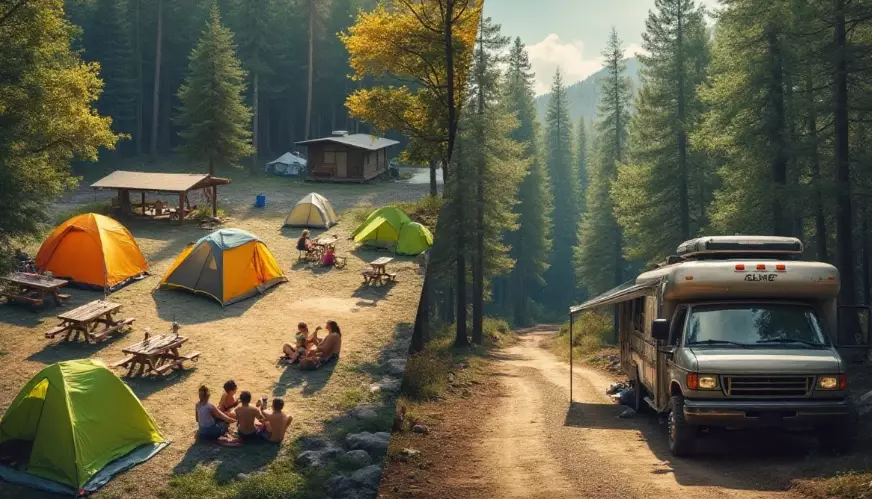
I've spent more nights than I can count in both scenarios, from the vast Bureau of Land Management (BLM) lands out West to tucked-away pull-offs in National Forests. Sometimes it was glorious. Once, I woke up to a herd of elk moving silently past my camper van – a moment no paid campground could ever provide. Other times, it was a comedy of errors involving a desperate search for a level spot as the sun dipped below the horizon. I'll share those lessons so you can skip the stressful parts.
The confusion is totally understandable. The terms overlap, and how people use them can depend on whether they're in an RV, a van, or a tent. But getting the distinction right matters. It points you to the right resources, helps you follow the correct rules, and sets your expectations for what amenities (or lack thereof) await.
Let's Start with the Core Definitions
Before we dive into the nitty-gritty, we need a solid baseline. Think of this as establishing the ground rules for our conversation.
What Exactly is Boondocking?
Boondocking, in its purest sense, means camping without any hookups – no water, no sewer, no electrical grid connection. Zero infrastructure. The term is heavily associated with the RV and van life community. The key idea is self-containment. Your vehicle or setup must carry in everything you need (water, power, food) and carry out all your waste.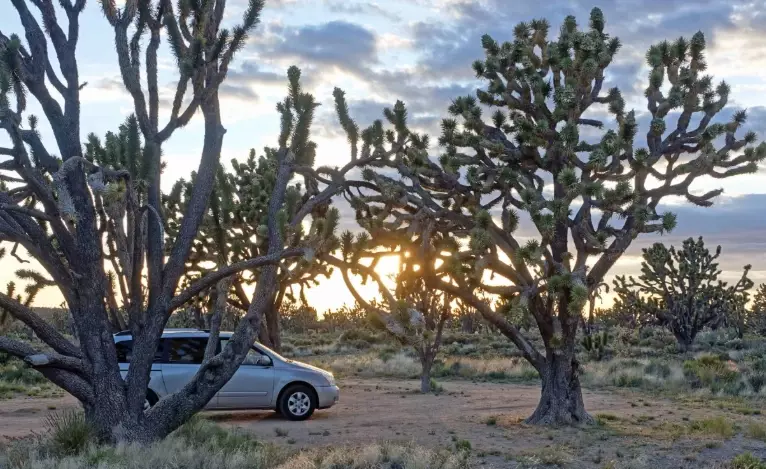
The location can vary. You could be boondocking for free on public land. But you could also be boondocking in a Walmart parking lot for a night (with permission, always check store policy!), a friend's driveway, or a designated free camping area on public land. The defining feature isn't the scenery; it's the complete lack of services.
My first real boondocking test was in the Arizona desert. I was so paranoid about my battery levels that I barely used any lights. I learned that preparation is everything – a good solar setup and water conservation habits aren't optional; they're your lifeline.
What Exactly is Dispersed Camping?
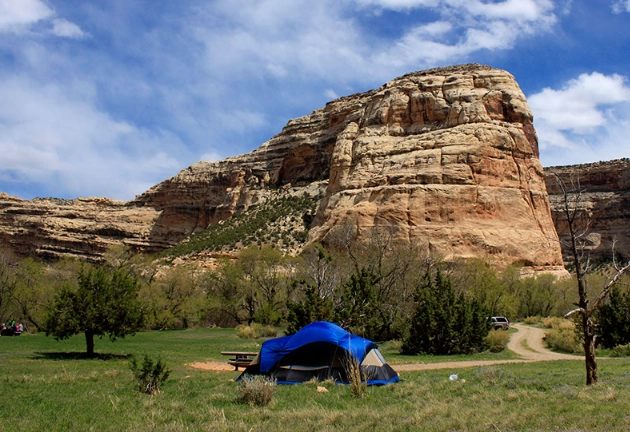
Dispersed camping is a specific term used primarily by U.S. federal land management agencies. It refers to camping outside of a designated, developed campground. No picnic tables, no fire rings (unless you find an existing one you can safely use), no trash service, no marked pads. You find a spot and make it your own, following strict "Leave No Trace" principles.
This is almost always done on public lands managed by agencies like the U.S. Forest Service (USFS) or the Bureau of Land Management (BLM). The focus here is on the location and land-use designation. It happens to be free, but the "free" part is a byproduct, not the definition. You're trading amenities for solitude and a more natural experience.
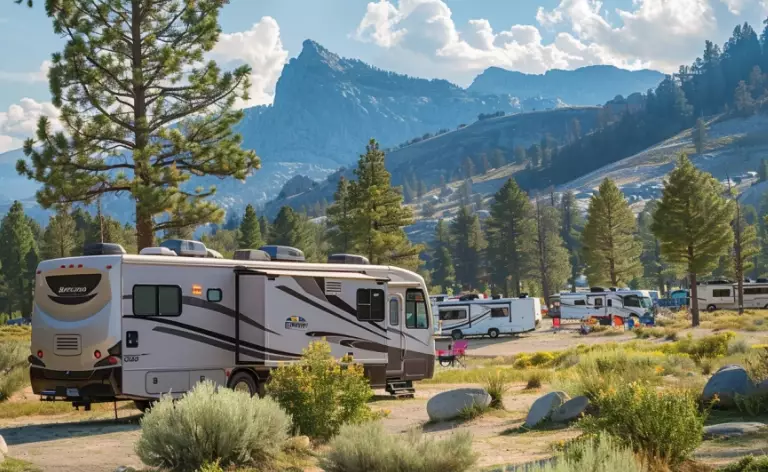
You can disperse camp in a tent, a camper van, or sometimes even a larger RV, provided the terrain allows safe access. The vehicle itself isn't the point; the act of camping in an undesignated, undeveloped area on specific types of public land is.
Most dispersed camping is also boondocking (no hookups). And a lot of boondocking happens to take place on dispersed camping sites. But you can have one without the other. That's the heart of the difference.
Side-by-Side: Boondocking vs Dispersed Camping
This table should make the core distinctions crystal clear. Keep it handy.
| Aspect | Boondocking | Dispersed Camping |
|---|---|---|
| Core Definition | Camping without any utility hookups (water, sewer, electric). | Camping outside of a designated, developed campground on public land. |
| Primary Focus | Self-sufficiency and the state of being off-grid. | Location type on specific public lands. |
| Typical Locations | Public land (BLM, USFS), parking lots (with permission), driveways, some rest areas, designated free camping areas. | Almost exclusively on U.S. National Forests and BLM land. Sometimes in other public land areas where explicitly allowed. |
| Key Requirement | A fully self-contained setup. You bring all resources in and out. | Adherence to specific land agency rules and strict Leave No Trace ethics. |
| Who Manages the Rules? | Varies wildly: store manager (Walmart), land agency (BLM), private property owner. | Primarily the U.S. Forest Service and the Bureau of Land Management. Their websites are the bible. |
| Is it Always Free? | Mostly, but not necessarily. Some private properties or clubs may charge for dry camping spots. | Yes, it is a free use of public land, subject to rules. |
| Best For... | RV and van lifers focused on off-grid capability and flexibility. | Anyone (tent, van, RV) seeking solitude and a primitive experience on public land. |
That's the framework. Now, let's get into the practical stuff you actually need to know.
The Real-World Implications: What This Means for Your Trip
Definitions are nice, but how does this affect your planning? Let's break it down by the questions you're probably asking yourself.
How Do I Find These Spots?
This is where understanding the difference between boondocking and dispersed camping really pays off. Your search strategy changes.
For Dispersed Camping, you go straight to the source. Your first stop should always be the website of the managing agency for the area you want to visit. For example, if you're looking in Colorado's San Juan National Forest, you'd visit the San Juan National Forest section of the U.S. Forest Service site. They have maps, motor vehicle use maps (MVUMs), and specific rules. The Bureau of Land Management (BLM) website is equally crucial for Western states. These sites tell you exactly where dispersed camping is permitted, for how long, and any current restrictions (like fire bans).
For Boondocking spots that aren't on dispersed camping land (like parking lots), research is more about community knowledge and direct permission. Websites and forums dedicated to RVing are gold mines. But the rule is simple: always ask for explicit permission if it's private property or a business lot. Never assume.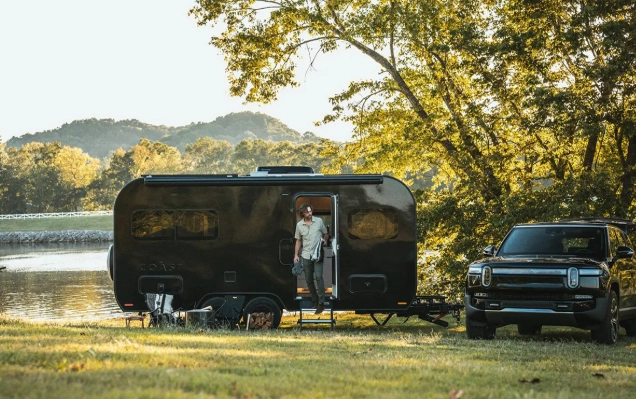
What Are the Rules and Ethics?
This is non-negotiable. The freedom of free camping comes with massive responsibility.
Dispersed Camping Rules are set in stone by the land agency. Common ones include:
- Stay Limits: Usually 14 days within a 28-30 day period in a specific area. You must then move a significant distance (often 25-30 miles).
- Camping Distance: Typically, you must be a certain distance from developed water sources, trails, and designated campgrounds (e.g., 100-200 feet).
- Existing Sites: Use existing dispersed campsites where visible to minimize impact. Don't create new spur roads or clear vegetation.
- Waste: This is huge. Pack out ALL trash. For human waste, many areas require you to pack it out in wag bags or use a portable toilet. If burying is allowed, it's usually 6-8 inches deep and far from water. Check the specific rules!
Boondocking Ethics extend beyond public land. If you're in a parking lot:
- Don't put out slides, awnings, or chairs. You're parking, not setting up camp.
- Arrive late, leave early. One night is typically the max.
- Be a ghost. No noise, no exterior lights, and absolutely no dumping gray or black water on the ground.
- Always patronize the business. It's a courtesy, not a fee.
What Gear Do I Absolutely Need?
The gear list highlights the practical difference between boondocking and dispersed camping preparedness. For dispersed camping, you need everything a boondocker needs, plus a few land-specific items.
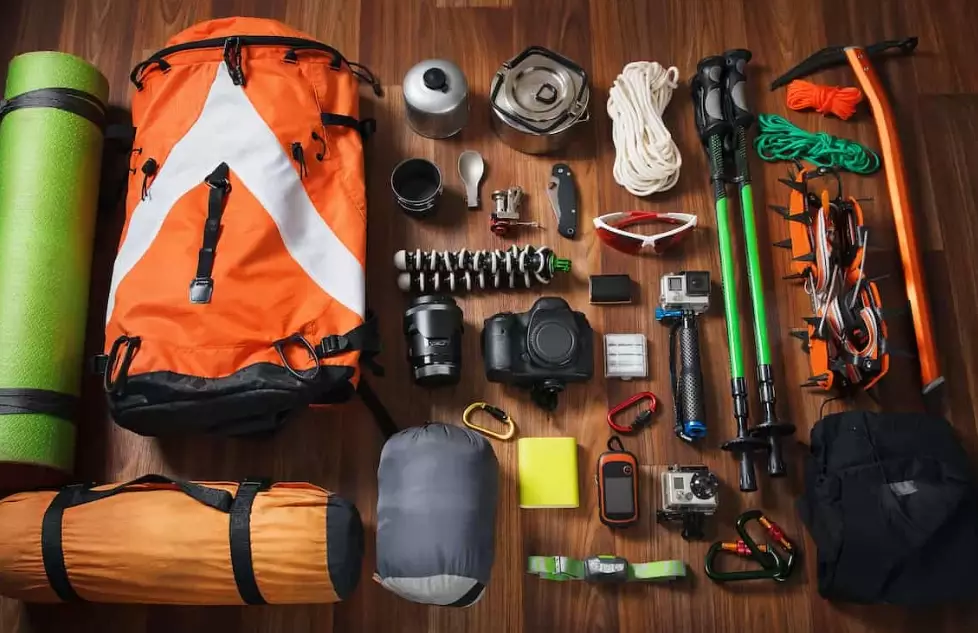
The Universal Boondocking/Dispersed Camping Kit:
- Power Source: Solar panels, a power station, or a generator (used responsibly and within allowed hours). Your phone, fridge, and lights depend on this.
- Water & Waste Management: Fresh water tanks, gray water tanks (and a plan for them), and a sealed black water tank or portable toilet system. I cannot overstate the importance of knowing your tank capacities and your daily usage.
- Navigation & Communication: Paper maps or offline maps (MVUMs). Cell service is often non-existent. A satellite communicator like a Garmin inReach is a serious safety investment for remote dispersed camping.
The Dispersed Camping Add-Ons:
- A Good Shovel & Waste Bags: For catholes or packing out waste, depending on the rules.
- Fire Pan (if fires are allowed): Many dispersed areas require you to bring a raised metal fire pan to prevent scarring the ground, even if you're using an existing ring.
- Extra Recovery Gear: If you're venturing down forest roads, consider traction boards, a shovel, and a full-size spare tire. Getting stuck miles from help is a real risk.
Clearing Up the Common Confusion: Your Questions Answered
Let's tackle the specific questions people have when they're trying to figure out what is the difference between boondocking and dispersed camping.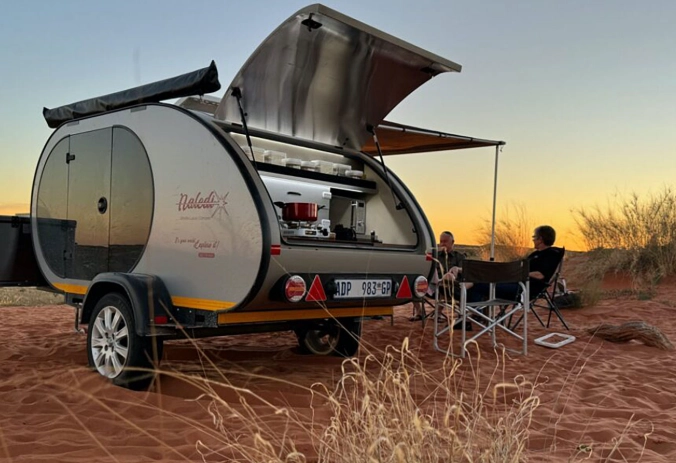
Making Your Choice: A Simple Decision Flowchart (in words)
Still unsure which path to take? Ask yourself these questions:
1. What's my goal?
Solitude and nature on public land? -> Lean heavily towards Dispersed Camping.
Just needing a free, safe place to sleep for a night between destinations? -> Lean towards Boondocking in a non-dispersed context (approved parking).
2. What's my setup?
Tent or rugged, small vehicle? -> Dispersed Camping opens up more options.
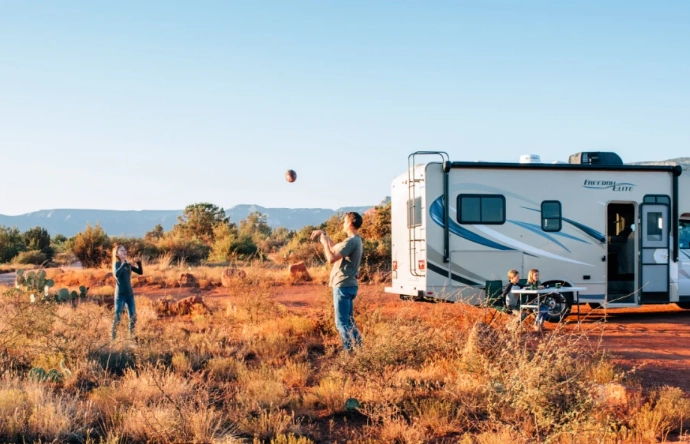
Large RV? -> Your options for true dispersed camping are limited. Focus on Boondocking at designated free areas, BLM land with good road access, or parking spots.
3. How self-sufficient am I?
Have ample water, power, and waste storage? -> You're ready for either.
Uncertain about your systems? -> Start with a short trial at a more accessible free site before venturing into the deep backcountry.
The beauty is, you can mix and match.
You might spend a week in a beautiful, remote dispersed site (which is also boondocking), then drive a long travel day and spend a night boondocking in a Cabela's parking lot (which is not dispersed camping). Both are part of the free camping toolkit.
Final Thoughts: It's About Freedom and Respect
Understanding the difference between boondocking and dispersed camping isn't just semantics. It's the key to accessing some of the most beautiful camping experiences in North America, legally and ethically. Dispersed camping directs you to the public lands that belong to all of us. Boondocking describes the self-reliant skill set you need to enjoy them.
The common thread is respect. Respect for the land, leaving it pristine for the next person. Respect for the rules that keep these opportunities open. And respect for your own limits – there's no shame in needing a night with a hookup to recharge your batteries (both yours and your RV's).
Start small, do your homework on the U.S. Forest Service and BLM sites, and you'll unlock a whole new way to travel. The first time you sip coffee with a mountain view that's all yours, with no campground noise, you'll get it. The minor hassle of managing your resources is a tiny price to pay for that kind of peace.
Just remember to pack out your coffee grounds.