What You’ll Find Here
Let's be real for a second. The idea of cold weather camping can either sound like a magical winter wonderland experience or a recipe for a miserable, shivering night. I've had both. The difference between those two outcomes? It almost always boils down to preparation and knowing a handful of crucial cold weather camping hacks. It's not just about having a thick sleeping bag; it's a whole system, from what you eat to how you set up your tent. This isn't about surviving the cold, it's about thriving in it. So, whether you're a seasoned winter warrior or thinking about your first frosty overnight trip, these insights are for you.
I remember my first serious winter trip. I had a decent bag, or so I thought. What I didn't account for was the cold seeping up from the frozen ground. No amount of extra layers on top could fix that. That's the thing about cold weather camping hacks—they're often about solving the problems you don't see coming.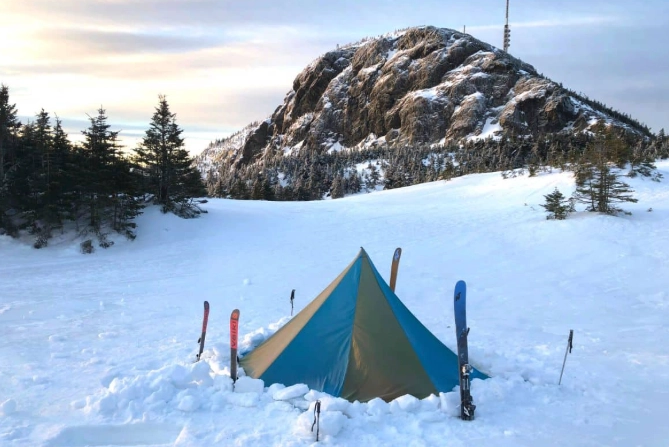
Getting Your Gear Sorted: The Foundation
You can't hack your way out of fundamentally inadequate gear. But you can make smart choices that maximize warmth without always buying the most expensive item. Let's break down the essentials.
The Sleep System: Your Nighttime Sanctuary
This is where your trip is won or lost. A good sleep system has three parts: insulation below, insulation above, and a barrier from the elements.
First, the sleeping bag. Look at the temperature rating, but know this: those "comfort" ratings are often optimistic, especially for women who tend to sleep cooler. A good rule of thumb is to choose a bag rated for at least 10°F (6°C) colder than the lowest temperature you expect. Down is fantastic for warmth-to-weight but loses its insulating power when wet. Synthetic fill, while bulkier, will keep you warm even if damp—a key consideration for humid or wet winter climates.
Next, the sleeping pad. Its R-value (insulation rating) is critical. For freezing temps, you want a pad with an R-value of 4 or higher. Think of it this way: your sleeping bag's loft gets compressed underneath you, rendering it nearly useless for ground insulation. The pad is your primary defense against the cold ground. Combining two pads—a closed-cell foam pad underneath an inflatable one—is a classic and effective cold weather camping hack for extreme conditions.
Mastering the Layering System
Forget the giant, bulky coat. The key is layers. This system gives you ultimate control over your body temperature as you move from setting up camp (high exertion) to sitting by the fire (low exertion).
| Layer | Purpose & Material | Pro Tip / Common Mistake |
|---|---|---|
| Base Layer | Moisture management. Merino wool or synthetic (polyester). Avoid cotton at all costs—it's a sponge. | It should fit snugly, not tightly. A loose fit won't wick effectively. |
| Mid Layer | Insulation. Fleece, down vest, or lightweight synthetic puffy. | This is your adjustable thermostat. Have multiple weights (light, heavy) for flexibility. |
| Outer Layer (Shell) | Weather protection. A waterproof and breathable (Gore-Tex or similar) hard shell for rain/snow; a wind-resistant soft shell for dry cold. | Don't just wear it in precipitation. A cold wind can strip heat instantly—your shell blocks this. |
| Accessory Layers | Targeted warmth. Beanie, neck gaiter, gloves (liner + insulated), thick socks. | Heat escapes from your head and extremities first. A good beanie is non-negotiable. |
See, it's a system. If you start to sweat while hiking to your site, you can shed a mid-layer before you get damp. That's proactive warmth management.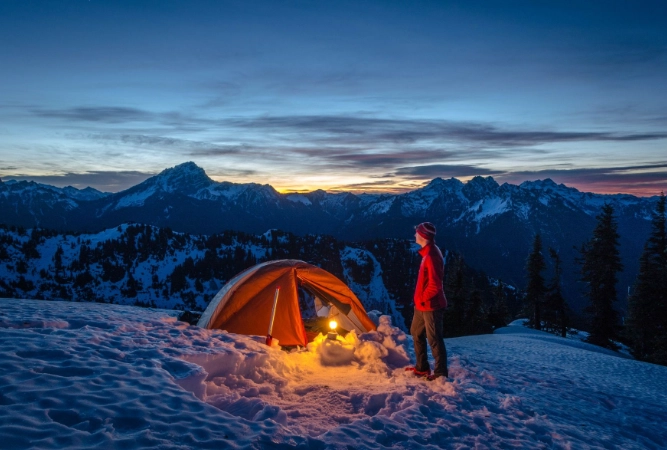
Camp Setup & Campsite Hacks
Where and how you pitch your tent is your first major decision. Look for natural windbreaks like a line of trees or a rock face. But avoid setting up at the very bottom of a valley or slope where cold air settles—it can be significantly colder. A flat, slightly elevated spot is ideal.
Use a footprint or tarp under your tent. This protects the tent floor from abrasion and provides an extra moisture barrier. Shake off any snow before packing the tent in the morning, but never force ice off the fabric—let it melt in the sun or gently flex it.
Ventilation is counter-intuitive but vital. Yes, you want to seal out the cold, but you must manage moisture from your breath. Crack open the rainfly vents or open a small section of a tent window. Otherwise, you'll wake up to a tent lined with frost from your own condensation, which can then drip or snow on you if disturbed. A small, rechargeable battery-powered fan hung from the tent ceiling can gently circulate air and reduce condensation—a brilliant little cold weather camping hack.
The Art of Staying Warm: Beyond the Gear
Gear is half the battle. Your habits are the other half.
Fueling Your Internal Furnace
Your body is a heat-producing machine. You need to fuel it constantly. Eating a high-fat, high-calorie snack right before bed (think nut butter, chocolate, cheese) gives your body slow-burning fuel to generate heat overnight. Hydration is equally critical. Dehydration impairs circulation, making you feel colder. Drink water consistently, even if you don't feel thirsty. Insulate your water bottles with socks or cozies to prevent freezing, and consider turning one upside down—ice forms at the top first.
Fill a durable Nalgene bottle with hot (not boiling) water, wrap it in a spare sock, and toss it in the bottom of your sleeping bag 15 minutes before you turn in. It pre-heats your sleeping space and provides hours of warmth. Just make sure the lid is on tight!
The Bedtime Ritual
Do some light exercises in your tent before zipping up. A few sets of jumping jacks, sit-ups, or lunges. Don't work up a sweat, just get the blood flowing. This raises your core temperature so you get into a warm bag, not a cold one trying to warm up a cold body.
Pack tomorrow's clothes (especially base layers and socks) in your sleeping bag with you. They'll be warm and dry when you need to put them on in the frigid morning. Trust me, putting on a frozen-stiff shirt is a miserable way to start the day.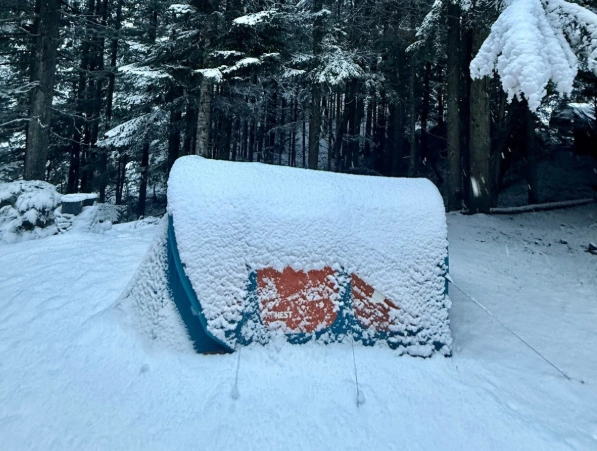
Food, Water, and The Kitchen
Cooking in the cold has its quirks. Canister fuel (isobutane-propane mix) becomes inefficient below about 20°F (-7°C). You can keep the canister warm in your jacket before use, or place it in a shallow pan of water (not ice water) while cooking. For reliably cold camping, a white gas (liquid fuel) stove is often the better choice. The National Park Service has great general guidelines on winter preparedness that touch on these logistical points.
Plan simple, one-pot meals that are easy to cook and clean. Stews, soups, and pasta dishes are perfect. They hydrate you and warm you from the inside. Clean your pots quickly before leftovers freeze solid. Store all food and scented items (toothpaste, trash) in a bear canister or hung appropriately, even in winter—animals are still active.
Safety & Emergency Considerations
This is the serious part. Winter amplifies all risks. Tell someone your detailed itinerary and check-in plan. Carry a physical map and compass—electronics can fail in the cold. Your phone battery will drain alarmingly fast. Keep it insulated and close to your body, and carry a power bank.
Know the signs of hypothermia and frostbite. Early hypothermia isn't violent shivering—it's confusion, slurred speech, clumsiness, and fatigue. If someone stops shivering in extreme cold, it's a severe medical emergency. For frostbite, watch for white, waxy, or hard skin, usually on fingers, toes, nose, and ears. The Centers for Disease Control and Prevention (CDC) provides clear, authoritative information on recognizing and responding to cold-related illnesses.
Always pack a more robust emergency kit: a heavier-duty emergency blanket (or bivy), more fire-starting materials (lighter, stormproof matches, firestarter cubes), a small candle (it can provide surprising warmth in a sealed tent), and a compact shovel for digging out or building a windbreak.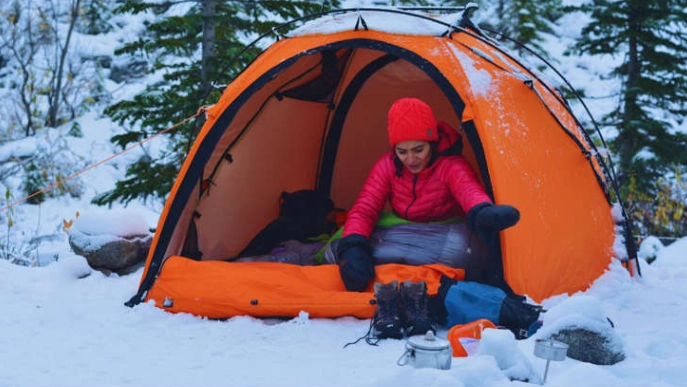
Cold Weather Camping Hacks: Your Questions Answered
Let's tackle some of the specific questions that might be swirling in your head.
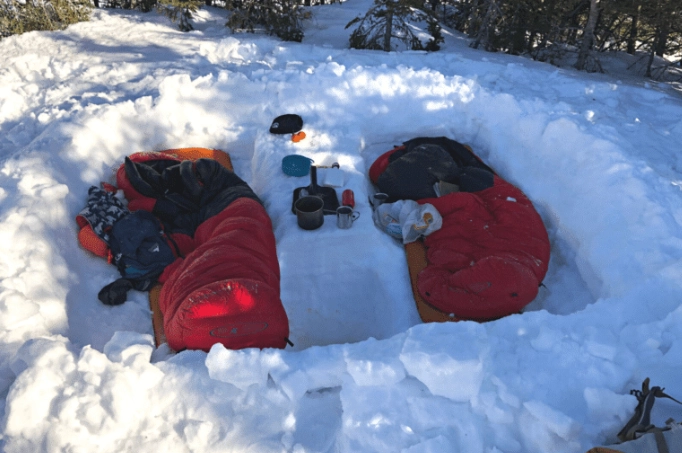
Look, winter camping isn't for everyone. It demands more attention, more gear, and a willingness to be uncomfortable at times. But the rewards are immense: pristine silence, landscapes few ever see, and the profound satisfaction of being cozy in the heart of the cold. These cold weather camping hacks aren't about buying fancy stuff; they're about smart thinking and adapting. Start with a short trip close to your car, test your systems, and learn what works for you. That's how you build the confidence for bigger adventures. Now get out there—and stay warm.