Winter camping isn't just for hardcore survivalists. With the right approach, it offers solitude, stunning snowy landscapes, and a unique challenge that summer camping can't match. I remember my first winter trip—I underestimated the cold and spent half the night shivering. But once I figured out the essentials, it became my favorite season to camp. This guide cuts through the hype and gives you practical, actionable advice to stay warm, safe, and enjoy the quiet magic of a frozen world.
What You’ll Learn in This Guide
Why Winter Camping is Worth the Effort
Let's be honest: winter camping sounds intimidating. But the rewards are huge. Crowds vanish, trails are pristine, and the silence is profound. On a clear night, the stars seem brighter against the cold sky. I once camped in the Rockies during a snowfall—waking up to a world covered in fresh powder was worth every bit of preparation.
It's not just about bragging rights. Winter camping teaches you resilience and resourcefulness. You'll learn to manage moisture, conserve heat, and adapt to changing conditions. These skills translate to better summer camping too. But skip the romanticism; if you're not prepared, it can be miserable or dangerous. That's why gear and knowledge are non-negotiable.
Essential Gear for Winter Camping
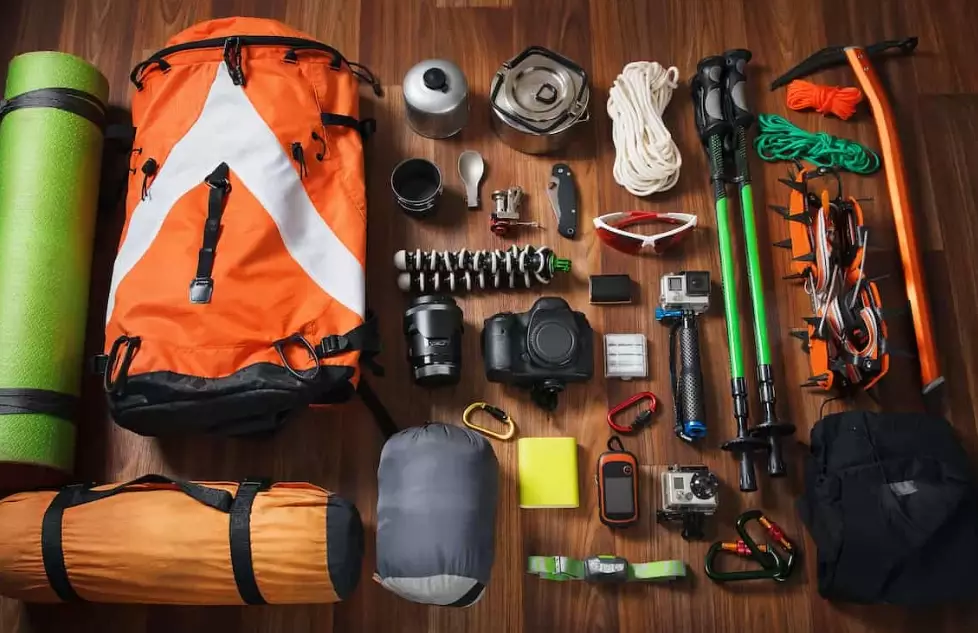
Your summer gear won't cut it. Winter demands specialized equipment that prioritizes insulation, moisture management, and durability. I've seen too many campers fail because they skimped on key items. Here’s what you really need.
Sleeping Systems: More Than Just a Bag
A good sleeping bag is the heart of winter camping. Look for a mummy-style bag rated at least 10°F lower than the expected low temperature. Down insulation is lighter and packs smaller, but synthetic handles moisture better—crucial if you're in wet snow areas. I prefer down for dry climates, but after a damp trip in the Pacific Northwest, I switched to synthetic for insurance.
Pair your bag with an insulated sleeping pad. Air pads alone are insufficient; they lose heat to the ground. Use a closed-cell foam pad underneath or invest in an insulated inflatable pad with an R-value of 4 or higher. On a budget? I've doubled up foam pads—it works, but it's bulky.
Clothing Layers: The Art of Staying Dry
Layering is everything. Avoid cotton—it holds moisture and sucks heat away. Start with a moisture-wicking base layer (merino wool or synthetic). Add a mid-layer for insulation (fleece or down jacket), and top it with a waterproof, breathable shell. Don't forget extremities: insulated boots, wool socks, gloves, and a balaclava. I made the mistake of wearing cotton socks once; my feet were frozen within hours.
Pack extra layers. Sweat is your enemy—if you get damp, change into dry clothes immediately. I always carry a spare base layer in a waterproof bag.
Shelter and Cooking: Adapting to the Cold
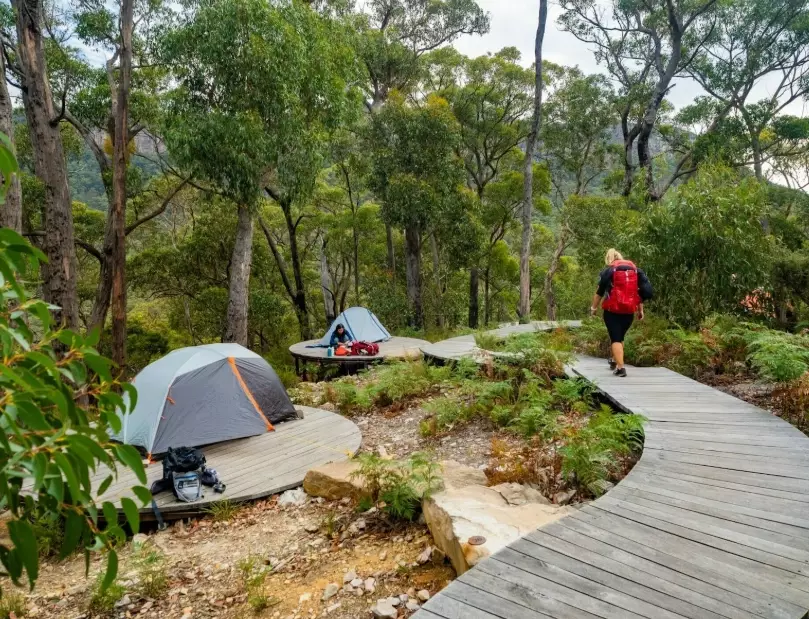
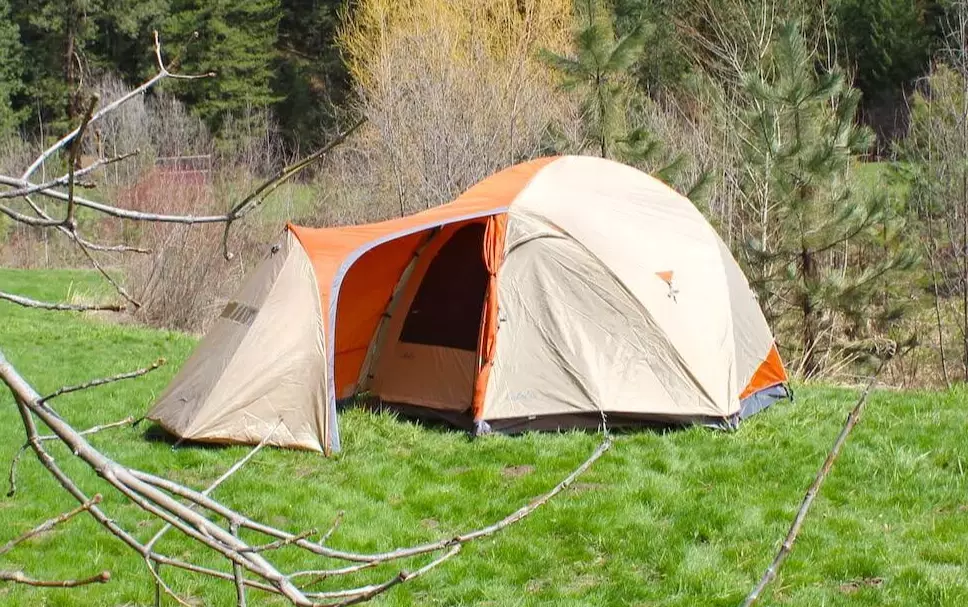
A four-season tent is ideal, with strong poles to handle snow load and a vestibule for gear storage. If you're on a tight budget, reinforce a three-season tent with extra guy lines and snow stakes. I've used a three-season tent in light snow, but it felt precarious during wind gusts.
Cooking requires a reliable stove. Liquid fuel stoves like white gas perform better in cold than canister stoves. Canisters lose pressure in freezing temps; if you use one, keep it warm in your jacket before lighting. Bring a windscreen and extra fuel—melting snow for water burns through fuel quickly. My first winter trip, I ran out of fuel because I underestimated this.
| Gear Item | Winter-Specific Features | Budget-Friendly Alternative |
|---|---|---|
| Sleeping Bag | Down or synthetic, rated for sub-freezing temps | Use a summer bag with a liner, but test in cold first |
| Sleeping Pad | Insulated, R-value ≥ 4 | Closed-cell foam pad layered under a regular pad |
| Tent | Four-season, snow skirt, sturdy poles | Three-season tent with added reinforcement and site selection |
| Stove | Liquid fuel or winter-rated canister stove | Canister stove with warm water bath, but risky in deep cold |
| Boots | Insulated, waterproof, with room for thick socks | Waterproof hiking boots with overboots or extra socks |
Gear is just part of the equation. Knowing how to use it matters more. Practice setting up your tent in the dark or with gloves on—it's harder than it sounds.
Safety First: Avoiding Common Winter Camping Hazards
Winter amplifies risks. Hypothermia, frostbite, and getting lost in a whiteout are real threats. But with awareness, you can mitigate them. I've had close calls with hypothermia after underestimating wind chill; it sneaks up fast.
Hypothermia and Frostbite: Recognition and Prevention
Hypothermia starts with shivering, confusion, and slurred speech. Prevent it by staying dry, eating high-energy foods, and avoiding exhaustion. If someone shows symptoms, get them into dry clothes, add insulation, and give warm drinks. Never rub frostbitten skin—it causes damage. Warm it slowly with body heat or lukewarm water.
Frostbite affects fingers, toes, nose, and ears. Dress in layers, keep moving, and check extremities regularly. I once ignored numb toes and ended up with mild frostbite; now I take breaks to wiggle my toes and fingers.
Navigating Snow and Ice
Snow can obscure trails. Use a GPS device with extra batteries (cold drains them fast) and a physical map as backup. Trekking poles with snow baskets improve stability. In icy conditions, microspikes or crampons are essential. I've slipped on hidden ice; it's a quick way to twist an ankle in remote areas.
Avalanche risk is serious in mountainous regions. Take a course from organizations like the American Avalanche Association. Carry a beacon, probe, and shovel, and know how to use them. Don't camp in avalanche paths—choose sheltered spots like wooded areas.
Planning Your Winter Camping Trip: A Step-by-Step Guide
Success in winter camping hinges on preparation. Here’s a step-by-step approach based on my own trips.
Step 1: Choose Your Location Wisely. Start close to home or in a designated winter camping area. National parks like Yellowstone or Banff offer winter camping, but check regulations—some require permits. I recommend state forests for beginners; they're less crowded and often have accessible trails. Avoid high altitudes initially; altitude sickness combined with cold is brutal.
Step 2: Check Weather and Conditions. Don't just look at temperature. Wind chill, snowfall, and daylight hours matter. Use resources like the National Weather Service for forecasts. Plan for shorter days: set up camp early to avoid darkness. I once arrived late and struggled to pitch a tent in fading light—it was a stressful start.
Step 3: Pack with Redundancy. Bring extra fuel, food, and clothing. Assume things will go wrong. A common mistake is packing too light; I've seen campers run out of food because they miscalculated calorie needs. Winter burns more calories—aim for high-fat snacks like nuts and chocolate.
Step 4: Test Gear Beforehand. Sleep in your backyard or a local park in cold weather. It reveals flaws without the risk. I tested a new sleeping bag and found it was too narrow for layering—a fix I made before a big trip.
Step 5: Leave a Detailed Itinerary. Tell someone where you're going, your route, and return time. In winter, rescue times can be longer due to weather. I always share a map with waypoints; it's a simple step that saved a friend when he got disoriented in a snowstorm.
Winter camping isn't about suffering. It's about embracing the challenge with smart planning. Start with a single overnight trip to build confidence.
FAQ: Your Winter Camping Questions Answered
Winter camping transforms how you see the outdoors. It's not for everyone, but with the right gear and mindset, it offers rewards that summer can't match. Start small, learn from mistakes, and respect the cold. I still make errors—last season, I forgot extra gloves and had cold hands for a day—but each trip teaches me something new. Get out there, stay safe, and enjoy the quiet beauty of a winter night.