Quick Guide
Let’s be honest. The idea of camping sometimes sounds better than the reality. The bugs. The potential for rain. That one rock you didn’t see under your tent. I’ve been there, cursing my life choices at 2 AM in a damp sleeping bag. But you know what? I keep going back. Every single time.
Why? Because after dozens of trips, from car camping in state parks to backcountry hikes, the good stuff massively outweighs the occasional discomfort. It’s not just about pretty photos for Instagram. The real, tangible benefits of camping sink in deep, and they stick with you long after you’ve shaken the pine needles out of your socks.
This isn’t about selling you a romanticized version of outdoor life. It’s a down-to-earth look at the genuine perks, backed by more than just good vibes. We’re talking about science, psychology, and plain old human experience. So, whether you’re a seasoned backpacker or someone who thinks “glamping” is still too rugged, let’s break down the real deal. What are you actually getting out of a night under the stars?
The Core 5 Benefits of Camping: A Closer Look
Everyone lists benefits, but let’s dig into the *why* and the *how*. These aren’t vague claims. These are the specific, often overlooked ways that trading your bedroom ceiling for a canopy of stars changes you.
Benefit 1: A Hard Reset for Your Brain and Body (The Health Boost)
This is the big one, and it’s multifaceted. We all know “being outside is good for you,” but camping forces a level of immersion that a walk in the park can’t match.
First, there’s the sunlight and air. Natural light regulates your circadian rhythm—that’s your body’s internal sleep-wake clock. Staring at screens and living under artificial light messes it up. When you wake up with the sun and wind down as it gets dark, you’re giving your body its most fundamental cue back. The result? Deeper, more restorative sleep. I always sleep like a log on the second night of a trip, even on a thin sleeping pad. It’s a profound tiredness, not the anxious exhaustion from city life.
Then there’s the air quality. It’s not just “fresher.” Forested areas emit phytoncides, natural oils that protect plants from insects. Breathing these in has been studied for potential benefits on our immune systems. A study referenced by the American Heart Association consistently highlights how physical activity in nature, like the hiking and gathering firewood you do while camping, contributes to lower blood pressure and reduced stress hormones.
And let’s not forget the exercise. It’s incidental. You’re not on a treadmill counting calories. You’re hiking to a viewpoint, gathering firewood, setting up camp. It’s functional, full-body movement that doesn’t feel like a workout. This taps into what our bodies are actually built for.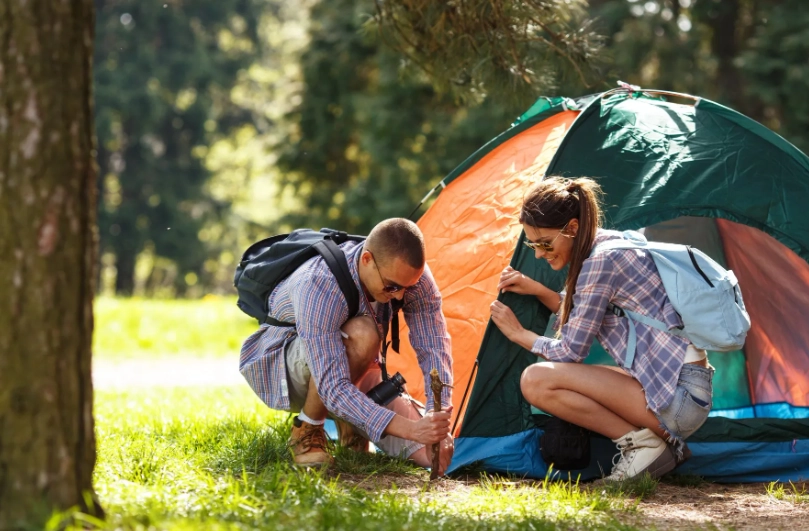
Benefit 2: The Ultimate Digital Detox (Like, For Real)
“Digital detox” is a buzzword. You try to not check your phone for an afternoon. Camping makes it non-negotiable. Spotty or no service is a feature, not a bug.
This forced disconnection is a cognitive gift. Your brain’s attentional resources are constantly hijacked by notifications, emails, and the infinite scroll. This creates a state of continuous partial attention, which is exhausting. Camping strips that away. Your attention can finally settle on one thing: the sound of the river, the pattern of the flames, the conversation with the person next to you.
It creates space for boredom. And boredom is where creativity and genuine reflection spark. You start noticing things—the way light filters through leaves, the different bird calls. You remember how to just *be* without external stimulation. It’s uncomfortable for the first few hours, then it becomes liberating. This is one of the most underrated mental benefits of camping.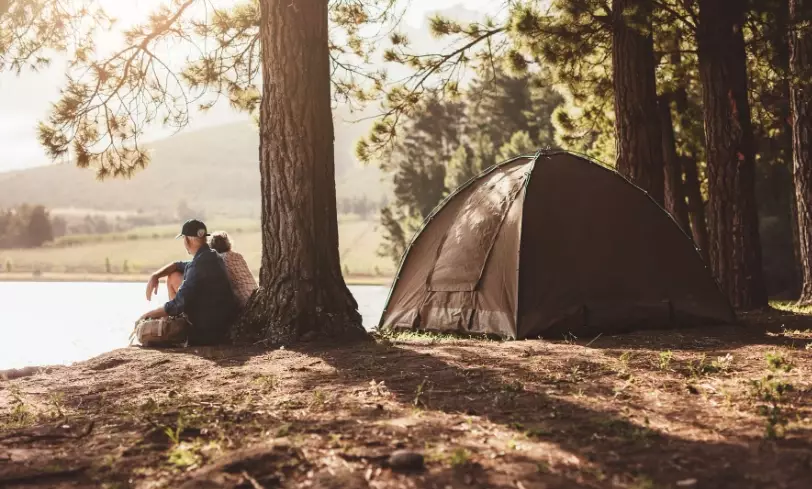
Benefit 3: Building Bonds That Don’t Rely on Wi-Fi
Think about your best memories with friends or family. Are they staring at a TV together, or are they sharing an experience? Camping is a shared experience generator.
You work as a team to solve basic problems: putting up the tent, cooking over a fire, figuring out where that rustling noise is coming from (it’s always a squirrel, I promise). There’s no distraction. Conversations go deeper because there’s nowhere else to be. You play card games by lantern light. You share stories. The shared, slight adversity of “roughing it” builds a unique camaraderie.
For families, it’s gold. Kids are naturally curious outdoors. You’re not competing with tablets and video games. You’re teaching them how to identify a constellation, safely roast a marshmallow, or set up their own little tent. It builds independence and shared pride. The 5 benefits of camping for family dynamics are immense, creating a shared adventure narrative that beats any packaged vacation.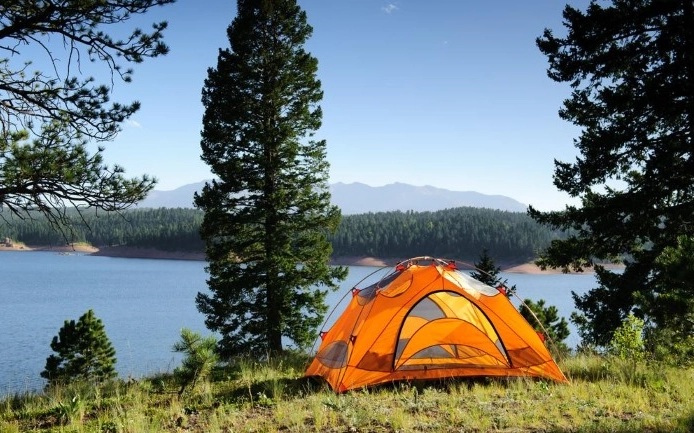
“In every walk with nature, one receives far more than he seeks.” – The sentiment rings true, but let’s be practical. What you receive is uninterrupted time with people you care about.
Benefit 4: Learning Self-Reliance and Practical Skills
In our modern world, we’re specialists. We outsource everything. Camping throws you back to basics, and there’s a deep satisfaction in re-learning fundamental skills.
Can you start a fire if your lighter fails? Do you know how to pitch a tent so it won’t collapse in a gust of wind? Can you read a basic map if your phone dies? These skills foster a sense of competence and self-reliance that’s hard to find elsewhere. It’s problem-solving in its purest form.
This table breaks down some core skills and their hidden benefits:
| Camping Skill | Practical Application | The Hidden Psychological Benefit |
|---|---|---|
| Fire Building | Warmth, cooking, light, safety. | Teaches patience, process-oriented thinking, and resource management. A primal sense of accomplishment. |
| Shelter Setup | Protection from weather, a safe place to sleep. | Builds spatial reasoning, planning, and the direct satisfaction of creating your own “home.” |
| Basic Outdoor Navigation | Finding your way, avoiding getting lost. | Boosts situational awareness, confidence, and reduces anxiety in unfamiliar places. |
| Leave-No-Trace Principles | Minimizing environmental impact. | Fosters environmental stewardship, mindfulness, and respect for shared spaces. |
These aren’t just for surviving the woods. The confidence you gain translates. If you can troubleshoot a collapsed tent in the rain, a work crisis feels a bit more manageable.
Benefit 5: Fostering a Real Connection with the Environment
It’s one thing to read about climate change or see a documentary on wildlife. It’s another to drink water from a filter you pumped from a crystal-clear lake, to see the Milky Way unobscured by light pollution, or to have a deer wander quietly through your campsite at dawn.
Camping creates a direct, sensory connection to the natural world. You feel the temperature drop when the sun sets. You smell the rain before it arrives. You understand the importance of a clean water source because you’re using it. This connection fosters a genuine sense of stewardship. You’re more likely to care for something you’ve experienced intimately.
Following Leave No Trace principles, as outlined by the National Park Service, becomes a personal ethic, not just a rule. You pack out your trash because you don’t want to spoil this place for the next person—or for the animals that live there. This tangible environmental awareness is a profound and lasting benefit of spending time camping.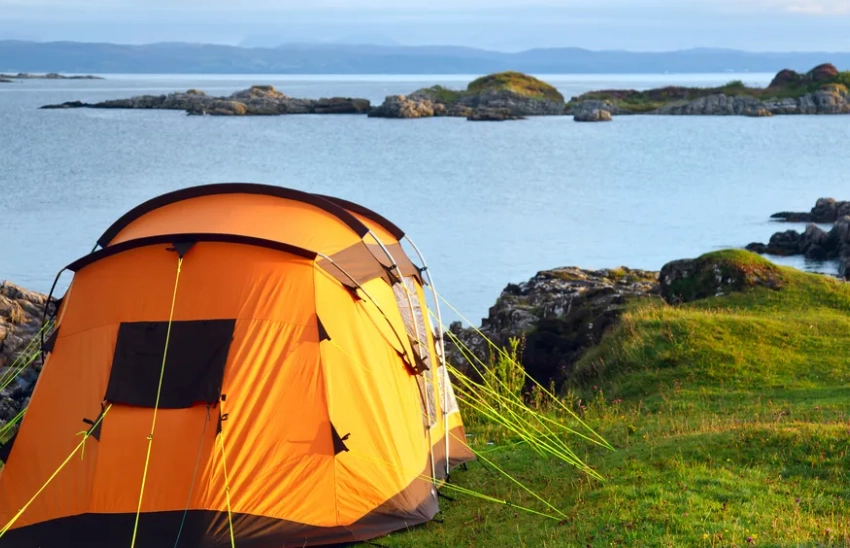
Okay, But How Do You Actually Get These Benefits? (Beyond Just Going)
Knowing the benefits is one thing. Experiencing them is another. A bad camping trip can feel like a miserable, cold mistake. Here’s how to tilt the odds in your favor for a trip that actually delivers on the promise.
Start Simple. Your first trip shouldn’t be a 10-mile backpacking trek. Find a drive-in campground at a state park. You can bring more comforts (a comfy chair, a good cooler), which reduces the “adversity” level while you get the hang of the basics. The goal is positive reinforcement.
Focus on Comfort, Especially Sleep. A cheap, thin sleeping bag on a rocky surface will ruin everything. Invest in a decent sleeping pad (insulated is best) and a bag rated for temperatures *colder* than you expect. Being warm and well-rested is the foundation of enjoying all other benefits of camping.
Embrace the Intentional Disconnect. Tell people you’ll be off-grid. Put your phone on airplane mode and stash it in the car or at the bottom of your pack. Bring a physical book, a notebook, a deck of cards. The itch to check it will pass.
Have a Loose Plan, Not a Rigid Schedule. Plan a hike or a swim. But leave huge chunks of time for nothing. For sitting by the water. For napping in a hammock. The magic is often in the unplanned moments.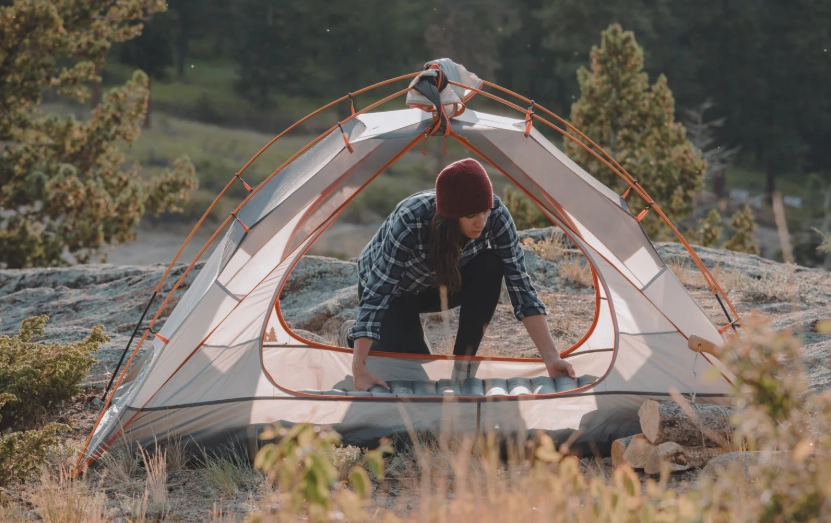
Common Questions & Hesitations (Answered Honestly)

The Bottom Line: It’s an Investment in Yourself
Camping isn’t a vacation in the traditional sense. It’s not passive consumption. It’s active participation in your own well-being. You put in a little effort—planning, packing, setting up—and the returns are disproportionately high.
The five core benefits we’ve talked about (and trust me, you’ll discover your own) compound over time. They improve your sleep long after the trip. They strengthen relationships. They build a quiet confidence. They make you more aware of the world and your place in it.
So, the next time you feel drained, overwhelmed by screens, or just distant from the people you care about, consider the simplest, most ancient solution: go sleep outside. Start with one night. Keep your expectations reasonable. Focus on the feeling of the air, the taste of food cooked over fire, the sound of nothing.
You might just find that the best benefits of camping aren’t on any list. They’re the quiet moments of peace you bring home with you.