Guide Overview
- Where in the World Can You Actually Boondock? (The Legal Stuff)
- Gear Up: What You Really Need (And What You Don't)
- Finding Your Perfect Spot: It's Not Just Luck
- Boondocking USA Etiquette: The Unwritten Rules
- Answering Your Biggest Boondocking USA Questions
- My Top Picks for an Unforgettable Boondocking USA Experience
Let's be honest for a second. RV parks are great, with their hookups and showers and sometimes even a pool. But they can also feel... well, a bit like a parking lot with a fancy name. And they're not cheap. If you've ever stared at a monthly RV park bill and thought, "There has to be another way," you're absolutely right. There is. It's called boondocking.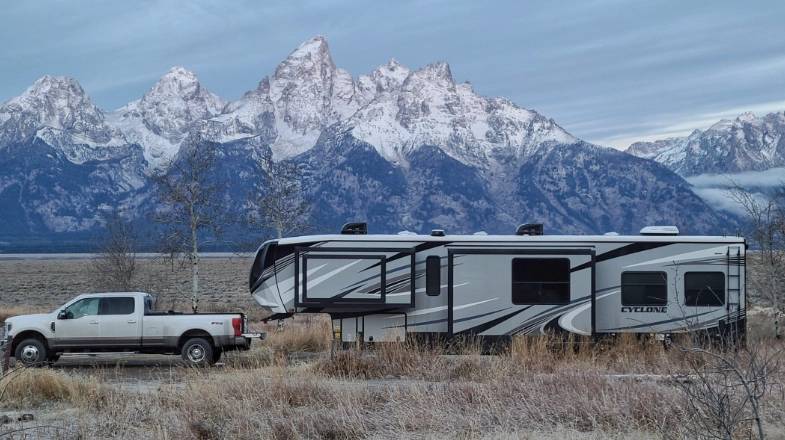
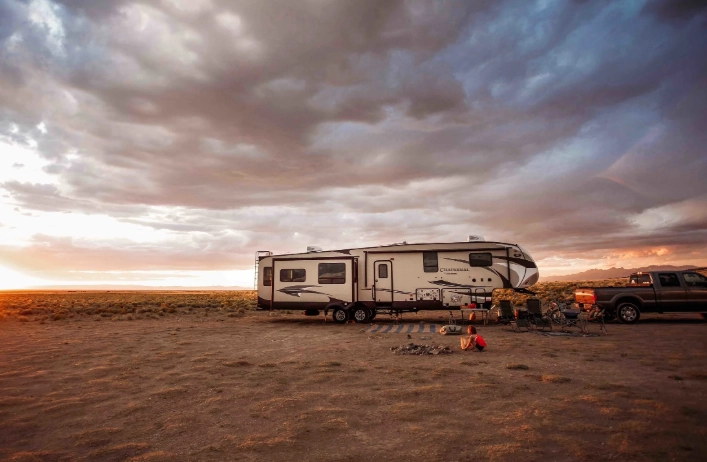
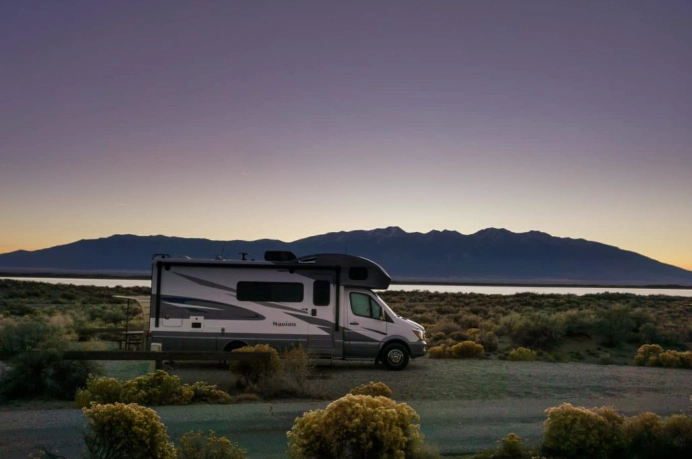
Boondocking, dry camping, dispersed camping – call it what you want – is the art of camping in your RV for free, without any hookups for water, sewer, or electricity. You're self-contained and off the grid. And across the vast landscapes of the USA, there are millions of acres of public land where you're legally allowed to do just that. The idea of Boondocking USA isn't just about saving money (though that's a huge perk). It's about waking up to a sunrise over a desert mesa with no one else in sight, or falling asleep to the sound of a river in a National Forest, completely alone. It's the purest form of RV travel.
But I get it. It can also seem intimidating. Where do you go? How long can you stay? What if you run out of water or power? I remember my first attempt. I drove for hours down a questionable forest service road, paranoid I was trespassing, only to realize my battery was nearly dead and I hadn't packed nearly enough drinking water. It was a mess. I almost gave up.
I'm glad I didn't. Over years of trial and error, I've figured it out. This guide is everything I wish I'd known before I started. We're going to strip away the mystery and give you the practical, no-fluff information you need to confidently embrace the Boondocking USA lifestyle. Forget the glossy, perfect Instagram version. This is the real deal.
Where in the World Can You Actually Boondock? (The Legal Stuff)
This is the first and most important question. You can't just pull over anywhere. The cornerstone of successful boondocking in the USA is understanding public land management. The good news is, the USA is uniquely blessed with vast tracts of land managed for public use. Here’s the breakdown of the major players.
| Land Management Agency | Where to Find It | Typical Stay Limit | Key Notes & My Experience |
|---|---|---|---|
| Bureau of Land Management (BLM) | Primarily Western states (AZ, NV, UT, CA, NM, CO, WY, MT, ID, OR, WA). | 14 days in a 28-day period is common. | The holy grail for boondockers. Wide open spaces, often desert or high desert. Some Long-Term Visitor Areas (LTVAs) offer seasonal stays for a small fee. The signage can be vague – if you see other RVs camped responsibly, you're probably okay. |
| United States Forest Service (USFS) | National Forests nationwide (over 150 of them!). | Usually 14-16 days, varies by district. | My personal favorite. You get mountains, lakes, and pine trees. Look for "dispersed camping" areas off main forest roads. Always get a Motor Vehicle Use Map (MVUM) from the local ranger station – it shows exactly which forest roads are legal for camping. The USFS website is your best friend. |
| National Park Service (NPS) | Within National Parks and National Monuments. | Very limited, often only in specific backcountry sites. | True boondocking inside popular National Parks is rare. They usually have designated campgrounds (often without hookups, which is still great!). However, the lands surrounding parks (often BLM or USFS) are prime boondocking territory. Check the NPS site for backcountry regulations. |
| State Trust Lands & Wildlife Management Areas (WMAs) | Varies by state. Common in Western and Southern states. | Varies widely; often requires a permit. | This is a hidden gem but comes with rules. Many states require a cheap recreational permit (like Arizona's $15 annual permit). Always check the specific state's land department website. I've found amazing solitude on state trust land in Arizona. |
| Corps of Engineers (COE) & Army Corps Lands | Often around lakes and reservoirs. | Usually 14 days. | These can be fantastic, sometimes with pit toilets and even water spigots (though not at your site). They manage thousands of campsites, many of which are low-cost or free. Use the Recreation.gov website to search. |
See? It's not a mystery. It's a system. Your first stop for planning any Boondocking USA trip should be the websites of these agencies. They have maps, rules, and alerts.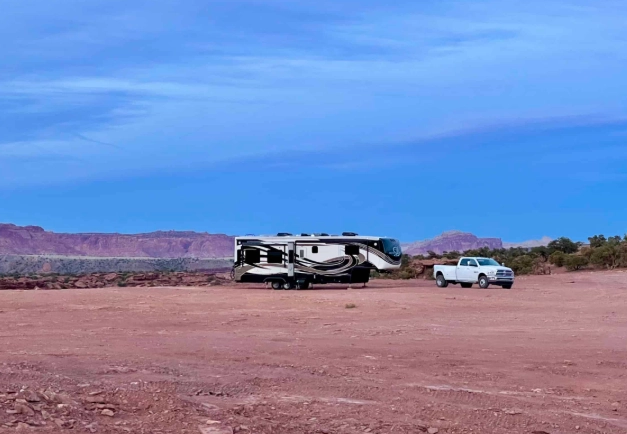
Gear Up: What You Really Need (And What You Don't)
You don't need a half-million dollar RV to boondock. I've seen people do it brilliantly in vintage vans and people fail miserably in giant diesel pushers. It's about systems, not size. Let's talk about the three big ones: Power, Water, and Waste.
Keeping the Lights On: Power Management
This is where most newbies panic. Your RV's factory battery might run the lights for a night, but that's about it. For serious Boondocking USA travel, you need an upgraded power system.
- The Heart: Deep Cycle Batteries. Ditch the standard RV battery. You want true deep-cycle batteries, either Flooded Lead Acid (FLA), AGM, or the gold standard: Lithium (LiFePO4). Lithium is more expensive upfront but lasts longer, charges faster, and can be discharged much more deeply. My switch to lithium was a game-changer.
- The Lungs: A Way to Recharge. Your batteries won't last forever. You need to put energy back in.
- Solar Panels: The holy grail for silent, free power. A 200-400 watt system is a great start for most people. It lets you run lights, fans, and charge devices indefinitely on sunny days.
- Portable Generator: A reliable inverter generator (like Honda or Yamaha) is a fantastic backup. Run it for a few hours in the morning or evening to top up batteries and run high-draw items like a microwave or air conditioner (briefly). Be considerate with generator hours.
- Alternator Charging: Your vehicle's alternator can charge your house batteries while you drive. A quality battery isolator or DC-DC charger makes this efficient.
- The Brain: A Battery Monitor. Don't guess your battery level. A simple monitor like a Victron BMV-712 tells you exactly how many amp-hours you've used and have left. This prevents you from accidentally killing your batteries.
Water: Your Most Precious Resource
You'll develop a new respect for water. The average RVer uses 20-50 gallons a day in a full-hookup site. Boondocking, you need to slash that.
Conservation is King: Navy showers (wet down, turn off water, soap up, rinse quickly). Turn off the faucet while brushing teeth. Use paper plates occasionally. I even keep a spray bottle of water by the sink for quick hand rinses.
Carry Extra: Know your fresh tank capacity. Many boondockers also carry several portable 5-7 gallon water jugs for refills. Finding water sources is part of the planning. Many towns have free RV water fill stations at visitor centers, parks, or even gas stations. Apps like iOverlander are great for finding these.
Dealing with the Not-So-Fun Stuff: Waste
You have two tanks: gray water (from sinks/shower) and black water (from the toilet).
- Black Tank: Use plenty of water and a good tank treatment. Never let it get over 2/3 full before dumping at a proper RV dump station (often found at truck stops, some gas stations, or campgrounds for a small fee).
- Gray Water: This is trickier. In most dispersed camping areas on public land, it's illegal to dump gray water on the ground because soaps and food particles can harm the environment. You need to contain it and dump it at a facility. Some people use a portable "blue boy" tank to haul gray water. Others use super-biodegradable soaps and disperse it widely in non-sensitive areas only if explicitly allowed. Check the local rules!
Finding Your Perfect Spot: It's Not Just Luck
You can't just drive west and hope. Finding a good boondocking spot is a skill. Here's my process.
- Start with a Map. I look at a large-scale map (like Google Maps in terrain view) to find public land (BLM in green, USFS in a different green) near where I want to be.
- Cross-Reference with Apps. I use a combination:
- Campendium & FreeRoam: For user-generated reviews, photos, and cell signal reports. These are invaluable for knowing what the road in is like and if a spot will fit your rig.
- OnX Offroad or Gaia GPS: For detailed maps that show land ownership boundaries. This is the ultimate tool to ensure you're on public land. No more guessing.
- iOverlander: Great for finding resources like water, dump stations, and laundry in nearby towns.
- Have a Backup Plan (or Two). Never assume your first-choice spot will be available or accessible. Scout during daylight hours. If a road looks too rough, don't risk it. Turn around. There's always another spot.
Boondocking USA Etiquette: The Unwritten Rules
This community runs on respect. Break these rules and you're the problem.
- Give Space. If you see someone already camped in a large area, don't pull up right next to them. Give at least 100-200 yards of space if possible. Everyone is out here for solitude.
- No Generators After Dark or Early Morning. A general rule is 8am to 8pm, and even then, be mindful. If you can go without, do.
- Leave It Better. Pick up micro-trash. Fill in any fire pits if you didn't use them. The goal is to leave no trace that you were ever there.
- Know Your Limits. If you're in a 40-foot motorhome, don't try to go down a narrow, winding forest road meant for Jeeps. You'll get stuck, damage the environment, and ruin the road for others.
Answering Your Biggest Boondocking USA Questions
My Top Picks for an Unforgettable Boondocking USA Experience
It's hard to pick favorites, but here are a few areas that consistently blow me away and are very boondocker-friendly.
- Quartzsite, Arizona (BLM Land): The unofficial capital of Boondocking USA in winter. Vast, flat desert with thousands of RVs. It's a social scene with vendors and rock shows. Not for solitude, but a fascinating cultural experience. The surrounding BLM land offers more privacy if you drive a bit farther out.
- Big Bend National Park Area, Texas (BLM/State Land): The terrain is stunning. You can camp on BLM land right on the Rio Grande, with views of the Mexican Sierra del Carmen mountains. Remote, dark skies, and incredible hiking nearby.
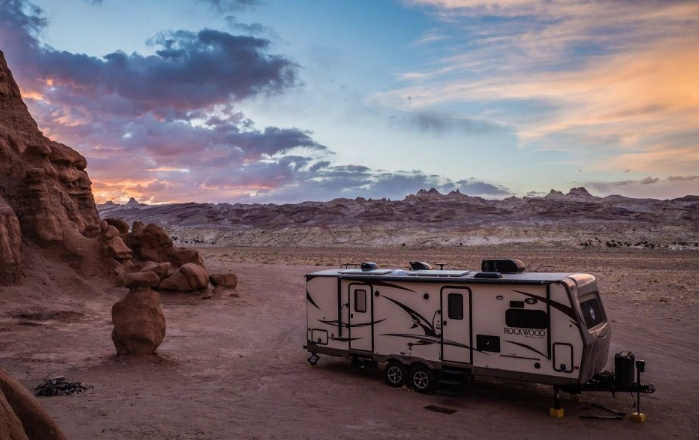
- Dixie National Forest, Utah (USFS): Red rock deserts down low, cool pine forests up high. Endless dispersed camping along forest roads near Cedar City or Bryce Canyon. A perfect base for exploring Utah's parks without the park crowds.
- Boundary Waters Area, Minnesota (Superior National Forest - USFS): A completely different vibe. Lakes, loons, and pine trees. Dispersed camping along the backroads leading to canoe launches. Mosquitoes can be epic in summer, but the fall is magical.
So, is Boondocking USA for everyone? Maybe not. It requires more planning, more self-sufficiency, and a willingness to embrace a little uncertainty. There are no guarantees on the view or the road condition. But if you're tired of the same old RV park routine, if you crave real quiet and real darkness, if you want to feel like you've truly discovered a place instead of just parking in it, then you owe it to yourself to try.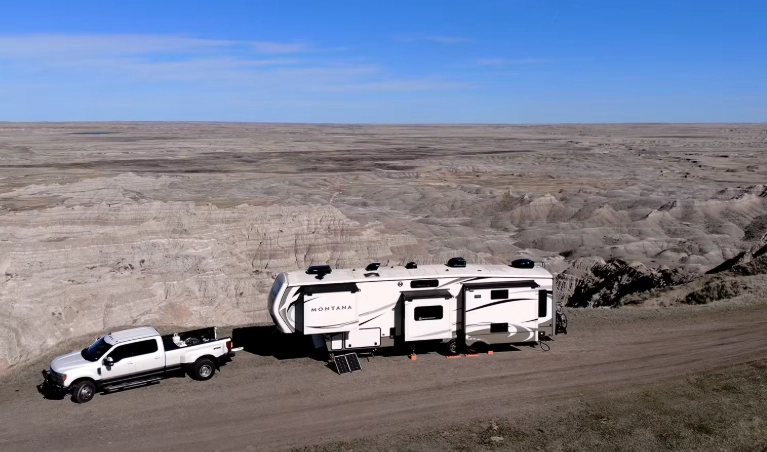
Start small. Pack your sense of adventure. And maybe a few extra gallons of water. The real America is out there waiting, and it doesn't have a nightly fee.