There's nothing quite like waking up in the mountains. The air is crisp, the silence is profound, and the views stretch forever. But let's be honest—camping in the mountains isn't the same as pitching a tent at your local campground. The altitude, the rapidly changing weather, and the remote locations add layers of complexity that can turn a dream trip into a stressful ordeal if you're not prepared.
I learned this the hard way on my first solo alpine trip years ago, shivering in a summer sleeping bag as an unexpected frost settled in. Since then, I've spent countless seasons backpacking and camping in ranges from the Rockies to the Alps. This guide pulls together everything I wish I'd known, moving beyond the basic "bring a tent" advice to the nuanced, practical knowledge that makes the difference between enduring a night outdoors and truly thriving in the high country.
What's Inside This Guide?
How to Choose the Perfect Mountain Campsite
Picking your spot is the first critical decision. It's not just about the view. A bad location can mean a cold, windy, or even dangerous night.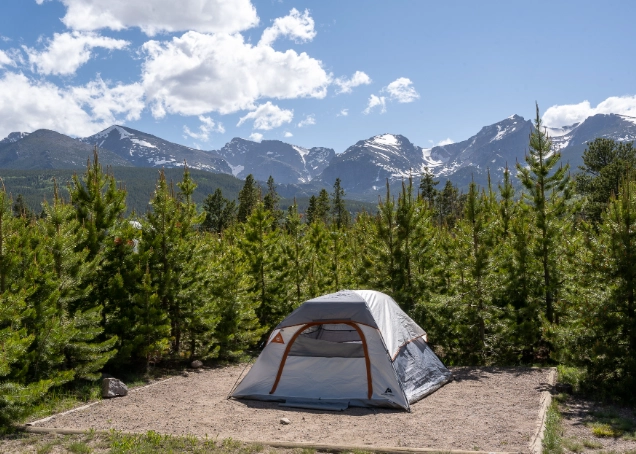
First, understand the lay of the land. Are you in an established, designated campground, or are you planning for dispersed backcountry camping? Each has its pros and cons.
| Site Type | Best For | Key Considerations |
|---|---|---|
| Designated Campgrounds | Beginners, families, car campers. Often found near mountain towns or park entrances. | Book early (months ahead for popular parks). Amenities vary (water, toilets, fire rings). Less solitude. |
| Dispersed/Backcountry Sites | Experienced campers seeking solitude and a true wilderness experience. | Requires thorough research on land management rules (BLM, USFS, etc.). Strict Leave No Trace. No facilities. Must be self-sufficient. |
Once you know the type, evaluate the specific spot. Here’s my mental checklist, honed from many evenings spent searching for that perfect flat patch:
- Elevation & Aspect: Higher isn't always better. A site at 9,000 feet will be significantly colder than one at 7,500 feet. South-facing slopes get more sun (warmer mornings), while north-facing slopes hold snow longer and are shadier.
- Wind Protection: Look for natural windbreaks like clusters of trees or rock formations. Ridgelines and open bowls are wind tunnels. A common mistake is choosing the "best view" on an exposed ledge, only to spend the night wrestling a flapping tent.
- Water Source: In the backcountry, you need water. Camp at least 200 feet (about 70 adult steps) from lakes and streams to protect water quality and allow wildlife access. The sound of water is nice, but being too close is ecologically harmful and often against regulations.
- Ground Quality: Avoid low-lying depressions that can become cold sinks or puddles. Look for flat, durable surfaces like established tent pads, forest duff, or gravel. Never camp on fragile alpine meadows.
What is the Essential Mountain Camping Gear?
Forget the 50-item generic camping lists. Mountain camping gear is about warmth, weight, and weatherproofing. Every ounce matters when you're climbing, and every piece needs to perform when conditions turn.
Here’s the non-negotiable core list, in order of importance:
The Big Three: Shelter, Sleep, Pack
Tent: A 3-season tent is the minimum. Look for a "freestanding" design for easier pitching on rocky ground. Double-wall construction (inner mesh + rainfly) is crucial for condensation management, which is a huge issue in the cold, moist mountain air. Don't cheap out here.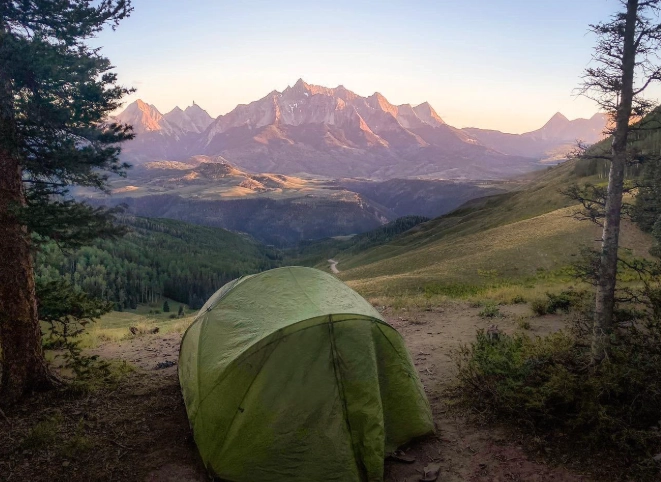
Sleep System: This is where most first-timers fail. Your summer bag won't cut it. Check the bag's EN/ISO "Comfort" rating, not the "Limit" rating. For most summer mountain nights, a bag rated to 20°F (-7°C) is a safe bet. Pair it with an insulated sleeping pad with an R-value of at least 3.5. The ground sucks heat mercilessly.
Backpack: A 50-65 liter pack is the sweet spot for multi-day mountain trips. Get fitted at a store. The hip belt should carry 80% of the weight. I made the mistake of using a cheap, oversized pack for years—my shoulders have never forgiven me.
Clothing: Layering is Law
Cotton is rotten. You need synthetic or wool layers that wick moisture and dry fast.
- Base Layer: Merino wool or synthetic top and bottom.
- Insulating Layer: A lightweight puffy jacket (down or synthetic). Down is warmer for weight but useless when wet.
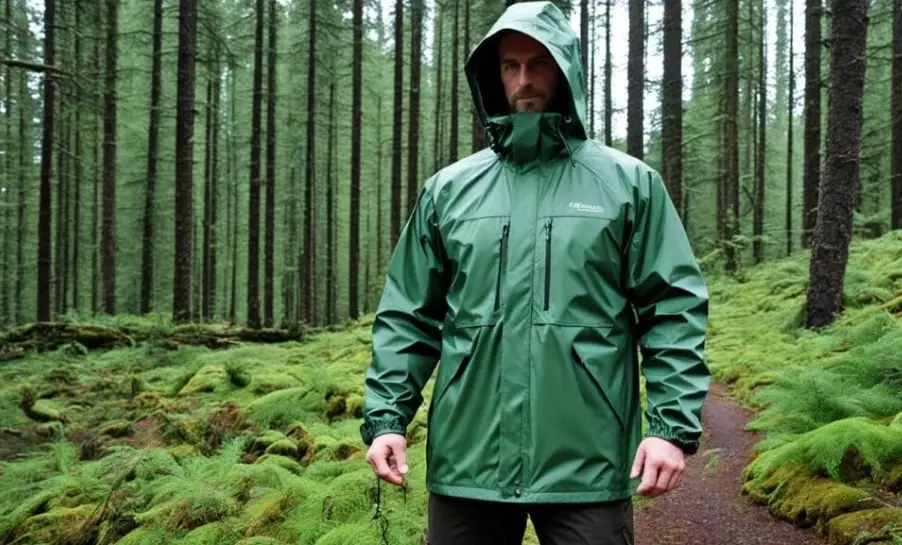
- Shell Layer: A waterproof and breathable rain jacket and pants. Non-negotiable.
- Extras: Beanie, gloves (even in summer), and extra socks. I always pack a dedicated set of dry sleep clothes—it’s a morale lifesaver.
Kitchen & Hydration
A lightweight backpacking stove (canister or white gas), a single pot, a spork, and a bear-resistant food canister are mandatory in most alpine areas. Hydration bladders can freeze in the tube at night; I prefer wide-mouth water bottles.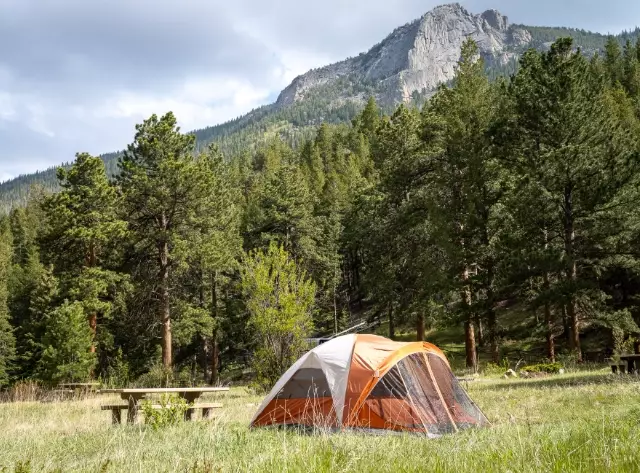
How to Pack Like a Pro for the Trail
Packing isn't just stuffing things in a bag. It's strategic weight distribution for comfort and balance.
Start by laying all your gear on the floor. Use stuff sacks or compression sacks to organize: one for kitchen, one for clothes, etc. Keep your sleeping bag at the bottom of your pack, close to your back. This puts the weight low and centered. Your tent (body and poles) can go vertically along the back or strapped outside. Heavy items like your food canister and water should be in the middle of the pack, close to your spine. This prevents the pack from pulling you backward.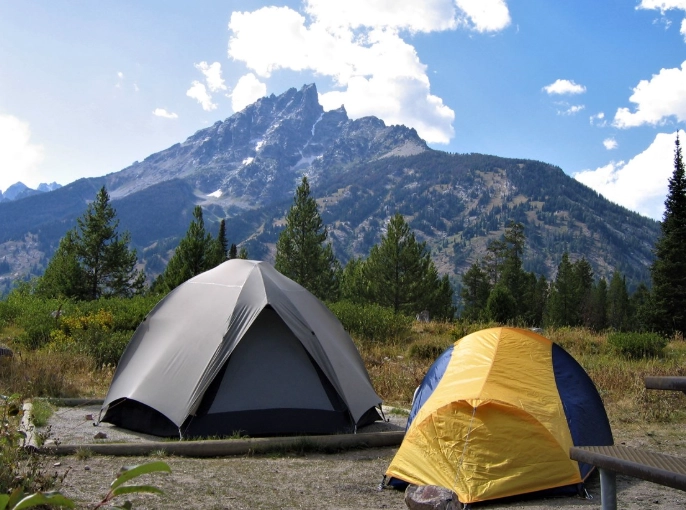
The top of your pack is for items you need during the day: rain layer, puffy, snacks, first-aid. Hip belt pockets are perfect for sunscreen, lip balm, a snack, and your phone (on airplane mode to save battery).
Do a test walk. Load your pack and walk around the block. Does it feel balanced? Is anything digging in? Adjust before you hit the trailhead.
Handling Mountain-Specific Challenges
The mountains have their own rules. Respect them.
Altitude Acclimatization
Altitude sickness is real and can ruin a trip. If you live at low elevation, plan a gradual ascent. Spend a night at an intermediate altitude if possible. Once on trail, climb high but sleep low. Hydrate relentlessly—drink water until your urine is clear. Headaches and nausea are early signs. If symptoms worsen, the only cure is to descend.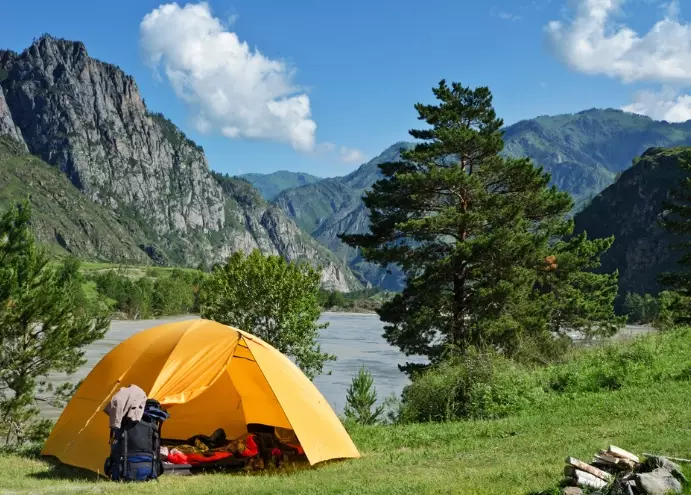
Weather Whiplash
Sunny at noon, thunderstorms by 2 PM, freezing by dusk. This is normal. Check the mountain-specific forecast from sources like the National Oceanic and Atmospheric Administration. Plan to be off exposed ridges and summits by early afternoon to avoid lightning. Your rain shell should always be accessible.
Wildlife Encounters
This isn't just about bears (though in grizzly country, you need bear spray and know-how). Proper food storage in a bear canister or hang is critical everywhere. It protects you and the animals. Smaller critters like marmots and mice will chew through your pack for a salt lick. Keep your pack clean and don't leave gear unattended.
Top Mountain Camping Destinations to Inspire You
Ready to plan? Here are three iconic regions, each offering a different flavor of mountain camping.
1. The Rocky Mountain National Park Corridor, Colorado, USA
This is classic high-alpine camping. You need a permit for backcountry sites, which are highly competitive. The payoff? Turquoise lakes, craggy peaks, and elk herds. Best Season: Late July to September. Access: Fly into Denver, drive ~2 hours. Tip: The park's website has detailed trail and site descriptions. Consider less crowded zones like the Wild Basin area.
2. The Tour du Mont Blanc Circuit, France/Italy/Switzerland
For those who want a mix of wilderness and culture. You can camp at designated sites along this famous 100-mile trek, often near charming refugios where you can buy a meal. Best Season: August to early September. Access: Fly into Geneva. Tip: Book campsites in advance, especially in August. The views of the Mont Blanc massif are relentless and stunning.
3. The South Island Alps, New Zealand
Raw, dramatic, and less regulated than many US parks. The Great Walks (like the Routeburn Track) have excellent hut and campsite systems. For true solitude, explore the valleys of Mount Aspiring National Park. Best Season: December to March (Southern Hemisphere summer). Access: Fly into Queenstown. Tip: Weather is extremely changeable. Be prepared for all conditions, and sandflies are a notorious nuisance—bring repellent.