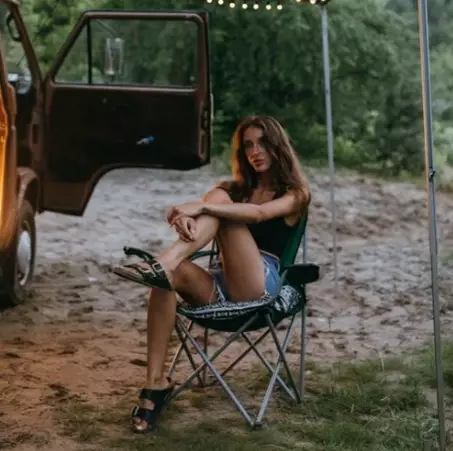
Last summer I watched a family drag a 40-pound canvas tent to a walk-in site at 9 p.m. with two tired kids. They hadn't checked the distance. That's the moment I started mapping out the 19 different types of camping for friends who keep asking what they should try first. Most guides list the obvious ones. I want to tell you what each style actually feels like after dark, when the bugs arrive and the air mattress starts leaking.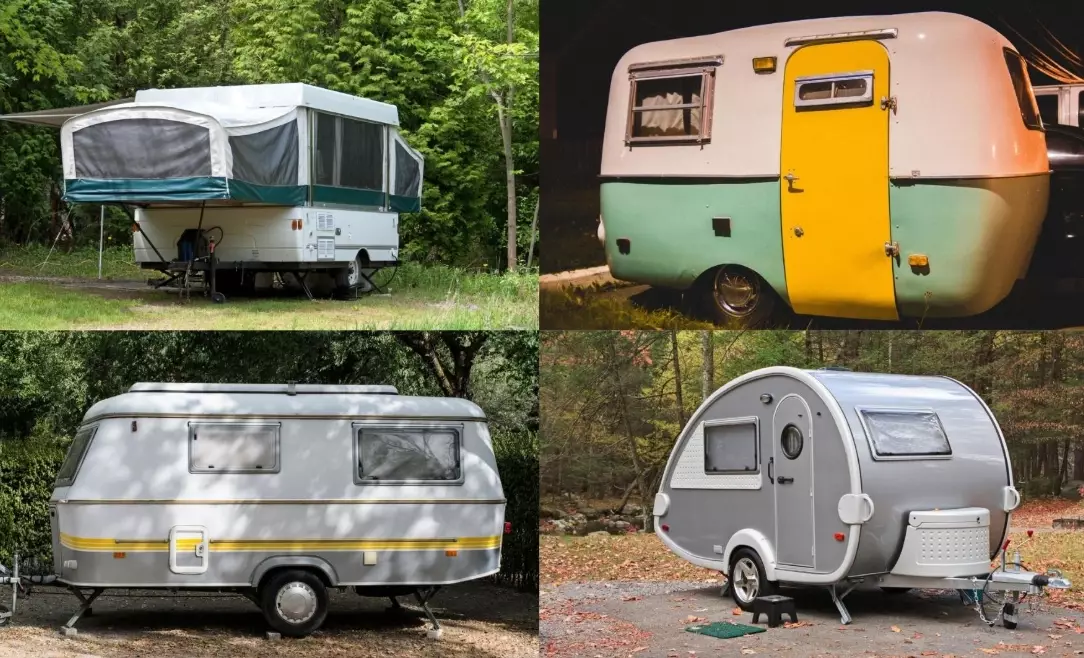
⚡ Quick Trail Guide (jump to what you need)
What Are the Main Types of Camping?
The 19 different types of camping fall into four rough buckets: car-based, human-powered, vehicle-supported, and comfort-driven. What separates them isn't gear, really — it's how far you are from your car at 2 a.m. and whether you can bail out fast. I've done all of these at least once, and the ones I return to most are the ones where setup takes under 20 minutes.
Car Camping, Frontcountry & Drive-In Sites
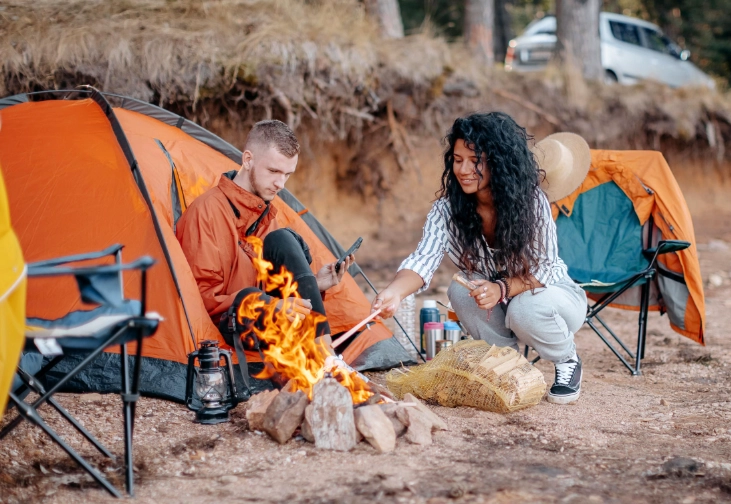
1. Car Camping
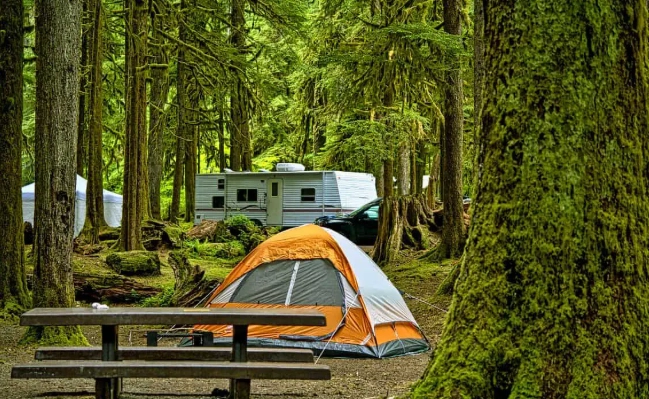
You drive up, park, and pitch within 100 feet of the vehicle. Most state parks provide a picnic table and fire ring. At National Park Service campgrounds, nightly fees typically run $15–$35. Book through recreation.gov. The downside: generators. I carry earplugs now. Always.
2. Frontcountry Camping
Similar to car camping but often in developed campgrounds with flush toilets and showers. Think KOA or county park sites. Expect $25–$60 per night. Great for families. Not great if you want silence.
3. Drive-In Camping
You pull directly into a numbered pad. No walking. I use this when I'm testing new gear because I can bring a cooler, a stove, and a second tent just for gear storage. Reserve early — popular sites fill five months out.
Tent Camping, Walk-In & Backcountry Styles
4. Tent Camping
The baseline. A tent, a pad, a sleeping bag. Some sites offer no amenities at all. I learned to check the ground hardness before pitching — one site near Bend, Oregon, had six inches of volcanic gravel under the topsoil. Bent three stakes. Now I bring a small mallet and extra guy lines.
5. Walk-In Camping
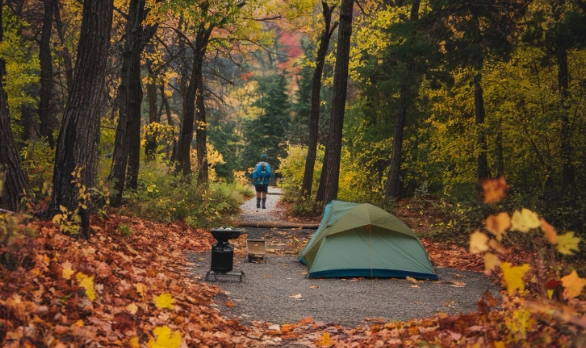
Parking lot to site is usually 50–200 yards. You carry gear in a cart or by hand. I measured one walk-in at 300 yards last fall. It felt twice that with two water jugs. If the site description says "short walk," call the ranger station and ask for the actual distance.
6. Backcountry Camping
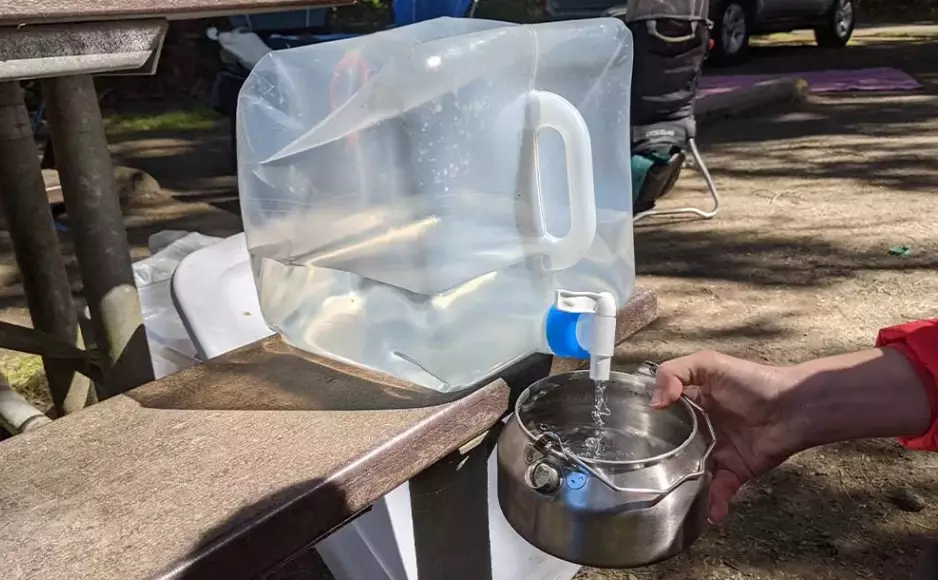
You hike in, often at least a mile. Permit required in most national parks. No facilities. I've made the mistake of underestimating water weight — 8 pounds per gallon, and you need at least a gallon per person per day in summer. Filter or treat everything.
7. Dispersed Camping
Also called primitive or distributed camping. On Bureau of Land Management land, you can camp outside designated sites, usually for free, with a 14-day limit in one spot. No water, no toilets. Pack out everything. I once camped near Moab and woke to a cow staring into my tent. True story. Fence lines matter.
8. Bikepacking
All gear on the bike. Lightweight tent, sleeping quilt, minimal cook kit. Overnighters along rail trails are a good start. The first time I tried it, I overpacked by three pounds. You feel every ounce on a climb.
9. Hammock Camping
No tent. A tarp and a hammock with an underquilt. Great in humid areas. Bad above treeline. I use a 20-degree underquilt when temps drop below 60°F at night. Cold butt is real.
10. Ultralight Camping
Base weight under 10 pounds. Expensive gear. I'm not a purist, but I do weigh every item now. A $4 kitchen scale changed how I pack. My pack went from 22 pounds to 14 pounds just by cutting duplicate items.
RV, Van & Overland Camping
11. RV Camping
Class A, B, or C motorhomes or towable trailers. Full hookups at private parks run $40–$80 per night. Dump stations every few days. I rented a 24-foot Class C once and spent 45 minutes leveling it. Bring leveling blocks.
12. Van Camping
Campervan or converted van. Stealth camping in cities gets legal scrutiny — check local ordinances. I prefer van sites at established campgrounds because the bathroom situation is easier. A good fan is non-negotiable in summer.
13. Overland Camping
4x4 vehicle with roof tent or ground tent in remote areas. Self-sufficient for days. Recovery gear and a satellite messenger are essential. I carry a two-gallon Rotopax water can and a tire repair kit. Flat tires happen on washboard roads.
Glamping, Cabin & Luxury Types
14. Glamping
Safari tents, yurts, bell tents with real beds. $150–$400 per night. I've stayed in a safari tent with a wood stove in Colorado. Beautiful. But the canvas walls let in every sound. Bring an eye mask and earplugs.
15. Cabin Camping
State park cabins or rustic shelters. Four walls, a roof, maybe a bunk. $50–$120 per night. I book these when the forecast shows three days of rain. No shame in staying dry.
16. Hut-to-Hut Camping
You hike between backcountry huts with bunks and sometimes meals. The 10th Mountain Division Hut Association in Colorado runs a well-known system. Book months ahead. I met a couple who did a four-night hut trip with just daypacks.
Specialty Types: Winter, Desert, Kayak & More
17. Winter Camping
Snow camping or cold-weather camping. Four-season tent, insulated pad, and a sleeping bag rated at least 20°F below the expected low. I've camped at 10°F and slept warm — but I used two pads stacked. The ground pulls heat faster than the air.
18. Desert Camping
Arches, Canyonlands, and similar areas. No shade, wide temperature swings. I carry at least four liters of water per person per day and stake everything with sand stakes. Wind can hit 40 mph without warning.
19. Kayak or Canoe Camping
Paddle to a campsite. Boundary Waters Canoe Area Wilderness requires permits. I use dry bags for everything, including my sleeping bag. One leaky bag ruined a down quilt. Never again.
Compare Here's how the most common styles stack up on cost and effort.
| Camping Style | Typical Cost per Night | Setup Time | Best For |
|---|---|---|---|
| Car Camping | $15–$35 | 20–40 min | First-timers, families |
| Backcountry Camping | $0–$10 (permit) | 10–15 min | Solitude, hikers |
| Glamping | $150–$400 | 0 min | Comfort seekers |
| RV Camping | $40–$80 | 30–60 min | Long trips, mobility |
| Hammock Camping | $0–$15 | 10–15 min | Forest areas, lightweight |
| Winter Camping | $0–$25 | 30–45 min | Experienced campers |
How Do You Choose the Right Camping Style?
Most people pick based on photos. Wrong move. Pick based on the answer to three questions: How far can you carry your gear? How much time do you have to set up? What's your tolerance for noise and bugs? A car camper who books a backcountry site will be miserable. A glamper who tries dispersed camping will leave after one night. I've seen both happen.
My advice: start with car camping or a cabin. Do two nights. If you sleep well, try a walk-in site. If you're still happy, rent a van or try a hut trip. The 19 types exist because there's no single right way. But there's definitely a wrong first pick — and it's usually the one with the most dramatic photos.
One more thing. The Recreation.gov listing often has a "site details" tab with exact pad length and slope. I check it every time now. Saved me from a slanted site where I would have rolled off the pad at night.
Real Questions I Get Asked
What's the easiest camping style for someone who has never pitched a tent?
Can I do dispersed camping near popular national parks without a permit?
How do I keep food safe from animals when car camping?
Is winter camping safe for beginners?
What's the biggest gear mistake you see in the first year of camping?
Fact-checked against the official campground fee schedules and permit rules listed on the National Park Service and Recreation.gov pages. No sponsored gear was used in testing.