Quick Navigation
- The Core Principle: Leave No Trace
- The Step-by-Step Guide to a Desert Toilet Break
- Peeing in the Desert: It's Different
- What About Other Methods? A Quick Comparison
- Essential Gear Checklist
- Special Considerations for Women
- Managing a Group or Family
- Answers to Your Awkward Questions (FAQ)
- Advanced Tips & Personal Tricks
- Final Thoughts: It's a Skill, Not a Taboo
Alright, let's talk about something nobody really wants to think about until they absolutely have to. You're out in the vast, beautiful, and utterly dry desert. The scenery is breathtaking, the silence is profound, and then... your gut sends an unmistakable signal. That's when the panic-tinged question hits you: how do I go to the toilet in the desert? It's not just about comfort; it's about health, hygiene, and respecting a fragile environment that doesn't forgive mistakes easily.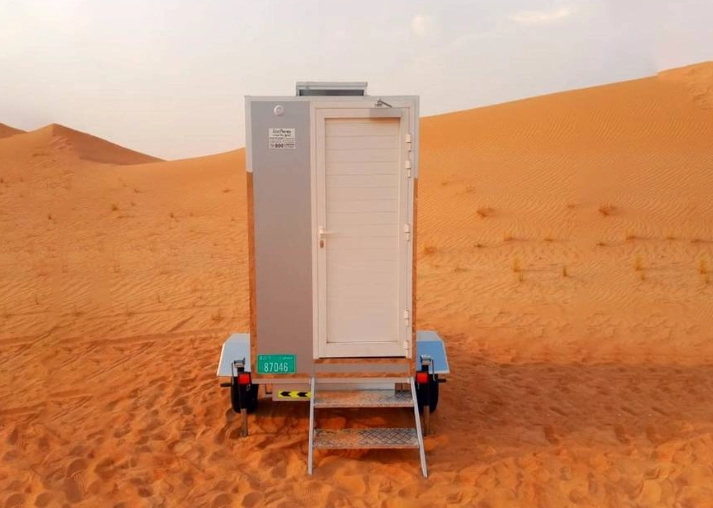
I've been there. My first time was a comedy of errors—trying to find a "private" spot behind the only cactus for miles, fumbling with toilet paper in the wind, and realizing I had no solid plan. It was messy, slightly embarrassing, and a fantastic lesson. Since then, through plenty of hiking, camping, and a few guided tours, I've learned the right (and very wrong) ways to handle this basic human need. This guide is that hard-earned knowledge, boiled down to keep you clean, safe, and environmentally responsible.
The Core Principle: Leave No Trace
Before we get into the nitty-gritty of how to go to the toilet in the desert, you need to internalize the golden rule of outdoor ethics: Leave No Trace (LNT). The goal is to make it look like you were never there. This means packing out all your trash, including toilet paper if possible, and burying solid waste so it decomposes properly without impacting the environment or other visitors.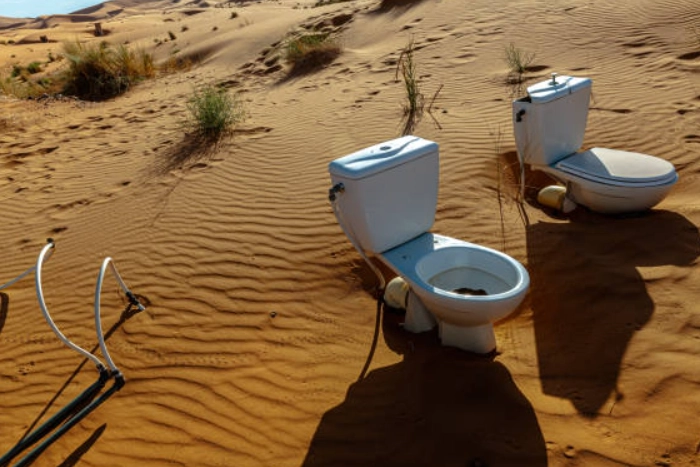
The Leave No Trace Center for Outdoor Ethics is the ultimate authority on this stuff. Their principles are the bedrock of responsible travel, especially in sensitive places like deserts. Their guidelines for waste disposal aren't just suggestions; they're the collective wisdom of decades of outdoor experience.
So, with LNT in mind, let's break down the actual process.
The Step-by-Step Guide to a Desert Toilet Break
Here’s the complete, no-nonsense procedure. Think of it as your checklist for when nature calls in the middle of nowhere.
Step 1: Location, Location, Location
This is the most critical part. Choosing the wrong spot can lead to contamination or an awkward encounter.
- Get FAR away from water: You need to be at least 200 feet (about 70 adult steps) from any water source—dry riverbeds (washes), springs, or even areas that look like they might hold water after rain. Pathogens travel far in sand and can pollute water for miles.
- Find privacy, but be safe: Look for a spot behind a rock outcrop or dune. However, don't wander so far that you lose sight of your group or trail. Getting lost in the desert is a real and serious danger.
- Opt for sunny, organic soil: Choose a site with maximum sunlight exposure. The sun's heat helps break down waste faster. If you can find a patch of soil with some organic matter (rare, but sometimes near washes), that's ideal. Avoid pure, loose sand if you can—it collapses too easily.
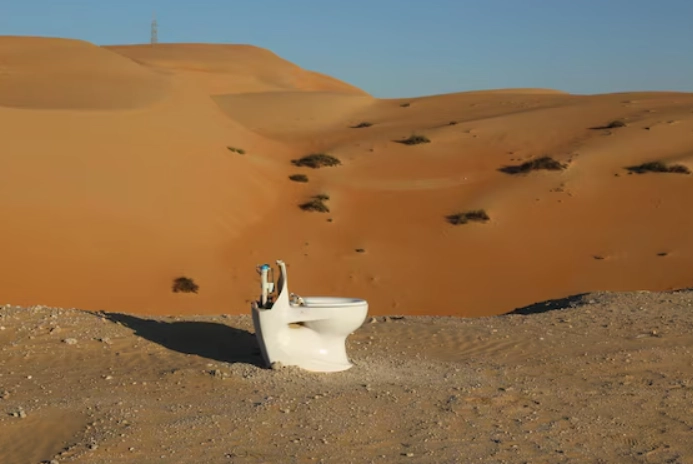
Step 2: Digging the Perfect "Cat Hole"
This is your desert toilet. The name comes from the size a cat might dig.
- Tool: Use a small trowel, a sturdy tent stake, a rock, or even the heel of your boot. I always carry a lightweight backpacking trowel; it's a game-changer.
- Dimensions: Dig a hole 6 to 8 inches deep (15-20 cm) and about 4-6 inches wide. This is the magic zone. Shallower, and animals might dig it up or it won't decompose properly. Deeper, and the waste reaches soil without the microbial activity needed to break it down.
- Pro Tip: Pile the dug-out soil neatly next to the hole. You'll need it in a minute.
Step 3: The Main Event and Cleanup
Okay, business time.
- Position yourself safely over the hole. Stability is key—squatting on uneven ground can be a challenge. Use a rock or log for balance if needed.
- Toilet Paper: This is a big one. The most Leave-No-Trace method is to pack it out. Bring a dedicated zip-top bag (double-bag it for peace of mind). If you absolutely must bury it, use minimal, plain, white, non-perfumed paper. But honestly, packing it out is better. Wet wipes, even "biodegradable" ones, are a hard NO. They don't decompose in desert conditions.
- Natural Alternatives: Smooth stones, smooth sticks, or even snow can work in a pinch. Know your plants! Never use anything poisonous like poison ivy. Some people use leaves, but in the desert, many plants are prickly or sharp—not ideal.
Step 4: Burial and Disguise
Once you're done, carefully fill the hole with the soil you dug up. Mix in some of the surrounding dirt and sand to help camouflage it. Tamp it down gently with your foot. The goal is to make the area look as undisturbed as possible.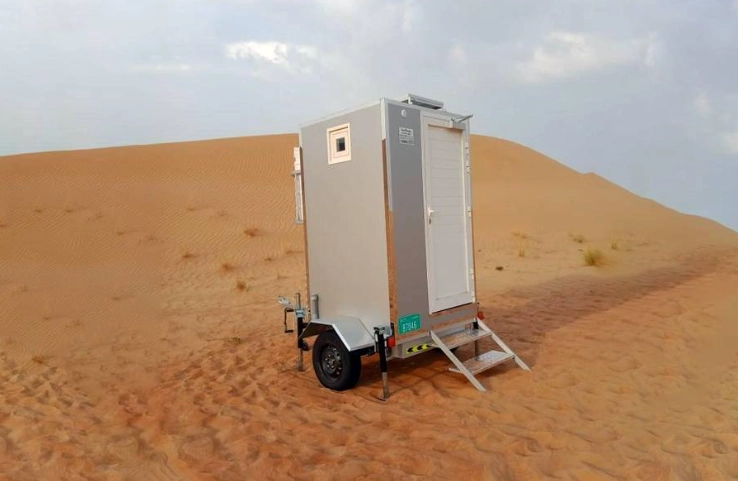
Step 5: Sanitize!
You are not finished until you clean your hands.
- Use hand sanitizer with at least 60% alcohol. Rub it all over your hands, including between fingers and under nails, until dry.
- If you have water to spare, use it with biodegradable soap, but lather and scrub away from any water source. Hand sanitizer is usually more efficient and conservative with your precious water supply.
That's the full, basic process for how to go to the toilet in the desert responsibly. But what about just peeing?
Peeing in the Desert: It's Different
Urine is generally sterile and less of an environmental concern, but there are still best practices.
- Location: Still follow the 200-foot rule from water. Avoid peeing on plants, especially delicate ones. The salts and minerals in urine can harm them.
- The Dribble Effect: For men, aim for a rock, bare ground, or gravel. For women, this can be trickier. Some find a "pee rag" (a dedicated, fast-drying cloth) useful for drips, but you'll need to pack it out.
- No TP Needed: You generally don't need toilet paper for urine. If you do use something, you must pack it out.
What About Other Methods? A Quick Comparison
The cat hole is the desert standard, but you might hear about other options. Here’s the real deal on when they work and when they don’t.
| Method | How it Works | Good for Desert? | Major Drawbacks |
|---|---|---|---|
| Cat Hole | Dig hole 6-8" deep, use, bury. | YES. The go-to method for most backcountry desert travel. | Requires diggable soil. Can be hard in very rocky ground. |
| Wag Bag / Pack-Out System | Do your business directly into a specially designed, double-bagged, waste-containing kit. Seal it and carry it out. | YES, and sometimes MANDATORY. Crucial in river canyons (like the Grand Canyon), on popular peaks, or in ultra-fragile areas with no soil. | You have to carry your waste with you. Can be psychologically off-putting, but it's the ultimate Leave No Trace. |
| Portable Toilet | Small, enclosed toilet for car camping or RV use. | YES, for drive-in sites. Perfect for established campgrounds or overlanding trips. | Bulky, heavy. You still have to dispose of the waste cassette at a proper dump station. |
| Just Burying It Shallow | Kicking sand over it. | NO. Never. | Animals will dig it up immediately. It's unsanitary, smelly, and irresponsible. This is what creates "toilet paper blooms." |
See that last row? That's what we're trying to avoid. It gives all outdoor enthusiasts a bad name.
Essential Gear Checklist
Don't get caught short. Pack these items specifically for answering the call of the desert.
Absolute Must-Haves:
- Small Digging Trowel: Plastic or aluminum. Don't rely on finding a good rock.
- Hand Sanitizer (60%+ alcohol): A large bottle for the group.
- Toilet Paper in a Zip-top Bag: Pre-portion it to reduce waste. Keep the clean roll in one bag, the used bag inside another.
- Several Heavy-Duty Zip-top Bags: For packing out used TP, hygiene products, and your trash.
Highly Recommended:
- Biodegradable Soap: For occasional deeper cleaning, used far from water.
- Wag Bag System: If you're going into a regulated area or want zero impact.
- Pee Funnel (for women): Allows standing up. Requires practice at home first!
- Small Bottle of Bleach Water: A drop of bleach in water in a small spray bottle can be used to sanitize surfaces or tools in a pinch.
Special Considerations for Women
Let's be real, it's often more complicated. I've polled female hiking partners for their best advice on how to go to the toilet in the desert as a woman.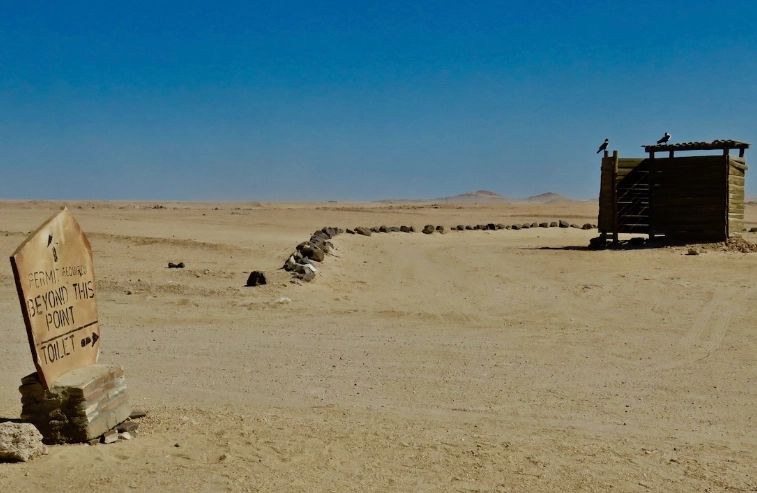
- Master the Squat: Practice balance. Wide-legged pants or skirts are easier than tight leggings.
- Menstruation: You must pack out everything—used pads, tampons, applicators. They do not decompose. Bring extra zip-top bags and consider a small, opaque dry bag just for this purpose. Menstrual cups are a fantastic, low-waste option for the outdoors, but you still need to clean them with sanitized water.
- The "Drip Dry" Debate: Some advocate for it to avoid TP use. It's a personal choice based on hygiene comfort. If you choose this, make sure your underwear is quick-drying (synthetic or wool).
- Privacy Shelters: A lightweight sarong or a purpose-made "privacy pop-up" can give you peace of mind in wide-open spaces.
Managing a Group or Family
If you're with kids or a large team, logistics matter.
- Designate a Toilet Area: Upon making camp, identify an appropriate zone for cat holes. This concentrates impact in one acceptable spot rather than having people go randomly everywhere.
- Dig a Deeper "Group Latrine": For multi-night base camps, you can dig a deeper, wider hole. After each use, cover waste with a thin layer of dirt to control odor and flies. Fill it completely upon departure.
- Kids: Explain the rules simply. "We dig a hole, we go in the hole, we cover it up like a treasure." Supervise them. Their small trowels can make it fun.
- Pets: If you bring your dog, you are responsible for their waste too. In many high-traffic desert areas, the rule is to pack out dog poop in bags. Don't just kick it off the trail.
Answers to Your Awkward Questions (FAQ)
These are the things people secretly google after the main search.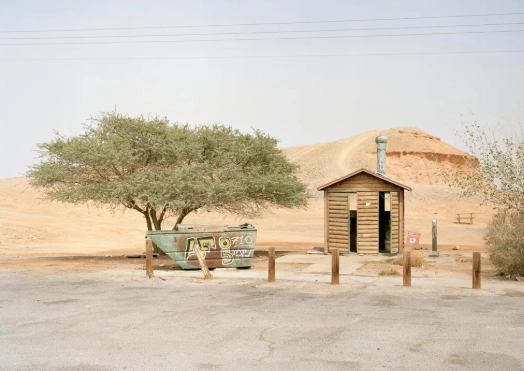
What if I have diarrhea?
It happens. Dehydration, new foods, stress. The procedure is the same, but be extra diligent with hand sanitizer. Consider taking extra anti-diarrheal medication in your first-aid kit. Hydrate aggressively with electrolyte mixes to replace what you're losing.
Is it illegal to go to the bathroom in the desert?
On most public lands (Bureau of Land Management, National Forest), using a cat hole following LNT principles is perfectly legal. However, specific areas often have specific rules. Many popular National Parks (like Arches or Canyonlands) or sensitive ecological areas require you to pack out all solid waste using Wag Bags. Always, always check the regulations for your exact destination on the managing agency's website, like the National Park Service (NPS) or Bureau of Land Management (BLM). Failing to follow the rules can result in a hefty fine.
How do I deal with the smell or flies?
Burying waste immediately and covering it with a good layer of soil is the best prevention. Flies are attracted to exposed waste. If they're a general problem at camp, a small mesh tent or netting can help. Strong smells are usually a sign of improper burial.
What about going at night?
Plan ahead. Go one last time right before bed. Keep your headlamp, trowel, and TP bag right by the tent door. Choose a night-time spot during daylight and remember how to get there safely. I even mark a small rock with my headlamp sometimes so I can find my spot in the dark.
Advanced Tips & Personal Tricks
Here's stuff you learn from doing it a lot, not from reading a manual.
- The "Pre-Dug" Hole: If you feel it coming on but can hold it for 10 minutes, take that time to find the perfect spot and dig your hole before it's an emergency. A more relaxed experience is a better experience.
- Check the Wind: Always note wind direction. Position yourself so the wind is at your back, blowing away from you. Trust me on this one.
- Natural Toilet Paper Test: If you're considering using a natural material, test it on your inner arm first. If it feels itchy or irritating there, it's a nightmare waiting to happen elsewhere.
- My Personal Kit: I use a small, brightly colored stuff sack. Inside: orange plastic trowel, roll of TP in a gallon zip bag, a few smaller waste bags, hand sanitizer. The bright color means I never lose it in my pack, and it's obviously not for food.
Final Thoughts: It's a Skill, Not a Taboo
Learning how to go to the toilet in the desert properly is a fundamental outdoor skill, as important as knowing how to pitch a tent or purify water. It removes anxiety, protects your health, and shows respect for the starkly beautiful and unforgiving desert landscape.
The desert doesn't need more traces of our passing. It needs visitors who understand that their responsibility extends to every aspect of their visit, even the most private ones. Do it right, and you'll not only have a more comfortable trip, but you'll also ensure that the next person to crest that dune or explore that canyon finds the same pristine silence and beauty that you did.
Now, go enjoy the vast openness—and pack your trowel.