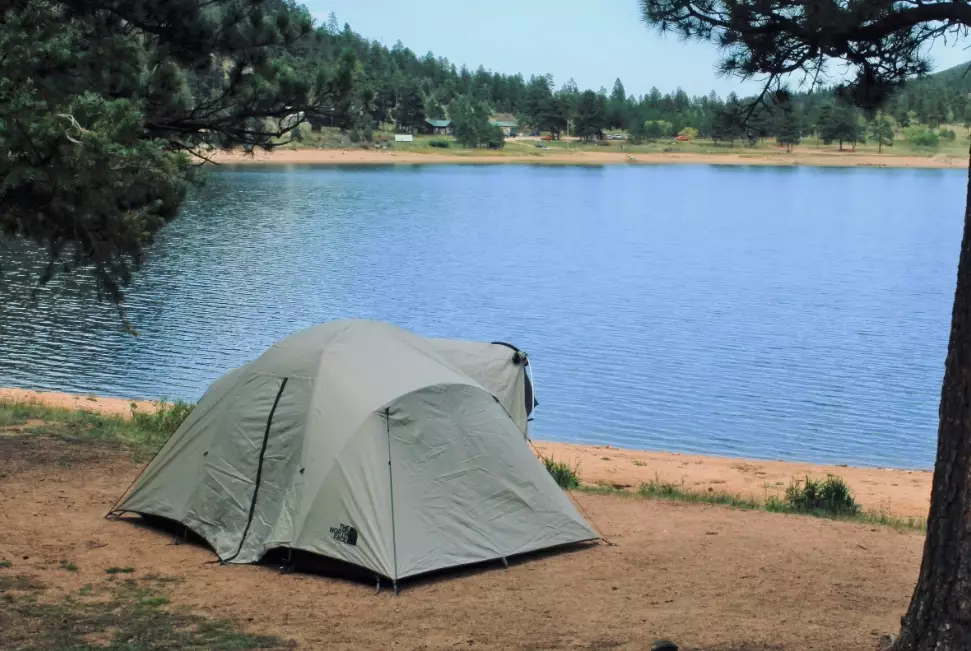
You know that feeling. You pull up to a popular campground, only to find every site booked months in advance. The sounds of neighboring generators and bright string lights replace the quiet you were seeking. If you've ever wanted to escape that, to find a spot that's truly yours under a blanket of stars without paying a nightly fee, then dispersed camping is your answer. Also known as boondocking, primitive camping, or dry camping, it's the practice of setting up camp outside of designated campgrounds on public lands. It's not just about saving money—it's about reclaiming a sense of solitude and adventure that's become rare.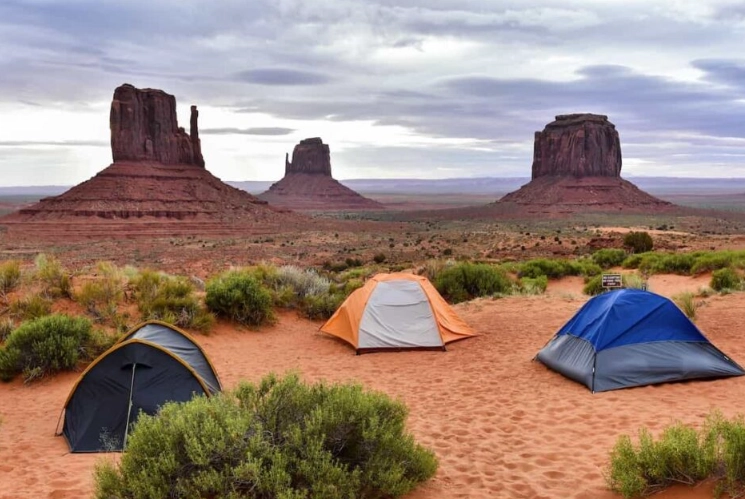
Your Quick Guide to Dispersed Camping
What Exactly Is Dispersed Camping?
Let's clear up the confusion first. Dispersed camping isn't just pulling over anywhere you fancy. It's camping on public land managed by agencies like the U.S. Forest Service (USFS) and the Bureau of Land Management (BLM), outside of developed campgrounds. Think of national forests, BLM desert lands, and some wildlife management areas. No picnic tables, no fire rings (unless you find an existing one you can safely use), no trash service, and usually no toilets. You're on your own, which is the whole point for many of us.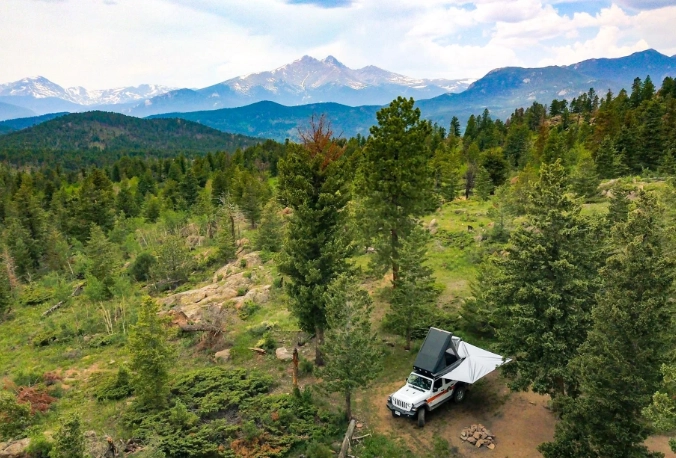
The biggest misconception? That it's a free-for-all. Each district has specific rules. Some areas are closed to protect wildlife or watersheds. Others have strict stay limits (commonly 14 days within a 28-day period). I learned this the hard way years ago in Colorado's San Juan National Forest, thinking I could post up for a month. A friendly ranger politely informed me of the 14-day rule and pointed me to another stunning valley just a few miles away where I could reset my clock.
How to Find Legal Dispersed Camping Areas
Finding a good spot is part of the adventure, but you need a strategy. Blindly driving forest roads at dusk is a recipe for a miserable night.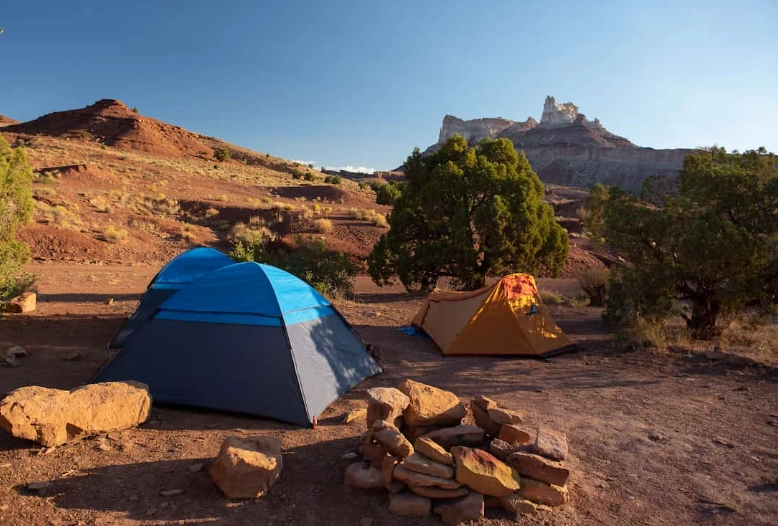
Here’s my field-tested method:
- Start with the Source: Go to the USFS or BLM website for the area. Look for the "Motor Vehicle Use Map" (MVUM). This is the legal document that shows every road where you can legally drive and, by extension, camp (usually within 100-150 feet of the road). The Avenza Maps app is fantastic for loading these georeferenced PDFs onto your phone for offline use.
- Scout Virtually: Use satellite view on Google Maps or Gaia GPS to look for obvious pull-offs, clearings, or existing fire rings along roads shown on the MVUM. Look for areas that aren't right on a cliff edge or in a dry creek bed.
- Have a Backup (or Three): Never set out with just one potential spot. Roads can be washed out, sites can be occupied, or an area might be temporarily closed. I always have 3-5 coordinates saved.
- Arrive Early: Aim to start looking for a site at least 2-3 hours before sunset. This gives you time to explore, evaluate, and move on if needed without the stress of setting up in the dark.
The Non-Negotiable Gear Checklist
Forgetting a sleeping pad at a developed campground is an inconvenience. Forgetting your water supply while boondocking is an emergency. Your gear list shifts from "comfort" to "survival and self-sufficiency."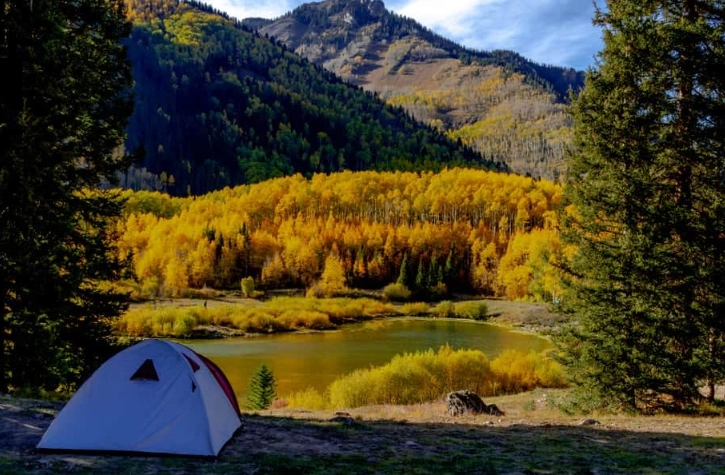
| Category | Essential Items | Why It's Critical |
|---|---|---|
| Water & Waste | Large water containers (5-7 gal minimum), water filter, portable toilet system (bag/waste kit), toilet paper, small shovel. | No water spigots. You must bring all you'll need for drinking, cooking, and cleaning. Pack out ALL waste in many areas—this includes human waste where required (like in alpine zones or near rivers). |
| Navigation & Comms | Detailed offline maps (Gaia GPS, OnX), paper map backup, fully charged power bank, satellite communicator (e.g., Garmin inReach). | Cell service is non-existent. A satellite messenger is not a luxury; it's your lifeline for emergencies. I've used mine twice to call for help for others on remote trails. |
| Vehicle & Recovery | Full-size spare tire, tire repair kit, air compressor, traction boards, tow strap, high-clearance recommended. | Forest service roads are rough. A flat tire or getting stuck miles from help is a major ordeal. Don't take a low-clearance sedan down a rocky two-track. |
A common mistake I see? People bring a 1-gallon jug for a weekend for two people. Between drinking, coffee, and rehydrating a meal, that's gone by the first evening. Plan for at least 2 gallons per person, per day. It sounds like a lot until you're rationing sips on a hot afternoon.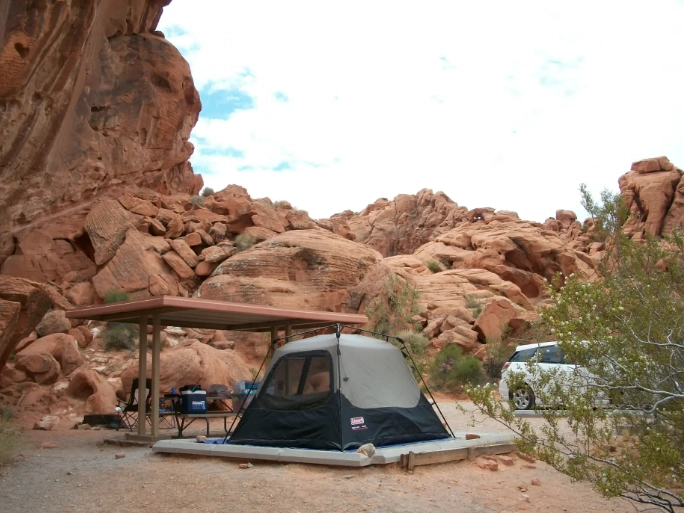
Unwritten Rules & Leave No Trace
This is where the community polices itself. Following these isn't just about being nice; it's about keeping these areas open for everyone.
- Camp on Durable Surfaces: Use existing sites. If you must create a new one, choose rock, gravel, dry grass, or forest duff—not living vegetation or soft soil near water.
- The 150-Foot Rule: Camp at least 150 feet (about 50 big steps) from any lake, stream, or trail. Protects water quality and other people's solitude.
- Fire Wisdom: Never assume fires are allowed. Check for current fire restrictions (call the ranger station). Use an existing fire ring if present. Keep fires small and drown them until they're cold to the touch—not just when the smoke stops. I carry a small solo stove as a reliable, low-impact alternative.
- No Trace Means NO Trace: This includes micro-trash like bottle caps, twist ties, and orange peels. Pack out more than you pack in. If you find trash from someone else, be a hero and take it too.
Where to Go: Top Public Land Regions for Dispersed Camping
While opportunities exist across the country, some public land systems are legendary for their dispersed camping access.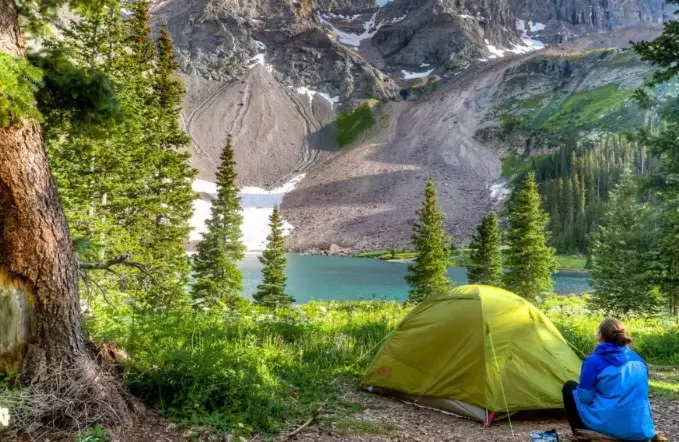
National Forests: The Go-To Choice
Most national forests allow dispersed camping unless posted otherwise. Some standout examples:
- Inyo National Forest (California): Gateway to the Eastern Sierra. Endless dirt roads off highways 395 and 168 lead to sites with jaw-dropping views of the Sierra Nevada. Bishop Creek area is a classic starting point.
- San Juan National Forest (Colorado): Around Durango and Silverton. The Alpine Loop Backcountry Byway offers high-altitude camping amidst old mining ruins. Check MVUMs carefully—some zones near Telluride have restrictions.
- George Washington & Jefferson National Forests (Virginia/West Virginia): Massive forest with hundreds of miles of fire roads. Great for East Coast campers seeking solitude without traveling out West.
Bureau of Land Management (BLM) Land: Desert Paradise
BLM land, prevalent in western states, is often more open and arid, with different rules. Queens Valley near Joshua Tree National Park is a famous example—a vast, free camping area just outside the park's crowded boundary. In Utah, the Gemini Bridges area near Moab offers countless sites among the red rocks, though they can fill up on weekends.
The vibe on BLM land is different. Distances are vast, trees are scarce, and the sun is relentless. Your shade and sun protection gear become as important as your tent.
Your Burning Questions Answered
Dispersed camping isn't for everyone. It requires more planning, more self-reliance, and a willingness to embrace uncertainty. But the reward is something you can't put a price on: true quiet, a night sky undimmed by lights, and the profound satisfaction of finding your own little piece of the wild. Start small, do your homework, and leave the place even better than you found it. The adventure is waiting just down that forest road.