I learned about hot weather camping the hard way. My first major trip was to a desert park in July, armed with enthusiasm and a standard three-season tent. By 10 AM, the tent was a sauna. By noon, my water was warm. By 3 PM, I had a pounding headache. It was miserable, and frankly, a little dangerous. That experience taught me that summer camping isn't just regular camping with more sunscreen. It's a different beast entirely, requiring a specific mindset and gear strategy.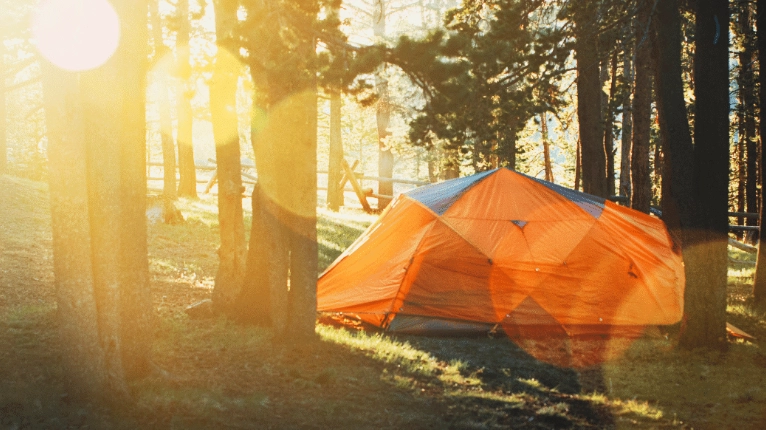
But here's the good news: once you understand the rules of the game, camping in hot weather can be incredibly rewarding. Empty trails, warm nights under the stars, and the unique challenge of thriving in the heat. This guide is everything I wish I'd known back then, compiled from a decade of figuring out how to stay cool when the mercury rises.
What's Inside This Guide?
- Choosing Your Campsite: Shade is Your Best Friend
- Your Hot-Weather Shelter: Tent Setup for Maximum Breeze
- Hydration and Heat Management: Beyond Just Drinking Water
- The Non-Negotiable Hot Weather Camping Gear List
- Your Daily Routine: From Dawn 'Til Dusk in the Heat
- Recognizing and Preventing Heat-Related Illnesses
Choosing Your Campsite: Shade is Your Best Friend
This is your first and most critical decision. A bad site choice can ruin your trip before you even unpack. Most people look for a flat spot. In summer, you need to think in three dimensions: elevation, orientation, and overhead cover.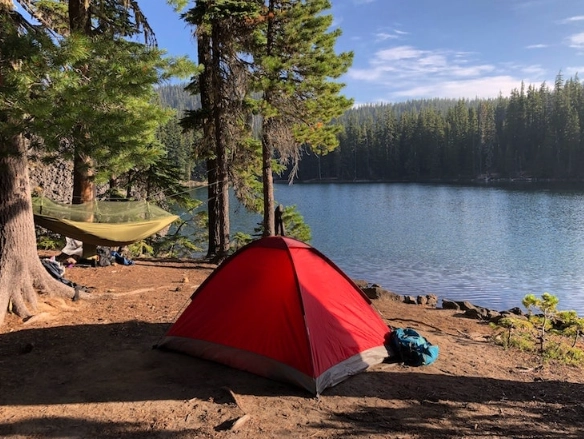
Let's say you roll into a campground at 2 PM. The sun is blazing. That perfectly flat, open site in the middle of the field? It's a heat trap. Walk the loop. Look for sites with mature trees on the west side. Why west? That's where the brutal afternoon and evening sun comes from. A thick stand of trees there will give you hours of crucial afternoon shade.
If you're in a canyon or near hills, understand the sun's path. A east-facing slope gets morning sun but afternoon shade. A west-facing slope bakes all afternoon. I once camped in a narrow valley that didn't see direct sun until 11 AM but stayed cool until almost noon—it was perfect for sleeping in.
Proximity to water is a double-edged sword. A lakeside spot might promise a breeze, but it also promises mosquitoes. A creek provides soothing white noise and a place to cool your feet, but the air can be more humid. In arid climates, near water is golden. In humid climates, prioritize breeze over water access.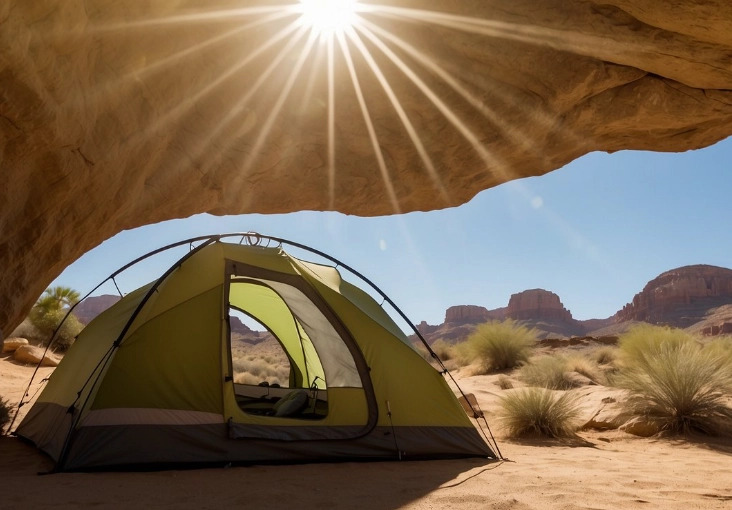
Your Hot-Weather Shelter: Tent Setup for Maximum Breeze
Your tent is your microclimate. Most three-season tents are designed to retain heat. For summer, you need one that excels at ventilation.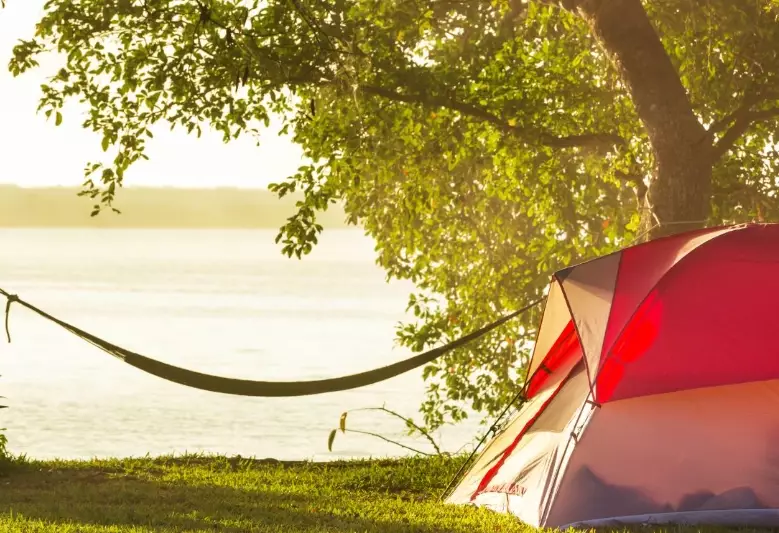
Tent Features That Actually Matter in the Heat
Mesh, Mesh, and More Mesh: Look for a tent with large mesh panels, especially on the roof and the side opposite the door. This creates a chimney effect, allowing hot air to escape. A full mesh inner tent is ideal.
Rainfly Strategy: In dry, hot climates, you might not need the rainfly at all. Stargazing from your sleeping bag is a summer luxury. If dew or a chance of rain is forecast, use the fly but only clip on the corners, leaving the sides elevated. This provides a rain cover while maintaining 360-degree airflow underneath.
Footprint Placement: Skip the footprint if the ground is dry. The tent floor itself provides a barrier, and not using a footprint eliminates one insulating layer between you and the cooler ground.
Alternative Shelter: The Hammock Advantage
In wooded areas, a hammock is arguably the best hot-weather shelter. You're suspended in the air, with breeze on all sides. No conductive heat from the ground. Setup a lightweight tarp high above it for shade, and you have a floating, cool sleeping pod. The learning curve is real (side sleeping, diagonal lay), but for heat management, it's hard to beat.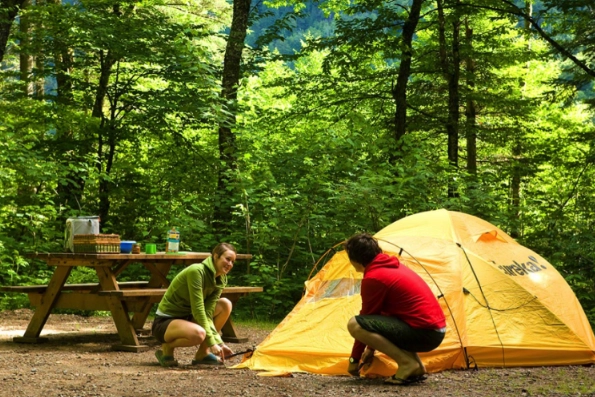
Hydration and Heat Management: Beyond Just Drinking Water
You know you need to drink water. Everyone says that. The trick is how and what you drink.
Electrolytes are Not Optional: Drinking plain water in excess without replacing salts (sodium, potassium, magnesium) can lead to hyponatremia, a dangerous condition where your blood sodium gets too diluted. You're sweating out these minerals constantly.
My system is simple: one regular water bottle, and one bottle with an electrolyte mix. I sip from both throughout the day. Don't like sugary sports drinks? Use electrolyte tablets or powders with no artificial colors. Coconut water is a great natural alternative.
The Pre-Hydration Ritual: Start drinking extra water the day before your trip. Going into a hot environment already hydrated is a massive advantage.
Cooling from the Outside:
Your body cools itself by sweating, and that sweat needs to evaporate. Help it.
- Damp Bandana: Keep a bandana soaked in water around your neck. The major blood vessels there help cool your blood as it circulates.
- Misting Bottle: A small spray bottle filled with water is a luxury that feels like a necessity. A fine mist on your face, arms, and legs provides instant, evaporative relief.
- Wrist and Ankle Soaks: Dunking your wrists and ankles in cool creek water for a minute can lower your core temperature surprisingly fast.
The Non-Negotiable Hot Weather Camping Gear List
Forget your heavy base layers. Summer camping demands a lightweight, moisture-wicking, and sun-protective kit.
| Gear Category | Specific Item & Why It's Critical | Common Mistake to Avoid |
|---|---|---|
| Sleeping System | Sleeping Bag Liner (Cotton or Silk): Ditch the bag. Use just a liner. Or use a lightweight down quilt opened fully as a blanket. The goal is to have something over you for psychological comfort and bug protection, but with zero insulation. | Bringing a 30°F bag "just in case." It will guarantee a sweaty, miserable night. |
| Sleeping Pad | Uninsulated Air Pad: Pads with high R-values (insulation) are for cold. In heat, you want the opposite. A basic, uninsulated air pad (R-value ~1-2) isolates you from ground bugs and roughness while allowing conductive cooling from the earth. | Using a self-inflating foam-core pad. It's an insulator and will keep ground heat in. |
| Clothing | Light-Colored, Loose-Fitting, Long-Sleeved Sun Shirt: This is counterintuitive but vital. A good sun shirt (like those from fishing brands) wicks sweat, blocks UV rays, and keeps you cooler than exposed skin baking in direct sun. Add a wide-brimmed hat. | Thinking a cotton t-shirt is fine. It gets soaked, sticks to you, and offers poor sun protection. |
| Cooling Tech | Portable Battery Fan: A small USB fan is a game-changer for inside the tent or at the picnic table. It moves air, prevents stuffiness, and makes naps possible during the day. | Relying on natural breeze alone. On still, humid nights, a fan is the difference between sleep and staring at the tent ceiling. |
| Hydration | Insulated Water Bottle (64 oz): A large, vacuum-insulated bottle keeps your drinking water cool for 24+ hours. Fill it with ice and water in the morning, and you'll have cold water all day and night. | Using a single, small plastic bottle that warms up in 20 minutes. |
Your Daily Routine: From Dawn 'Til Dusk in the Heat
Animals in the desert are crepuscular—active at dawn and dusk. You should be too. Structure your day around the sun, not the clock.
5:30 AM - 10:00 AM: Prime Time. This is when you hike, explore, break camp, or set up camp. The air is cool, the light is beautiful. Get your major physical activity done now.
10:00 AM - 4:00 PM: Siesta Zone. The sun is at its peak. This is time for rest. Retreat to your shaded campsite. Read in a hammock, play cards, filter water, or nap. Do low-energy tasks. This is not the time for a summit attempt.
4:00 PM - Sunset: Evening Revival. As the angle of the sun lowers, activity can resume. Take a short hike, swim, cook dinner, gather firewood.
After Dark: Recovery. The ground and air release stored heat. It might still feel warm. This is when your ventilation strategy pays off. Lie still, let your fan circulate air, and allow your body temperature to drop naturally for sleep.
Recognizing and Preventing Heat-Related Illnesses
This isn't scare-mongering; it's essential knowledge. Heat illness is a spectrum.
Heat Cramps: Painful muscle spasms, usually in legs or abdomen, from salt loss. Action: Stop activity. Rest in a cool place. Drink an electrolyte solution. Gently stretch and massage the muscles.
Heat Exhaustion: More serious. Heavy sweating, cold/clammy skin, fast but weak pulse, nausea, headache, dizziness, fatigue. Action: This is a stop-now signal. Move to a cool place immediately. Loosen clothes. Sip cool water or electrolytes. Apply cool, wet cloths to the body. If vomiting occurs or symptoms worsen within an hour, seek medical help.
Heat Stroke: MEDICAL EMERGENCY. This is life-threatening. Core body temperature exceeds 104°F. Key sign: hot, red, dry or slightly moist skin. Confusion, slurred speech, loss of consciousness, seizures. Action: Call emergency services immediately. Move the person to a cool place. Use whatever means possible to cool them rapidly—immerse in cool water, spray with a hose, fan while misting, apply ice packs to neck, armpits, and groin. Do NOT give them fluids if they are not fully conscious.
The subtle mistake? People think heat stroke happens suddenly. It usually progresses from exhaustion. If someone says they feel off, believe them and act. Pushing through is how tragedies happen.
Your Hot Weather Camping Questions, Answered
What's the biggest mistake first-timers make when camping in extreme heat?
Underestimating the sun's power in the morning and late afternoon. They'll cover up at noon but hike in a tank top at 9 AM or 5 PM, still getting hours of intense UV exposure. Sunburn drains your energy and dehydrates you. Sun protection needs to be an all-day protocol, not just a midday thought.
Can I use a regular sleeping bag for hot weather camping?
Probably not. Most three-season bags are too warm. The best move is to use a lightweight, packable blanket or a simple sleeping bag liner. If you must use a bag, get one rated for 50°F or higher and completely unzip it, using it like a quilt. The goal is to have a barrier against bugs and the "chill" of 75°F night air, not insulation.
Is desert camping or humid forest camping more challenging in the heat?
They present different challenges. Desert heat is dry and intense, but shade provides dramatic relief and nights cool down significantly. The danger is rapid dehydration and sun exposure. Humid heat is oppressive; the air is saturated, so your sweat doesn't evaporate well, making it harder for your body to cool itself. Nights stay muggy. Humidity often feels more physically draining, while dry heat can be more deceptive and dangerous for hydration.
How do I keep food and drinks cool without a cooler full of melted ice?
Embrace non-perishables for most meals. For a few key items (butter, cheese, a treat), use a high-quality cooler with a pre-chilling ritual: chill the cooler itself with ice water for 30 minutes before packing. Use block ice instead of cubes—it lasts 3-4 times longer. Keep the cooler in the deepest shade possible, covered with a blanket or sleeping pad for extra insulation. Open it only once or twice a day.
Are there any specific first-aid kit items for hot weather?
Absolutely. Beyond the basics, add electrolyte powder packets, extra-strength anti-chafing balm (like Body Glide), a larger supply of ibuprofen (for heat headaches), and a chemical cold pack. A small thermometer can also be useful if you suspect someone is overheating. Re-evaluate your sunburn treatment supplies—make sure you have enough aloe vera gel or a good burn cream.
Camping in hot weather reshapes your relationship with the outdoors. You become more attuned to the sun's path, the value of shade, and the simple pleasure of a cool breeze. It teaches preparedness and patience. With the right knowledge—not just what to pack, but how to think and schedule your day—you can trade suffering for satisfaction. You can find comfort and adventure even when the temperature soars. Now, go find that shady spot, sip some cool water, and enjoy the summer solitude.