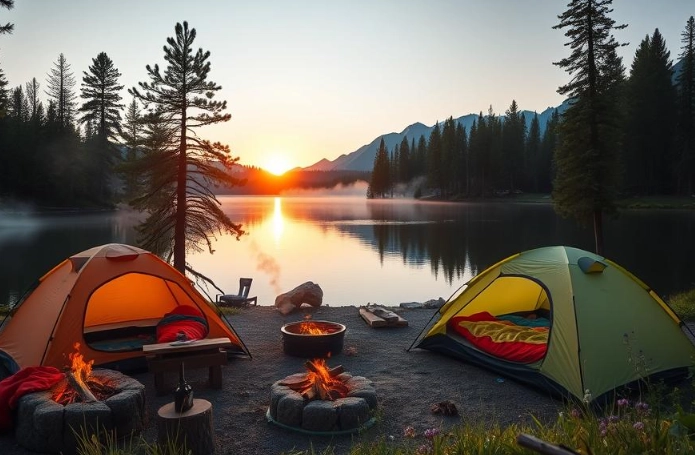
You know that feeling when you finally get to your campsite, the tent is up, and you just... stop? The city noise is gone, replaced by wind in the trees. Your phone has no bars. For the first time in weeks, your brain isn't being pinged by notifications. This is the perfect moment—not just for a campfire, but for something deeper. This is the moment for camping meditation.
It's more than just sitting quietly outdoors.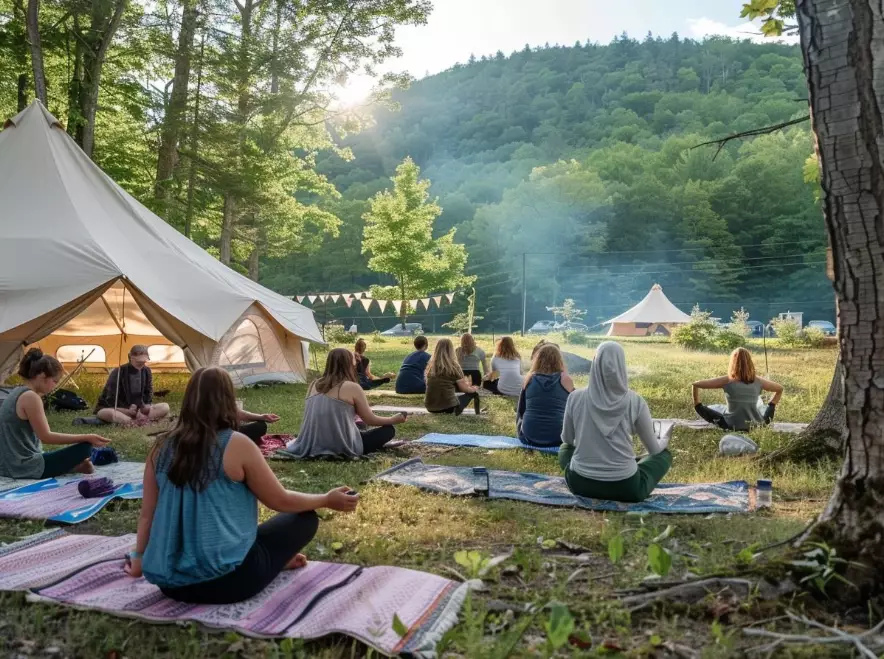
Camping meditation is the intentional practice of using your time in nature to cultivate mindfulness and inner quiet. It leverages the inherent peace of the wilderness to supercharge your meditation practice, making it easier to drop in and harder to get distracted. Forget the sterile silence of a meditation app at home. Here, your anchor isn't a digital bell, but the sound of a creek, the smell of pine, the feeling of cool earth beneath you.
What's Inside This Guide
- Why Meditate While Camping? (It's Not Just Zen)
- How to Start Camping Meditation: A No-Fluff Plan
- Choosing Your Meditation Spot in Camp
- Meditation Postures That Actually Work on the Ground
- Facing Common Challenges: Bugs, Cold, and a Wandering Mind
- Taking It to the Next Level: Movement and Deep Listening
- Your Camping Meditation Questions Answered
Why Meditate While Camping? (It's Not Just Zen)
Sure, it sounds peaceful. But the benefits are concrete and backed by more than just good vibes. Research from sources like the American Psychological Association highlights how nature exposure reduces stress hormones, while meditation improves focus. Combine them, and you get a synergistic effect.
Think about your last camping trip. Remember how vivid everything felt? The colors greener, the air sharper? That's because you were already more present. Camping strips away the usual distractions—the commute, the inbox, the Netflix queue. Your mind, freed from that clutter, is primed for mindfulness. Adding a structured meditation practice simply directs that natural openness.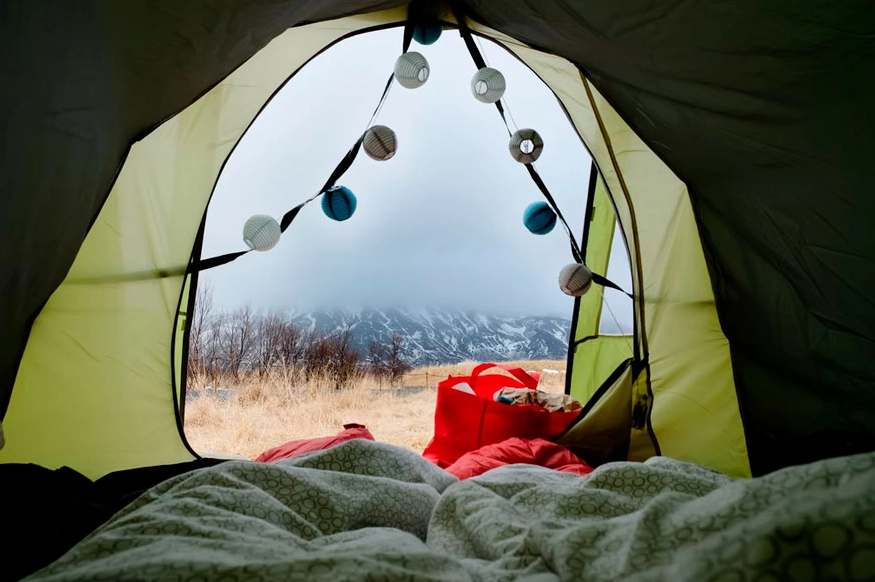
You're not trying to replicate a studio session. You're learning to meditate with the environment, not in spite of it. This trains a more resilient, adaptable form of mindfulness that you can actually take home.
How to Start Camping Meditation: A No-Fluff Plan
Overcomplicating this is the biggest mistake. You don't need special gear or 20 years of experience. You just need a plan. Let's break it down for a typical weekend trip.
The Pre-Trip Mindset Shift
Before you even pack the car, decide that meditation will be a part of this trip. Not an "if I have time" thing, but a core activity, like hiking or cooking dinner. Mentally slot it in. I personally view it as the most important item on my camping itinerary—the thing that makes the rest of the trip richer.
Your First Session: A Simple Structure
Try this on your first morning after waking up.
- Minute 1-2: Get settled. Find a comfortable seat (more on that below). Close your eyes or soften your gaze. Take three deep breaths, feeling your lungs expand fully.
- Minute 3-5: Tune into sounds. Don't label them ("bird," "wind"). Just listen to the raw texture, the pitch, the volume. Let them wash over you. When your mind wanders to your to-do list, gently bring it back to the current sound.
- Minute 6-8: Shift to bodily sensations. Feel the ground supporting you. The temperature on your skin. The air moving in and out of your nostrils.
- Minute 9-10: Expand your awareness. Try to hold both the sounds and the bodily sensations at once. Sit in this full experience of being here, now, in this place.
- Finish: Gently wiggle fingers and toes. Open your eyes. Take one more deep breath before moving slowly into your day.
That's it. Ten minutes. The key is consistency—doing a short session each day of your trip is far better than one agonizing hour-long attempt.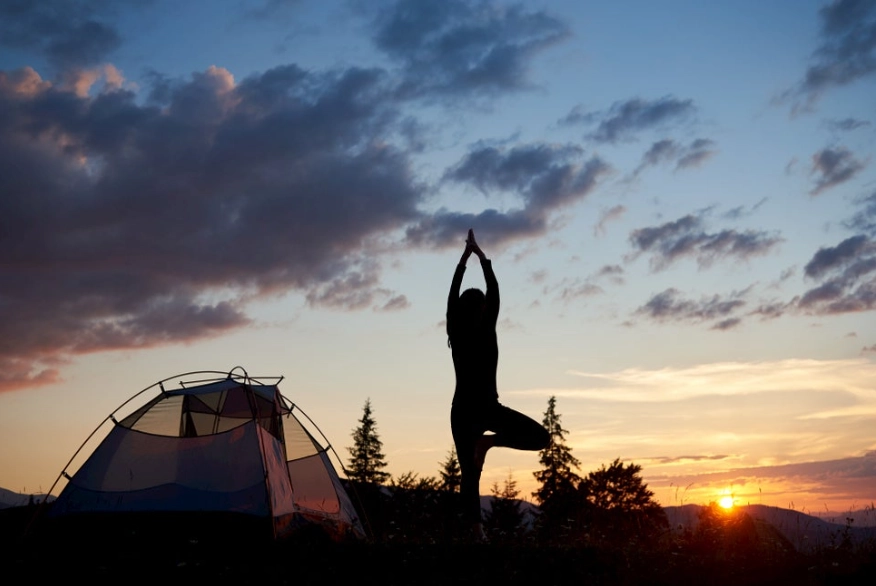
Choosing Your Meditation Spot in Camp
Location matters, but not in the way you might think. You don't need a perfect mountain vista. You need a practical, semi-private spot that minimizes frustration.
| Spot Type | Pros | Cons & Tips | Best For |
|---|---|---|---|
| By Your Tent Door | Ultra-convenient, private, familiar ground. | Can feel cramped. Make sure you're on a flat patch, not a slope. | Beginners, rainy days, quick morning sessions. |
| On a Picnic Table Bench | Off the ground, good back support. | Can be public in shared campsites. Sit sideways if the table is fixed. | Those with knee/hip issues, campsite meditations. |
| A Nearby Fallen Log or Rock | Feels more "in nature," stable seat. | Check for ants and splinters! Test stability first. | Intermediate practitioners wanting immersion. |
| A Quiet Spot on the Trail | Serene, fully immersive experience. | Tell someone where you're going. Be aware of wildlife. Not for deep relaxation meditations. | Shorter, focused sessions during a hike. |
My go-to? I scout for a spot 30-50 feet from camp, just out of sightline. It creates a small, intentional journey to my "sit spot," signaling to my brain that it's time to shift gears.
Meditation Postures That Actually Work on the Ground
Forget the perfect lotus pose. Comfort is king here. If you're in pain, you won't meditate.
- The Simple Cross-Legged Sit: Use your folded sleeping pad or a cushion from camp chair for extra padding under your sit bones. This elevates your hips, making it easier to keep your spine straight.
- Sitting Against a Tree: Excellent back support. Find a tree with comfortable bark. You can even lean your sleeping pad against it first.
- Lying Down (Savasana Style): Great for body scans or stargazing meditations. Use your sleeping pad. The risk? Falling asleep. If that happens, no big deal—you probably needed it.
- On a Camp Chair: Seriously, this is totally valid. Feet flat on the ground, hands on thighs, spine away from the backrest. The goal is mindfulness, not acrobatics.
Facing Common Challenges: Bugs, Cold, and a Wandering Mind
This is where theory meets reality. You will get distracted.
The Bug Problem: A single mosquito can derail a saint. Apply insect repellent before you sit down. Wear long, light layers. If one lands on you during meditation, try noting the sensation without immediately swatting. It's advanced practice, but sometimes they just leave. If it's biting, calmly brush it away and return to your breath. Don't make it a battle.
Temperature: You get cold fast when sitting still. Dress in one more layer than you think you need. A light beanie is a game-changer, as we lose lots of heat through our head. For hands, sit with them tucked under your thighs or in pockets.
The Real Distraction: Your own mind planning the day's hike, or worrying if you packed the coffee. This is normal. Every time you notice it, acknowledge it ("ah, there's planning") and gently guide your attention back to your chosen anchor—the sound of leaves, your breath. This act of noticing and returning is the practice. It's not failure.
Taking It to the Next Level: Movement and Deep Listening
Once you're comfortable with seated practice, integrate mindfulness into other camping activities.
Mindful Walking: On a short, safe section of trail, walk incredibly slowly. Feel the lift, move, and place of each foot. Notice the shifting balance. It feels awkward at first, then profoundly calming.
Fire Gazing Meditation: After dark, let the flames be your focus. Watch the colors, shapes, and constant movement without narration. This is a ancient, hypnotic form of meditation.
Deep Listening ("Sound Mapping"): Sit quietly and mentally map all the sounds you hear, from the loudest (wind) to the most subtle (insect buzz). Try to identify their direction and distance. This sharpens your senses and roots you deeply in the place.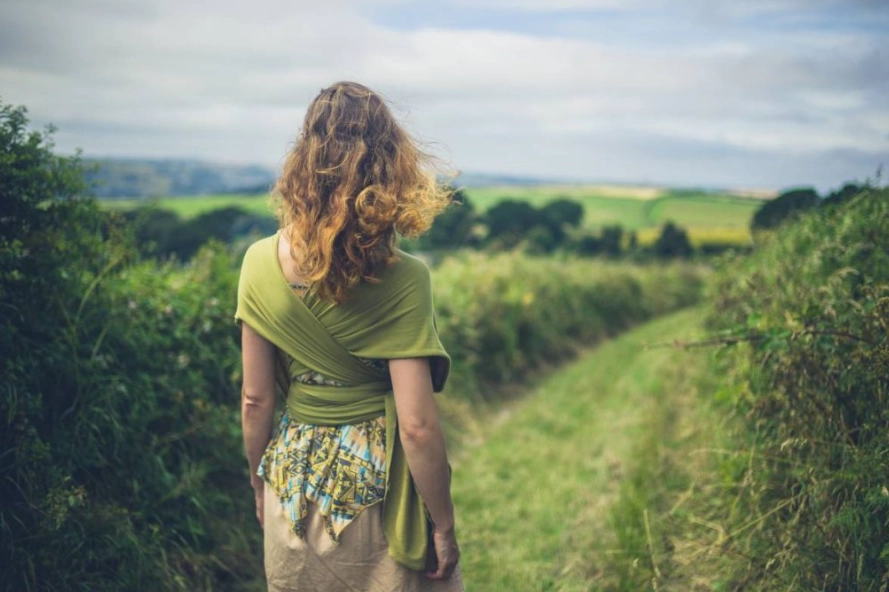
Your Camping Meditation Questions Answered
 How do I deal with other campers or my family interrupting me?
The true value of camping meditation isn't measured in perfectly silent minutes. It's in the lingering feeling you bring home—a sense of space in your mind, a deeper connection to the natural world, and the proven knowledge that you can find a moment of peace anywhere, even if your next "campsite" is just a city park on your lunch break. Pack your gear, find your spot, and take a seat. The forest is waiting to guide you.