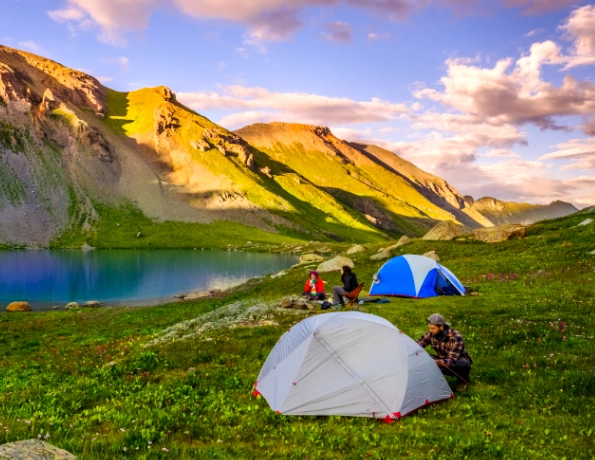
I woke up to the sound of water lapping against the shore, the mist rising off the lake like a ghost. That was my first time camping near Lake Tahoe, and it hooked me for life. But I also spent half the night swatting mosquitoes because I didn't pack repellent. Lakeside camping offers serenity and adventure, but it's not just about pitching a tent by the water. You need to know where to go, what to bring, and how to stay safe.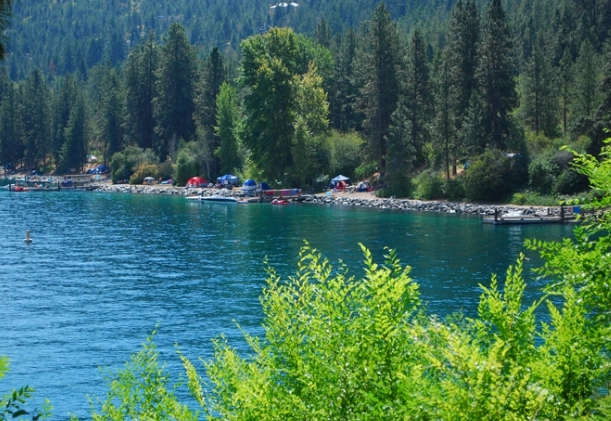
What You'll Find in This Guide
Why Camp Near Lakes?
Camping near lakes isn't just a pretty view. It's about access to water activities, cooler temperatures, and wildlife sightings. But here's something most guides don't mention: lakes can create microclimates. I learned this the hard way at Crater Lake—days were warm, but nights dropped to freezing because the water reflected cold air. Always check local weather reports, not just regional ones.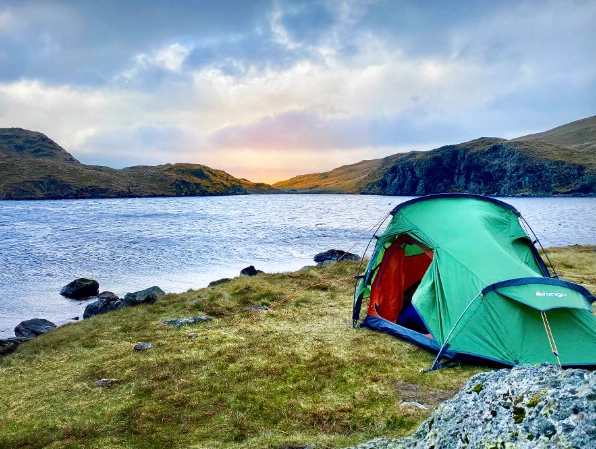
Lakes offer fishing, kayaking, and swimming right at your doorstep. According to the National Park Service, lakeside campsites are among the most booked, so planning ahead is crucial. The tranquility? Unbeatable. But you trade that for potential bugs and humidity.
Pro tip: If you hate crowds, avoid popular lakes on weekends. Try mid-week trips or off-season visits. I once camped at Lake Superior in late September—no bugs, fewer people, and stunning fall colors.
How to Choose the Perfect Lake for Camping
Picking a lake isn't just about the prettiest photo. Consider these factors:
- Accessibility: Can you drive to the campsite, or is it hike-in only? For families, drive-in sites near lakes like those in state parks work best.
- Activities: Want to fish? Check if the lake allows it and what permits you need. Some lakes ban motorboats, which affects noise levels.
- Season: High-altitude lakes freeze early. I made the mistake of camping near a mountain lake in October—woke up to ice on my tent.
- Regulations: Many lakes have strict rules about fires or waste disposal. Always review the official website, like the U.S. Forest Service pages, before going.
Here's a non-consensus point: don't just rely on online reviews for water quality. Algae blooms can appear suddenly. Call the local ranger station—they'll give you the real-time scoop.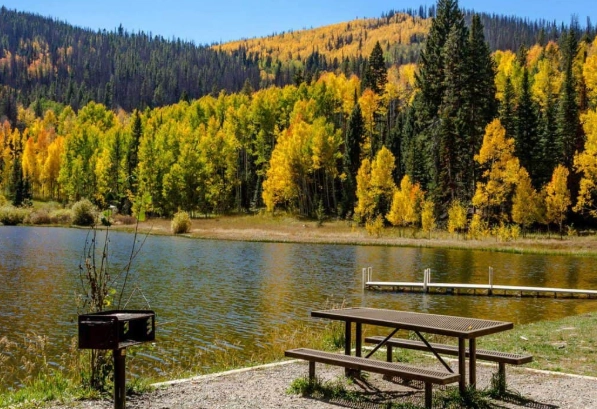
Essential Gear for Lakeside Camping
Your standard camping kit needs upgrades near water. I've forgotten items and paid the price.
Must-Have Items
- Waterproof tent with a rainfly: Lakes mean moisture, even if it doesn't rain. A friend used a cheap tent and woke up soaked from dew.
- Bug repellent and netting: Mosquitoes love lakeshores. I prefer picaridin-based sprays—they last longer than DEET and don't melt gear.
- Water shoes: Rocky or muddy shores can hurt your feet. Old sneakers work, but dedicated water shoes dry faster.
- Dry bags: Keep electronics and clothes dry during kayaking or sudden storms. A 20-liter bag is versatile.
Often Overlooked Gear
Most campers bring a first-aid kit, but near water, add waterproof matches and a signal whistle. If you fall in, hypothermia is a real risk. Pack extra socks—wet feet ruin trips.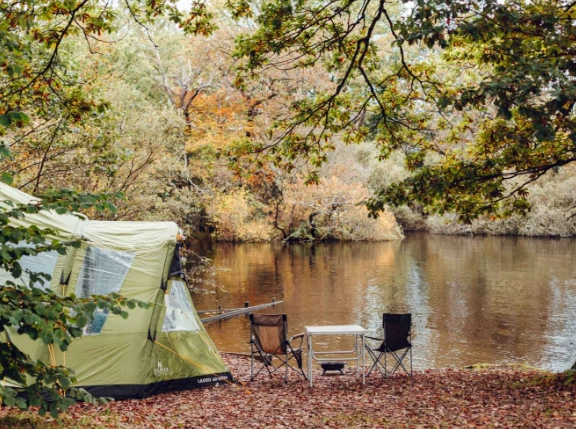
For cooking, a portable stove beats fire pits, which might be banned during dry seasons. Check REI's camping checklist for more ideas, but tailor it to lakes.
Top 3 Lakes for Camping in the US
Based on my trips and camper feedback, here are three standout lakes with details to plan your visit.
| Lake | Location | Best Time to Visit | Campsite Fees | Key Features |
|---|---|---|---|---|
| Lake Tahoe (Nevada/California) | Nevada Beach Campground, 1 Nevada Beach Rd, Stateline, NV | June to September | $35-50 per night | Clear water, hiking trails, boat rentals. Reservations required via Recreation.gov. |
| Crater Lake (Oregon) | Mazama Campground, Crater Lake National Park, OR | July to early October | $30 per night | Deep blue lake, volcanic views, ranger programs. Access via Highway 62. |
| Lake Superior (Minnesota) | Split Rock Lighthouse State Park, 3755 Split Rock Lighthouse Rd, Two Harbors, MN | May to October | $23-35 per night | Rocky shores, lighthouse tours, cold water swimming. Drive-in sites available. |
Each lake has its vibe. Tahoe gets crowded—book months ahead. Crater Lake's elevation (7,000 feet) means thin air; acclimate slowly. Lake Superior's water is frigid even in summer; wear a wetsuit for swimming.
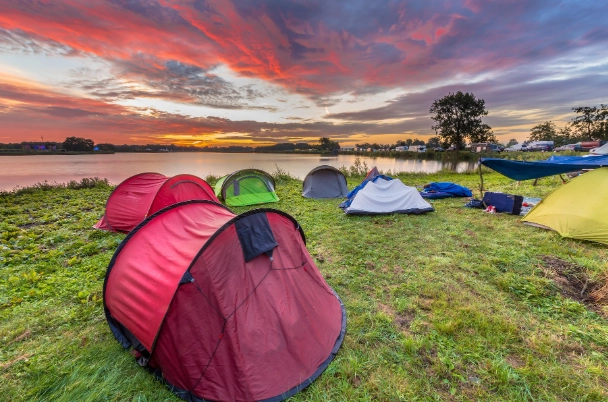
Safety Tips for Camping Near Water
Water adds risks. Drowning, wildlife encounters, and weather changes are real.
- Supervise kids constantly: Lakeshores can drop off suddenly. Designate a "water watcher" if you're with a group.
- Check water conditions: Currents or undertows exist in large lakes. Look for posted signs or ask rangers.
- Wildlife precautions: Bears and raccoons are attracted to food near water. Use bear-proof containers, not just hanging bags. At Lake Superior, I saw a raccoon open a cooler—lesson learned.
- Weather awareness: Storms roll in fast over water. Have an evacuation plan and monitor forecasts via NOAA Weather Radio.
A subtle mistake: people camp too close to the water for the view. High water levels or waves can flood your site. Pitch your tent at least 200 feet from the shore, as recommended by Leave No Trace principles.
Leave No Trace Principles for Lake Camping
Sustainable camping isn't just a trend; it's essential for preserving lakes. I've seen algae blooms from sunscreen runoff—yes, that's a thing.
- Use biodegradable soap: Wash dishes and yourself away from the lake to prevent contamination.
- Pack out all trash: Even food scraps can harm aquatic life. Bring extra bags.
- Respect wildlife: Don't feed ducks or fish—it disrupts ecosystems.
Industry hotspot: More campers are adopting "zero-waste" kits. Start with reusable water bottles and utensils. The Leave No Trace Center for Outdoor Ethics offers detailed guidelines—worth a read before you go.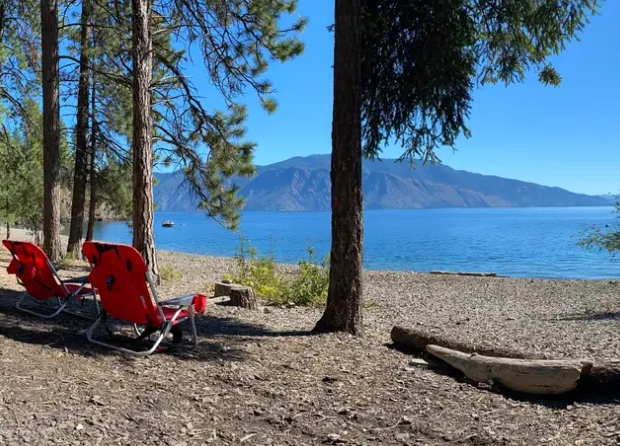
Frequently Asked Questions
Camping near lakes blends adventure with peace. Start with a well-researched plan, pack smart, and respect the environment. Your perfect lakeside escape is out there—just don't forget the bug spray.