You packed the tent, drove for hours, and finally found the perfect spot. But as you sit there, a familiar feeling creeps in. Your mind is still racing with work emails, the to-do list for home, and that weird noise the car made. Your body is in the woods, but your brain never left the city. This is the camping paradox – we go to nature to relax, but often bring our stress right along with us.
I’ve been there. After a decade of leading guided camping trips, I’ve seen countless people make the same mistake. They treat camping like a checklist of activities (hike, cook, sleep) rather than a state of being. The most common error? Assuming relaxation will just happen because you’re outdoors. It won’t. You need intentional camping relaxation techniques to bridge the gap between being in nature and actually letting nature work on you.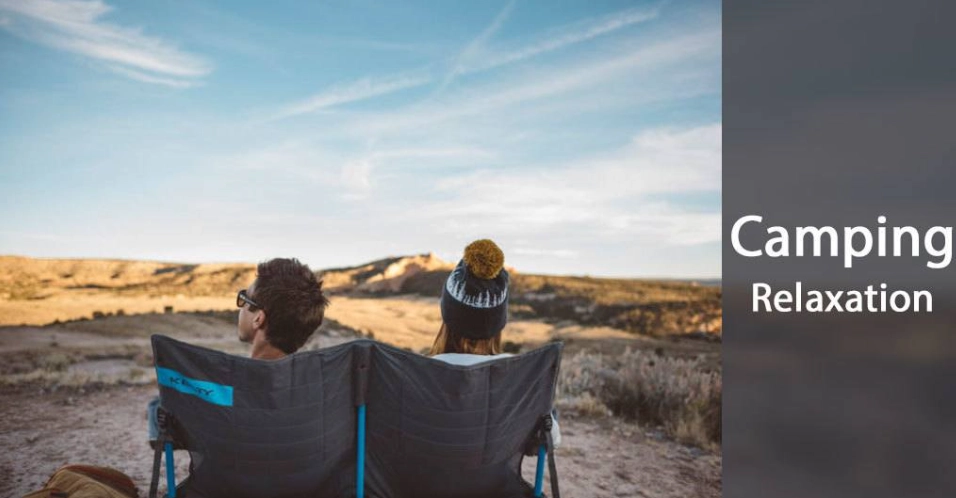
True camping relaxation isn't passive. It's an active practice of disengaging from the digital world and re-engaging with your senses. This guide moves beyond the obvious “sit by the fire” advice. We’ll dive into practical, science-backed methods to lower your cortisol, quiet your mind, and leave your campsite genuinely refreshed.
Quick Navigation: Your Relaxation Roadmap
The Crucial Mindset Shift for Relaxed Camping
Before you try any technique, you have to get your head right. The biggest barrier to relaxation is the “productivity mindset” we carry from daily life. On a Tuesday, multitasking is a virtue. On a camping trip, it’s the enemy of peace.
I tell my clients to adopt a “single-tasking” rule. When you’re gathering firewood, just gather firewood. Feel the texture of the bark, notice the different shapes, listen to the sound of your footsteps. Don’t mentally plan dinner while you do it. This isn’t easy. Your mind will wander. Gently bring it back to the one thing you’re doing. This practice alone is more powerful than any fancy meditation app.
Another non-consensus point? Embrace “planned spontaneity.” Sounds contradictory, right? Don’t schedule every minute, but do plan for idle time. Block out a two-hour chunk with no agenda. Write “nothing” in your mental planner. This gives your brain permission to just be, without the guilt of “wasting time.” It’s in these unstructured moments that the deepest relaxation occurs.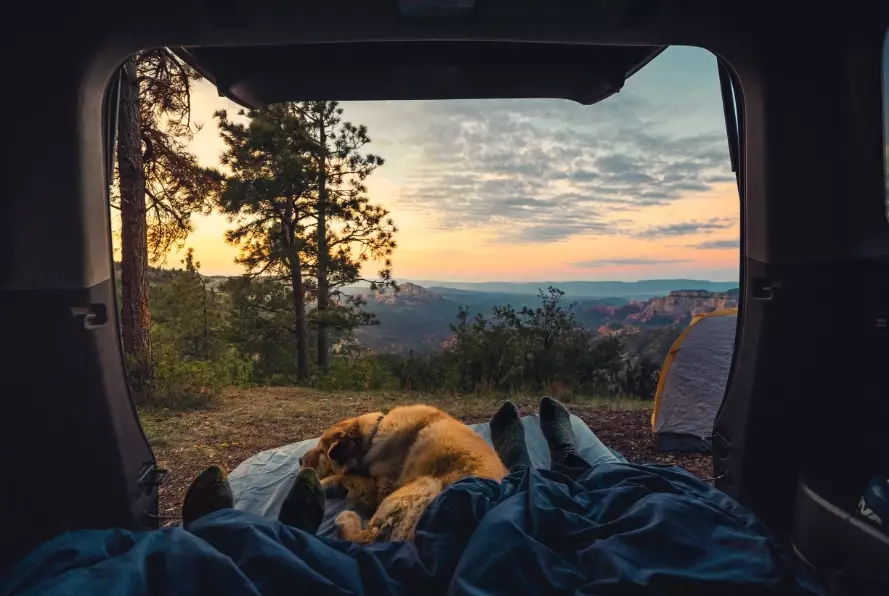
Expert Tip: Set a relaxation intention before you even leave home. Instead of “I’m going camping,” try “I’m going to practice being present and calm for three days.” This simple verbal shift primes your brain for a different kind of trip.
Sensory-Based Relaxation Techniques in Nature
Our senses are direct pathways to the calm nervous system. The problem is, we’re so overloaded in daily life that we’ve learned to tune them out. Camping is your chance to turn the volume back up, one sense at a time. Here’s a toolkit you can mix and match.
| Technique | Core Focus | Simple How-To | Pro Tip for Deeper Relaxation |
|---|---|---|---|
| Forest Bathing (Shinrin-yoku) | Sight & Slow Movement | Walk slowly, without destination. Pause frequently to look closely at leaves, moss, light patterns. | Spend at least 20 minutes. Studies cited by the National Association of Forest Therapy show this duration begins to lower stress hormones. |
| Sound Mapping | Hearing | Sit still, eyes closed. Mentally map every sound you hear—wind, birds, insects, distant water—and its direction. | Try it at dawn and dusk. The changing soundscape is incredibly grounding and pulls you into the present. |
| Grounding (Earthing) | Touch | Take off your shoes and socks. Stand, sit, or walk on bare earth, grass, or sand for 15-30 minutes. | Combine with deep breathing. Focus on the sensation of coolness, texture, and support from the ground. |
| Campfire Gazing | Sight (Soft Focus) | Stare into the embers or low flames, not the blazing fire. Let your vision go soft and blurry. | This is a form of trance induction. The flickering, repetitive light pattern can quiet brainwave activity. Don’t fight it if you get drowsy. |
| Aromatherapy of Place | Smell | Crush pine needles, smell rain on dry soil, inhale the scent of your campfire smoke on your jacket. | Our olfactory system is linked directly to memory and emotion. Associating these unique wilderness smells with calm can create a lasting anchor. |
Don’t try to do them all. Pick one per day and really sink into it. The goal is depth, not variety.
How to Practice Mindful Breathing Without Getting Frustrated
Everyone says “just breathe,” but sitting cross-legged trying to clear your mind can be agonizing. Here’s a better way. Link your breath to an external rhythm.
Watch the waves on a lakeshore. Inhale for the length of time it takes a wave to crash and recede. Exhale for the next one. Or sync with the flicker of a candle in your tent. This gives your busy mind a simple, external job (observing) which makes the breathing happen almost automatically. It bypasses the internal struggle.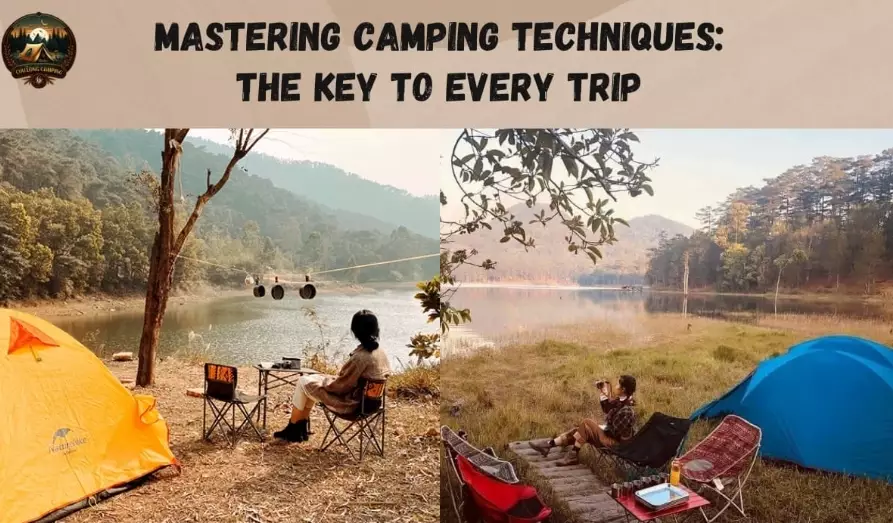
Movement and Rest: Finding the Balance
Relaxation isn’t just stillness. Gentle, intentional movement is a powerful camping relaxation technique that releases physical tension, which then quiets mental chatter.
Yoga or Stretching: Forget complex poses. Do a simple 10-minute routine focused on areas that hold stress: neck rolls, forward folds to release the back, and hip openers. Do it right outside your tent in the morning sun.
Purposeful Walking: Not a hike for mileage. Walk with the sole intention of noticing. Stop every few minutes. Look up. Look down. Change your pace from slow to slower.
Then, there’s rest. The art of the hammock is severely underrated. But here’s the trick: get in without your phone. Set a timer if you must, but let yourself swing and stare at the canopy above. A 20-minute “hammock nap” (even if you don’t sleep) can reset your entire nervous system. I’ve seen gruff, stressed-out dads transformed by this simple act.
Creating an Effective Digital Detox Routine
This is the linchpin. A phone on “just check the weather” mode will sabotage every other technique. A full digital detox is the single most effective camping relaxation technique, but it’s also the hardest.
My advice isn’t just “turn it off.” That’s too vague and leads to anxiety. Create a clear container.
- Designate a “Phone Home”: A specific zipped pocket in your backpack or a small container in the car. The phone lives there.
- Schedule Check-Ins: If you must check in (family, emergency), do it once at midday for 10 minutes. Then it goes back “home.” This is far less stressful than the constant low-grade pull of “maybe I should check.”
- Use Your Camera Mindfully: Taking photos is fine, but do it intentionally. Take 5-10 minutes to get your shots, then put the camera away. Don’t live the entire trip through a lens.
The first few hours are tough. You’ll feel phantom vibrations. You’ll have thoughts like “I should look up that bird.” Sit with the urge. It passes. By day two, a profound sense of mental space opens up. This space is where real relaxation moves in.vz
Your Camping Relaxation Questions Answered
 What’s one simple technique I can use if I only have a short weekend trip?
The magic of these camping relaxation techniques isn’t in their complexity. It’s in their consistent, gentle application. You’re not trying to force calm. You’re creating the conditions—through mindset, sensory engagement, balanced activity, and digital boundaries—where relaxation can naturally arise.
Start with one thing. Maybe it’s the single-tasking rule. Or the 20-minute forest bath. Or committing to a phone “home.” See how it feels. The woods have been waiting to help you unwind for millennia. You just have to show up and let them.