Quick Navigation
Let's be honest. The idea of summer camping sounds perfect. Fresh air, starry nights, marshmallows over a fire. Then you start planning, and suddenly you're staring at a pile of gear wondering if you need a satellite phone or if that old sleeping bag from college will still cut it. I've been there. I've also forgotten the can opener, battled mosquitoes the size of small birds, and once set up a tent in what turned out to be the only puddle-prone spot in a fifty-mile radius. Not fun.
But here's the thing. When you get it right, there's nothing better. A well-planned summer camping trip is pure magic. This guide is everything I wish I'd known when I started, mixed with hard-earned lessons from trips that went sideways. We'll walk through gear, planning, destinations, and those little tips that make the difference between a good trip and a great one. Forget the overwhelm. Let's just talk about getting you outside.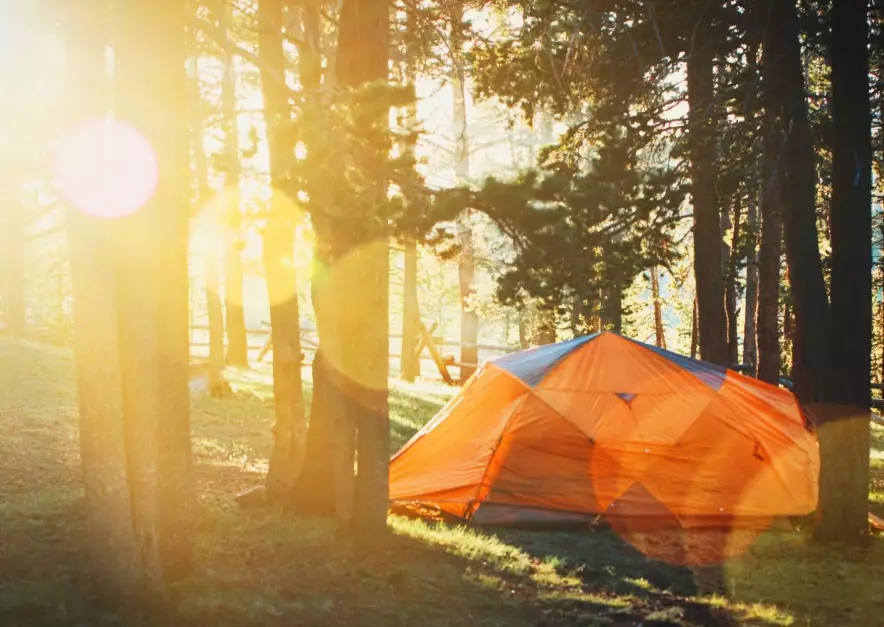
Gearing Up: The Summer Camping Essentials You Actually Need
You can spend a fortune on gear. Or you can be smart about it. The core of summer camping gear isn't about having the latest tech; it's about reliable basics that work together. I've seen people with thousand-dollar tents shiver all night because their sleeping bag was wrong for the temperature. Let's break it down by system.
Shelter & Sleep: Your Home Away From Home
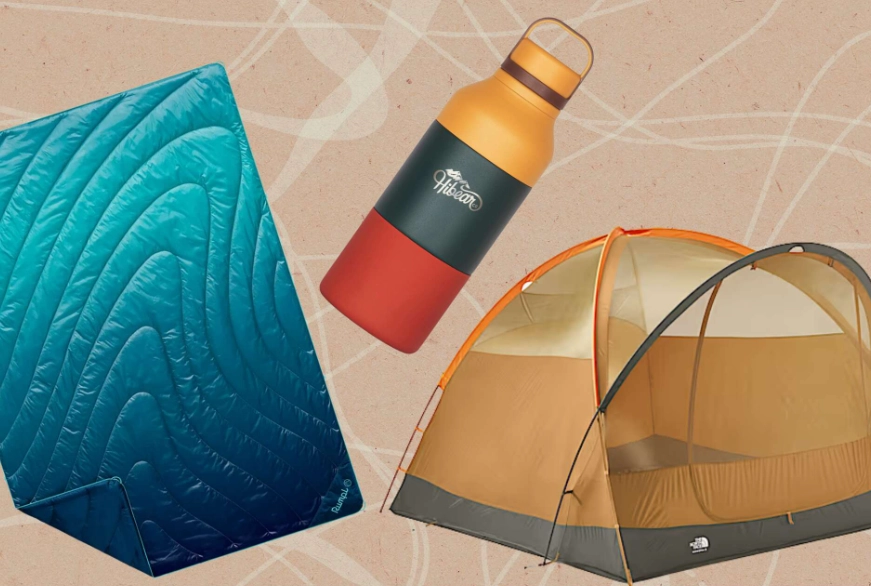
Your tent is your castle. For summer camping, you generally want something with good ventilation to avoid waking up in a sauna. Mesh panels are your friend. Size-wise, if a tent says "3-person," treat it as a cozy 2-person. Always account for gear storage.
Sleeping bags can be tricky. That temperature rating? It's often a "survival" rating, not a "comfort" rating. For most summer nights, a bag rated around 30-35°F (-1 to 2°C) is versatile. If you run cold, aim for 20°F. The big choice is between synthetic fill (dries faster, cheaper, heavier) and down (lighter, packs smaller, useless when wet). For humid summer trips, synthetic has my vote.
A sleeping pad is non-negotiable. It's not just comfort; it's insulation from the cold ground. An inflatable pad offers the best comfort-to-weight ratio, but a simple foam pad is bombproof and never pops.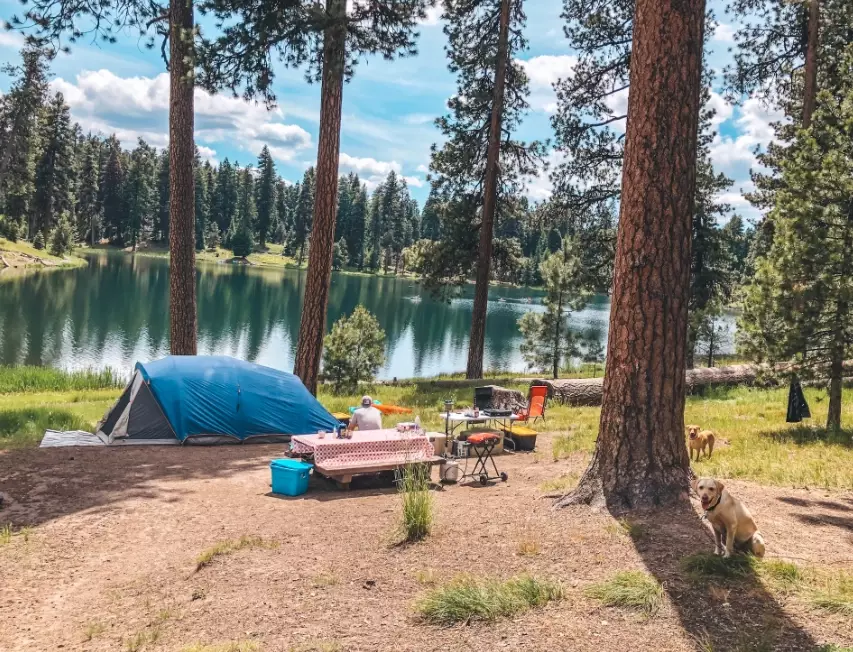
The Kitchen Box: Eating Well Outdoors
Camp cooking doesn't mean just eating cold beans. A simple two-burner propane stove is the workhorse of summer camping. Reliable, easy to use, no fussing with liquid fuel. A cooler is your best friend for keeping food safe. Pre-chill it with ice the day before you pack. Block ice lasts longer than cubes.
My must-have kitchen items that everyone forgets? A small roll of aluminum foil (for wrapping potatoes, making a wind screen), a lightweight plastic cutting board, a bio-degradable soap and a small scrubber, and a headlamp with a red light setting so you can see what you're cooking without blinding everyone or attracting every bug in the county.
Quick Summer Camping Kitchen Checklist:
- Stove & fuel canister
- Lighter/matches (in a waterproof bag!)
- Pot, pan, spatula, serving spoon
- Plates, bowls, mugs, utensils (metal or durable plastic)
- Cooler with block ice
- Water jug(s) & a way to purify water (tablets or filter)
- Biodegradable soap, sponge, small towel
- Trash bags (pack it in, pack it out)
Clothing & Personal Items: Dressing for Success
Cotton is the enemy of summer camping. Seriously. It absorbs sweat and rain and stays wet, chilling you. This "cotton kills" mantra is real. Stick to synthetic materials like polyester or nylon, or natural fibers like merino wool, which wick moisture away.
Layering is the key. A typical day might go: moisture-wicking t-shirt, a light long-sleeve shirt for sun or bugs, and a lightweight rain jacket. For nights, a fleece or puffy jacket is essential—mountains and deserts get cold after dark, even in summer.
Don't skimp on footwear. Camp shoes (like sandals or crocs) are a luxury that feels like a necessity after a day in hiking boots. And a wide-brimmed hat and polarized sunglasses are more about comfort and safety than style.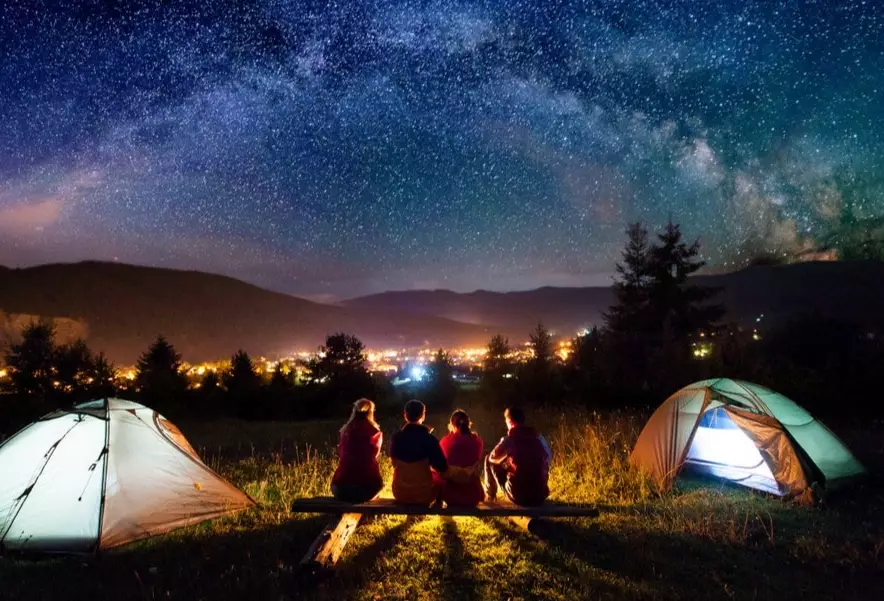
Picking Your Perfect Summer Camping Spot
Where you camp defines your trip. A crowded RV park near a highway is a different universe from a remote backcountry site by a lake. What are you after?
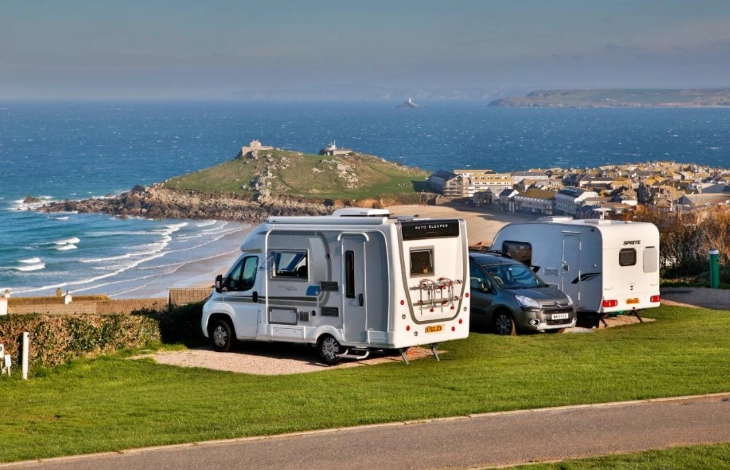
For families or first-timers, developed campgrounds in state or national parks are the way to go. They usually have amenities like picnic tables, fire rings, potable water, and bathrooms. Some even have showers. The trade-off is less privacy and potential noise. You absolutely need to reserve these spots well in advance—think months, not weeks. The Recreation.gov website is the main portal for federal campgrounds, and it's a game you need to learn to play early.
If you crave more solitude, look into dispersed camping (also called primitive or dry camping) on lands managed by the U.S. Forest Service (USFS) or the Bureau of Land Management (BLM). This is usually free, but you get no services—you bring everything in, and everything out, including human waste in many areas. You need to be self-sufficient, and knowing how to find these spots requires more research. The USFS and BLM websites have maps and regulations.
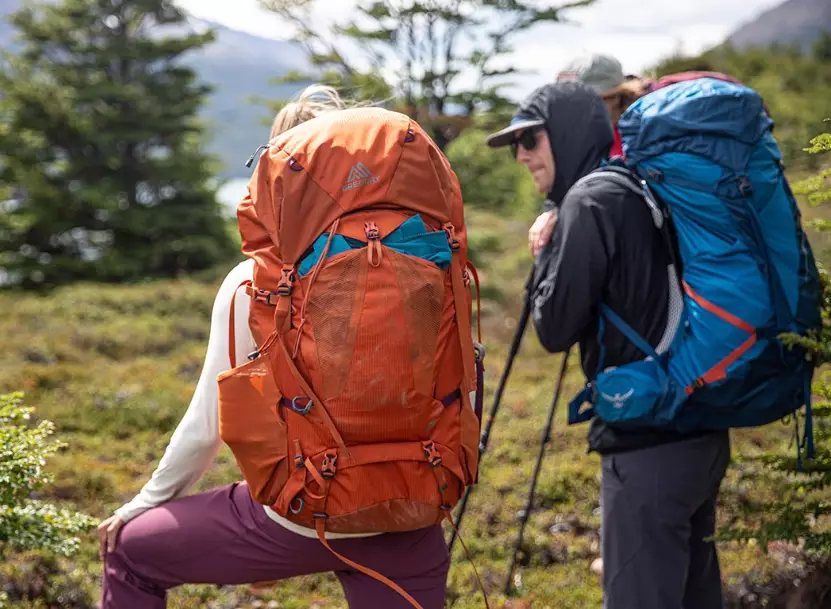
Then there's the backcountry. Hiking miles in to a pristine spot. This is advanced-level summer camping, requiring knowledge of Leave No Trace principles, navigation, and emergency preparedness. It's incredibly rewarding, but not where you start.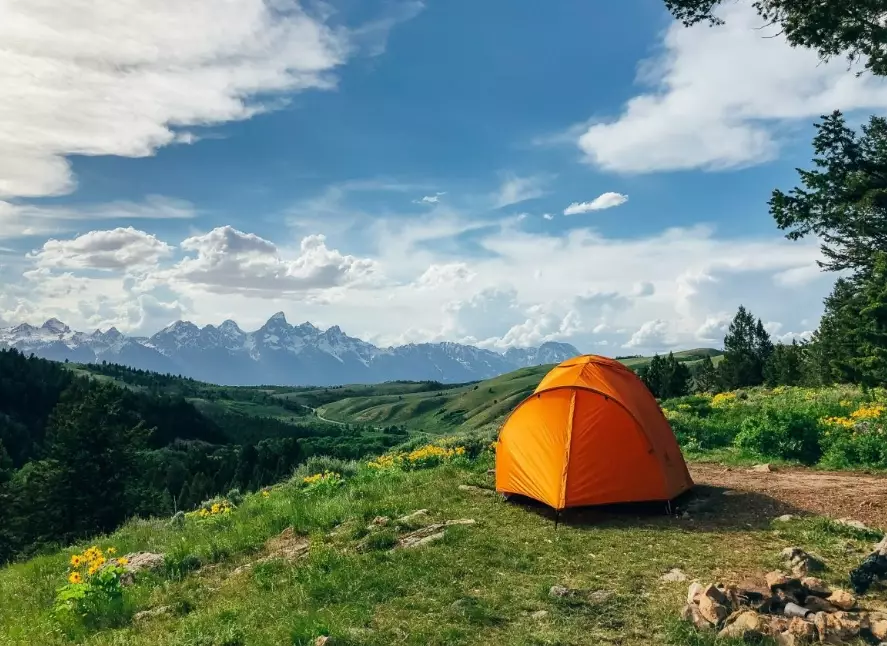
Here’s a quick comparison to help you decide:
| Camping Type | Best For | Amenities | Booking & Notes |
|---|---|---|---|
| Developed Campground | Families, first-timers, car campers | Toilets, water, tables, fire rings, sometimes showers | Reserve months ahead. Often has fees. |
| Dispersed/Primitive | Experienced campers seeking solitude | None. You provide everything. | Usually first-come, first-served & free. Practice strict Leave No Trace. |
| Backcountry | Adventurous hikers & experienced outdoorspeople | None. Ultra-lightweight focus. | Often requires a permit. Significant planning & physical ability needed. |
Leveling Up Your Skills: Pro Tips for a Smooth Trip
Gear and location are half the battle. The other half is the know-how. These are the tips that don't always make it onto the packing list.
Setting Up Camp Like a Pro
Arrive with daylight to spare. Trying to pitch a tent in the dark is a special kind of frustration. Look for high, flat ground. Avoid setting up in natural drainages (even if it's dry) or under dead trees ("widowmakers").
When you get to your site, lay out your tent's footprint or groundcloth first. Assemble the poles *before* trying to feed them through the sleeves—it seems obvious, but you'd be surprised. Stake down the corners firmly. A taut rainfly is a quiet rainfly; flapping nylon will keep you awake all night.
Mastering the Camp Kitchen
Plan your meals. I write a simple menu for each day. It prevents over-packing and the "what do we eat now?" panic. Pre-chop veggies and season meats at home. Store them in reusable containers or bags. One-pot meals are king for summer camping: chili, pasta, stir-fries.
Food storage is critical, not just for freshness but for safety. In many areas, especially bear country, you cannot leave food in your car or at your picnic table. You'll need a bear-resistant container or to use the campground's bear locker. Even in non-bear areas, raccoons and mice are clever thieves. A simple rope and pulley system to hang your food bag between two trees is a classic, effective method.
Water. Always have more than you think you need. A general rule is one gallon per person per day for drinking and cooking. I always bring a backup method to purify water, like iodine tablets or a filter, even if the campground has a pump.
Staying Safe and Comfortable
Bugs. They can ruin a summer camping trip. A good bug spray with DEET or picaridin for your skin, and permethrin treatment for your clothing and tent outer layer, is a powerful one-two punch. A mosquito head net looks silly but is a sanity-saver in peak season.
Sun protection is non-negotiant. High-altitude sun is intense. Reapply sunscreen often. A small, well-stocked first-aid kit should include blister treatment (moleskin is magic), antiseptic wipes, bandages, and any personal medications.
Finally, the Leave No Trace principles. They're not just rules; they're the ethics of keeping these places wild for everyone. Pack out all your trash (including food scraps and biodegradable items like orange peels). Respect wildlife from a distance. Keep noise down. Be considerate of other campers. The official Leave No Trace Center for Outdoor Ethics website is the ultimate resource.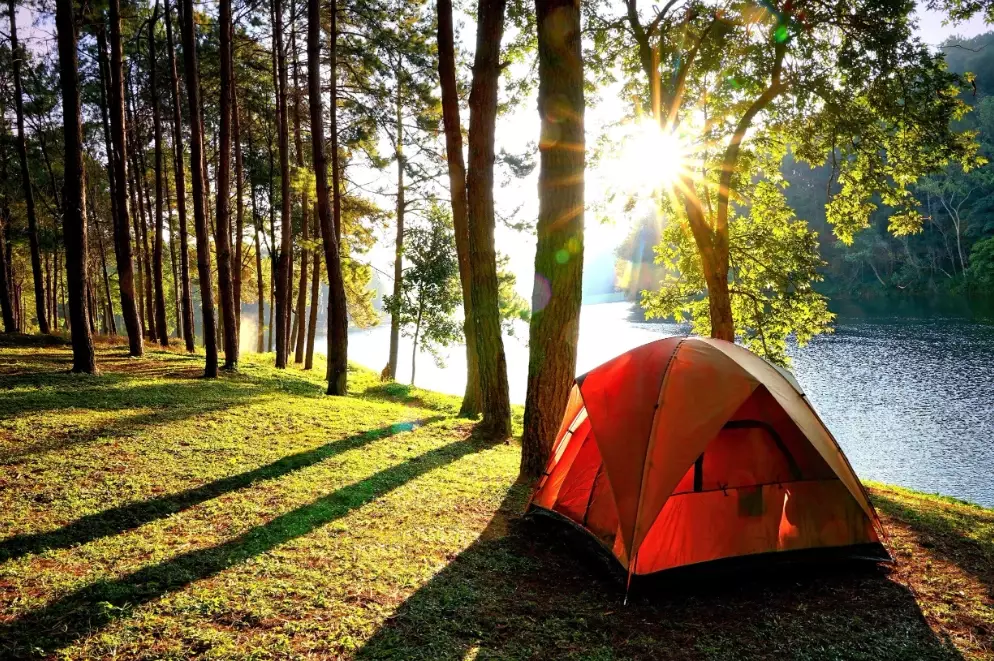
Making Summer Camping Fun for the Whole Family
If you're bringing kids, the calculus changes a bit. The goal shifts from "adventure" to "creating positive memories." Comfort and engagement are key.
Involve them in the planning. Let them pick a meal or a special snack. Give them their own small pack with a flashlight, a whistle, and a toy. Set clear boundaries around the campsite and teach them how to use the whistle if they get lost (three short blasts is the universal distress signal).
Plan activities. Don't just expect them to "enjoy nature." Bring books, card games, a frisbee, a nature scavenger hunt list. A simple magnifying glass can provide hours of entertainment. A short, easy hike to a viewpoint or a creek is better than a long, grueling one.
My biggest piece of advice for family summer camping? Lower your expectations. Bedtimes will be missed. There will be dirt. There might be tears (from kids and adults). That's okay. The goal is connection, not perfection. Some of my family's best inside jokes started on camping trips that felt chaotic at the time.
Answering Your Summer Camping Questions
Let's tackle some of the specific things people search for when planning their trip.
What's the best way to keep food cold while camping?
It's all about the cooler strategy. Start with a pre-chilled cooler. Use block ice—it melts much slower than cubes. Keep the cooler in the shade, covered with a blanket. Open it as infrequently as possible. Consider a two-cooler system: one for drinks (opened frequently) and one for perishable food (opened only at meal times).
How do I deal with rain on a summer camping trip?
First, check the forecast and be prepared for it to be wrong. Always pack a rain jacket and have a waterproof stuff sack for your clothes. A tarp is your best friend. String it up over your picnic table or tent entrance to create a dry "porch" area. Make sure your tent's rainfly is on and properly staked out, even if the sky is clear when you set up. Inside the tent, keep all gear off the walls and on a groundsheet.
Are campfires always allowed?
No. This is crucial. Campfire bans are common in dry summer months to prevent wildfires. Never assume fires are okay. Check the current regulations for your specific area. If fires are allowed, use the established fire ring, keep the fire small, and never leave it unattended. Have water nearby to fully extinguish it—drown it, stir the ashes, drown it again. It should be cool to the touch.
What's one piece of gear most people forget?
A roll of duct tape. Wrap some around a water bottle or trekking pole. It can fix a torn tent seam, a broken pole, a hole in an air mattress, or secure a loose strap. It's the MacGyver of the camping world.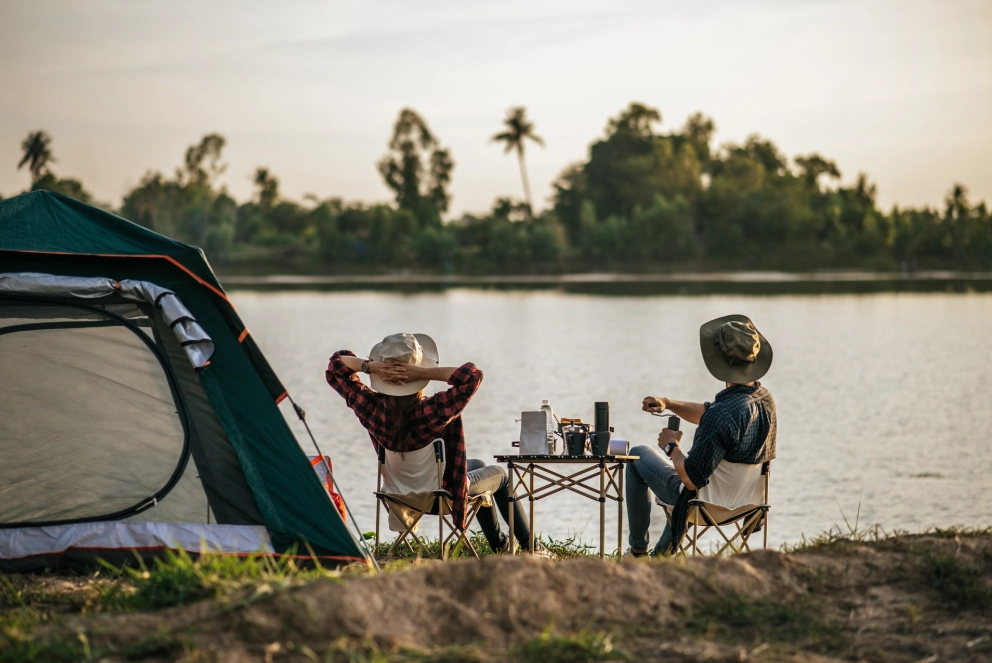
Wrapping It Up: Your Adventure Awaits
Summer camping isn't about having the fanciest gear or conquering the most remote trail. It's about simplifying, unplugging, and experiencing the world at a different pace. It's about the smell of pine needles, the sound of a crackling fire (where permitted!), and the incredible clarity of the stars away from city lights.
Start simple. Borrow gear for your first trip or rent it from an outdoor shop. Pick a well-reviewed campground within a few hours' drive. Go for just a night or two. You'll learn more on that one short trip than from reading a dozen articles.
You'll make mistakes. Everyone does. You'll forget something. You'll probably be a little cold or a little wet or get a few bug bites. But you'll also come home feeling refreshed in a way a regular vacation rarely achieves. You'll have stories. And you'll start dreaming about your next summer camping trip before the first one is even over.
So what are you waiting for? The great outdoors isn't going to enjoy itself.