Your Camping Roadmap
- Why Bother? The Surprisingly Good Reasons to Take Your Family Camping
- Your Step-by-Step Planning Blueprint (Without the Overwhelm)
- Setting Up Camp: Turning a Patch of Dirt into Home
- What on Earth Do We Do All Day? (Kid-Tested Activities)
- Safety & Etiquette: Being a Good Camper (and Neighbor)
- Troubleshooting the Common Family Camping Disasters
- Your Burning Questions About Family Camping, Answered
- Leveling Up Your Family Camping Game
- Wrapping It Up: The Takeaway
Let's be honest for a second. The idea of family camping often looks better on Instagram than it feels when you're trying to put up a tent in the rain with a toddler screaming for snacks. I've been there. The first time my family went camping, we forgot a can opener, it poured all night, and my then four-year-old declared it "the worst sleepover ever." But you know what? We also saw a sky full of stars you just don't get in the city, told stories by the fire, and that kid, now ten, still talks about that trip. That's the magic and the mess of it. It's not about perfection; it's about adventure, togetherness, and maybe a few good stories.
This guide isn't about selling you a fantasy. It's about giving you the real, practical, been-there-done-that advice to navigate your own family camping adventure, minimize the headaches, and maximize the fun. Forget the overly polished lists. We're talking about what you actually need to know.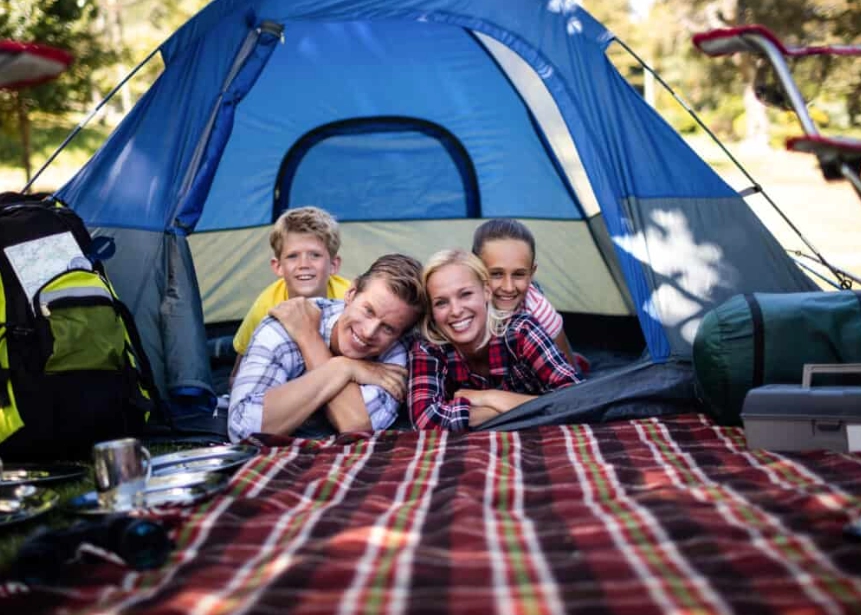
Why Bother? The Surprisingly Good Reasons to Take Your Family Camping
Before we dive into the how, let's talk about the why. Beyond the obvious "it's fun," there are some solid benefits that make the effort worthwhile.
For kids, it's a sensory playground. They get to touch dirt, hear owls, smell pine trees, and see the Milky Way. It's a digital detox by default (though, pro tip: download movies just in case). They learn simple problem-solving—how to gather kindling, help set up a chair, read a map. It builds a different kind of confidence.
For families, it forces a slower pace. There are no schedules, no practices to run to. You're just... together. Conversations happen naturally around the fire. You play card games. You collaborate to build a home for the weekend. It's team-building without the corporate retreat cheesiness.
And financially? Compared to a hotel-and-attraction vacation, a family camping trip can be incredibly affordable once you have the basic gear. The main cost is often just the campsite fee and food.
But it's not all rainbows. You need to be ready for bugs, weather, and the potential for whining. The key is in the preparation.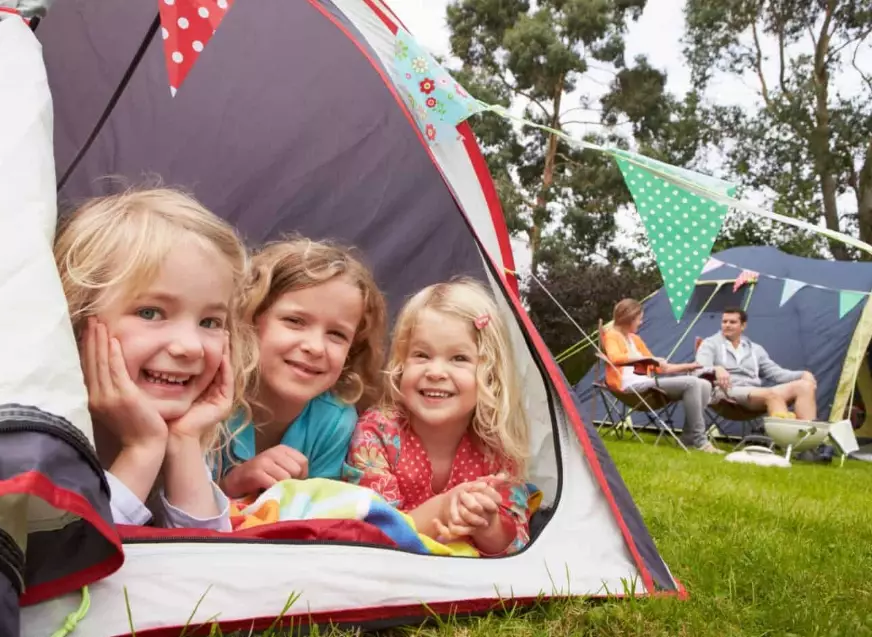
Your Step-by-Step Planning Blueprint (Without the Overwhelm)
Jumping into family camping without a plan is a recipe for stress. Break it down. Here’s a timeline that works.
Step 1: The Mental Shift & Destination
First, adjust expectations. This is an expedition, not a resort stay. Embrace the "good enough." Then, pick your battleground—I mean, campsite. For your first few trips, I cannot stress this enough: go car camping at an established campground. Backcountry can come later.
Look for a site with amenities like flush toilets, potable water, and maybe even showers. State parks and national forest campgrounds are fantastic starting points. Use the Recreation.gov site for federal lands or your state's park website. Book early, especially for weekends. Read the reviews! Other families will often mention if a site is level, shaded, or next to a noisy road.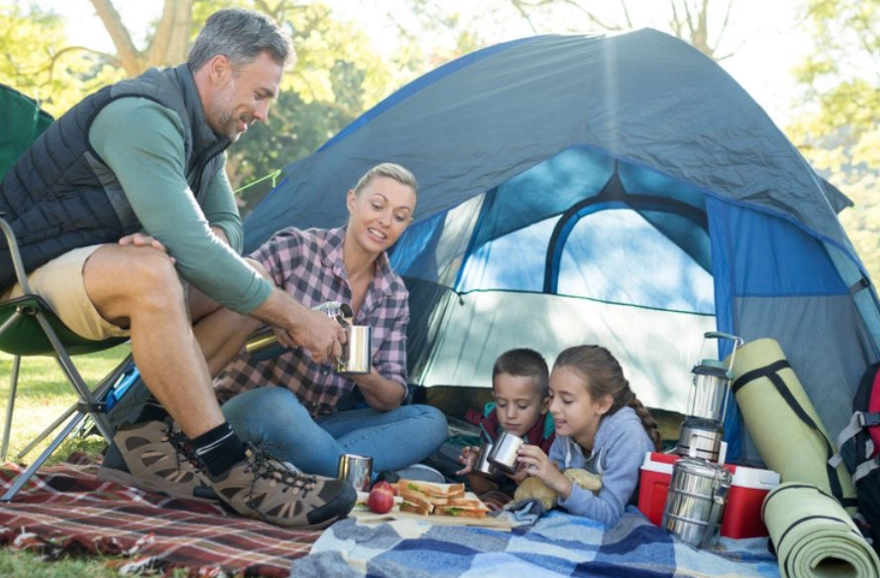
Step 2: The Make-or-Break Gear List
You don't need the most expensive stuff, but you do need the right stuff. Here’s a categorized list. Don't just skim it—use it as a packing checklist.
Shelter & Sleep System (Non-Negotiables):
- Tent: Get one labeled for 2-4 people more than your family size. A "4-person" tent fits 4 sleeping bags and nothing else. For a family of 4, get a 6 or 8-person tent. You'll want room for gear and moving around. Dome tents are easiest for beginners.
- Sleeping Bags: Check the temperature rating. A 30°F bag is a good three-season start. For kids, rectangular bags are easier to wiggle in.
- Sleeping Pads or Air Mattresses: This is your insulation from the cold ground. Foam pads are cheap and foolproof. Inflatable pads or a good air mattress (with a battery pump!) are more comfortable. I personally think the comfort is worth the hassle.
- Pillows: Just bring real ones from home. Camping pillows are often terrible.
Kitchen & Food: This is where organization saves the day. Use a plastic bin as a "kitchen box." Pack it with:
- Stove & fuel (a basic 2-burner propane camp stove is perfect for families)
- Biodegradable soap, sponge, small tub for washing
- Basic utensils, a sharp knife, cutting board, tongs, spatula
- Pot and frying pan with lids
- Mugs, bowls, plates (metal or enamel won't break)
- Can opener, bottle opener, corkscrew (learn from my mistake!)
- Cooler with plenty of ice
- Trash bags and ziplock bags (for everything)
Clothing & Personal: The mantra is layers. Cotton kills (it stays wet), so opt for synthetics or wool.
- Base layers (moisture-wicking)
- Insulating layer (fleece)
- Weather layer (rain jacket & pants)
- Sturdy shoes and camp shoes (like Crocs)
- Multiple socks
- Hat, sunglasses, swimsuits
- A dedicated, separate bag for dirty/wet clothes
The "Oh Yeah, That" Box (Easy to Forget):
- Headlamps or flashlights (one per person)
- Lantern for the picnic table
- Multi-tool or pocket knife
- First-aid kit (with kid-specific meds, bandages, tick remover)
- Sunscreen and bug spray (picaridin or DEET for ticks in some areas)
- Map of the area (cell service is unreliable)
- Duct tape, paracord, extra tent stakes
- Baby wipes (they're not just for babies—they're backcountry showers)
- Hand sanitizer
Step 3: The Food Plan That Keeps Everyone Happy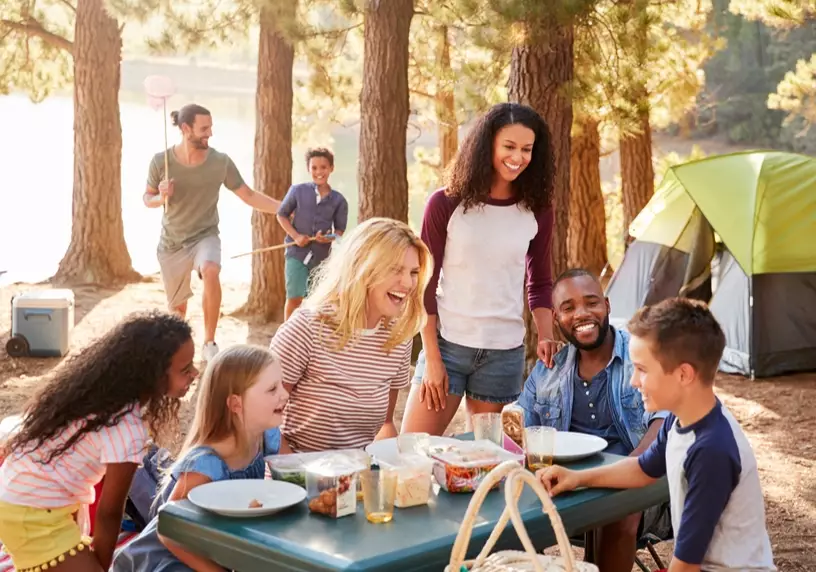
Hungry kids are miserable kids. Plan simple, familiar foods. Pre-cook and freeze meals like chili or pasta sauce—they'll help keep the cooler cold and just need reheating. Think one-pot wonders.
Here’s a sample plan for a weekend that doesn't require you to be a camp chef:
| Meal | Day 1 | Day 2 | Day 3 |
|---|---|---|---|
| Breakfast | Granola bars & fruit (eat on the road) | Pre-mixed pancake batter, bacon cooked on the griddle, sliced strawberries | Bagels with cream cheese, leftover fruit |
| Lunch | Build-your-own sandwich station with lunch meat, cheese, condiments | Hot dogs or veggie dogs roasted on sticks over the fire | Leftovers or snacks for the drive home |
| Dinner | Pre-made & frozen chili, reheated on the stove, with cornbread baked in a cast-iron dutch oven | Foil packet dinners (chicken, potatoes, carrots, seasoning) cooked in the coals | -- |
| Snacks | Trail mix, apples, cheese sticks, crackers, s'mores ingredients (obviously), popcorn popped over the fire. | ||
Involve the kids in planning and prepping. Let them make their own trail mix or assemble the foil packets. It gives them ownership.
Setting Up Camp: Turning a Patch of Dirt into Home
You've arrived. Don't just start unloading the car willy-nilly.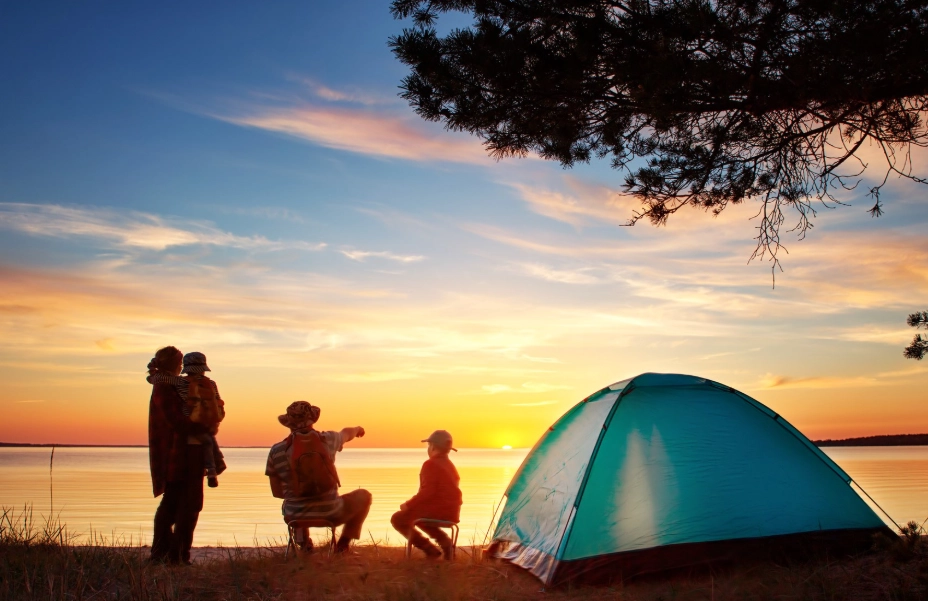
1. Scout the Site: Walk around. Where's the flattest, highest ground for the tent (avoid dips where water will pool)? Where's the fire ring and picnic table? Designate zones: sleeping area, kitchen/cooking area (downwind from the tent!), and a general hangout area.
2. Pitch the Tent FIRST: Do this while you still have energy and daylight. Clear the ground of rocks and sticks. Lay down a footprint (a tarp cut to size) to protect the tent floor. Get the whole family involved according to ability. My job is poles, my partner's is clips, the kids are on stake duty.
3. Organize the Kitchen: Set up your stove on the picnic table or a dedicated camp table. Organize your kitchen box so you know where everything is. Hang a lantern. Setup is complete when you know where the flashlight and the marshmallows are without thinking.
What on Earth Do We Do All Day? (Kid-Tested Activities)
The beauty of family camping is that the activities are built-in. You don't need to manufacture fun. But having a few ideas in your back pocket helps.
- Scavenger Hunts: Make a list of things to find—a pinecone, a smooth rock, three different kinds of leaves, something red, animal tracks.
- Junior Ranger Programs: If you're at a National Park, these are absolute gold. Free, educational, and they get the kids engaged with the park. Check the National Park Service website for details.
- Nature Crafts: Make leaf rubbings, build fairy houses out of sticks and moss, paint rocks.
- Water Play: If there's a lake or stream, bring buckets, shovels, and nets. Skip stones.
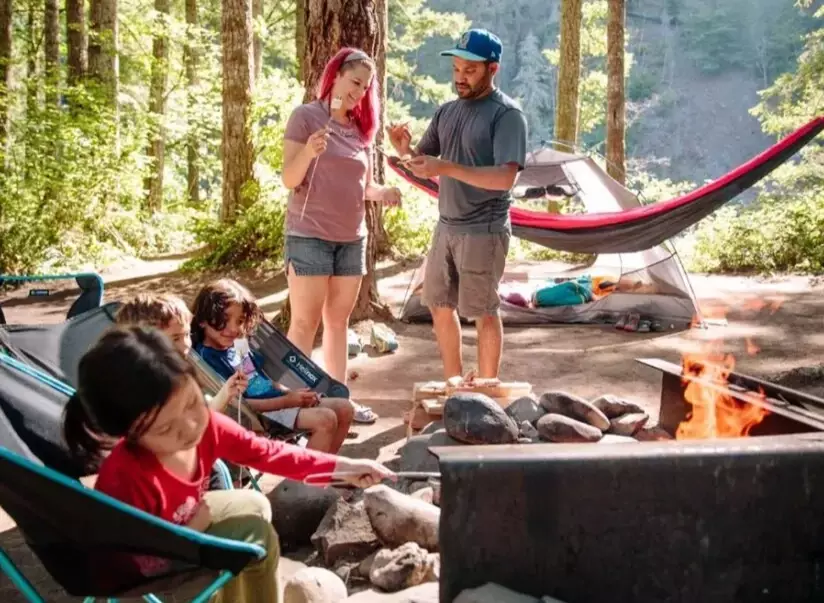
- Evening Rituals: This is the best part. The campfire. Tell stories (not just scary ones!). Play games like "I Spy" with sounds. Identify constellations. The REI guide to campfire safety is a must-read to do this responsibly.
And sometimes, doing nothing is the activity. Let them be bored. You'd be amazed what they invent.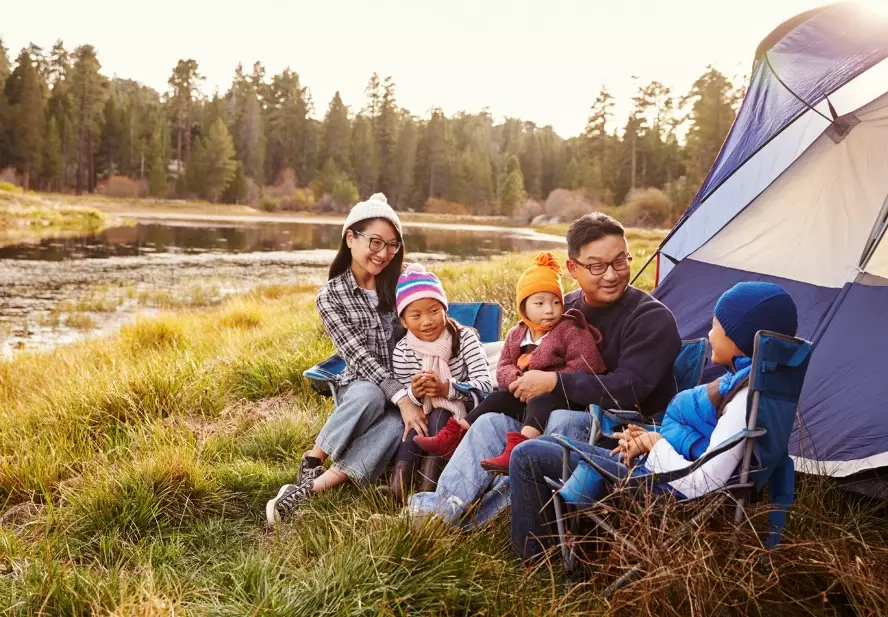
Safety & Etiquette: Being a Good Camper (and Neighbor)
Safety isn't just a list; it's a mindset.
Fire Safety: Only in designated rings. Keep it small. Never leave it unattended. Have water or dirt nearby to put it out. Drown it, stir the ashes, drown it again until it's cold to the touch. Most wildfires start from escaped campfires.
Wildlife: Store food properly. Make noise on trails to avoid surprising animals. Know what to do if you encounter local wildlife (for bears, this is usually making yourself look big and backing away slowly—research your area!).
Water Safety: If near water, kids wear life jackets. Always. No exceptions.
Leave No Trace: This is the camper's code. Pack out ALL your trash. Leave natural objects where you found them. Stay on trails. Be respectful of noise after quiet hours (usually 10 PM). We're all sharing the outdoors.
Troubleshooting the Common Family Camping Disasters
Things will go wrong. It's okay. Here's how to handle the classics.
Rain: Have a rain plan. A tarp and paracord to create an extra dry hangout area is a game-changer. Board games, cards, books. Embrace the cozy. A wet tent can be dried out later at home.
Bugs: Good bug spray, long sleeves at dusk, and a screened-in shelter or tent with a "vestibule" you can sit in make a huge difference. Citronella candles are mostly placebo, in my experience.
Whining/"I'm Bored": This is often a sign of hunger, thirst, or being tired. Address those first. Then, give a simple task: "Can you help me gather small sticks for the fire starter?" or "Let's go look for the perfect marshmallow roasting stick."
First-Timer Nerves (Kids or Adults): A nightlight for the tent, familiar comfort items from home, and knowing the plan for bathroom trips in the dark can ease anxiety. It's okay to admit you're a little nervous too—it makes it an adventure you're facing together.
Your Burning Questions About Family Camping, Answered
What is the best age to start camping with kids?
You can start with babies in a camper or cabin, but for tent camping, I think the sweet spot is around 3-4 years old. They're potty-trained (mostly), can communicate, and are genuinely excited by the novelty. But every kid is different. Start with a backyard campout as a trial run!
How do I handle bathroom situations while camping?
At developed campgrounds, you'll have vault toilets or flush toilets. Bring a dedicated flashlight for night trips. For little ones, a portable travel potty (with bags) in the tent's vestibule for emergencies can prevent midnight meltdowns. For true backcountry, you'll need to learn how to dig a cathole—but that's for later adventures.
Is camping safe with young children?
Yes, with planning. The key is choosing an appropriate, established campground and constant supervision. Set clear boundaries ("You must be able to see the tent at all times"). The perceived risks (animals) are often far lower than the real ones (getting lost, campfire burns, drowning), which you manage through vigilance and preparation.
What if we hate it?
That's a valid fear! That's why I recommend a short, close-to-home first trip. If it's a total disaster, you can pack up and be home in an hour. No shame in that. You tried. Maybe try a cabin or "glamping" spot next time as a stepping stone. The goal is positive outdoor experiences, not suffering through a miserable weekend.
Leveling Up Your Family Camping Game
Once you've got a few trips under your belt, you might want to explore more.
- Different Seasons: Fall camping is incredible—fewer bugs, colorful leaves, crisp air. You just need warmer gear.
- New Locations: Try a beach campground, a site by a river, or a more remote forest service site with fewer amenities.
- Learn a New Skill: Teach the kids to whittle safely (with a proper knife and glove), identify five local bird calls, or cook a meal entirely over the fire.
The gear rabbit hole is deep. But my advice? Don't buy the fancy stuff until you know what you actually need. Borrow, rent (REI and other outfitters rent gear), or buy used first.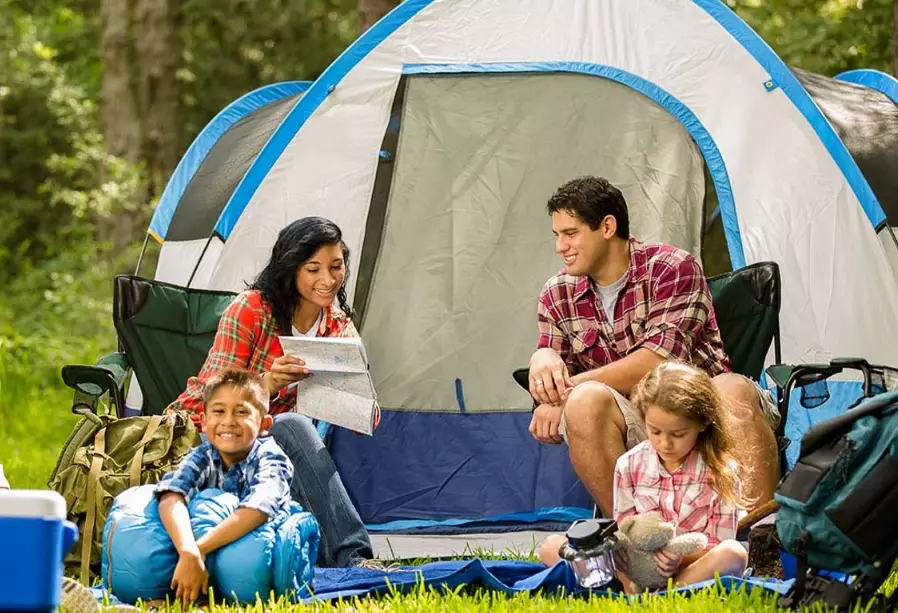
Wrapping It Up: The Takeaway
Successful family camping boils down to a few things: lowered expectations, thorough preparation, a focus on simplicity, and a willingness to roll with the punches. The dirt, the occasional rain shower, the forgotten fork—they all become part of your family's story.
The image of everyone sitting silently in awe of a perfect sunset is real, but it's just one frame in a whole movie that also includes spilled juice and a debate over who gets the last s'more. And that's the whole point. It's real, it's shared, and it's uniquely yours.
So pick a date, book a site, and start making your list. The woods are waiting. And trust me, the look on your kid's face when they catch their first fish or spot their first shooting star? That's something no screen can ever provide. That's the core memory you're after. Now go get it.