Choosing the right camping lantern can make or break your outdoor experience. Get it wrong, and you're fumbling in the dark, draining phone batteries, or annoying everyone with a harsh, blinding light. Get it right, and your campsite transforms into a cozy, functional hub after sunset. Most camping lantern reviews just list specs. I've spent over a decade guiding trips and testing gear, and I'll show you how to read between the lines of those specs to find a light that actually works for your style of camping.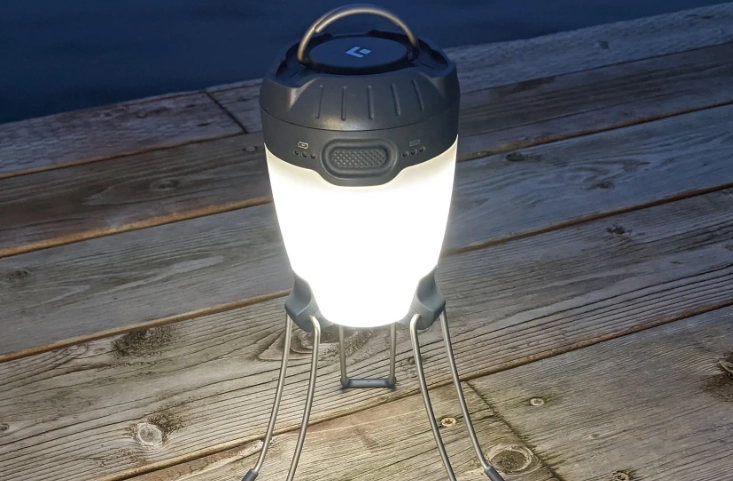
Your Quick Guide to This Article
What Type of Lantern Do You Actually Need?
This is the first fork in the road everyone misses. You don't just need "a lantern." You need a tool for a specific job. Based on your trip, one of these three categories will be your winner.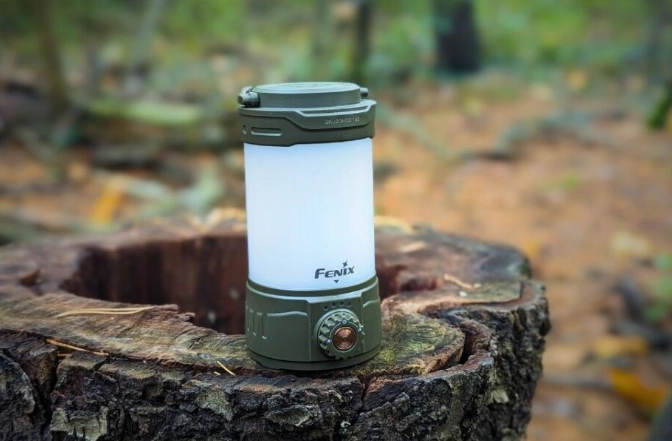
| Lantern Type | Best For | Key Feature | Think of it as... |
|---|---|---|---|
| Tent Light / Mini Lantern | Solo or couple campers, backpacking, reading in the tent, midnight bathroom trips. | Lightweight, compact, often with a hook or magnet. | Your personal bedside lamp. |
| Area Light / Classic Lantern | Family camping, group sites, card games at the picnic table, cooking dinner. | High lumen output (200+), 360-degree light, stable base. | The overhead light for your outdoor living room. |
| Multi-Use / Workhorse Light | Car campers who want versatility, emergency prep, fixing gear after dark. | Adjustable beam (flood/spot), often doubles as a power bank. | A Swiss Army knife of illumination. |
I learned this the hard way on an early group trip. I brought a brilliant little tent light. It was perfect for my sleeping bag. But trying to light a communal area for six people? It was like trying to heat a cabin with a match. We ended up huddled around one person's giant, old gas lantern, which was overkill and noisy. Match the tool to the task.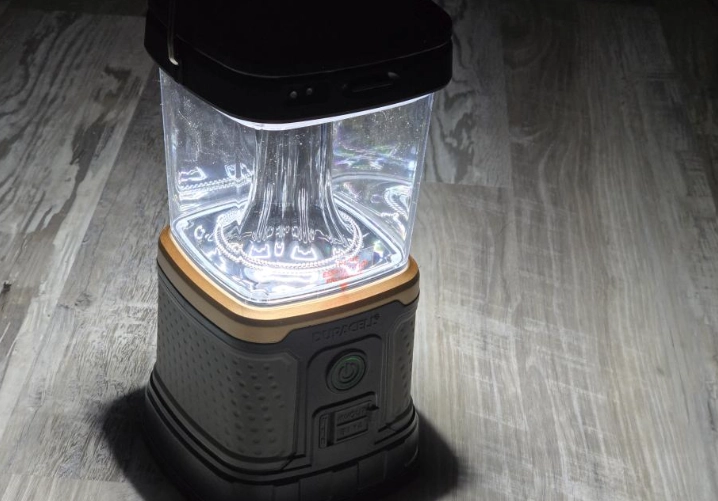
How to Read Between the Lines of a Lantern Review
Online reviews are goldmines, but you have to pan for the right nuggets. Ignore the five-star "works great!" and the one-star "DOA." Focus on the three and four-star reviews. That's where people detail actual use.
What to Look For in Real User Feedback
Runtime claims vs. reality: A review saying "lasted two nights on medium" is worth more than any manufacturer's spec sheet. Batteries behave differently in the cold.
Durability clues: Phrases like "survived a drop from the picnic table" or "the plastic hook cracked in the cold" tell you about build quality.
Light quality: Descriptions like "warm and soft" or "harsh and blue" are subjective but critical. A bright light that gives everyone a headache is a fail.
Interface complaints: If multiple reviews say "buttons are confusing" or "hard to turn on with gloves," believe them. This is a huge annoyance in practice.
My Pet Peeve: Lanterns with a single, blindingly bright "firefly" or nightlight mode. It's always either too dim to be useful or bright enough to ruin your night vision. A good low mode should let you see your shoe without waking your tentmate.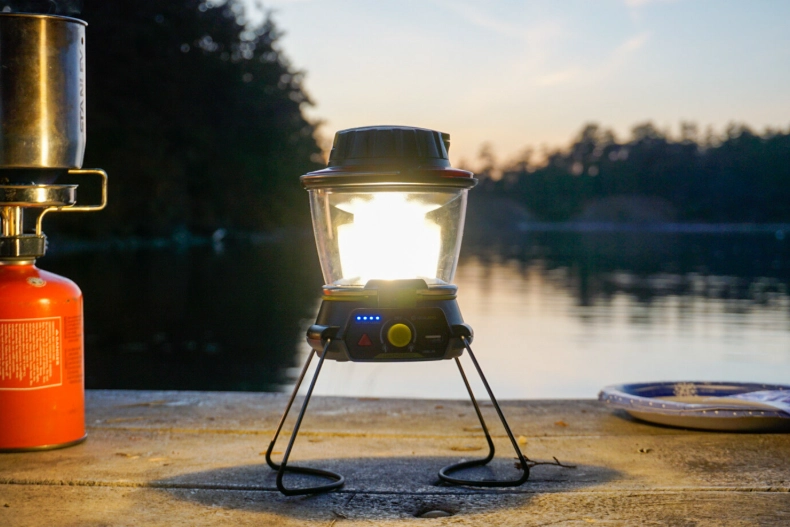
Key Features That Matter (And One That Doesn't)
Let's decode the jargon. Lumens, color temperature, IP ratings. What's crucial, and what's just marketing fluff?
Lumens (Brightness): This is the raw light output. For a tent light, 50-150 lumens is plenty. For an area light, aim for 200-500. Anything over 1000 is for lighting up a parking lot, not a cozy campsite. Dimming capability is more important than max lumens.
Color Temperature (Measured in Kelvin): This is the hue of the light. Lower K (2700K-3500K) is warm, yellowish, and cozy—like an old incandescent bulb. Higher K (5000K+) is cool, bluish, and clinical—like a hospital or a cheap LED strip. For camping, warm white is almost always better. It's less harsh on the eyes, attracts fewer bugs, and feels more natural under the stars.
IP Rating (Water & Dust Resistance): IPX4 means it can handle splashes (fine for a car camping lantern left on the table). IP67 means it's dust-tight and can survive being submerged in 1m of water for 30 minutes (ideal for backpacking, canoe trips, or rainy weather). Don't stress over this for fair-weather car camping.
The Overrated Feature: Bluetooth Speakers. I've tested several lantern-speaker combos. The speaker is always mediocre, and it murders battery life. You're better off with a dedicated small speaker and a dedicated good lantern. Combining them usually means compromising on both.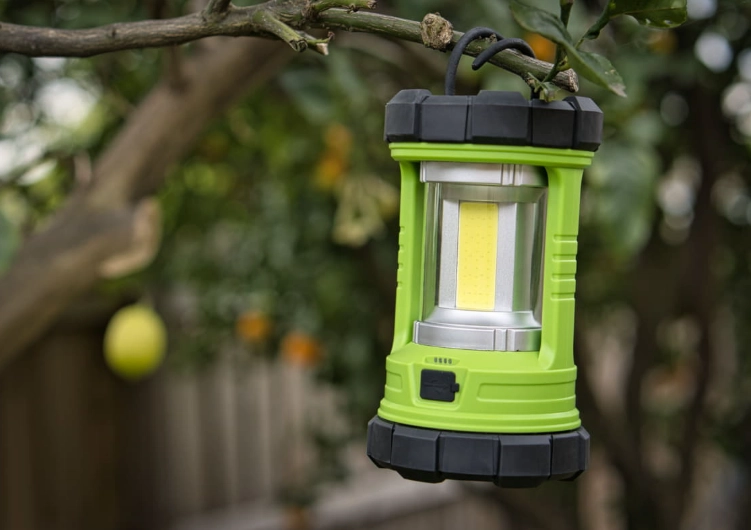
The Power & Runtime Puzzle
How do you power this thing? This decision impacts weight, cost, and convenience for years.
How Do I Choose Between Lantern Types?
Disposable Batteries (AA, AAA, D): The classic. Pros: You can find them anywhere, even in a remote general store. Swap them in seconds. Cons: Ongoing cost, waste, and they perform poorly in cold weather. Best for: Occasional campers or as a reliable backup.
Rechargeable Built-in Battery (USB-C/Lightning): The modern standard. Pros: No ongoing cost, convenient, often charge phones too. Cons: If it dies in the woods, you need a power source. Battery degrades over years. Best for: Most campers with access to a car charger or power bank.
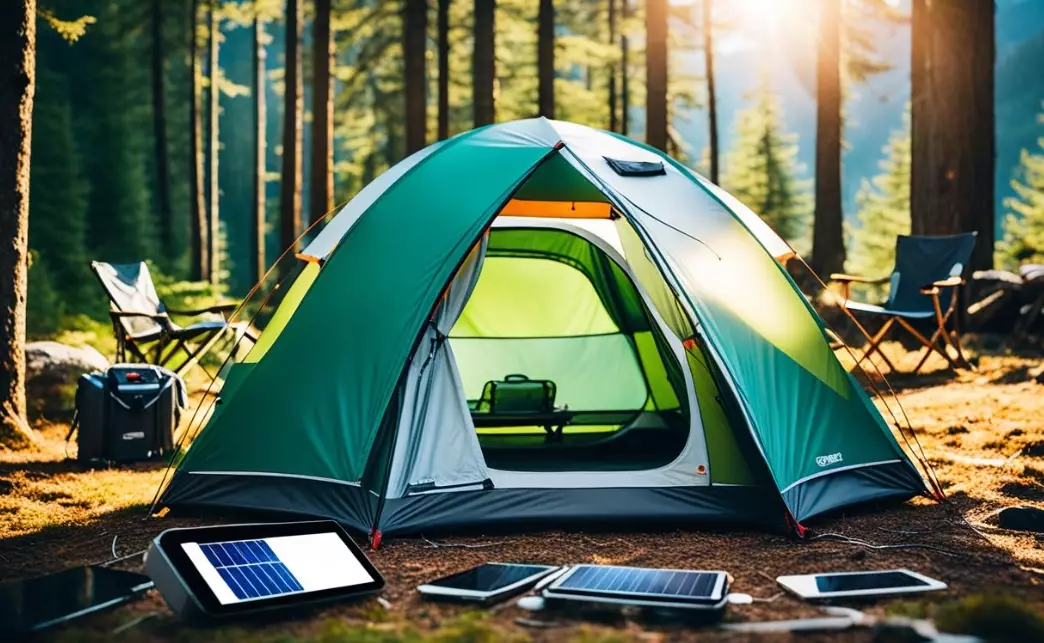
Solar Charging: Sounds perfect, right? In reality, the small panels on lanterns are very slow. You'd need days of direct sun for a full charge. View it as a nice trickle-charge bonus for long trips, not a primary power source.
What About Power and Runtime?
Manufacturer runtime is a fantasy number, usually on the lowest setting. A more useful rule of thumb: A lantern rated for 10 hours on high will give you 30-50 hours on low. Plan your battery or charge strategy around using medium/low settings 90% of the time. Crank it to high only when you're actively cooking or searching for something.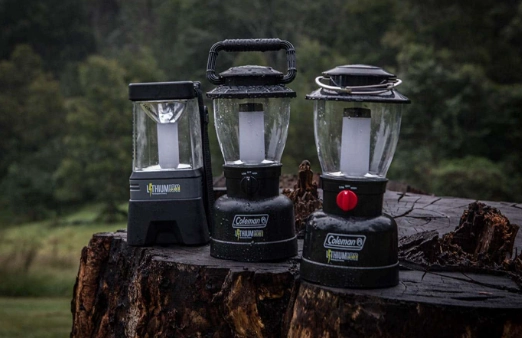
Common Mistakes and How to Avoid Them
After watching hundreds of campers, here are the subtle errors I see repeatedly.
Mistake 1: The Single Light Strategy. Relying on one big lantern is a risk. If it fails, you're in the dark. Your kit should have layers: a headlamp for hands-free tasks, a primary lantern for area light, and a small backup (even a keychain light) in your pack.
Mistake 2: Forgetting Light Pollution (For You and Others). Blasting a 500-lumen lantern on your picnic table blinds you to the beautiful fire and the stars. It also annoys neighboring campsites. Use just enough light for the task. Point lanterns downward, not out. Use red light mode if you have it—it preserves night vision and is less intrusive.
Mistake 3: Storing Batteries Inside. For lanterns using disposable cells, always remove the batteries before storing them for the season. I've opened too many "broken" lanterns to find a corroded, leaked battery compartment. It's a total loss.
A friend of mine, an avid backpacker, swore by his ultra-light mini lantern. On a solo trip, he dropped it on a rock, cracking the diffuser. That night, the unfocused LED was so glaring it was unusable. He spent the evening in his tent. The lesson? For critical gear, a little extra weight for durability is worth it.