Quick Navigation
- Why Look for a Tarp Alternative Anyway?
- The Top Contenders: Your At-Home Tarp Alternatives
- Choosing Your Champion: A Side-by-Side Comparison
- Pro Tips for Making Your Alternative Work Like a Real Tarp
- When Your Tarp Alternative Might Actually Be BETTER
- What NOT to Use as a Tarp Alternative (Safety First!)
- Wrapping It Up: Embrace the Improv
We've all been there. You're in the middle of a project, or a storm is rolling in, and you realize you're fresh out of tarps. That big blue sheet of plastic isn't in the garage where you swore you left it. Panic sets in for a second. What now? Do you run to the store? Maybe it's late, or you're on a tight budget. The good news is, you probably have something around the house that can do the job in a pinch. Figuring out what can I use instead of a tarp isn't as hard as it seems, once you know what to look for.
I remember once helping a friend move furniture in his pickup truck when rain started spitting. No tarp. We ended up using an old vinyl tablecloth and a lot of bungee cords. It looked ridiculous, but it worked. That's the spirit of this guide. It's not about finding a perfect, permanent replacement for a heavy-duty tarp. It's about practical, immediate solutions that get the job done. We'll dig into materials you might already own, break down what each one is good (and not so good) for, and hopefully save you a trip to the hardware store.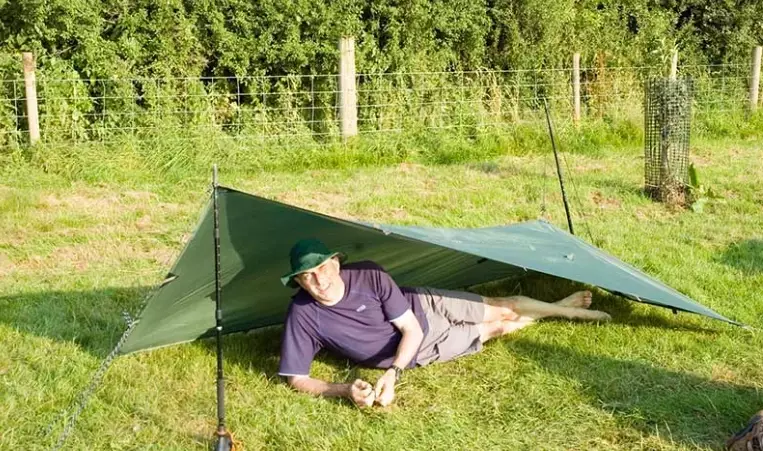
Why Look for a Tarp Alternative Anyway?
Before we jump into the list, let's think about why you might be searching for a tarp substitute. Sometimes it's pure necessity—you just don't have one. Other times, a traditional polyethylene tarp might be overkill, too noisy, too ugly for the job, or you might want something more breathable. Maybe you're covering sensitive plants and worry about condensation, or you need a temporary floor for a kids' craft project and don't want a slippery plastic sheet. Understanding your specific need is the first step to picking the right stand-in.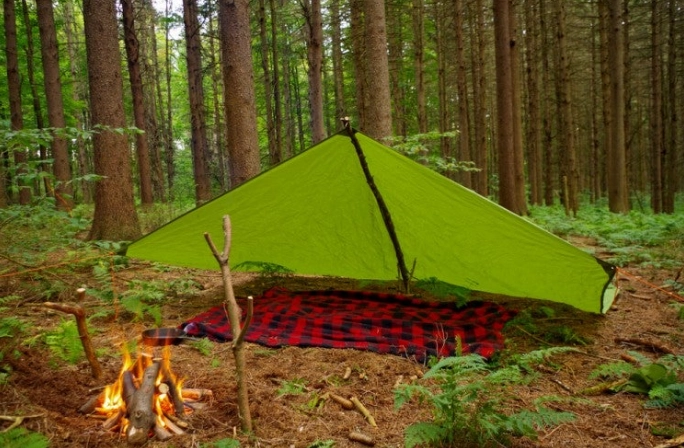
The Top Contenders: Your At-Home Tarp Alternatives
Let's get into the meat of it. What can I use instead of a tarp? Here are the most common and effective substitutes, broken down by category.
Plastic Sheeting & Painter's Drop Cloths
This is the closest cousin to a tarp. Clear plastic sheeting (like the kind you buy on a roll) or a heavy-duty painter's plastic drop cloth is a fantastic substitute. It's waterproof, lightweight, and cheap. I always have a roll of 4-mil plastic in the basement. It's saved me more times than I can count.
Best for: Indoor painting projects, temporary moisture barriers on floors, covering furniture during renovations, creating a quick greenhouse for seedlings.
Watch out: It tears easily if snagged. It's also very slippery when used as a floor cover. For outdoor use, even a slight breeze can turn it into a giant, frustrating kite unless it's very well secured. The U.S. Environmental Protection Agency has guides on using plastic for moisture control, which highlights its effectiveness as a barrier.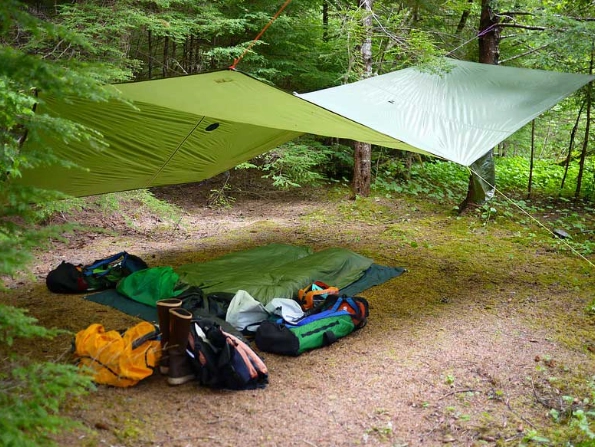
Canvas Drop Cloths & Old Towels/Blankets
Moving away from plastic, canvas is a heavyweight champion. A canvas drop cloth is durable, less slippery, and more breathable than plastic. It's not fully waterproof, but it's highly water-resistant and great for absorbing drips. On a smaller scale, thick moving blankets, old comforters, or even a stack of bath towels can be a surprisingly effective barrier.
Best for: Protecting floors from scratches during furniture moves, covering lawn equipment or grills (allows moisture to escape, reducing rust), padding fragile items, creating a soft, absorbent layer.
Watch out: Canvas is heavy when wet and can mildew if stored damp. It's also more expensive than plastic. Old blankets might soak through quickly in heavy rain.
Vinyl Shower Curtains & Tablecloths
Don't underestimate the humble shower curtain. A new or old vinyl or PEVA shower curtain is essentially a small, lightweight tarp with grommets already in place. Same goes for those thick, plastic-backed vinyl tablecloths. They're perfect for small-scale jobs.
Best for: Covering a single piece of patio furniture, lining the trunk of your car for messy loads, protecting a small workbench area, emergency ground cover for a picnic spot.
Watch out: Size is the main limitation. They're small. The material can also become brittle with age and sun exposure.
What can you use instead of a tarp for a medium-sized job? A shower curtain might be too small, but a couple of them sewn or duct-taped together? Now you're getting creative.
Trash Bags: The Ultimate Quick Fix
Everyone has trash bags. Heavy-duty contractor bags are best, but even standard large bags can be cut open to form a sheet. It's not elegant, but for a true emergency, it works.
Best for: Emergency rain cover for a backpack, instant cover for a bicycle seat, lining a small hole in a roof temporarily, protecting the top of a pile of mulch or soil from a sudden downpour.
Watch out: Incredibly flimsy. Tears at the slightest provocation. Use multiple layers if you can. It's a last-resort, short-term option only.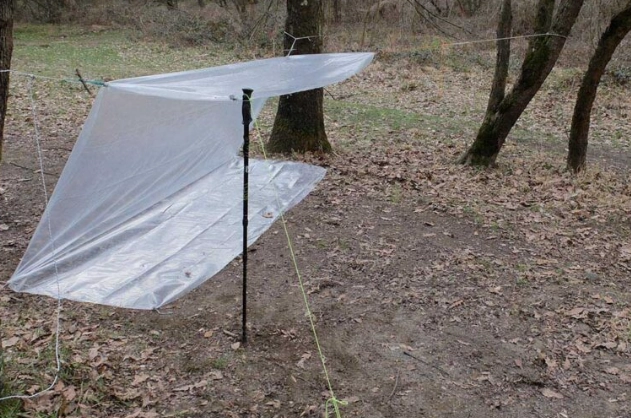
Landscape Fabric & Weed Barrier
This one is a bit niche but brilliant for certain situations. Landscape fabric is designed to be water-permeable but block weeds. It's tough, often UV-resistant, and comes in wide rolls.
Best for: Covering soil or mulch piles (lets water through but keeps the pile intact), creating a temporary path over muddy ground, protecting newly seeded lawns from birds—it allows rain and sun through while guarding the seeds.
Watch out: It's not waterproof, so don't use it to keep something dry. Its purpose is more about separation and protection from solids than liquids.
Old Carpet or Rugs
Got an old area rug headed for the dump? Give it one last job. An old carpet scrap is thick, insulating, and great for protection.
Best for: Laying under a project to catch heavy debris (sawdust, metal shavings), protecting a driveway or floor from heavy equipment like a motorcycle kickstand or jack, providing a knee-friendly surface for gardening.
Watch out: It's absorbent, so it will get wet and stay wet. Can be very heavy and difficult to clean. Not for moisture-sensitive tasks.
Choosing Your Champion: A Side-by-Side Comparison
Okay, so you have options. But which one is right for YOUR specific "I need a tarp" moment? This table should help you decide at a glance. It compares the key factors you care about: waterproofing, durability, cost, and best use case.
| Alternative Material | Water Resistance | Durability | Cost & Availability | Ideal Use Case Scenario |
|---|---|---|---|---|
| Plastic Sheeting (4-mil+) | Excellent (Fully Waterproof) | Low (rips easily) | Very Low / High (rolls at hardware store) | Indoor moisture barrier, painting, temporary cover in calm weather |
| Canvas Drop Cloth | Good (Heavy Water-Resistant) | Very High | Medium / Medium (hardware store) | Protecting floors from scratches, covering outdoor equipment long-term |
| Vinyl Shower Curtain | Excellent | Medium | Low / High (already at home) | Small outdoor furniture cover, car trunk liner |
| Heavy-duty Trash Bags | Excellent | Very Low | Very Low / Very High | Emergency, short-term rain cover for small items |
| Landscape Fabric | Poor (Water-Permeable) | High | Medium / Low (requires a trip to garden center) | Covering soil/mulch piles, creating temporary pathways |
| Old Carpet/Rug | Poor | Very High | Free / Variable (if you have one) | Protecting floors from heavy, abrasive objects |
Pro Tips for Making Your Alternative Work Like a Real Tarp
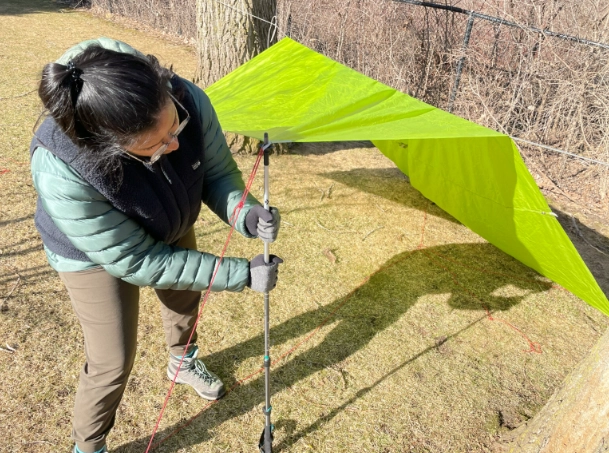
Finding the material is only half the battle. Making it stay put is the other. Tarps have reinforced grommets. Your shower curtain might have holes, but your plastic sheet definitely doesn't.
Securing Flimsy Materials (Plastic, Bags)
This is the biggest headache. For plastic sheeting or cut-open trash bags, you need to create anchor points. Don't just poke a hole—it will rip instantly.
- The Stone/Stick Method: Gather a corner of the material around a small, smooth stone or a short piece of dowel. Wrap a strong rubber band or zip tie tightly around the material below the stone. This creates a bulky, reinforced "lump" you can tie a rope to. It's a classic camping trick.
- Duct Tape Grommets: Cut a small square of duct tape. Stick it to the plastic where you want a grommet, on both sides (so it's a tape sandwich). Then, carefully punch or drill a hole through the taped area. The tape reinforces the plastic, preventing the hole from tearing out. It's not pretty, but it's effective.
- Binder Clips are Your Friend: Large binder clips can clamp onto the edge of plastic, canvas, or vinyl. Loop your rope through the metal handles of the clip. Instant, non-destructive attachment point.
Dealing with Seams and Small Pieces
If your alternative isn't big enough, you'll need to join pieces. Duct tape is the obvious choice, but for a stronger, more flexible seam, try Gorilla Tape or a similar heavy-duty cloth tape. Overlap the pieces by at least 4-6 inches and tape both sides if possible. For a more permanent fix on fabrics like canvas, a simple hand-stitch with heavy thread (like upholstery thread) will hold much better than tape.
When Your Tarp Alternative Might Actually Be BETTER
Sometimes, asking what can I use instead of a tarp leads you to a superior solution for that particular task.
- Breathability: Covering a wooden bench or metal tools? A canvas cloth or an old bed sheet will allow air to circulate, preventing trapped moisture that leads to mold or rust. A plastic tarp would create a sweaty, damp environment. The USDA Forest Service publications on wood storage often recommend breathable covers for this exact reason.
- Absorbency: Spilling paint or oil? An old towel or blanket will soak it up immediately. A tarp would just let it pool and run off, potentially making a bigger mess.
- Softness & Protection: Moving a precious hardwood table? A moving blanket taped around it is far better than a scratchy, abrasive tarp.
- Eco-Consciousness: Using an old sheet or curtain you already own is more sustainable than buying a new plastic tarp for a one-time job.
I learned this the hard way after using a blue tarp to cover some patio chair cushions. A week later, they were musty and had mildew spots underneath. A canvas drop cloth would have been the smarter choice.
What NOT to Use as a Tarp Alternative (Safety First!)
Some ideas sound good but are dangerous or destructive. Let's rule these out.
- Thin Plastic Dry Cleaning Bags or Grocery Bags: They are a suffocation hazard for children and pets and tear if you look at them wrong. Useless.
- Fiberglass Insulation Batting: Just no. The fibers are a severe skin and lung irritant. It's not a covering material.
- Cardboard: It disintegrates with the slightest moisture. It's a one-time-use floor protector for very dry, indoor messes only.
- Polyester Bed Sheets (for outdoor use): A common cotton sheet will absorb water and get heavy, but a polyester sheet is often water-repellent. However, it's so thin and lightweight that even a mild breeze will shred it outdoors. It's also highly flammable—keep it away from any heat source.
Quick-Pick Guide: What Can I Use Instead of a Tarp For...?
...covering my firewood pile? Landscape fabric or a breathable canvas cloth. Avoid plastic—it traps moisture and rots the wood.
...protecting my floor while painting a room? Canvas drop cloths. They're absorbent and non-slip. Plastic sheeting taped to baseboards for splatter.
...an emergency rain shelter while camping? A large, durable emergency poncho or a space blanket (the kind with a reflective metallic coating) strung up with paracord. The American Red Cross includes such items in emergency preparedness kits for a reason.
...lining the back of my station wagon for a muddy dog? A vinyl shower curtain or a cheap vinyl tablecloth. Easy to wipe down.
Frequently Asked Questions (The Stuff You're Really Wondering)
Let's tackle some of the specific questions that pop up when you're searching for a tarp alternative.
Can I use a blanket instead of a tarp for camping?
Under your sleeping bag? Absolutely—it's called a ground cloth, and an old wool blanket is great for extra insulation. Over you as a rainfly? Not unless it's a tightly woven, wool "camp blanket" treated with lanolin or wax. A regular household blanket will soak through quickly, become incredibly heavy, and make you cold. For a rainfly, a dedicated rain poncho, a space blanket (for short emergencies), or a purpose-made footprint are better answers to what can I use instead of a tarp.
Is a shower curtain waterproof enough for outdoor furniture?
Yes, a vinyl or PEVA shower curtain is 100% waterproof. The issue is durability against sun (UV rays) and wind. It will become brittle and crack over a season of full sun. For a single season or temporary cover, it's perfect. For long-term, year-round protection, invest in a proper, UV-resistant furniture cover.
What's the cheapest alternative to a tarp?
If you have to buy something, plastic sheeting by the roll is almost always cheaper per square foot than a pre-cut tarp. If you're using what you have, cut-open heavy-duty trash bags are essentially free. But remember, cheap often means less durable. You might go through several trash bag "tarps" in the time one real tarp would last.
How can I make a tarp alternative more waterproof?
For fabrics like canvas or heavy cotton, you can treat them with a waterproofing spray (like those used for tents or hiking gear). For seams on plastic, ensure your tape is completely waterproof (duct tape is not, surprisingly—the adhesive fails when wet). Use a vinyl repair tape or silicone sealant along the seam on the *top* side where water hits.
Wrapping It Up: Embrace the Improv
So, the next time you're facing a covering crisis without the classic blue tarp, don't stress. Take a breath and look around. You likely have a solution within reach. The key is to match the material's strengths to your task's demands. Ask yourself: Do I need waterproof or just resistant? Do I need durability or just a one-time barrier? Is breathability important?
Figuring out what can I use instead of a tarp is really about resourcefulness. It's about seeing the potential in everyday objects. That old vinyl tablecloth isn't just for birthdays anymore. That moving blanket in the attic has another job left in it. Sometimes the makeshift solution is just as good, if not better, for the specific problem at hand. And honestly, there's a small bit of satisfaction that comes from making it work with what you've got, instead of running out to buy something new. Give it a try.
Got a creative tarp alternative that saved the day? I once used a kiddie pool liner to cover a broken car window overnight during a rainstorm. It was ugly, but it worked perfectly. Sometimes the weirdest stuff is the answer.