There's a special kind of freedom that comes from motorcycle camping. You're not just traveling from point A to B; you're carrying your home on two wheels, free to stop wherever the road looks inviting. It strips travel down to its essentials: the bike, the gear, the road, and you. But that simplicity requires planning. Forget something crucial, and a dream trip can turn into a miserable slog.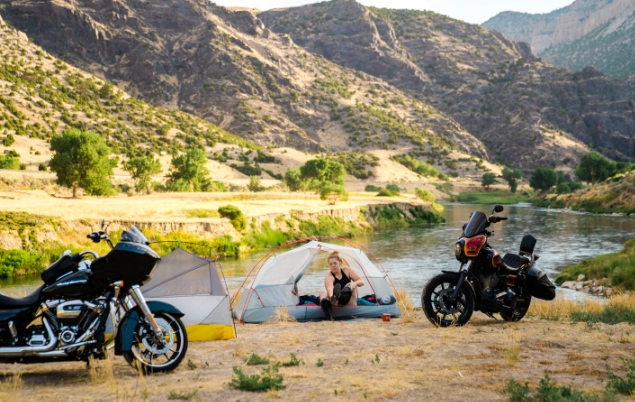
I've been doing this for over a decade, from weekend escapes in the Appalachians to month-long treks out West. I've made every packing mistake in the book and learned a few secrets the hard way. This guide isn't just a list of things to buy. It's the manual I wish I had when I started, focused on making your motorcycle camping trip not just possible, but unforgettable.
What's Inside This Guide
The Non-Negotiable Motorcycle Camping Gear List
You can't take your entire garage. The key is multi-use, compact, and durable. I see riders overload their bikes with giant, heavy bags that throw off handling. Your gear should make the ride better, not worse.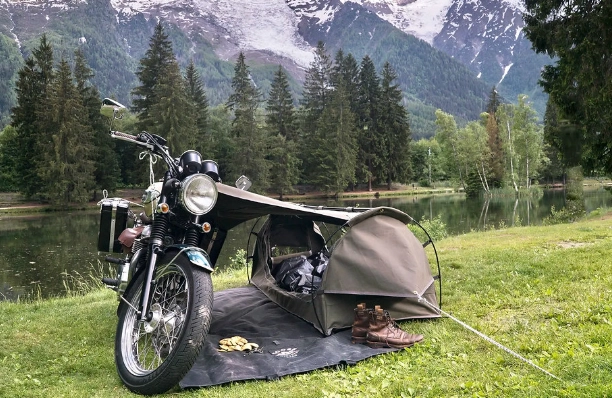
Shelter & Sleep System: Your Mobile Bedroom
This is where you'll feel the biggest difference from car camping. Weight and packed size are everything.
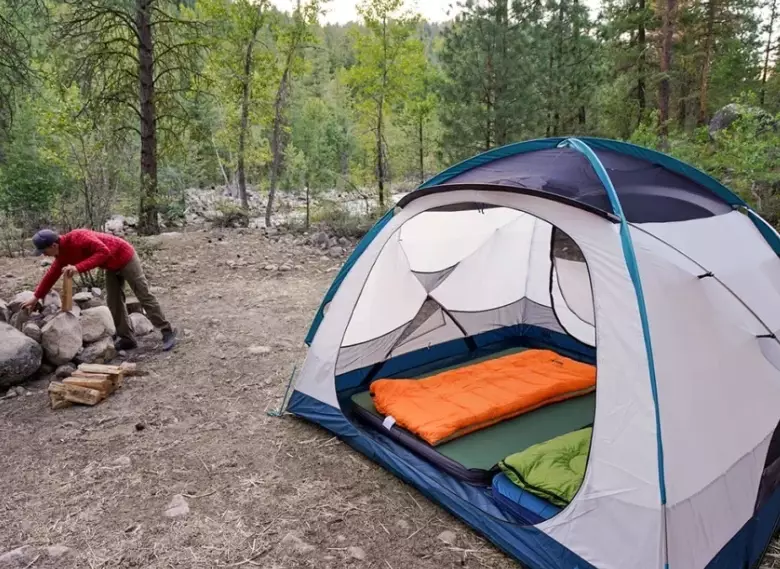
- Tent: A compact, freestanding backpacking tent is ideal. Look for a "2-person" size for one rider + gear, or a 3-person for two. My go-to is a model that pitches with just the fly and footprint for fast setup in rain. Avoid bulky dome tents meant for drive-in sites.
- Sleeping Bag: Temperature rating is critical. Get a bag rated for temperatures 10°F (5°C) colder than you expect. A down bag packs smaller but fails when wet. Synthetic is bulkier but more forgiving. A compression sack is mandatory.
- Sleeping Pad: This isn't luxury; it's insulation. The ground sucks heat. A lightweight inflatable pad offers the best comfort-to-size ratio. Don't rely on a cheap foam roll.
Motorcycle-Specific Luggage
Soft luggage (panniers, tail bags, tank bags) is generally preferred for its flexibility and safety in a drop. Hard cases offer better security and waterproofing but are expensive and fixed.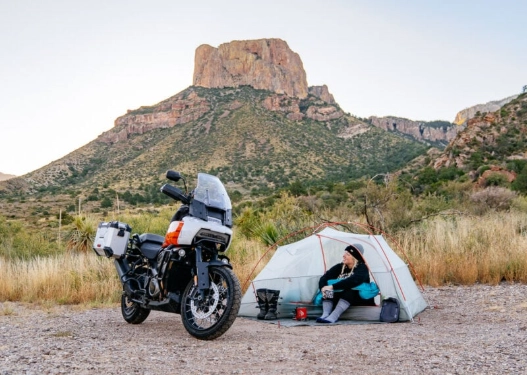
| Luggage Type | Best For | Watch Out For |
|---|---|---|
| Waterproof Dry Bags | Budget option, ultra-flexible packing, 100% waterproof. | Can be awkward to strap securely. Less protection for fragile items. |
| Tail Bag | Easy access to daily essentials, doesn't affect bike width. | Limited capacity. Can shift if not secured properly. |
| Soft Panniers | Balanced weight distribution, good capacity. | Can get caught on things in tight spaces. Requires a rack. |
| Hard Panniers (Top Box & Sides) | Security, lockable, excellent weather protection. | Expensive. Adds width. Can damage in a crash and be hard to repair on the road. |
The Toolkit & Safety Kit
Beyond your bike's manual toolkit, add a few motorcycle camping essentials: a compact tire repair kit (like RevZilla often recommends), a small air compressor or CO2 inflator, a multi-tool with pliers, extra fuses, a length of duct tape wrapped around a pencil, and a small bottle of chain lube if applicable. A compact first-aid kit and a personal locator beacon (PLB) or satellite messenger are not gadgets; they're insurance for remote rides. The US Forest Service advises always telling someone your route and check-in times.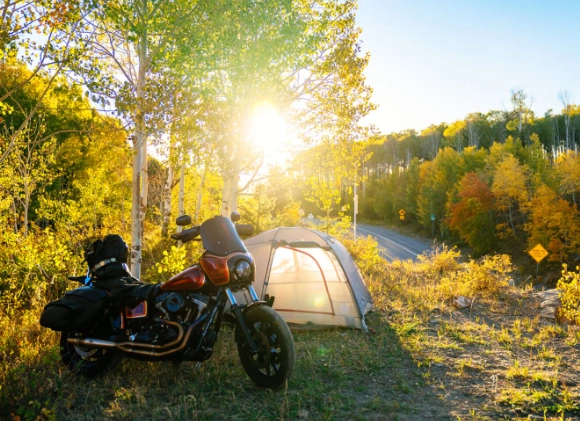
How to Pack Your Motorcycle: The Weight & Balance Game
Packing wrong makes your bike handle like a drunk whale. The golden rule: keep weight low and centered.
- Heaviest Items Low & Center: Tools, spare parts, cookware. Pack these in the bottom of your panniers or low on the seat.
- Medium Weight Mid/Forward: Food, water, fuel canisters. The tank bag is perfect for dense items.
- Light & Bulky on Top: Sleeping bag, tent (if not in a separate bag), clothes in a dry bag strapped on the passenger seat or top box.
Before you leave, sit on the loaded bike. Can you flat-foot it comfortably? Does it feel tippy? Do a slow, tight turn in a parking lot. If it feels unstable, repack.
3 Epic Motorcycle Camping Routes for Every Rider
Here are three tested routes that blend incredible riding with fantastic public lands camping. Always check for fire restrictions and permits before you go.
1. The Blue Ridge Parkway & Pisgah NF (Beginner/Intermediate)
Distance: 250-400 miles (flexible loops) | Terrain: Sweeping curves, mountain views.
This is motorcycle camping paradise. The Parkway itself has limited camping, but darting off onto Forest Service roads in the adjacent Pisgah National Forest reveals dozens of first-come, first-served dispersed sites. A classic stop is the Davidson River Campground area (fee-based, with amenities) near Brevard, NC, giving you a base to explore waterfalls. Ride the parkway early to avoid RVs.
2. The Oregon Backcountry Discovery Route (Section) (Intermediate/Advanced)
Distance: A 200-mile section (e.g., Section 3) | Terrain: Mixed pavement, gravel, forest roads.
For the adventure bike crowd, the Oregon BDR is legendary. You'll need a bike capable of light off-road and solid navigation skills (GPS recommended). The reward? Camping in deep pine forests by alpine lakes you'll have almost to yourself. Target the Ochoco National Forest section. Be self-sufficient—services are sparse.
3. Michigan's Upper Peninsula Shoreline (All Levels)
Distance: 300-mile loop along Lake Superior | Terrain: Coastal highways, relaxed curves.
Start in Munising, camp at the rustic Kingston Lake State Forest Campground. Ride north to Grand Marais, then west along H-58—a stunning mix of pavement and hard-packed gravel through the Pictured Rocks lakeshore. Dispersed camping is allowed in parts of the Hiawatha National Forest with a permit. End with a pasty (a local meat pie) in Marquette. The vibe is relaxed, the scenery massive.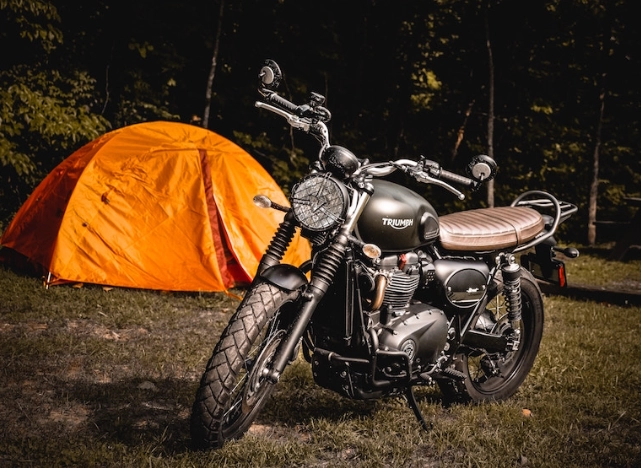
Setting Up Camp & Living on the Road
You've arrived. Now what? Efficiency is key when you're tired.
Site Selection: Look for level ground free of rocks and roots. In bear country (which is most wild places), store food, toiletries, and cookware in a bear canister or hang it 100+ yards from your tent. A small, quick-setup tarp is worth its weight for a dry cooking/eating area if rain threatens.
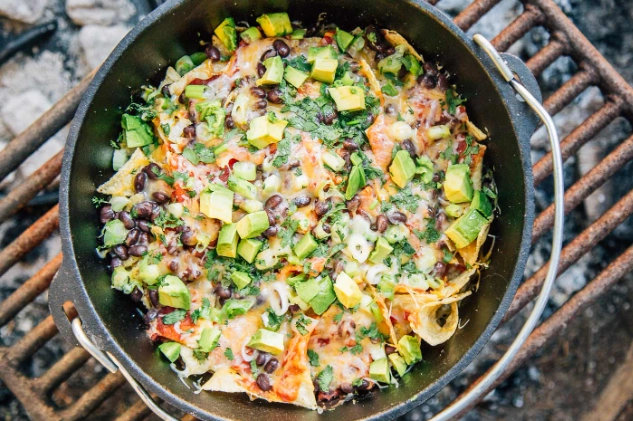
Cooking: A compact backpacking stove (like a Jetboil or MSR PocketRocket) is perfect. Dehydrated meals are easy, but don't underestimate the morale boost of a simple fresh meal. I often pack tortillas, cheese, and a summer sausage for first-night tacos.
The Mental Shift: Motorcycle camping is about embracing minimalism. Your world shrinks to the circle of your headlamp. That's the magic. There's no TV, no internet. You notice the sound of the wind, the smell of pine, the quality of light. It's a reset button.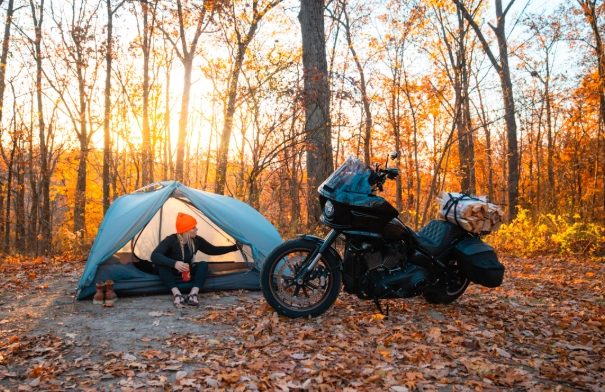
Your Motorcycle Camping Questions, Answered
Plan a "refresh" stop every 2-3 days. Many towns have public pools or community centers with showers for a small fee. Truck stops (like Love's or Pilot) are a rider's best friend—showers, cheap food, and WiFi. For in-between days, pack a pack towel and biodegradable soap. A solar shower bag (a black bag you fill with water) left on your bike in the sun can provide a surprisingly warm rinse at camp. Baby wipes are the classic backup, but please pack them out.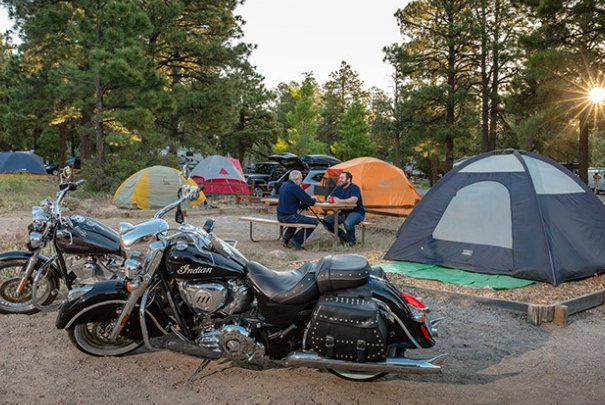
This is a real concern. First, choose established campgrounds with a host when you know you'll need to leave gear. For dispersed camping, the low-tech method is best: put everything inside your tent, zip it up, and make it look like no one is there. Hard luggage that locks is great here. For soft luggage, I use lightweight bicycle cable locks to loop through all the bag handles and around a tree. It won't stop a determined thief, but it prevents a casual grab-and-run. The ultimate solution? Plan so you don't have to leave. Get supplies on the way to camp.
This is critical. Use an app like Rever or Calimoto to plot your route and note every gas station. Then, assume the last one is closed. I add a 1-gallon Rotopax or MSR fuel bottle to my kit for remote stretches. It's a safety net that opens up so many more routes. Also, ride conservatively—aggressive throttle use can drop your mileage significantly. If you're on an adventure bike, some aftermarket tanks can double your range, but that's a major investment.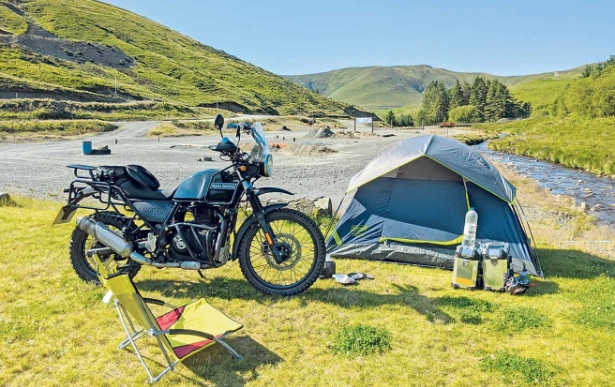
Safety is about preparation, not gender. The risks—weather, mechanical issues, wildlife—are the same. The community is overwhelmingly positive. That said, trust your instincts. Share your live location with a friend via your phone or satellite device. Choose more populated campgrounds if you're uneasy. Carry personal safety tools you're comfortable with and know how to use. Many women I ride with find solo motorcycle camping incredibly empowering. Start with a short, familiar overnight trip to build confidence. The solitude is part of the reward.