What You'll Find in This Guide
I still remember my first camping trip with swimming—it was a mess. I packed all the wrong gear, picked a campsite with murky water, and spent half the time worrying about safety. But over the years, I've learned how to blend camping and swimming into a perfect outdoor escape. If you're thinking about it, you're in for a treat, but only if you get it right. This guide cuts through the fluff and gives you the real deal on destinations, gear, and safety, straight from someone who's made all the mistakes so you don't have to.
Why Combine Camping and Swimming?
Let's be honest: camping near water isn't just about cooling off. It's about that feeling when you wake up to the sound of a stream, hike to a hidden waterfall, or float under the stars. But here's something most guides don't tell you—swimming while camping can actually save your trip on a hot day. I once camped in Arizona without water access, and by noon, we were desperate. Water activities keep kids entertained, offer a low-impact workout, and turn a basic campsite into an adventure hub.
Think about it. You're already outdoors; why not add another layer of fun? But it's not all sunshine. If you pick the wrong spot, you might deal with algae blooms, crowded beaches, or even dangerous currents. That's why planning matters.
How to Choose the Perfect Campsite with Swimming Access
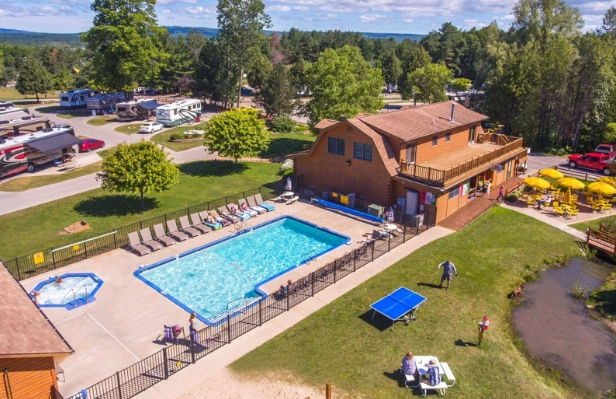
Picking a campsite for swimming isn't just about finding water nearby. You need to consider access, water quality, and regulations. Start by checking if swimming is allowed—some protected areas ban it to preserve ecosystems. Look for campsites with designated swimming areas; they're usually safer and better maintained.
Here's a tip from my own blunders: always call ahead or check official websites like the National Park Service for current conditions. I learned this the hard way when a favorite lake was closed due to bacterial contamination. Also, consider the water source. Rivers can have strong currents, lakes might be weedy, and oceans bring tides and salt. For families, calm lakes or slow-moving rivers work best.
Distance matters too. If the swimming spot is a mile hike from your tent, you'll think twice about going back for forgotten gear. Aim for campsites within a 10-minute walk to the water.
Key Factors to Evaluate
Water Quality: Look for clear water with no odd smells. Avoid stagnant areas where mosquitoes breed.
Safety Features: Check for lifeguards, warning signs, or shallow areas for kids.
Accessibility: Is there a easy path to the water? Steep banks can be tricky with gear.
Don't forget fees. Some campgrounds charge extra for water access, while others include it in the camping fee. Budget around $20-$50 per night for popular spots.
Essential Gear Checklist for Water-Based Camping
Packing for camping with swimming is a different beast. You need standard camping gear plus water-specific items. I've seen people show up with just a towel and regret it. Here's a no-nonsense list based on my experience.
| Item | Why You Need It | Pro Tip |
|---|---|---|
| Quick-dry towel | Regular towels stay wet and smell. Quick-dry ones pack small. | Get a microfiber one—it dries in minutes. |
| Water shoes | Protects feet from rocks, shells, and hot sand. | Don't cheap out. I once cut my foot on a hidden rock. |
| Dry bag | Keeps phones, keys, and clothes dry while swimming. | Use a 10-liter bag for essentials. |
| Swimsuit | Obvious, but pack an extra. Wet suits are uncomfortable. | Choose quick-dry material to avoid chafing. |
| Sun protection | Water reflects UV rays, increasing burn risk. | Reef-safe sunscreen and a hat are musts. |
| First-aid kit | Cuts, scrapes, and jellyfish stings happen. | Include antiseptic wipes and bandages. |
Beyond this, consider a portable water filter if you're swimming in natural bodies—sometimes you might want to drink from streams, but always purify first. A lightweight inflatable raft can add fun, but it's not essential. Pack everything in waterproof containers; I've ruined a sleeping bag because a damp towel was stored nearby.
Personal Note: On a trip to the Rockies, I skipped water shoes and ended up with blisters from rocky lake beds. Now, I never leave without them. It's these small items that make or break your comfort.
Top 5 Camping Destinations with Amazing Swimming
Based on my travels and recommendations from outdoor forums, here are five spots that nail the camping-with-swimming experience. Each offers something unique, from crystal-clear lakes to ocean fronts.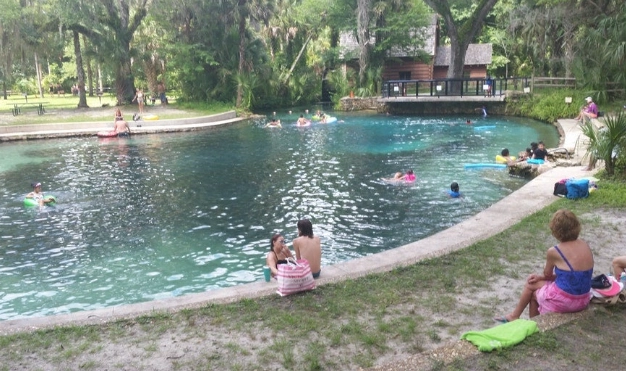
1. Lake Tahoe, California/Nevada
Address: Various campgrounds like D.L. Bliss State Park, CA
Why it's great: The water is incredibly clear, with designated swimming beaches. Campsites are close to shore, and you can rent kayaks. Fees range from $35-$50 per night. Open year-round, but summer is best. Check the USDA Forest Service site for updates on water quality.
2. Assateague Island, Maryland
Address: Assateague State Park, MD
Why it's great: Camp right by the ocean with wild horses roaming. Swimming in the Atlantic is refreshing, and there are lifeguards in summer. Campsites cost about $30-$40. Note: mosquitoes can be brutal—bring repellent.
3. Havasu Falls, Arizona
Address: Havasupai Reservation, AZ
Why it's great: Turquoise waterfalls make for epic swimming holes. It's a hike-in campground, so pack light. Permits are required and sell out fast; book months ahead. Costs around $100 per person per night. Water is cold but worth it.
4. Boundary Waters, Minnesota
Address: Superior National Forest, MN
Why it's great: Secluded lakes perfect for canoe camping. Swim right from your campsite. No motorboats, so it's peaceful. Camping fees are minimal, but you need a permit from the U.S. Forest Service. Summer water temps are mild.
5. Zion National Park, Utah
Address: Watchman Campground, UT
Why it's great: The Virgin River offers refreshing swims after hiking. Campsites are near the river, with stunning red rock views. Fees are $20-$30. Check park alerts for flash flood risks—safety first.
These spots fill up quickly, so reserve early. I missed out on Havasu Falls once because I waited too long.
Safety First: Rules for Swimming in Natural Waters
Swimming in lakes, rivers, or oceans isn't like a pool. Currents, wildlife, and weather can turn fun into danger fast. Here are rules I've learned through close calls.
Always scout the water before diving in. Look for submerged logs, rocks, or sudden drop-offs. I once jumped into a river without checking and hit a shallow spot—luckily, it was just a bruise. If you're with kids, stick to shallow, calm areas.
Weather matters. Avoid swimming during storms; lightning is a real threat. After heavy rain, rivers can swell and become treacherous. Check forecasts via the National Weather Service.
Wildlife awareness is key. In some areas, you might encounter snakes, algae, or even alligators. Know the local hazards. For example, in Florida, avoid swimming at dusk when alligators are active.
Never swim alone. It sounds obvious, but when you're tired after hiking, it's tempting. Bring a buddy, and keep an eye on each other.
Here's a non-negotiable: learn basic water rescue. I took a course years ago, and it helped me assist a struggling swimmer once. It's not just for experts.