What You'll Find in This Guide
- What Exactly Is a Camping Festival?
- How to Pick the Perfect Camping Festival for You
- The Non-Negotiable Gear You Can't Forget
- Smart Planning: From Booking to Setting Up Camp
- Inside Tips: Navigating the Festival Like a Pro
- Feeding the Crew: Food Strategies That Save Money and Time
- Staying Safe and Being a Good Neighbor
- Questions You Might Be Hesitant to Ask
Let's be honest. When you hear "camping festival," what comes to mind? For most people, it's a chaotic mix of loud music, expensive food trucks, and sleeping in a muddy field. But that's only if you don't know what you're doing.
I've been to more than a dozen camping festivals over the past ten years, from small community gatherings to massive multi-day events. And I can tell you this: the difference between a miserable experience and an unforgettable one often comes down to a few simple, overlooked details.
You're not just going camping. You're entering a temporary village built on shared passion. That changes everything.
What Exactly Is a Camping Festival?
At its core, a camping festival is an organized event where participants camp overnight, typically in tents, RVs, or other temporary shelters. It combines the communal spirit of a festival with the immersive experience of outdoor living. But here's the thing most guides won't tell you: the camping itself is secondary. The real draw is the curated blend of activities, people, and environment that you won't find anywhere else.
Think of it as a choose-your-own-adventure weekend. You might spend your days attending workshops on wilderness survival, learning about sustainable living practices, or simply relaxing by a campfire with new friends. The key is that there's something for everyone, regardless of your usual comfort level with camping.
How to Pick the Perfect Camping Festival for You
This is where most people make their first big mistake. They pick a festival based on the headlining music act or the Instagram appeal, without considering whether the overall vibe matches their personal camping style and expectations.
Let me give you a concrete example. A few years back, I went to a highly-rated "forest immersion" festival. The photos looked magical: yoga sessions at sunrise, gourmet plant-based meals, and acoustic music under the stars. What they didn't show was the 45-minute hike from the parking area to the main stage, through a path that turned into a slippery mud slope after the first night of rain. The yoga was real, but so was the fact that the nearest water source was a 10-minute walk away, and the "gourmet" meals were served from a single food truck with a two-hour wait time.
So, how do you avoid this? Start by asking yourself these questions:
- What's my actual tolerance for discomfort? Be brutally honest. If you consider a 15-minute walk to the bathroom to be a major inconvenience, a festival requiring a 30-minute hike between stages might not be for you.
- What do I really want to get out of this experience? Is it about seeing your favorite band in a unique setting? Learning a new skill? Or simply disconnecting from your daily routine in a beautiful natural environment?
- How much logistical effort am I willing to put in? Some festivals are incredibly well-organized, with clear signage, ample facilities, and helpful staff. Others are more of a "figure it out yourself" adventure. Know which camp you fall into.
Researching the Festival Details
Once you have a rough idea of your priorities, it's time to dig into the specifics. Don't just rely on the official festival website. Those are designed to sell tickets. Instead, look for independent reviews, YouTube vlogs from previous attendees, and social media discussions (especially in Facebook groups or Reddit threads dedicated to that festival). Here's what you should be looking for:
Critical details most attendees forget to check:
- Parking and transportation: Is there a designated parking area? How far is it from the camping area? Are there shuttles available, or do you need to walk? What's the terrain like? (A flat, grassy field is very different from a hilly, forested area.)
- Arrival and check-in times: Many festivals have strict windows for arrival. Showing up late might mean you're stuck in a distant overflow parking lot.
- Campsite selection process: Is it first-come, first-served? Can you reserve a specific spot? Are there quiet zones or family-friendly areas? This can make a huge difference in your overall experience.
- Facilities and amenities: This goes beyond just toilets and showers. Are there charging stations for electronic devices? Is there potable water available on-site, or do you need to bring your own? What about cell phone reception? (Some remote festivals have little to no signal.)
Understanding the Festival Rules
Every festival has its own set of rules, often buried deep in the FAQ or terms and conditions. These aren't just bureaucratic red tape; they're there for a reason. Common restrictions include:
- Open flames: Many festivals prohibit open fires altogether, while others allow them only in designated fire pits. This is especially common in areas prone to wildfires.
- Alcohol and glass container policies: Some festivals are completely dry, while others allow alcohol but only in specific areas (like the main stage area but not the campgrounds). Glass containers are almost always prohibited for safety reasons.
- Pet policies: If you're planning to bring your furry friend, check if pets are allowed at all, and if so, whether they need to be on a leash at all times. Some festivals have designated pet areas, while others require pets to be kept in a kennel at all times.
- Noise curfews: Most festivals have designated quiet hours, typically from 10pm or midnight until 8am. This is non-negotiable and enforced by security.
The Non-Negotiable Gear You Can't Forget
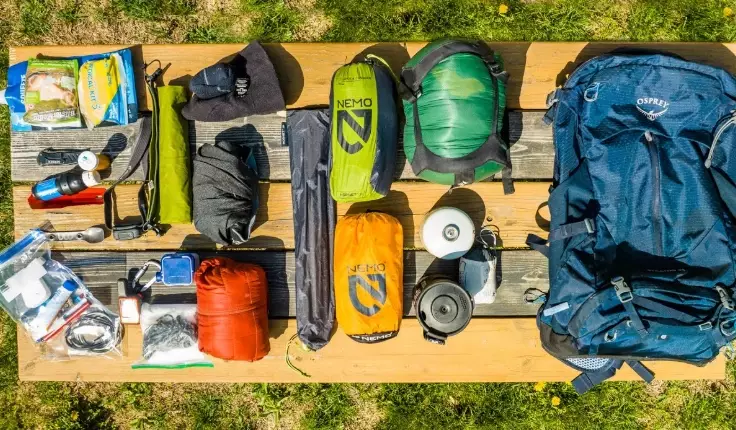
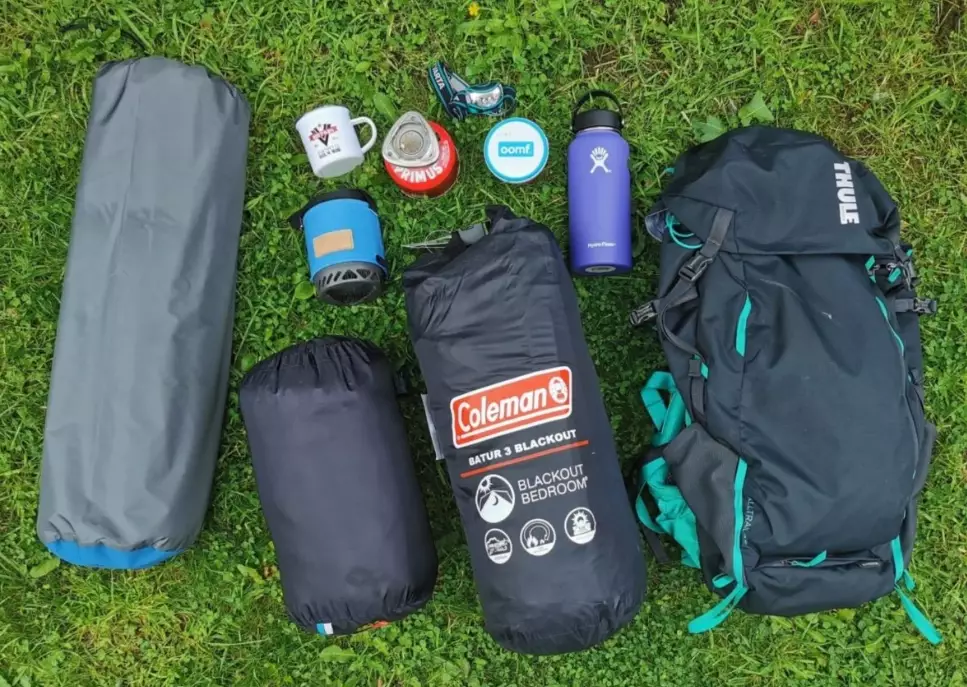
Your gear can make or break your festival experience. I've seen people show up with brand-new, expensive equipment that fails within the first few hours because they didn't test it beforehand. I've also seen people with decades-old, reliable gear that outlasts everything else on the field.
Here's my controversial take: you don't need the latest, most expensive gear to have a great time. In fact, some of the most essential items are often the cheapest and most overlooked. Let's break it down by category:
Shelter: Your Home Away From Home
Your tent is your castle. It needs to be sturdy enough to withstand wind, rain, and potential rowdy neighbors. But here's the mistake most people make: they focus on the tent's waterproof rating and ignore its ventilation. A poorly ventilated tent on a hot day can feel like a sauna, and condensation can build up overnight, leaving you damp and cold.
Instead of chasing the highest waterproof rating (which is often overkill for most festivals), look for a tent with good ventilation features like mesh panels and windows that can be opened and closed. And for goodness sake, practice setting it up at home before you go. I've lost count of the number of people I've seen struggling with their poles in the dark, in the rain, while their neighbors are already settled in and enjoying the show.
Sleeping System: The Foundation of Comfort
Your sleeping bag and pad are arguably more important than your tent. You'll spend roughly a third of your festival time in them, so they better be comfortable. The common mistake is choosing a bag based solely on its temperature rating, without considering its shape, insulation type (down vs. synthetic), and how well it fits your body.
Down is warmer for its weight, but it loses its insulating properties when wet. Synthetic insulation, while bulkier, retains heat better when damp. For a camping festival where weather can be unpredictable, I'd lean towards a synthetic-filled bag or a down bag with a good water-resistant treatment.
And don't forget the sleeping pad. An inflatable pad is more comfortable but can puncture. A foam pad is more durable but less comfortable. Consider a self-inflating pad as a good compromise between comfort and durability.
Clothing and Footwear: Dressing for Success
This is where personal experience comes in. I once made the mistake of packing only for warm weather, assuming the festival would be held in a sunny, open field. It wasn't. The first night dipped into the low 40s (Fahrenheit), and I spent it shivering in my thin summer sleeping bag.
Now, I always pack layers, including a warm base layer, a mid-layer, and a waterproof outer layer, regardless of the forecast. I also bring an extra pair of socks and a hat for sleeping, because losing heat through your head and feet can make a huge difference in your comfort level.
Smart Planning: From Booking to Setting Up Camp
Logistics matter. A lot. And they're often the most overlooked part of festival planning. Here's a step-by-step guide based on my own hard-learned lessons:
- Booking your tickets and campsite: Do this as early as possible. Popular festivals sell out months in advance, and the best campsites go quickly. Some festivals even offer early bird discounts for booking well ahead of time.
- Planning your travel: Consider how you're getting there. If you're driving, what's the parking situation like? Is there a designated parking area, or is it street parking? How far is it from the festival entrance? If you're flying, how are you getting from the airport to the festival site?
- Packing your gear: Make a list and check it twice. Then check it again. I use a physical checklist that I laminate and keep in my gear closet, so I can visually confirm each item as I pack it.
- Setting up camp: Arrive early. This gives you time to scope out the lay of the land, find a good spot, and set up before the crowds arrive. It also allows you to get a feel for the overall vibe of the festival and make any necessary adjustments to your setup before things get too busy.
Arrival and Check-In
Most festivals have designated check-in times. Showing up outside of these times might mean you're stuck in a long line or, worse, not allowed in at all. Some festivals even have strict cutoff times for arrival, after which you won't be allowed to enter the grounds.
Once you're in, take a moment to orient yourself. Find the main stages, food vendors, water sources, and restrooms. Note any potential hazards like uneven terrain, low-hanging branches, or areas that might become muddy in case of rain. And most importantly, introduce yourself to your neighbors. A friendly face can make all the difference in an emergency.
Inside Tips: Navigating the Festival Like a Pro
Festival grounds can be overwhelming, especially for first-timers. Here are a few insider tricks I've picked up over the years:
- Wear comfortable, broken-in shoes. You'll be doing a lot of walking, often on uneven terrain. Blisters are the quickest way to ruin your weekend.
- Carry a small backpack or fanny pack. Keep your essentials (phone, wallet, keys, ID, water, snacks) on you at all times. This also serves as a hands-free way to carry your trash out.
- Stay hydrated. It's easy to forget to drink water when you're caught up in the excitement. Dehydration can lead to headaches, fatigue, and worse.
- Know your limits. It's okay to take breaks, to step away from the crowd, to find a quiet spot to recharge. Pushing yourself too hard can lead to exhaustion and a less enjoyable experience overall.
- Have a plan for meeting up with friends. Cell phone service can be spotty or non-existent in some areas. Designate a specific meeting spot and time in case you get separated.
Using Landmarks
Instead of trying to memorize the entire layout of the festival grounds (which is nearly impossible), focus on a few key landmarks. These could be:
- A distinctive stage design (like the giant tree-shaped main stage at the festival I mentioned earlier).
- A unique art installation (like the mirrored disco ball that served as a central meeting point).
- A specific food vendor (like the taco truck that was always parked in the same spot).
- Your own campsite (make sure you can see it from a distance, or at least remember what it looks like from the outside).
Feeding the Crew: Food Strategies That Save Money and Time
Food at festivals can be expensive, and lines can be long. Here's how to eat well without breaking the bank or wasting precious time:
Plan your meals ahead of time. This might sound obvious, but it's something most people don't do. Decide which meals you'll eat at the festival and which you'll prepare yourself at your campsite. This can save you a significant amount of money and time.
If you're planning to cook at your campsite, make sure you have all the necessary equipment and ingredients. Don't forget fuel for your stove, and consider bringing a cooler with ice to keep perishable items fresh. Also, think about portion sizes and how many people you'll be feeding. It's easy to overestimate and end up with too much food, or worse, not enough.
If you're planning to buy food at the festival, research the vendors ahead of time. Look for reviews online, check their menus for prices and portion sizes, and consider any dietary restrictions you or your group might have. Some festivals even allow you to pre-order meals for pickup, which can save you even more time.
And finally, don't forget about hydration. Bring a reusable water bottle and fill it up regularly. Many festivals have free water refill stations, but they can be crowded and have long lines. Having your own supply ensures you stay hydrated throughout the day.
Staying Safe and Being a Good Neighbor
Safety should always be your top priority, especially in a crowded festival environment. Here are some basic guidelines to follow:
- Be aware of your surroundings. This includes knowing where the exits are, avoiding isolated areas (especially at night), and keeping an eye on your belongings at all times.
- Stick with a buddy or group. There's safety in numbers. If you do get separated, have a plan for meeting up at a designated spot and time.
- Keep your phone charged and on you. But also be mindful of not relying on it too heavily, as service can be spotty or non-existent.
- Follow the festival's rules and guidelines. These are there for a reason, and violating them can result in removal from the event.
- Be respectful of your neighbors. This includes keeping noise levels down during quiet hours, cleaning up after yourself, and generally being a good person to be around.
Campfire Safety
If you're planning to have a campfire, make sure you do it safely. This means:
- Only building fires in designated fire pits. If none are available, don't build one at all.
- Keeping the fire small and manageable. Never leave it unattended, and always have a way to extinguish it completely before leaving it or going to sleep.
- Keeping a bucket of water or sand nearby. This can be used to douse the fire if it gets out of control.
- Being aware of any local fire bans or restrictions. These can change quickly, especially in dry or windy conditions.
Respecting the Environment
Leave no trace. This means packing out everything you brought in, including all trash. It also means being mindful of where you set up camp, avoiding damaging vegetation or disturbing wildlife, and generally leaving the area better than you found it.
It's a simple principle, but one that's often overlooked in the excitement of the moment. By following it, you help ensure that these beautiful natural spaces remain available for future generations to enjoy.