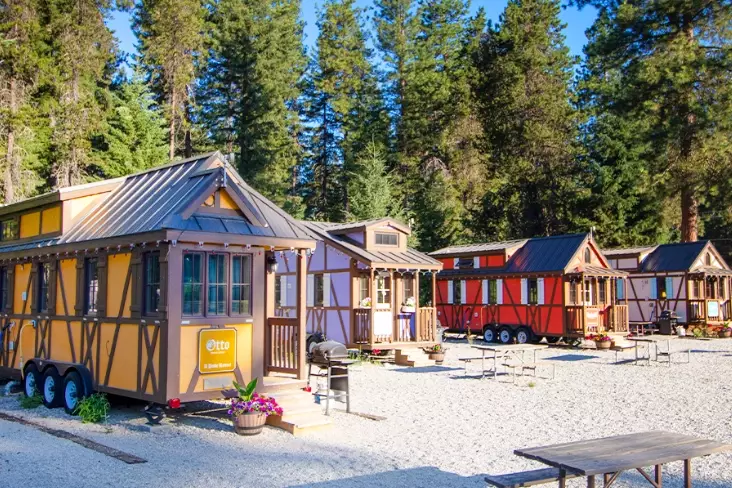
Let's be honest. You've seen the photos. Perfect tents by pristine lakes, happy families toasting marshmallows under starry skies. Camping in provincial parks promises that escape, that connection with nature we all crave. But between the dream and the reality lies a minefield of logistical headaches: booked-up campsites, confusing reservation systems, and the sinking feeling you've packed all the wrong gear.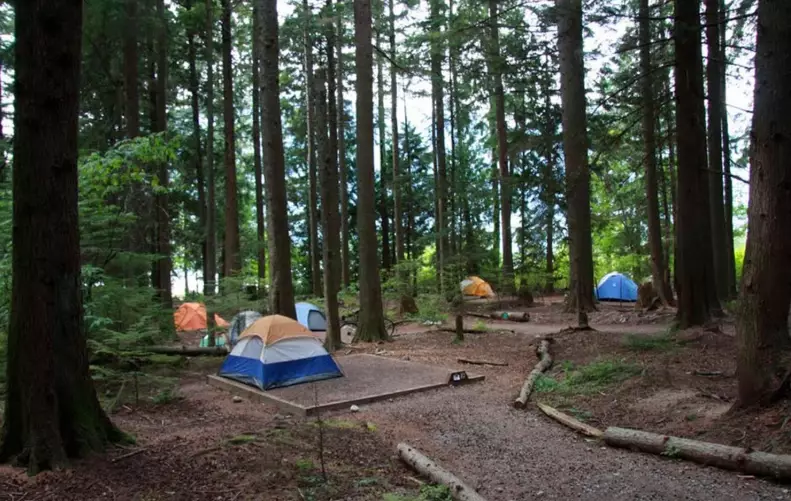
I've been navigating these parks for over a decade, from the rugged coast of British Columbia to the boreal forests of Ontario. I've had trips ruined by a single overlooked detail and others made magical by a simple, rarely-shared trick. This guide isn't just a list of parks. It's the playbook I wish I'd had, designed to get you from overwhelmed beginner to confident planner.
Quick Navigation: What You'll Find Here
Why Choose Provincial Parks Over Other Camping?
Private campgrounds have their place (full hookups, playgrounds). National parks are iconic. But provincial parks? They hit a unique sweet spot.
Think of them as the curated middle ground. They're protected, which means the environment is managed. Trails are maintained, facilities are clean, and there's usually a park office with staff. But they often feel more accessible and less overwhelmingly busy than major national parks. The cost is a huge factor. A night at a provincial park typically runs between $35 and $65 CAD. Try finding a hotel room with a million-dollar lake view for that price.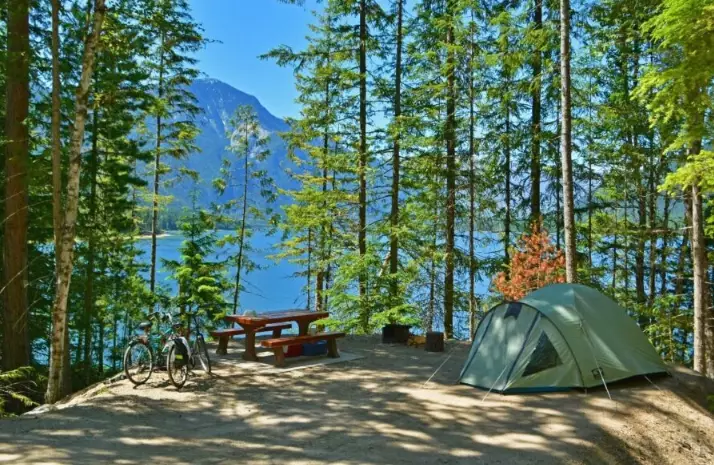
The real value is in the guaranteed access to stunning landscapes. You're not just renting a patch of grass; you're buying entry to a specific ecosystem—a glacier-fed lake, an old-growth forest, a dramatic coastline—with the infrastructure to enjoy it safely.
How to Pick Your Perfect Provincial Park
"Best" is useless unless it matches what you want. Asking the right questions is key.
What's Your Camping Vibe?
Are you a "car camper" who wants to pull up, unload the cooler, and relax? Look for parks with drive-in sites that have amenities like fire pits, picnic tables, and nearby comfort stations (flush toilets, showers).
Do you crave quiet and a challenge? Backcountry camping involves hiking or paddling to a remote site. It's more work, but the solitude is unparalleled. Parks like Killarney in Ontario or Strathcona on Vancouver Island are famous for this.
Then there's the middle ground: walk-in sites. You park your car in a lot and carry your gear 50-200 meters to a more secluded site. It's a fantastic compromise—more privacy than a regular drive-in, less effort than full backcountry.
Location, Activities, and Amenities
Be brutally honest about drive time. A 6-hour drive with young kids is a different beast than with friends. Use the official provincial park websites (like Ontario Parks or BC Parks) to filter parks by activity. Need a swimming beach? Boat launch? Great hiking trails? Filter for it.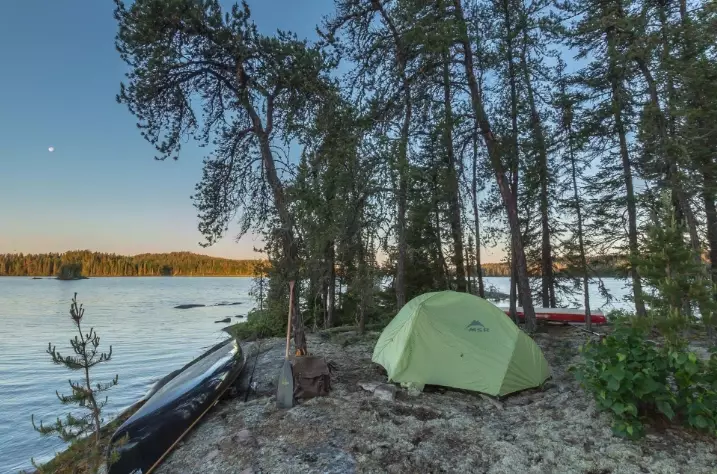
Check the specific amenities for the campground, not just the park. One park can have multiple campgrounds with different feels. One might be right on the lake, another deeper in the woods.
My Non-Consensus Tip: Don't just search for "best park." Search for "[Province] parks with sandy beaches" or "[Province] parks good for first-time backcountry." Matching the park's standout feature to your top priority avoids disappointment.
The Reservation System: How to Actually Get a Site
This is where dreams go to die if you're not prepared. Most popular provincial parks in Canada use an online reservation system that opens months in advance. For summer weekends, sites can sell out in minutes.
The Strategy That Works
1. Know Your Release Schedule: In Ontario, reservations open 5 months in advance at 7:00 AM EST. In BC, it's 2 months in advance at 7:00 AM PST. Mark the date for your desired arrival day.
2. Practice and Prepare: Create your account and have your payment info saved days before. Use the "Favourites" feature to bookmark specific sites.
3. Be Flexible: Can you go Sunday-Thursday instead of Friday-Sunday? You'll find way more availability. Consider the shoulder seasons (May-June, September-October). Fewer bugs, fewer people, often more beautiful.
4. The 5:00 AM Refresh Trick: Many systems release held-but-unpaid carts around 5:00 AM local time. Logging in at that ungodly hour can snag a surprise cancellation.
Don't despair if everything is booked. Many parks hold a small number of first-come, first-served (FCFS) sites. This is a gamble, but showing up early on a Tuesday or Wednesday morning can pay off. Call the park directly to ask about their FCFS situation—they'll give you the real odds.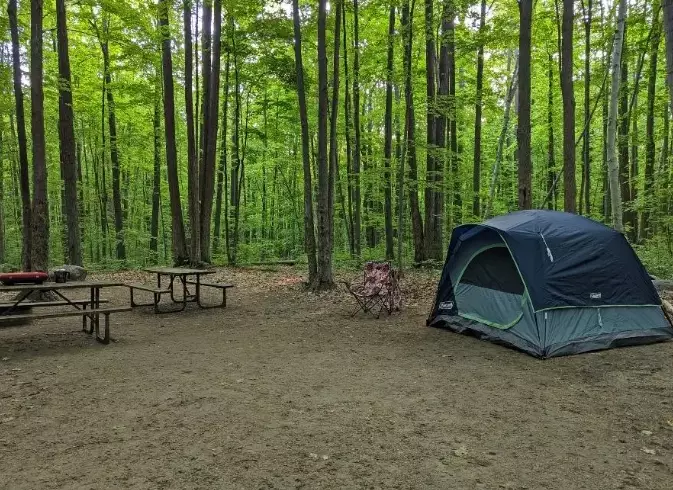
Gear That Makes or Breaks Your Trip (Beyond the Tent)
Everyone tells you to bring a tent and sleeping bag. Let's talk about the stuff they don't mention until you're miserable without it.
The Sleep System: Your sleeping bag's temperature rating is a survival rating, not a comfort rating. If the forecast low is 10°C, get a bag rated for 0°C. The real game-changer? A sleeping pad with a high R-value (insulation). The ground sucks heat. A good pad (R-value 4+) is more important than an expensive bag for cold weather.
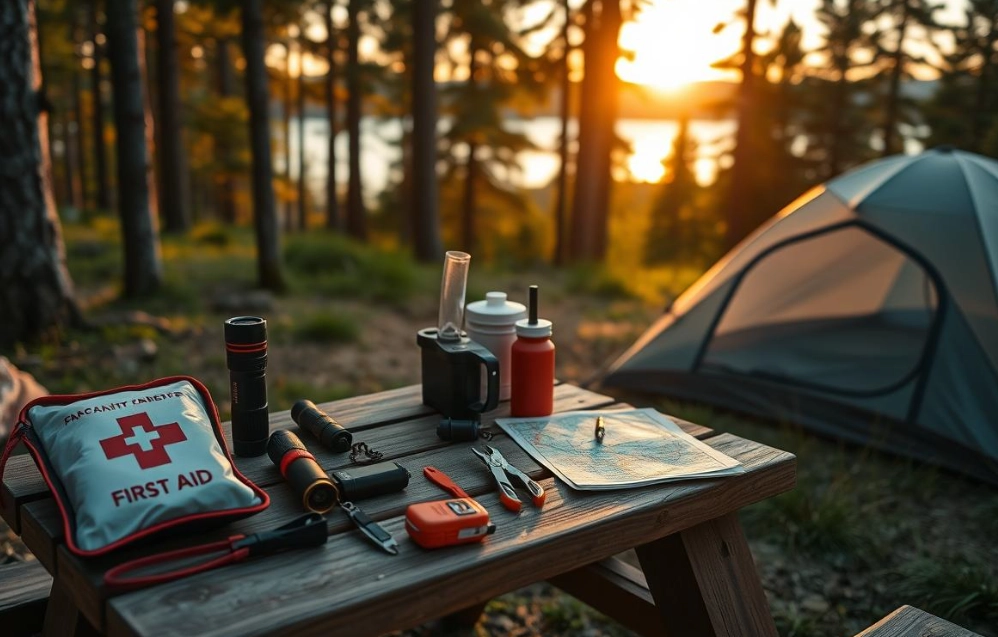
Lighting: One headlamp per person. Period. Hands-free light for cooking, reading, late-night bathroom trips. Bring extra batteries.
Kitchen Kit: A simple plastic tub to hold all your kitchen gear—cutlery, sponge, soap, spices, matches. It keeps the car organized and makes setup/cleanup faster. A dedicated water jug with a spigot is infinitely better than trying to pour from small bottles.
The One Luxury I Never Skip: A lightweight camp chair with proper back support. Sitting on a log or a picnic table bench gets old fast. Your back will thank you.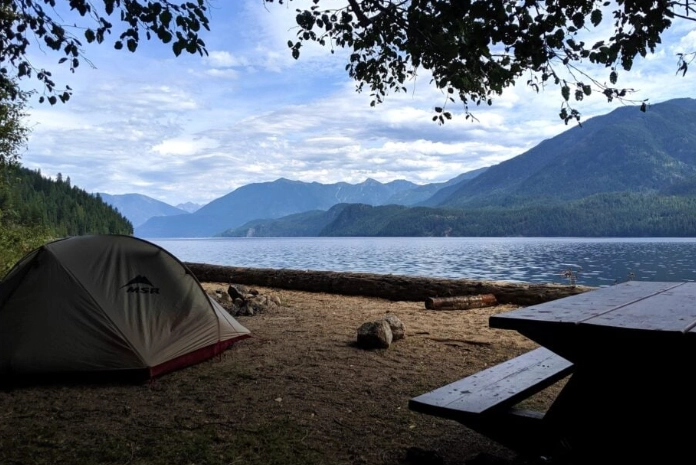
Top Provincial Parks for Camping Across Canada
This isn't just a list. It's a breakdown of who each park is perfect for, based on my own stays.
| Park & Province | Best For | Signature Experience | Booking & Need-to-Know |
|---|---|---|---|
| Algonquin Provincial Park (ON) | First-time backcountry, canoeing, fall colours. | Paddling across a glassy lake at sunrise, listening to loons. | Reserve via Ontario Parks. Massive park, so research which campground (e.g., Lake of Two Rivers for beach, Mew Lake for stargazing). |
| Bruce Peninsula National Park / Fathom Five (ON) | Turquoise water, rock formations, advanced hikers. | Hiking the Bruce Trail to the Grotto, a stunning sea cave. | Extremely competitive. Book the second reservations open. Cyprus Lake campground is the main base. |
| Strathcona Provincial Park (BC) | Serious hikers and backcountry adventurers. | Alpine meadows, rugged peaks, and remote lakes. The Forbidden Plateau area is slightly more accessible. | BC Parks reservations. Some frontcountry at Buttle Lake. Backcountry requires planning and permits. |
| Cypress Hills Interprovincial Park (AB/SK) | Families, stargazing, unique geography. | Being in a forested "island" in the prairies, with a dark sky preserve. | Less fever-pitch booking than mountain parks. Great alternative to Banff if you want space. |
| Fundy National Park (NB) | Dramatic tides, coastal forests, family-friendly. | Watching the world's highest tides roll in or out at Hopewell Rocks. | Parks Canada reservation. Stay at the Chignecto North campground for full hook-up options. |
The 5 Mistakes Almost Every New Camper Makes
I've made most of these. Learn from me.
1. Testing New Gear for the First Time at the Campsite. That new tent? Set it up in your backyard first. Fire up the new stove. You don't want to be reading instructions by flashlight in the rain.
2. Overlooking the Weather Forecast for the *Night*. A sunny 25°C day can drop to 5°C at night, especially near water. Pack layers accordingly.
3. Underestimating the Importance of a Meal Plan. "We'll just bring hot dogs" leads to chaos. Plan simple, one-pot meals. Precook chili or pasta sauce at home and reheat.
4. Forgetting About Food Storage. Provincial parks have strict rules because of bears and other wildlife. You need a hard-sided cooler AND a bear-proof container or locker (often provided) for all food and scented items (toothpaste, deodorant). Never, ever leave food in your tent.
5. Trying to Do Too Much. You don't need to hike every trail. The goal is to relax. Schedule downtime to just sit by the fire, read, or skip stones on the lake.
Your Burning Questions, Answered
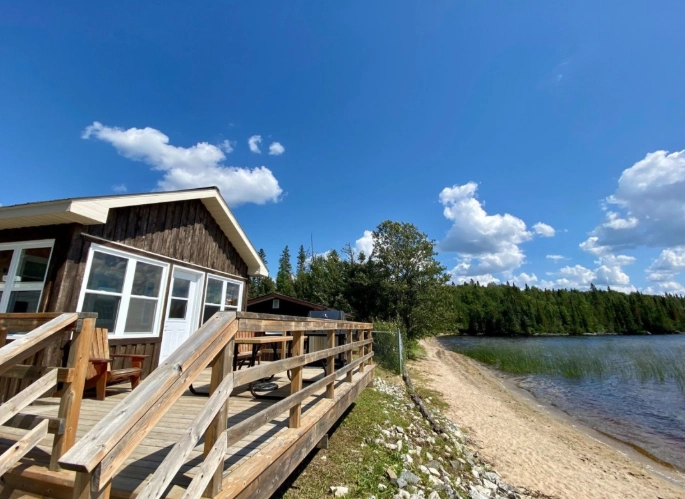
The secret to great camping in provincial parks isn't having the most gear or finding the "#1 ranked" park. It's about matching your expectations to the right place, mastering a few logistical tricks, and then letting go. The sound of rain on your tent fly, the smell of coffee over a campfire, the feeling of tired satisfaction after a day outside—that's what you're after. Now you have the map to get there.
Start with one park, one weekend. You'll figure out the rest as you go.