Tossing your dog's favorite toy in the backseat and hitting the open road for a camping trip is one of life's great joys. But finding genuinely pet-friendly campgrounds that go beyond just tolerating your dog to actually welcoming them? That's the real challenge. It's not just about a "pets allowed" checkbox. A great dog friendly camping experience hinges on understanding the unspoken rules, the specific amenities, and how to avoid the pitfalls that can turn a dream trip into a stressful ordeal.
I've been camping with dogs for over a decade, from a hyperactive Border Collie to a senior Labrador. I've seen campgrounds that promised paradise but delivered a maze of restrictive leash laws next to busy roads, and others that were hidden gems with off-leash dog beaches and hiking trails right from your site. This guide is about the latter. Let's get into it.
Your Quick Guide to Camping with Your Dog
What Makes a Campground Truly Pet-Friendly?
Look past the marketing. A checkbox is cheap. Real hospitality involves infrastructure and policy. Here’s what separates the good from the great:
- Designated Dog Areas: Off-leash dog parks, fenced runs, or direct trail access from the campground. This is the gold standard.
- Thoughtful Waste Management: Multiple, well-maintained mutt mitt stations throughout the grounds, not just one at the entrance.
- Clear, Reasonable Rules: Rules posted online and on-site. Are leashes required at all times? Are there breed/size restrictions? Transparency is key.
- Pet-Centric Amenities: Dog washing stations, loaner tie-outs, or even a camp store selling pet supplies. These small touches show they get it.
- Staff Attitude: This is intangible but huge. Do they greet your dog by name? Are they relaxed around pets? It sets the tone for your stay.
A common mistake is assuming state or national parks are automatically pet-friendly. Often, they're the opposite—pets may be restricted to campgrounds and paved areas, forbidden on trails. Always, always check the specific park's rules page.
How to Find and Vet Pet-Friendly Campgrounds
Your search shouldn't start with Google. It should start with a filter. Major booking platforms like Recreation.gov (for federal lands) and ReserveAmerica have "pet-friendly" filters. Use them. But don't stop there.
Here’s my vetting process:
- Filter First: Use the pet filter on your preferred booking site.
- Deep Dive into Rules: Find the "Policies" or "Rules" section. Read every word. Look for fees (common, usually $5-$25 per stay), leash length requirements (often 6 feet), and where pets are/aren't allowed.
- Scour the Reviews: Search reviews for the word "dog." Photos from other campers are invaluable. Do you see dogs playing? Are people mentioning the dog park? Conversely, are there complaints about aggressive off-leash dogs or a lack of poop bags?
- Call to Confirm: If anything is unclear, call the campground directly. Ask: "Is your dog park fully fenced?" "Are there any seasonal restrictions for pets?" This call has saved me from a few bad bookings.
Top Pet-Friendly Camping Destinations: A Curated Shortlist
These aren't just random listings. These are places I or trusted fellow campers have experienced, where the pet policy is genuinely integrated into the camping experience. Note: Always verify current details like pricing and rules before booking.
| Campground Name & Location | Key Pet-Friendly Features | Pet Policy Snapshot | Why It Stands Out |
|---|---|---|---|
| Lake Tahoe Vagabond RV Park & Campground Zephyr Cove, Nevada |
Fenced dog park, direct forest trail access, dog wash station. | Leashes required outside park. No breed restrictions. Pet fee applies. | Location is unbeatable. You're minutes from Lake Tahoe beaches (some pet-friendly) and endless Sierra Nevada trails. The fenced park is a lifesaver for high-energy dogs. |
| Fort Wilderness Resort & Campground Orlando, Florida |
Designated dog park ("Doggy Day Camp" area), pet-friendly cabins available, walking trails. | Must be on leash. Cannot leave pets unattended. Specific pet loops for RV/tents. | The ultimate in glamping with pets. It's a destination itself, with Disney magic all around. The dedicated pet loops mean you're surrounded by other pet owners. |
| Devils Lake State Park (South Shore Campground) Baraboo, Wisconsin |
Pet-friendly camping areas, access to the 500-foot Quartzite Trail (pets on leash allowed). | Pets allowed in specific campground loops and on certain trails. Must be leashed (max 8 ft). | A state park that gets it right. Clear maps show where you can go with your dog. The scenery—bluffs overlooking a deep blue lake—is stunning, and you can actually share some of the best hikes with your pup. |
| Malibu Creek State Park Campground Calabasas, California |
Vast, open campground areas, proximity to Santa Monica Mountains trails. | Pets allowed in campground only, not on trails or in backcountry. Must be leashed. | This is a classic example of "know before you go." It's a beautiful, iconic location perfect for car camping with your dog. But you'll need to drive to nearby trailheads for hikes. Ideal for campers who prioritize a relaxed basecamp vibe. |
The Non-Negotiable Pet Camping Gear Checklist
Forget the fancy stuff. These are the items that prevent meltdowns (yours and your dog's).
- A Sturdy, Long Tie-Out: A 15-20 foot cable with a ground screw. This gives your dog room to explore your site safely while you're sitting by the fire, without you holding a leash all night. This is my number one recommendation for car camping.
- Portable Water Bowl & Plenty of Water: Never rely on campground water spigots being close or working. Bring a dedicated jug of water for your dog. Collapsible bowls are great for hikes.
- A Dedicated Dog First-Aid Kit: Tweezers for ticks, vet wrap, antiseptic wipes, and a copy of vaccination records. Add a pet-safe antihistamine if your vet approves.
- Their Own Sleeping Pad & Blanket: The ground gets cold. An old sleeping bag or a dedicated dog pad provides insulation and a familiar scent, reducing anxiety.
- High-Value Treats and a Chew: For rewarding calm behavior and keeping them occupied if you need to set up camp or cook dinner.
- LED Collar Light or Light-Up Leash: Essential for nighttime bathroom trips. You'll always know where they are in the dark.
The One Thing Everyone Forgets
Pre-trip paw conditioning. If your dog is a pavement princess, those soft pads will get shredded on rough trails or hot ground. For a week before your trip, walk them on varied, gradually rougher terrain to toughen up their paws. Musher's Secret wax is also a game-changer.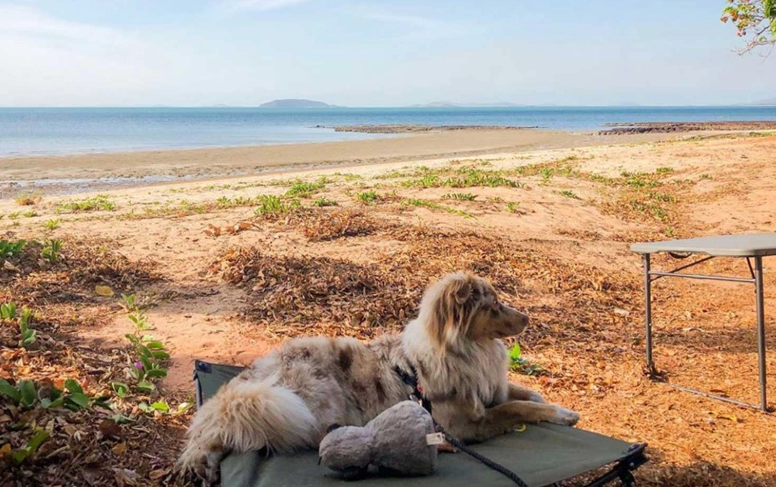
Etiquette and Safety: The Unwritten Rules
This is where good campers become great neighbors. Following these ensures pet-friendly campgrounds stay that way.
Always Clean Up. Instantly. Not later, not on your morning walk. The moment it happens. Carry bags on every walk, even the short ones.
Respect the Leash Laws. Even if you have perfect recall, leash rules exist for wildlife, other dogs who may be reactive, and people who are afraid. That 6-foot rule is common for a reason.
Never Leave Your Pet Unattended. A tied-up, barking dog is a nuisance and can be a target for wildlife or get tangled. If you're leaving the campground, take them with you or have someone stay.
Manage the Barking. Dogs bark at new sounds. It's normal. But if it's constant, it's a problem. Bring them inside your tent or RV, distract them, or take a calming walk. A bark can travel far in the quiet woods.
Introduce Dogs Carefully. Not everyone wants a meet-and-greet. Ask before letting your dog approach another. A simple "Is your dog friendly?" goes a long way.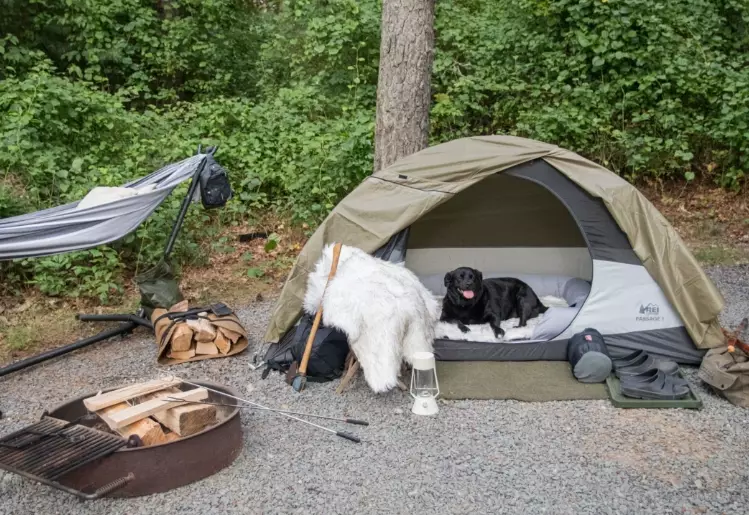
FAQ: Expert Answers to Your Tricky Questions
The joy of waking up with your dog in the fresh air, sharing a sunrise hike, and watching them crash contentedly by the fire is unmatched. It requires a bit more homework and a lot more poop bags, but the payoff—a shared adventure that strengthens your bond—is worth every bit of planning. Now get out there and find your next great site.