Washington State is a camper's dream, but that dream can turn into a planning nightmare real fast. You've got coastline, rainforest, alpine meadows, and high desert—all in one state. Where do you even start? After a decade of chasing campsites from the Olympic Peninsula to the dry east, I've learned a thing or two. This isn't just a list of parks. It's a roadmap to actually getting a spot, packing the right gear (most people forget one critical thing), and having an unforgettable trip without the common headaches.
Your Washington Camping Trip at a Glance
Where to Camp in Washington: The Three Crown Jewels
Forget trying to see it all in one trip. Washington's camping scene breaks down into three major, wildly different regions. Pick one that matches your vibe.
1. The Olympic Peninsula: Beaches & Rainforests
This is the postcard Washington. The key here is microclimates. It can be misty and 55°F in the Hoh Rainforest while it's sunny on the coast. Don't bank on a uniform forecast.
| Campsite Name (Area) | What Makes It Special | Booking & Fees | Best For |
|---|---|---|---|
| Kalaloch Campground (Olympic Coast) | Oceanfront cliffs, beachcombing, epic sunsets. Sites like #44 are legendary. The sound of waves is your nightly soundtrack. | Recreation.gov. $24/night. Books up 6 months out, instantly. Some first-come, first-served winter spots. | Beach lovers, families, storm watching (in fall/winter). |
| Hoh Rainforest Campground (Olympic Interior) | In the heart of the lush, green Hoh. Hall of Mosses trail starts nearby. Damp, quiet, and profoundly green. | Recreation.gov. $24/night. Also extremely competitive. Summer weekends are a lottery. | Hikers, photographers, those seeking a unique, serene environment. |
| Mora Campground (Near Rialto Beach) | Close to Rialto Beach's sea stacks and Hole-in-the-Wall. More forested than Kalaloch but a short walk to rocky shore. | Recreation.gov. $20/night. Slightly easier to book than Kalaloch, but not by much. |
Getting There: From Seattle, take the Bainbridge Island ferry to US-101. To Kalaloch, it's about a 3.5-hour drive. A Discover Pass is NOT needed for national park campgrounds, but you will need the $30 Olympic National Park pass for 7 days.
2. The Cascade Mountains: Volcanoes & Alpine Lakes
This is the domain of Mount Rainier and the North Cascades. The season is shorter (July-Sept), and the scenery is jaw-dropping. The air smells like pine and cold stone.
| Campsite Name (Area) | What Makes It Special | Booking & Fees | Best For |
|---|---|---|---|
| Ohanapecosh Campground (Mt. Rainier SE) | Old-growth forest near the park's hottest attraction, the Grove of the Patriarchs. Feels ancient and peaceful. | Recreation.gov. $20/night. Books up fast for summer. Closes for winter. | Families, big tree enthusiasts, access to Rainier's east side. |
| Colonial Creek Campground (North Cascades) | On the turquoise shores of Diablo Lake. The water color is unreal. Direct access to the Thunder Creek trail. | Recreation.gov. $24/night. Some sites are first-come, first-served. Arrive mid-week for a shot. | Backpackers, kayakers, photographers chasing that iconic lake shot. |
| Baker Lake Road Dispersed Sites (Mt. Baker Area) | Free, primitive camping along Forest Service roads near Baker Lake. No amenities, just you and the woods. | First-come, first-served. Free. Requires knowledge of Leave No Trace principles. | Self-sufficient campers, those with trailers, seekers of solitude. |
Road Note: Mountain passes like Chinook Pass (SR-410) and Cayuse Pass close in winter. Always check the Washington State Department of Transportation website for pass conditions before you go, even in late spring or early fall.
3. Eastern Washington: Sunshine & Desert Lakes
Cross the Cascades and the weather changes dramatically. It's drier, sunnier, and often warmer. Perfect if you're trying to escape the famous Seattle drizzle.
Sun Lakes-Dry Falls State Park: Camp in a coulee carved by ancient floods. It feels like the desert. You can rent kayaks, fish, and hike stark, beautiful trails. Sites are reservable via the Washington State Parks website. It's a different system than Recreation.gov.
Steamboat Rock State Park: On Banks Lake, it's a water sports paradise. The massive basalt butte dominates the skyline. Hiking to the top is a must. Again, book through state parks.
How to Secure a Campsite in Washington (Especially for Popular Spots)
This is the biggest pain point. You see a beautiful photo, go to book, and everything is sold out for months. Here's the real strategy.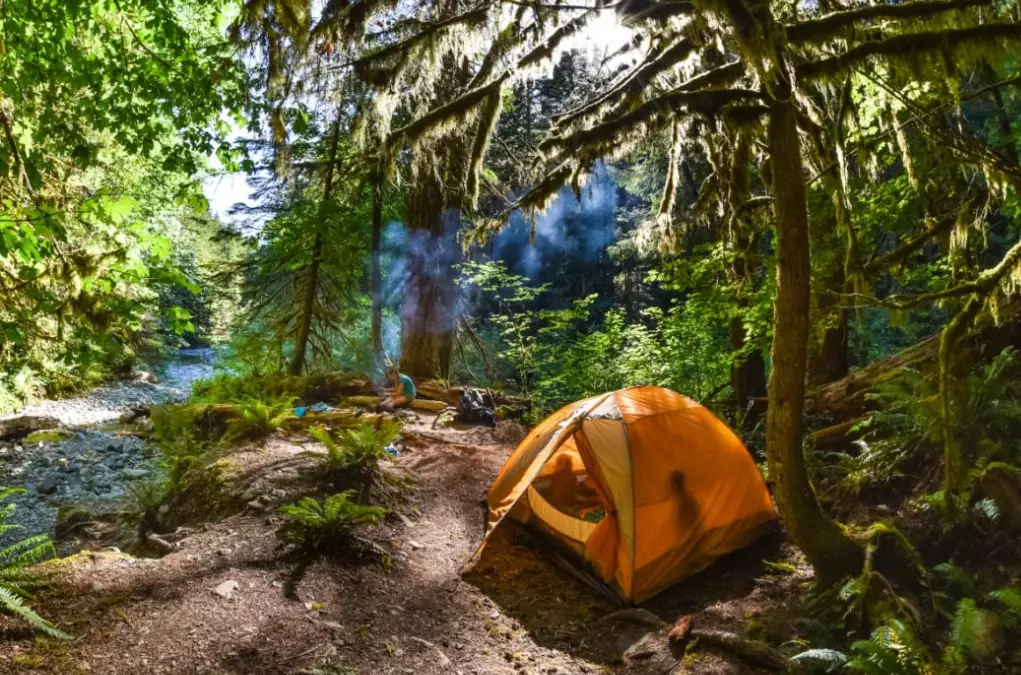
The Recreation.gov Dance: Most national forest and park sites release spots 6 months in advance at 7:00 AM PST. Be logged in, with payment info saved, at 6:58 AM. Refresh right at 7:00:00. Have backup dates. The popular ones (Kalaloch, Hoh) vanish in under 60 seconds.
But here's the non-consensus part everyone misses: Don't just rely on Recreation.gov.
- Washington State Parks: They have their own reservation system. Book up to 9 months ahead for some parks. These campgrounds often have great facilities.
- County and City Parks: Places like Whatcom County's Larrabee State Park or Skagit County's Bay View State Park offer fantastic camping with less insane competition.
- Mid-Week and Shoulder Season: Your best chance at a first-come, first-served spot is Tuesday-Thursday. Or go in late May/early June or September after Labor Day. Fewer people, fewer bugs (in fall), still great weather.
Set up cancellation alerts on Recreation.gov. People's plans change constantly, especially 1-2 weeks before the date.
What Should You Pack for Washington Camping?
Forgetting the right gear can ruin your trip. Beyond the standard tent/sleeping bag/stove list, here are Washington-specific must-haves.
The Non-Negotiables:
- Rain Gear, Even in Summer: A high-quality rain jacket and pants. Not a poncho. The weather can change on a dime, especially west of the Cascades.
- Multiple Layers: Merino wool or synthetic base layers, a warm mid-layer (fleece/puffy), and a shell. Temperatures can swing 30+ degrees from day to night in the mountains.
- Waterproof Footwear & Extra Socks: Hiking boots that are broken in and treated for water. Pack at least one extra pair of socks per day if you're hiking in wet conditions.
- Bear Canister (for some areas): Required in many parts of Olympic National Park and the Enchantments. Rent one if you don't own it. Regular coolers are not bear-proof.
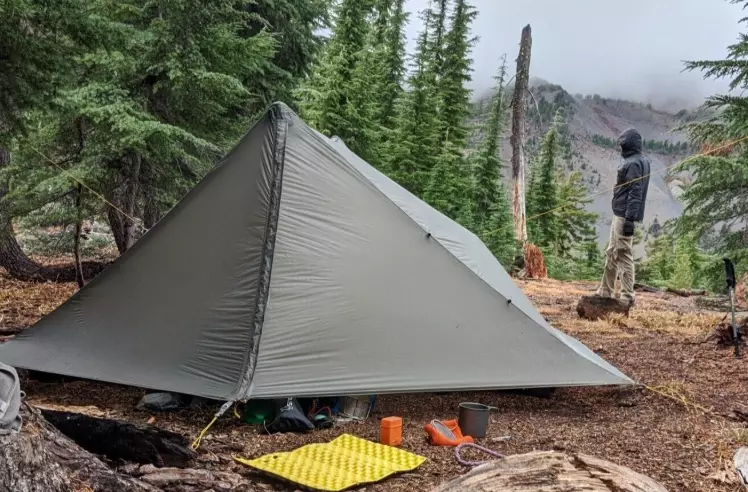
The One Thing Everyone Forgets: A tarp and extra cord. You can string it up over your picnic table for a dry cooking/eating area. It's a game-changer when the famous Pacific Northwest mist rolls in. Trust me.
When is the Best Time to Go Camping in Washington?
It completely depends on your destination and tolerance.
July - September: Peak season everywhere. Mountain passes are open, trails are snow-free, and the weather is most reliable. Also the most crowded. Book far in advance.
May - June & Late September - October: Shoulder season. My personal favorite. Fewer crowds, spring wildflowers or fall colors. Higher chance of rain, and high-elevation sites may still be closed by snow in early season.
November - April: Winter camping season. Limited to lower elevations, the coast (for storm watching), and some state parks. Be prepared for cold, wet, and short days. The solitude is incredible.
Frequently Asked Questions (From a Local's Perspective)
Is camping in Washington good for beginners?
It can be, but you need to pick your spot carefully. Avoid the ultra-popular, hard-to-book national park sites for your first trip. Start with a Washington State Park like Deception Pass or Lake Wenatchee. They have reliable amenities (flush toilets, water), park rangers nearby, and the reservation system is slightly less frantic. It lets you focus on learning to set up camp without the added stress of extreme remoteness or fierce competition.
Can I have a campfire when I go camping in Washington?
This is a huge maybe, and it's the rule most visitors get wrong. Campfire regulations change daily based on wildfire danger. Always, always check the specific regulations for the forest or park you're in on the day you arrive. Many places ban fires outside of established metal fire rings in designated campgrounds. During high fire danger (increasingly common in summer), all fires may be banned, even in campgrounds. Pack a camp stove as your guaranteed cooking source. Assuming fires are allowed is a classic rookie mistake.
 Are there any good first-come, first-served campgrounds left?
Yes, but the strategy has changed. Showing up at 5 PM on a Friday in July will get you nothing. For popular FCFS areas like some in the Mt. Baker-Snoqualmie National Forest, you need to aim for a Tuesday or Wednesday arrival. Even better, have a backup plan—a list of 2-3 other nearby areas you can check if your first choice is full. The US Forest Service websites often have updates on how quickly their FCFS sites fill.
What's the deal with Discover Pass vs. National Park Pass?
This confuses everyone. They are two different passes for two different land managers. The $30 Annual Discover Pass is for Washington State Parks, DNR, and WDFW lands. The $80 America the Beautiful Annual Pass (or individual park pass) covers all federal sites like National Parks (Olympic, Rainier, North Cascades) and National Forests. If you're only camping at a state park, you just need the Discover Pass. If you're entering a national park, you need the federal pass. Many trips require both.
Can I bring my dog camping in Washington?
In most campgrounds, yes. On most trails, especially in national parks, no. Dogs are typically prohibited on trails in Olympic, Rainier, and North Cascades National Parks to protect wildlife. They are often allowed in national forests, but must be leashed. Always verify the rules for your exact destination. Your pup might be stuck at the campsite all day, which isn't fun for anyone.