In This Guide
- Why Choose a Private Campground in Washington?
- Decoding the Types of Private Campgrounds Washington Offers
- What Makes a Great Private Campground? (Your Checklist)
- A Curated Look at Top Washington State Private Campgrounds
- The Nuts and Bolts: Booking, Costs, and Etiquette
- Answering Your Burning Questions
- Final Thoughts: Making Your Choice
Let's be honest. You've probably spent a night or two scrolling through photos of the Cascades or the Olympic Peninsula, dreaming of a campfire under the stars. But then you go to book a spot at a popular state park, and it's sold out six months in advance. Sound familiar? That's where the world of private campgrounds in Washington State comes in, and honestly, it's a game-changer for anyone who values a good night's sleep in the woods without the lottery-level planning.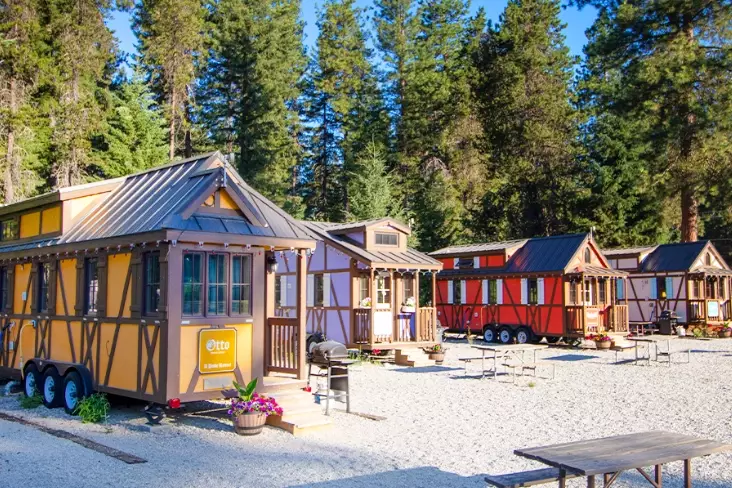
I've been there, frantically refreshing the Washington State Parks reservation site at 7 a.m. only to watch all the good waterfront sites vanish in seconds. It's frustrating. That experience sent me on a deep dive into the alternative: privately-owned campgrounds. What I found was a whole ecosystem of options, from barebones tent sites to resort-style spots with pools and Wi-Fi (yes, really). This guide is the result of that search – a no-fluff, practical look at finding and enjoying the best private campgrounds Washington has to offer.
Why Choose a Private Campground in Washington?
It's a fair question. Our state parks and national forests are incredible, often with stunning natural features. But private campgrounds fill a different need. Think of it like the difference between a bustling public library and a cozy, well-stocked bookstore. Both are great, but they serve you in different ways.
The Upsides: What You Stand to Gain
First, the good stuff. Availability is the biggest draw. Many private campgrounds in Washington State have more flexible booking windows and simply more spots. You're not always competing against the entire population of Seattle for a single weekend.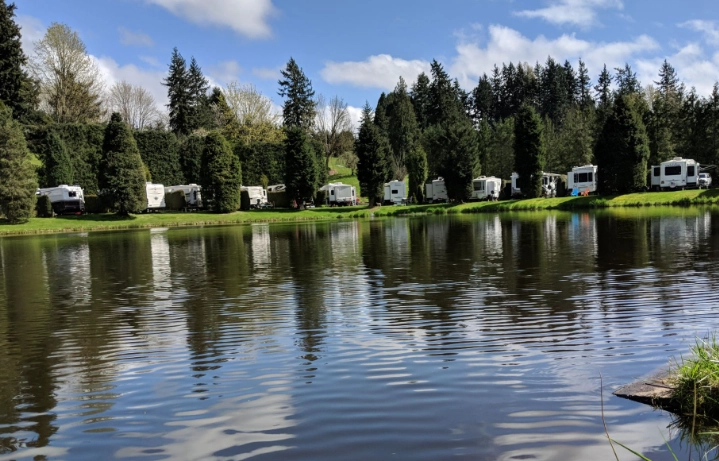
Amenities are another major plus. While I love rustic camping, sometimes you want a hot shower that doesn't require quarters or a reliable electrical hookup for your camper van. Many private spots offer full hookups (water, sewer, electric), clean restrooms, laundry facilities, and even small camp stores. For families, features like playgrounds, swimming pools, or game rooms can be the difference between a relaxing trip and a "are we there yet?" marathon.
Location can be surprisingly convenient. Some are situated closer to town, making it easy to pop out for supplies or a meal. Others are on private land with unique access to rivers, lakes, or trails you won't find on public maps.
The Downsides: What to Watch Out For
It's not all perfect, and it's good to go in with clear eyes. Cost is usually higher. You're paying for those amenities and convenience. A basic tent site at a private campground might cost what a standard site with utilities costs at a state park.
The "vibe" can be different. Some private campgrounds, especially RV parks, can feel more like a parking lot or a tight-knit neighborhood. You might have less privacy between sites compared to a sprawling national forest campground. Noise can sometimes be an issue if you're near a popular group area or common space.
And the setting might not always be the pristine, untouched wilderness you see in brochures. The land is managed for camping, which means it might feel more manicured or developed. If your goal is deep backcountry solitude, a private campground probably isn't your endpoint, but it can be a fantastic basecamp.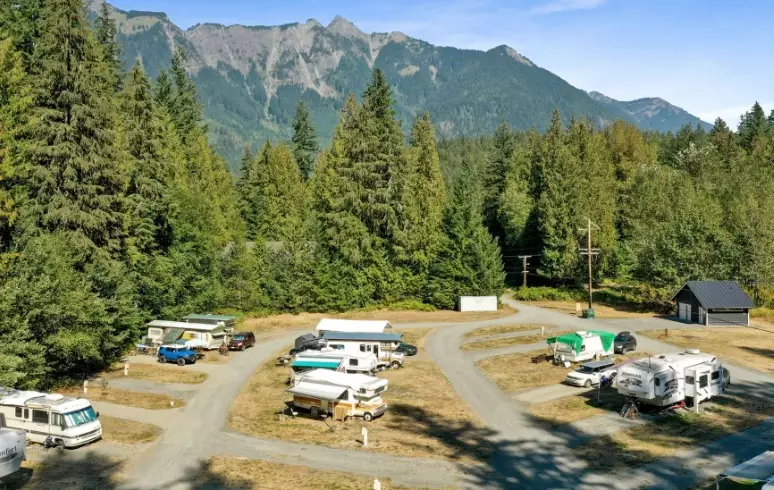
Decoding the Types of Private Campgrounds Washington Offers
Not all private campgrounds are created equal. Understanding these categories will help you match the place to your trip's purpose.
- RV Resorts & Parks: These are the heavy lifters of the private camping world. They cater primarily to RVs and trailers with full hookups, paved pads, and often a long list of resort-style amenities. Think swimming pools, hot tubs, clubhouses, and organized activities. Great for long stays, families, or those who want a comfortable "home base." The atmosphere can be social, sometimes even community-oriented.
- Family-Run Campgrounds: These are my personal favorites. Often smaller, on scenic parcels of land passed down through families. They might have a mix of RV sites, tent sites, and maybe a few rustic cabins. The amenities are usually clean and functional but not extravagant. The magic here is in the personal touch and the unique character of the land. You might be camping next to a private creek or in an old apple orchard.
- Glamping Sites: The luxurious end of the spectrum. We're talking safari tents, yurts, treehouses, or tiny cabins that are fully furnished. You show up, and everything is ready. Often found on platforms like Hipcamp or Glamping Hub, these are perfect for a special occasion or for introducing less-outdoorsy friends to the joys of sleeping outside. Prices reflect the experience.
- Working Farm or Ranch Stays: A growing niche. You camp on a working agricultural property. The draw is the experience—meeting farm animals, buying fresh eggs, enjoying the rural quiet. Sites can range from a simple field to a designated area with fire rings. Check if the Washington State Department of Agriculture has any recognized agritourism programs for these locations.
So, which one is for you? If you need a reliable 50-amp hookup for your big rig, an RV resort is your safe bet. If you're in a tent or small van and want charm and quiet, seek out those family-run gems. Want an Instagram-worthy birthday trip? Go glamping.
What Makes a Great Private Campground? (Your Checklist)
Beyond the basic type, here's what I've learned to scrutinize when picking a private campground in Washington State.
Location & Setting
Is it right on a noisy highway, or set back in the trees? Use satellite view on your maps app—it's incredibly revealing. How far is it from the actual attractions you want to see? A 30-minute drive to the trailhead every morning adds up.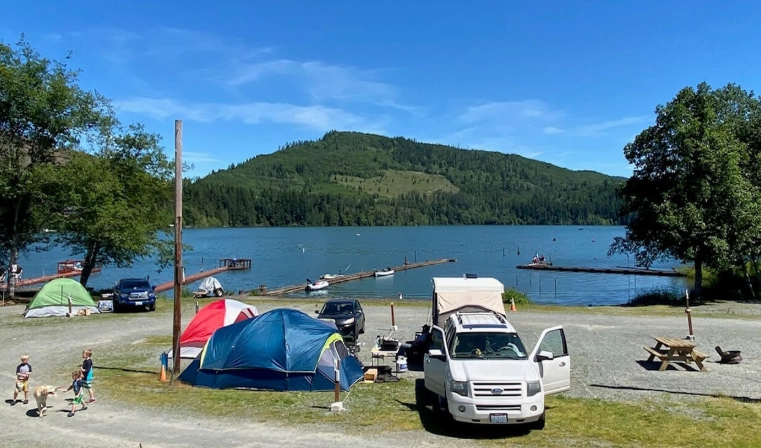
Site Quality & Privacy
Look for keywords in reviews: "spacious," "wooded," "level." Are sites separated by vegetation, or are you staring into your neighbor's dining tent? For RVs, what's the pad made of (gravel, grass, pavement) and is it long/level enough?
Amenities That Matter (To You)
Make your own priority list.
- Non-Negotiables: Clean bathrooms? Potable water? How are the fire pits/rings?
- Important: Hot showers (free or paid?), trash disposal, pet-friendly rules.
- Nice-to-Haves: Wi-Fi (manage expectations—it's often slow), cell service, a small store, loaner gear, playground.
Management & Rules
A well-managed campground makes all the difference. Clear, fair rules about quiet hours, check-in/out, and visitor policies prevent headaches. Read reviews for comments on how responsive and friendly the hosts are. I once stayed at a place where the host drove around at 10 p.m. shushing loud groups—bliss for light sleepers like me.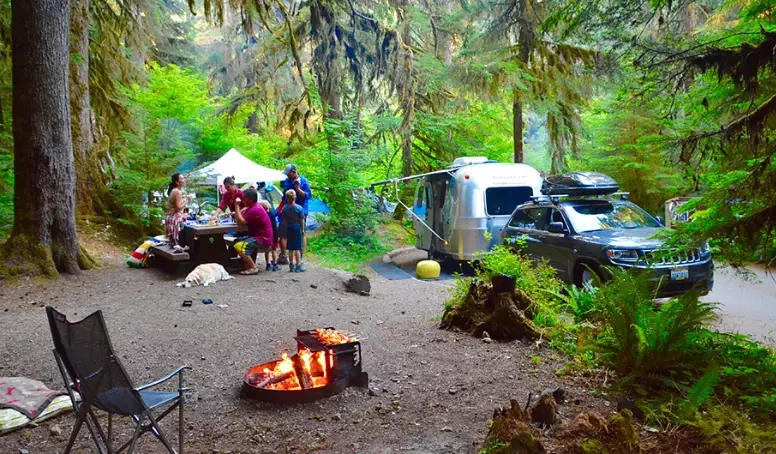
A Curated Look at Top Washington State Private Campgrounds
It's impossible to list them all, but here are a few standout examples across different categories to give you a flavor of what's out there. Remember, "best" is subjective—what's best for a family with kids is different for a couple in a van.
| Campground Name & Region | Type & Vibe | Key Features & Draw | Best For... |
|---|---|---|---|
| Leavenworth/Pine Village KOA (Cascades) | RV Resort / Family Campground | Full resort amenities (pool, mini-golf, jumping pillow), stunning mountain views, close to town. Very structured and activity-oriented. | Families with kids who want lots to do, RVers wanting full hookups in a scenic area. |
| Ocean City State Park Campground (Coast) *Note: This is a STATE PARK, but often fully booked. I'm including it to contrast with private options below. | Public Beach Campground | Direct beach access, sprawling dunes, classic PNW coast vibe. Incredible location but fiercely competitive to book. | Purists who want the classic public beach camping experience and plan far ahead. |
| Private Hipcamp near Kalaloch (Coast) | Private Land / Glamping | Secluded forest or meadow sites on private property, often with more availability than the adjacent national park. Unique settings like treehouses or geodesic domes. | Couples or small groups seeking a quieter, more unique coastal basecamp without the crowds. |
| American Heritage Campground (Long Beach Peninsula) | Family-Run / Mixed Use | Spacious, wooded sites. Well-maintained, friendly owners. Easy bike ride to the long beach. Feels more relaxed and natural than a big resort. | Tent campers, small trailers, families looking for a peaceful coastal retreat with easy beach access. |
| Lone Fir Resort (North Cascades) | Resort & Campground | Full-service resort on Lake Chelan with a campground section. Offers a marina, restaurant, and resort amenities alongside camping. | Campers who want to blend outdoor living with resort comforts (like a nice dinner out) and water activities. |
| Various Private RV Parks near Ellensburg (Eastern WA) | RV Park / Overnight Stop | Often pragmatic, pull-through sites with full hookups. Less about scenery, more about convenience and utility for a night while crossing the state. | RV travelers needing a reliable, easy overnight stop on I-90 or en route to eastern destinations. |
See the pattern? Your choice depends entirely on the trip's goal. The best private campgrounds in Washington for a weekend of hiking will differ vastly from the best for a week-long lakeside family reunion.
The Nuts and Bolts: Booking, Costs, and Etiquette
How to Find and Book
Start with the big aggregators: KOA, Good Sam, and Hipcamp. But don't stop there. A simple Google Maps search for "campground" in your target area, filtered for 4-star+ ratings, can uncover local gems that don't pay for placement on the big sites. Many smaller places still prefer a direct phone call for reservations—it feels old-school, but it works.
Understanding the Cost
Prices are all over the map. A basic tent site might be $35-$50 per night. A full-hookup RV site easily runs $60-$90. Glamping structures can start at $120 and go way up. Always ask what's included. Is there a charge for extra vehicles? Visitors? Firewood? Does the nightly rate include tax? Nothing sours a trip like surprise fees at check-in.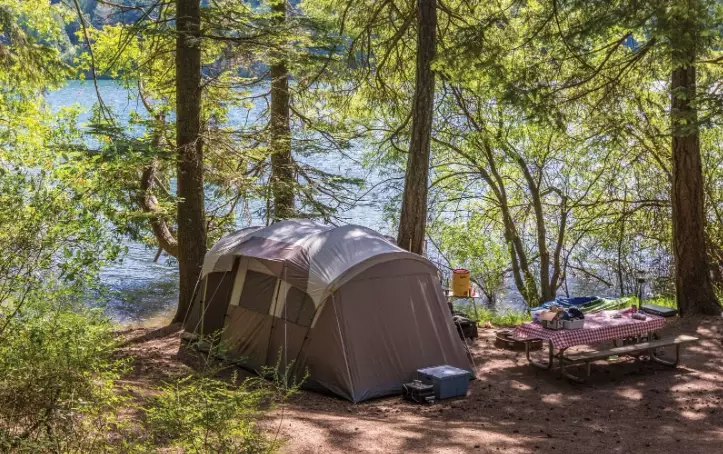
Campground Etiquette (The Private Land Edition)
This is someone's property, not public land. The rules matter more.
- Respect Check-In/Out Times: They often need the window to clean and prepare sites.
- Follow the Fire Rules: If they say no outside firewood (to prevent pests), buy theirs. If there's a burn ban, respect it absolutely.
- Mind Your Noise: Quiet hours are usually strictly enforced. Your campfire laughs should stay within your circle.
- Leave It Cleaner: Use the provided trash and recycling. Don't leave food scraps that attract wildlife.
- Be Pet Responsible: Keep them leashed and clean up after them, always.
Answering Your Burning Questions
Are private campgrounds in Washington pet-friendly?
Most are, but always verify. It's not a given. Policies vary widely: some welcome pets with open arms, some restrict breeds or sizes, some charge a nightly pet fee ($5-$10 is common), and some only allow pets in certain site types (like RV sites but not cabins). Never assume, and never try to sneak a pet in. It's a quick way to get evicted without a refund.
Can I have a campfire?
This is a huge one. It depends on the campground's own rules AND the current county or state fire danger levels. Many private campgrounds have permanent fire pits/rings at each site. During high fire danger, they will prohibit wood fires but often allow contained propane fire pits. Always check with the campground directly a day or two before arrival, and never bring your own makeshift fire ring.
What's the deal with hookups?
Terminology matters.
- Water & Electric (W/E): Just that. You'll have a spigot and a power pedestal (30-amp or 50-amp).
- Full Hookups (FHU): Water, electric, AND sewer connection at your site. This is the gold standard for RVers, allowing complete self-containment.
- Dry Site / Tent Site: No utilities. You use a central water tap and restrooms.
Always confirm what your specific site reservation includes. A "premium" site might just mean a better location, not better hookups.
How far in advance do I need to book?
For popular areas (near Leavenworth, the San Juans, the coast in summer) and holiday weekends, booking 3-6 months out isn't crazy for the most desirable private campgrounds in Washington. For more off-the-beaten-path spots or mid-week trips, you might find something with a few weeks' or even days' notice. Shoulder seasons (spring and fall) offer much more flexibility. My rule of thumb: if you have specific dates and a specific place in mind, book it as soon as you can. Spontaneity is better suited to last-minute cancellations you can snag.
What should I pack specifically for a private campground?
Beyond your usual gear, consider:
- Longer Power Cords/Water Hoses: Hookup placement can be awkward.
- Leveling Blocks: Even "level" sites often aren't perfectly level for an RV.
- Earplugs: If you're a light sleeper, these are insurance against a noisy neighbor or distant highway.
- Cash: For firewood, the camp store, or tips for staff.
- A Small Rug or Outdoor Mat: Helps keep sand and dirt out of your tent or RV, especially if the site is gravel or dirt.
Final Thoughts: Making Your Choice
Choosing the right private campground in Washington State isn't about finding the one "best" place. It's about matching a place to your personal trip recipe. How much solitude do you need versus convenience? What amenities are truly important to your group's happiness? What's your budget?
The beauty of the private camping scene is its diversity. It offers a solution when public lands are booked solid, provides comforts that make camping accessible to more people, and supports local families and businesses. Sure, you might pay a bit more, and you might not get that epic, remote wilderness feeling. But what you often get in return is reliability, comfort, and a surprisingly wonderful experience.
My advice? Use this guide as a starting point. Pick a region you love, identify what type of trip you want, and then dig into the reviews of a few promising private campgrounds in Washington State. Ask questions when you book. Be a good guest when you arrive.
Now, go check your calendar. Those summer weekends are filling up fast.