You packed the tent, the sleeping bag, the marshmallows. You're ready to disconnect and soak in nature. But here's the thing most camping checklists forget: your responsibility to the place you're visiting. Camping environmental tips aren't just about feeling good; they're the bare minimum for keeping wild spaces wild. I've spent over a decade camping from crowded national parks to remote backcountry, and the most common mistakes I see aren't malicious—they're just uninformed. This guide cuts through the vague advice and gives you the practical, actionable steps to truly leave no trace.
Your Quick Guide to Greener Camping
- Step 1: The Mindset Shift - Plan and Prepare
- Step 2: Conquering Camp Waste (It's More Than Just Trash)
- Step 3: The Campfire Conundrum - How to Do It Responsibly
- Step 4: Respect Wildlife (Beyond "Don't Feed the Bears")
- Step 5: Your Gear Choices Matter More Than You Think
- Your Burning Questions Answered
Step 1: The Mindset Shift - Plan and Prepare
Good environmental camping starts before you leave your driveway. A little planning prevents a lot of damage later.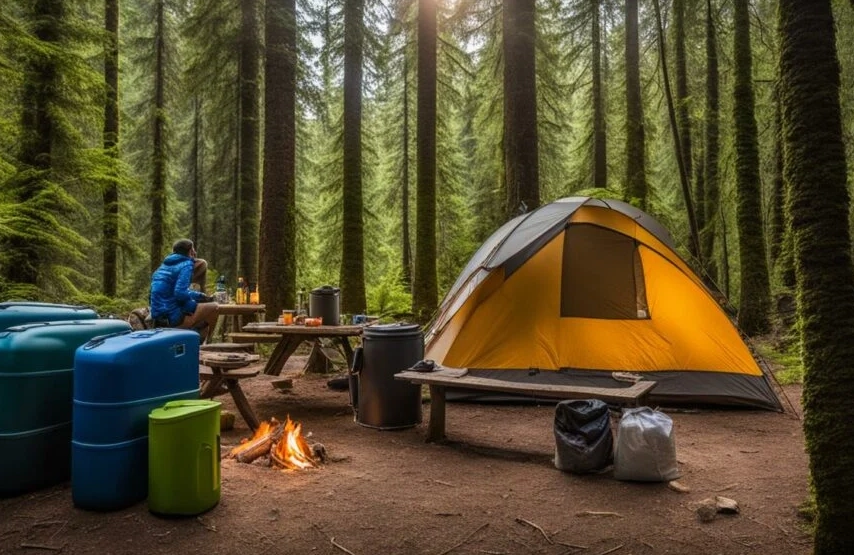
First, know the rules. Regulations exist for a reason. Check the official website of your camping destination—whether it's a national forest service site like the US Forest Service or a state park portal. Are fires allowed? Is there a bear canister requirement? What's the human waste policy? Assuming "it'll be fine" is how pristine spots get degraded.
Repackage your food. Ditch the bulky cardboard boxes and individual wrappers. Transfer snacks, pasta, oats into reusable containers or silicone bags. This instantly reduces the volume of potential trash you have to pack out. I use a simple system: one hard container for crushables (chips, crackers), one for liquids/oils, and a series of small bags for spices and ingredients. The goal is to bring home only the containers, not a mixed bag of smelly, un-recyclable packaging.
Step 2: Conquering Camp Waste (It's More Than Just Trash)
This is the big one. "Pack it in, pack it out" is the golden rule, but let's get specific about what "it" is.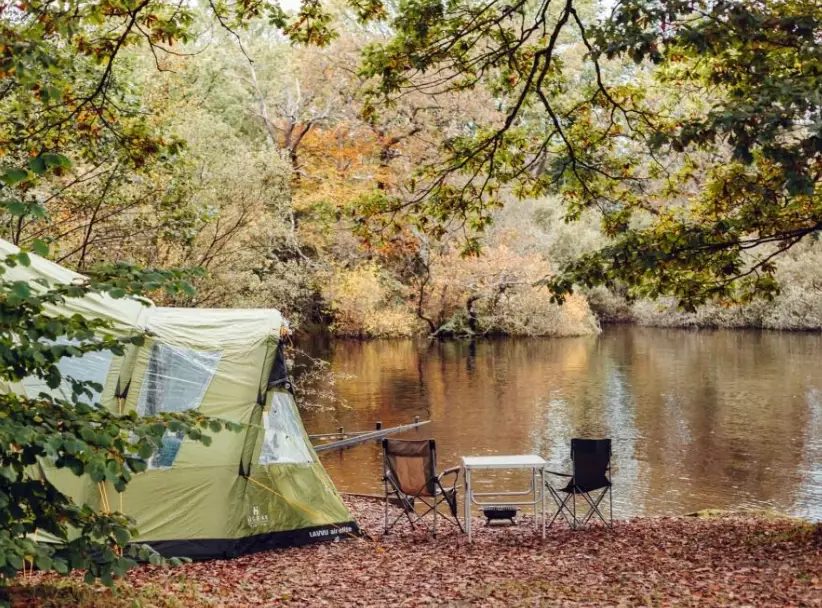
Human Waste: The Uncomfortable Truth
If you're at a developed campground with toilets, use them. In the backcountry, catholes are the standard. Dig a hole 6-8 inches deep (about the length of your trowel blade) and at least 200 feet from water, camp, and trails. This depth is crucial—it's where soil organisms can break it down. Too shallow, and it's a health hazard. Too deep, and it's in sterile soil where it won't decompose. Pack out your toilet paper in a dedicated zip-top bag. Yes, even the "biodegradable" kind. It doesn't decompose quickly in most environments.
The Dishwater Dilemma
Washing dishes is a major pollutant. Here's my field-tested method:
- Scrape and Eat: Scrape every food particle into your trash bag. Lick your plate clean if you have to (seriously).
- Hot Water Rinse: Use minimal hot water to rinse off grease. A splash of boiling water works wonders.
- Strain and Scatter: Pour the used water through a fine mesh strainer (a bandana works) into a sump hole dug 200 feet from water sources. The strainer catches food bits, which go into your trash. Scatter the strained, grey water widely so it filters through the soil.
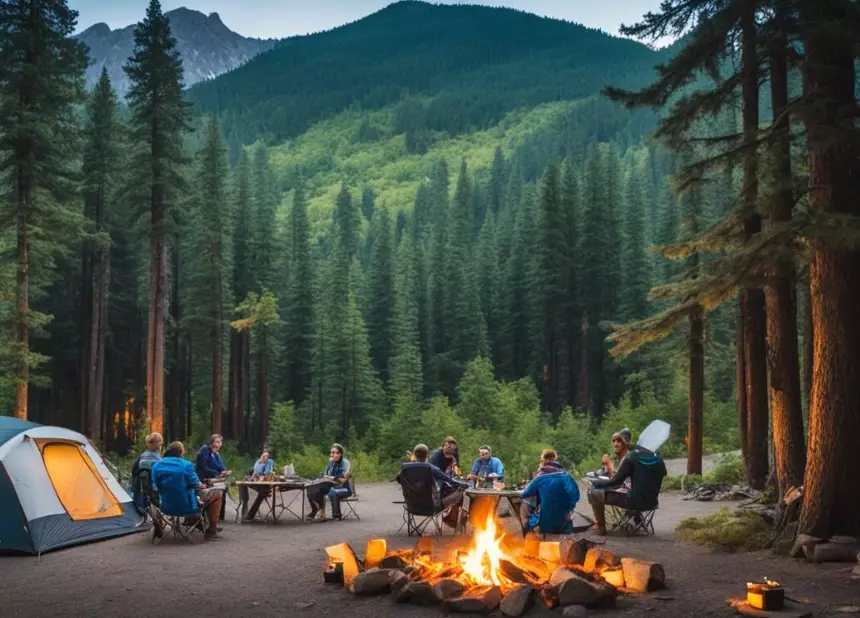
Forget "biodegradable" soap for backcountry use. Even Dr. Bronner's needs soil to biodegrade. Pouring it directly into a lake or stream, even diluted, is harmful. In most wild settings, hot water and elbow grease are all you need.
| Waste Type | Wrong Way (Common Mistake) | Right Way (Leave No Trace) |
|---|---|---|
| Food Scraps | Burying apple cores or tossing orange peels. | All food scraps, including peels and cores, go in the trash bag. They don't belong to the local ecosystem and can take years to decompose. |
| Grey Water | Dumping soapy dishwater near the tent or into a stream. | Strain food bits, carry soapy water 200+ ft from water, scatter widely. Use soap only when absolutely necessary and far from any water source. |
| Micro-Trash | Ignoring twist ties, bottle labels, bits of foil. | Use a "trash zip-lock" bag and put every single piece of packaging in it, no matter how small. Do a final campsite sweep before leaving. |
Step 3: The Campfire Conundrum - How to Do It Responsibly
Campfires are iconic, but they're also a major source of impact. A fire should be a conscious choice, not a default.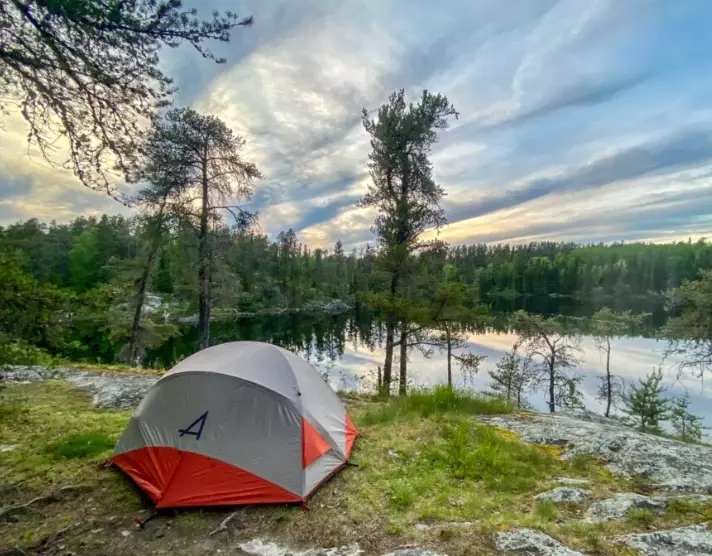
First, ask if you should have one. In drought-prone areas, just don't. Use a camp stove. If fires are allowed, always use an existing fire ring. Don't build a new one. The landscape is scarred with blackened rings from people who thought their new spot was better.
Keep it small. A fire for warmth and ambiance doesn't need to be a bonfire. Use only dead and downed wood you can break by hand. Never cut live branches or strip bark from trees. That standing dead tree? It's crucial habitat for birds and insects.
Drown the fire completely with water, not dirt. Stir the ashes until they're cold to the touch. If it's too hot to touch, it's too hot to leave.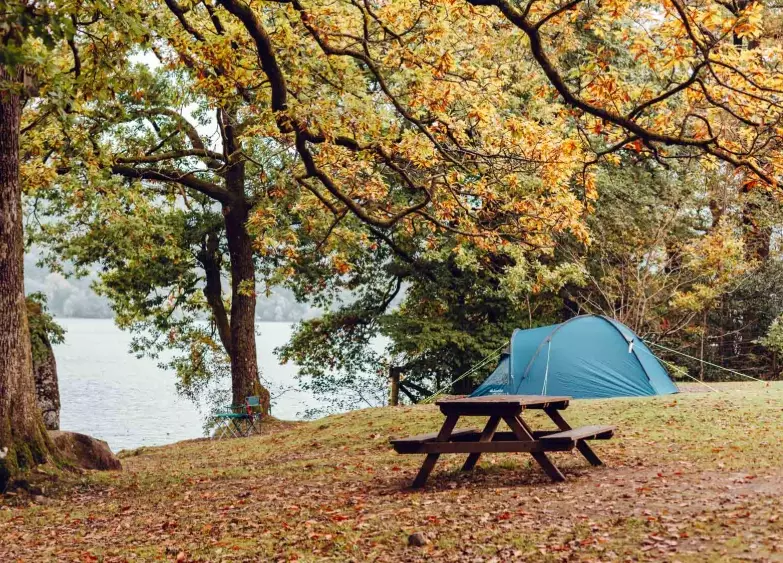
Step 4: Respect Wildlife (Beyond "Don't Feed the Bears")
We all know not to feed bears, but the interference is often more subtle.
Food storage is non-negotiable. In bear country, use provided lockers or a certified bear-resistant container. Elsewhere, a simple "bear hang" or locking food in your car (not the trunk if it's accessible from the cabin) is essential. It's not just about safety; it's about preventing animals from becoming habituated to human food, which is often a death sentence for them.
Give animals space. That perfect photo of a deer isn't worth stressing it out. Use a zoom lens, not your feet. Loud noises and music disrupt natural behaviors. The quiet camper sees more wildlife.
I once watched a group chase a marmot for ten minutes trying to get a selfie. The animal was clearly terrified, darting between rocks. It ruined the peaceful vibe for everyone else and showed a complete disregard for the creature we're all there to appreciate.
Step 5: Your Gear Choices Matter More Than You Think
Sustainable camping extends to what you buy.
Buy Quality, Buy Once. A cheap tent that breaks in two seasons creates more waste than a durable one that lasts a decade. Look for brands that offer repair services. Patagonia's Worn Wear program is a great example of a circular model.
Choose Natural Fibers When Possible. Synthetic fleece and jackets shed microplastics every time you wash them. For base layers and mid-layers, merino wool is a fantastic, renewable alternative that resists odor naturally. For rain gear, look for durable, long-lasting waterproof shells you won't need to replace often.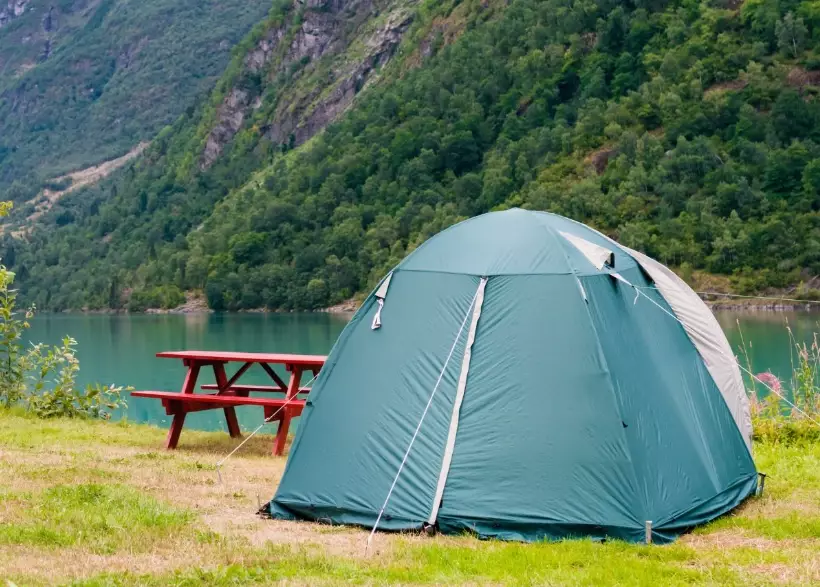
Rent or Borrow. Don't buy a specialized piece of gear for a one-time trip. Rent a bear canister, a cold-weather sleeping bag, or even a whole kit from outlets like REI's rental program. It's cheaper and reduces consumption.
Finally, the simplest tip: stay on designated trails and campsites. Creating new paths causes erosion and damages plant life. That beautiful meadow is not your campsite; it's a fragile ecosystem. Compression kills vegetation and soil structure.