Let's be honest. When you think of camping in Asia, you might picture crowded campgrounds or just sticking to hostels. I did too, until I spent a decade exploring its backcountry. Camping Asia isn't just about saving money on accommodation. It's your front-row ticket to places no bus tour will ever go—waking up to mist swirling around Himalayan peaks, falling asleep to the sound of a jungle river, or having a beach in Thailand all to yourself at sunrise. The continent offers a staggering range, from high-altitude alpine zones to tropical rainforests, each with its own rules and rewards. This guide cuts through the noise. I'll share the spots worth the hike, the gear that won't fail you, and the cultural nuances that separate a good trip from a great one.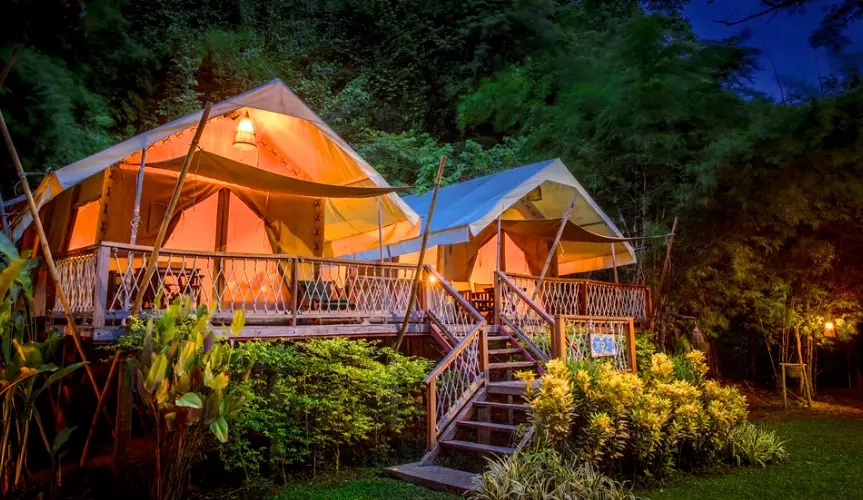
Your Camping Asia Quick Guide
Top 3 Camping Destinations in Asia
Forget the one-size-fits-all list. These three spots represent the best of Asia's diversity, chosen for accessibility, sheer beauty, and that authentic wilderness feel. Each requires a different approach.
| Destination | Best For | Key Info (Fees, Access) | The Pro Tip Most Blogs Miss |
|---|---|---|---|
| Fuji Five Lakes (Fujigoko), Japan | First-timers, family camping, iconic views. | Official sites like Lake Saiko Campground cost ~¥1500-¥2500/night. Book months ahead for summer. Direct buses from Shinjuku (Tokyo) to Kawaguchiko Station (~2 hours). | Skip the crowded lakeside sites at Kawaguchiko. Rent a car and head to Lake Shoji or Motosu. You'll find quieter, smaller campgrounds with the same perfect Fuji view but 70% fewer people. |
| Chiang Mai Highlands, Thailand | Wild camping, jungle immersion, cooler climates. | Often free or minimal fee (~฿50) at national park sites like Doi Inthanon. Fly to Chiang Mai, then rent a scooter (for easy sites) or a 4x4 (for remote trails). | The mosquitoes here are next-level. I learned the hard way. A regular repellent won't cut it. You need a high-DEET formula or, better yet, permethrin-treated clothing. It's the difference between enjoying the sounds of the jungle and being driven mad. |
| Annapurna Region, Nepal | Adventure seekers, teahouse-supported camping, epic landscapes. | Requires a TIMS card (~$20) and Annapurna Conservation Area Permit (~$30). Fly to Pokhara, then jeep to trailheads like Nayapul. Teahouses offer basic rooms, but camping lets you stop anywhere. | Don't try to carry all your food. The genius of Nepal is the teahouse system. Use them for meals and hot drinks, but camp outside. You save a ton of weight, support local businesses, and still get the solitude of your own tent under the stars. |
I remember setting up camp near Lake Motosu as the sun set. The tour buses had left, the day-trippers were gone. It was just the mirrored surface of the lake, the silhouette of Fuji, and the crackle of my campfire. That's the magic you're after.
Essential Camping Gear for Asia: The Savvy Packer's List
Packing for Asia isn't about bringing your entire garage. It's about strategic choices for humidity, monsoon rains, and limited laundry options. Most people overpack clothes and underpack critical small items.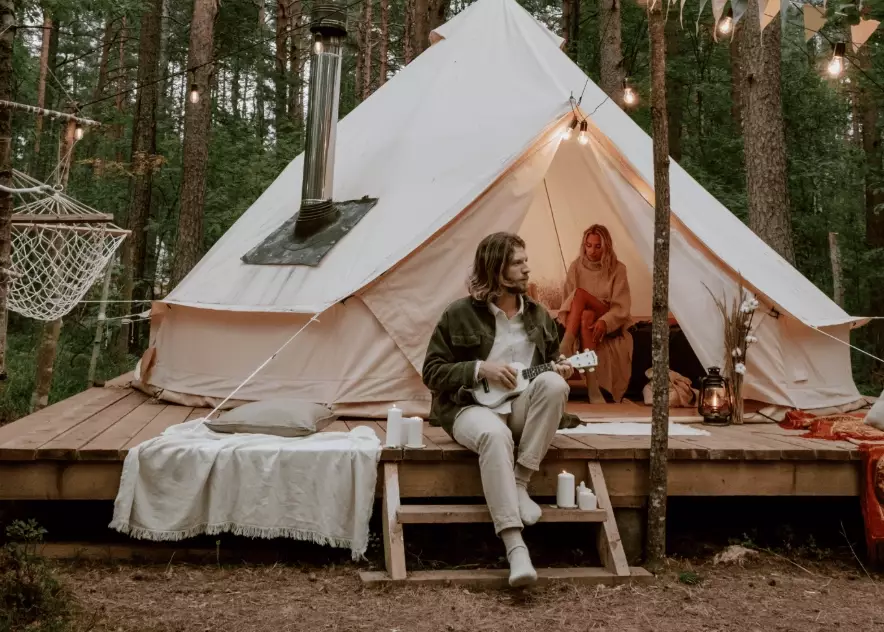
The Core Philosophy: Your shelter and sleep system are non-negotiable. Skimp here, and your trip is miserable. Everything else can be adapted.
Shelter & Sleep: Your Mobile Fortress
A 3-season tent is a must, but ventilation is your top priority in tropical Asia. A mesh-heavy design prevents your tent from becoming a sauna. For Nepal's Himalayas, a 4-season or robust 3-season is better. Pair it with a sleeping bag rated 10°C lower than the expected low. A sleeping pad isn't a luxury; it's insulation from the cold, damp ground.
The Clothing System: Layer for Anything
Forget cotton. It's a sponge that never dries. You want a system:
- Base Layer: Merino wool or synthetic. One to wear, one to wash.
- Mid Layer: A lightweight fleece or puffy jacket for cool mountain nights.
- Outer Shell: A packable, waterproof rain jacket. Monsoons can start in minutes.
- Footwear: Broken-in hiking boots for trails, lightweight sandals for camp.
You need far fewer items than you think. The ability to wash and quick-dry is everything.
Tools & Extras That Actually Get Used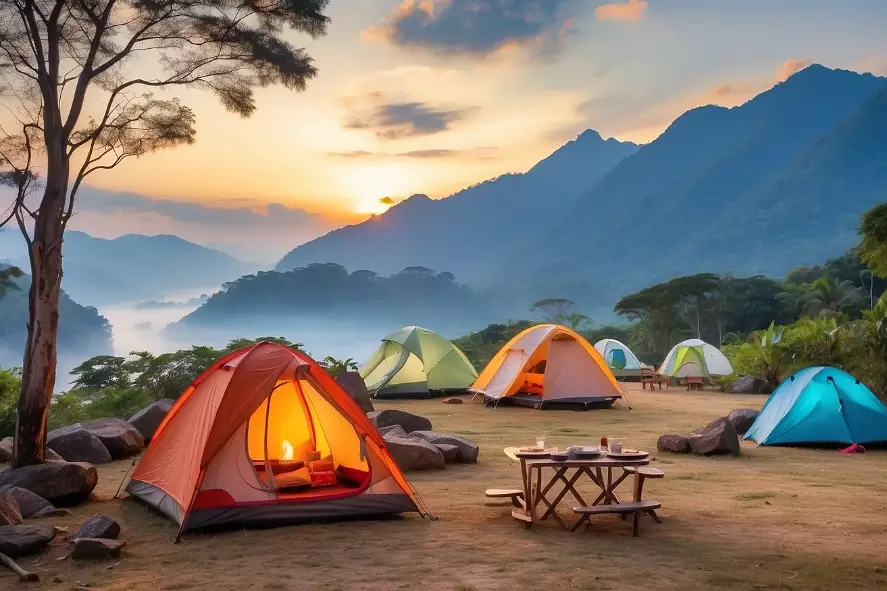
A headlamp (with extra batteries), a multi-tool, a durable water bottle and a purification method (tablets or a Steripen), a basic first-aid kit, and a power bank. A quick-dry travel towel is a game-changer. So is a few meters of paracord for makeshift clotheslines or gear repairs.
Understanding Asia's Camping Culture & Etiquette
This is where most guides written from a Western perspective fall short. Camping in Asia isn't just about the physical act; it's deeply intertwined with local norms and environmental attitudes.
In Japan, camping is highly organized and quiet. Respect is paramount—no loud music, strict trash separation, and punctual check-in/out. In contrast, wild camping in parts of Southeast Asia is more common but comes with a greater responsibility to be invisible. The principle of Leave No Trace isn't just a suggestion; in ecologically sensitive areas, it's a duty. Always pack out everything you pack in, including toilet paper. Burying it is not acceptable in many Asian ecosystems.
Engage with locals if you're near villages. A simple smile and learning "hello" in the local language goes far. Often, setting up camp near a village without a word is seen as rude. Asking for permission, even if it's just through gestures, builds goodwill. I've been invited for tea more times by being polite than by any other action.
Research local fire rules. In many Asian forests, especially during dry season, open fires are prohibited and incredibly dangerous. A portable camping stove is the responsible and reliable choice.
Planning & Logistics: Permits, Safety, and Beating the Seasons
Spontaneous camping in Asia can lead to closed gates or fines. A little homework saves the trip.
Permits & Regulations: National parks in Thailand, Malaysia, and Nepal often require entry permits and sometimes separate camping permits. Japan's popular campgrounds require advance online reservations. Government tourism websites are your most reliable source. For Nepal's trekking regions, always go through authorized agencies for your permits—it's straightforward and avoids headaches at checkpoints.
The Seasonal Dance: Timing is everything.
- North Asia (Japan, Korea): Prime season is late spring to autumn. Summers are warm but can be humid. Winters are for serious cold-weather campers only.
- Southeast Asia (Thailand, Vietnam, Laos): Camp during the dry season (Nov-Apr). The monsoon (May-Oct) brings torrential rain, leeches, and slippery, dangerous trails.
- South Asia (Nepal, Northern India): Best windows are pre-monsoon (Mar-May) for flowers, and post-monsoon (Oct-Nov) for clear skies and stable weather.
Safety First: Register your plans with someone. Know the local emergency number. Be aware of wildlife—from monkeys who will steal your food in seconds to larger fauna in remote areas. Store food properly. Water safety is critical; assume all stream water needs treatment. Finally, trust your gut. If a spot feels unsafe or you're getting unwanted attention, move on.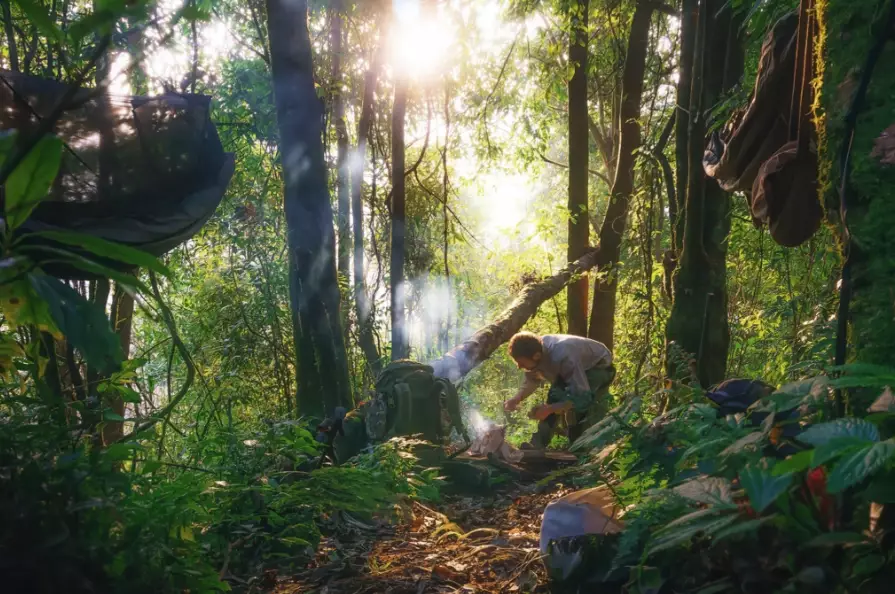
Your Camping Asia Questions Answered
 I'm worried about insects and leeches. Any proven tactics?