Let's cut to the chase. Montana camping isn't just pitching a tent; it's an immersion into a landscape so vast it redefines your sense of scale. We're talking about the "Last Best Place," where the sky feels bigger, the mountains sharper, and the silence deeper. But here's the thing most guides don't tell you: that epic experience hinges on one critical factor—planning. Not just any planning, but the kind that accounts for grizzly bears, weather that can swing 40 degrees in a day, and campsites that book up faster than a hot concert ticket.
I've spent over a decade chasing sunsets and dodging thunderstorms across this state, from the jagged peaks of Glacier to the rolling prairies of the east. I've made the mistakes so you don't have to. This guide isn't a list of generic tips. It's the playbook I wish I'd had, packed with specific site recommendations, gear you absolutely need (and what you can leave behind), and those little-known spots that locals try to keep for themselves.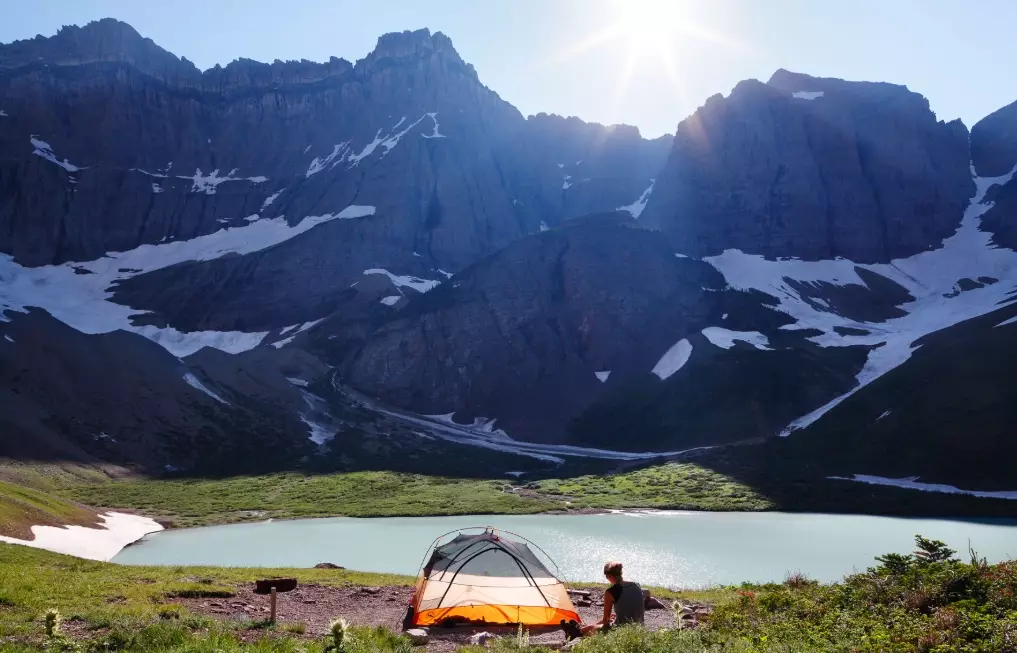
What's Inside This Guide
Where to Pitch Your Tent: The Best Spots for Montana Camping
Forget the idea of just one "best" place. Montana's magic lies in its diversity. Your perfect spot depends on what you're after: alpine lakes, geothermal wonders, or pure solitude.
Glacier National Park: The Crown Jewel
Yes, it's famous for a reason. But most people cluster around Lake McDonald. The real secret? The Many Glacier Valley. The Many Glacier Campground is first-come, first-served, which is a pain, but waking up to views of Grinnell Point is worth the gamble. Get there by 7 AM if you want a spot in July. Pro tip: the St. Mary Campground on the east side has more reservable sites (via Recreation.gov) and puts you closer to Logan Pass for sunrise drives on the Going-to-the-Sun Road.
Yellowstone's Northern Gateway: Gardiner and Paradise Valley
Everyone floods West Yellowstone. Head north instead. The Yellowstone River corridors near Gardiner and Livingston offer stunning public land camping. Check out Yankee Jim Canyon or national forest land along US-89. You're minutes from the park's less-crowded north entrance, with world-class fly fishing right outside your tent. No reservations needed here, just a good map to know you're on public land (the US Forest Service maps are essential).
The Undisputed Local Favorite: The Beartooth Highway
For high-alpine drama that rivals Glacier, drive the Beartooth Highway (US-212) from Red Lodge towards Cooke City. The Island Lake Campground near the top is pure magic. At nearly 10,000 feet, the stars feel close enough to touch. It's usually less frantic than the national parks, but the season is short—July to early September, if you're lucky.
Quick Comparison: Top 3 Montana Campground Types
| Campground | Best For | Reservations | Key Note |
|---|---|---|---|
| Glacier NP Campgrounds (Many Glacier, St. Mary) | Iconic scenery, hiking access | Mix of FCFS & Recreation.gov | Arrive extremely early for FCFS sites. |
| National Forest Dispersed Sites (Gallatin, Custer) | Solitude, cost (often free) | None - First-come, first-served | Must be self-sufficient. Practice Leave No Trace strictly. |
| State Park Campgrounds (Lewis & Clark Caverns) | Families, amenities | Yes, via state website | Great for RVs and those wanting facilities. |
The Non-Negotiable Montana Camping Gear List
Montana laughs at your standard camping kit. A common mistake is packing for a summer trip in the Carolinas. You need layers and preparedness for anything.
The Big Three:
- A Bombproof Tent: Not just waterproof, but windproof. Afternoon thunderstorms in the Rockies can turn into gale-force winds in minutes. I've seen dome tents flattened. Go for a sturdy 3-season tent with strong poles.
- Sleep System for 20°F Colder: If you think you'll need a 40°F bag in July, bring a 20°F bag. Nighttime temperatures at elevation can dip into the 30s even in August. A quality sleeping pad with a high R-value is non-optional.
- Bear-Resistant Food Storage: This isn't a suggestion. In grizzly country, it's the law. A hard-sided bear canister is foolproof. In many frontcountry campgrounds, metal lockers are provided. For backcountry trips, a canister is mandatory. Hanging food is outdated and often ineffective in Montana's treeless alpine zones.
One piece of gear most people forget? Warm camp shoes. After a long hike, putting on cold, damp hiking boots to walk to the bathroom at 2 AM is miserable. Pack camp shoes or down booties.
How to Plan Your Montana Camping Trip: A Step-by-Step Timeline
6+ Months Out: This is when you book. For popular reservable sites in Glacier (like Fish Creek) or Yellowstone, reservations on Recreation.gov open 6 months in advance and vanish within minutes. Set a calendar alert.
3 Months Out: Secure your vehicle reservation if needed. Glacier National Park now requires a vehicle reservation for the Going-to-the-Sun Road corridor during peak hours in summer. This is separate from your campsite or park pass.
1 Month Out: Finalize your gear. Buy your bear spray. You can get it in Montana, but why waste vacation time? Practice setting up your tent at home. Check fire restrictions—Montana has serious wildfire seasons, and campfire bans are common.
1 Week Out: Check the weather obsessively. Pack for all four seasons. I once had sun, hail, and snow all in one August afternoon in the Beartooths.
Staying Safe in Big Sky Country: Beyond Common Sense
Safety here is about respecting the wild, not fearing it.
Bear Safety is Food Safety
Everyone talks about carrying bear spray (and you absolutely should—have it accessible, not buried in your pack). But the real key is avoiding an encounter in the first place. Cook and eat at least 100 yards downwind from your tent. Never, ever bring food, wrappers, or even toothpaste into your tent. Store everything smelly—deodorant, sunscreen, trash—in the bear locker or canister. A clean camp is a safe camp.
The Weather Whiplash
Hypothermia is a real risk in summer. Cotton kills. Wear wool or synthetic layers. If you're caught in a sudden storm above treeline, get lower immediately. Lightning is a major hazard. Don't be the highest point.
River Crossings
If your Montana camping trip involves backcountry hiking, know that snowmelt makes rivers dangerously high and cold through early July. What looks like a simple crossing on a map can be impassable. Always have a backup route.
Your Montana Camping Questions Answered
What's the single biggest mistake first-timers make when camping in Montana?
Underestimating the scale and the conditions. People see "July" and pack shorts and a light jacket. Montana's mountains create their own weather. You need a system, not just individual items: a base layer, insulation layer, and a serious rain/wind shell, always with you. The mistake is thinking you're just going camping; you're entering a dynamic, powerful environment.
Can I just show up and find a campsite without a reservation?
It's a high-risk strategy in the national parks. For Glacier or Yellowstone's main campgrounds, no. You'll likely end up driving miles to an overflow area or a distant town. Your best bet for spontaneity is targeting National Forest or Bureau of Land Management (BLM) land for dispersed camping. Get a detailed map, know the rules (usually 100+ feet from water, stay on established sites), and always have a Plan B.
How do I handle a grizzly bear encounter while camping?
First, you've already made your best move by making noise on the trail to avoid surprising one. If you see a bear at a distance, detour widely. If it's close, stand your ground, group up, and speak calmly. Never run. Have your bear spray ready, removing the safety tab. If a grizzly makes contact, play dead: lie flat on your stomach, hands clasped behind your neck, legs spread to make it harder to flip you. This is counterintuitive but proven. Fight back only if the attack persists (which is rare—usually a defensive bluff). This is why carrying and knowing how to use bear spray before you need it is critical.
 Is Montana camping suitable for families with young kids?
Absolutely, if you choose the right location. Skip the remote backcountry trip. Opt for established state parks or Forest Service campgrounds with amenities like potable water and vault toilets. Places like Lewis & Clark Caverns State Park or Spring Gulch near Bozeman offer great introductory experiences. Focus on short nature walks, river play, and s'mores. The key is managing expectations—keep days simple and flexible.
When is the absolute best time for a Montana camping trip?
Late July through mid-September. Early July can mean mosquitoes, lingering high snow blocking trails, and raging rivers. By late July, wildflowers peak, trails clear, and rivers drop. September is golden—literally, with fall colors, fewer crowds, and no bugs. But nights are colder, and some high-elevation facilities start closing after Labor Day.
 Look, Montana camping will challenge you. It might rain on you, the wind might try to steal your tent, and you'll definitely be tired. But when you're sipping coffee as the first light hits a glacial peak, or falling asleep to the sound of a river you have all to yourself, you'll get it. It's not just a trip; it's a reset. Plan well, respect the land, and the Big Sky will give you an adventure you'll talk about for years.