Jump Straight to What You Need
Let's cut to the chase: off-grid camping is about ditching the crowded, noisy campgrounds and forging your own path into the wild. No hookups, no neighbors, just you and nature. If that sounds appealing, you're in the right place. This guide isn't just a list of tips—it's the accumulated wisdom from years of doing it wrong so you can do it right. We'll cover everything from the absolute essentials you need to pack to the hidden gems where you can pitch your tent in peace. By the end, you'll know how to plan, execute, and enjoy a safe off-grid adventure, whether you're a newbie or a seasoned camper looking to go deeper.
What Off-Grid Camping Really Means (And Why It's Worth It)
Off-grid camping, often called boondocking or dispersed camping, means camping outside of designated campgrounds, usually on public land, without any amenities like water, electricity, or toilets. It's not just about saving money—though you often camp for free—it's about immersion. I remember my first off-grid trip in Utah's BLM land; the silence was so profound it almost felt loud. The stars were unreal, with no light pollution to wash them out. That's the magic: total solitude, a deeper connection to nature, and the thrill of self-reliance. But it's not for the unprepared. According to the U.S. Forest Service, dispersed camping is allowed in most national forests, but rules vary, so always check locally. For example, in some areas, you can stay up to 14 days, while others limit it to 7. Why bother? Beyond the obvious peace and quiet, it teaches you resourcefulness. You learn to manage water, waste, and weather in ways that a developed campground never demands. It's camping stripped down to its essence.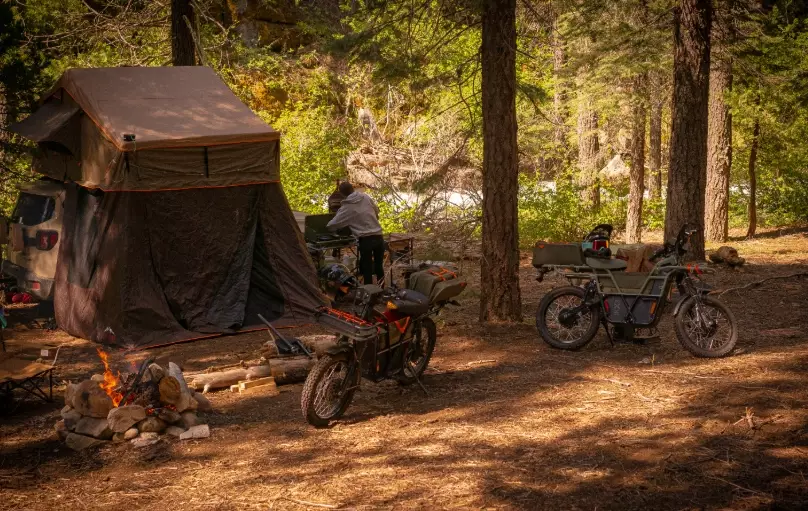
The Gear You Can't Skip: Building Your Off-Grid Kit
Forget the fancy gadgets; off-grid camping demands reliability. Here’s the core list based on what I've learned the hard way. Miss one of these, and your trip could go south fast.
Shelter and Sleep: Stay Dry and Rested
Your tent needs to withstand wind and rain without a complaint. I prefer a four-season tent even in summer—they're burlier. A sleeping bag rated 10 degrees below the expected low is a good rule. And don't skimp on the sleeping pad; cold ground will ruin your night. I use an inflatable pad with a high R-value for insulation. Once, in Colorado's San Juan Mountains, I woke up shivering because my pad was too thin. Lesson learned: invest in quality sleep gear.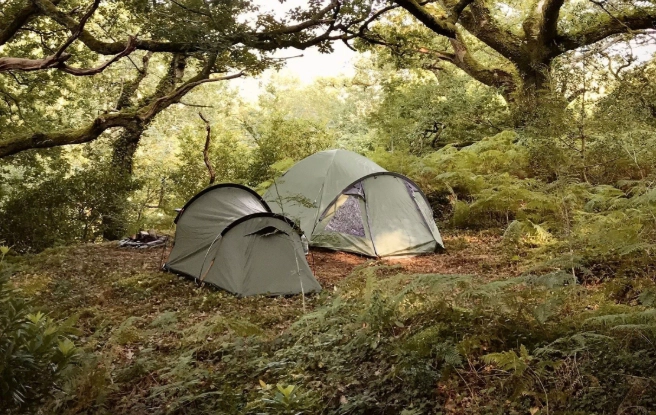
Water and Food: No Taps, No Problem
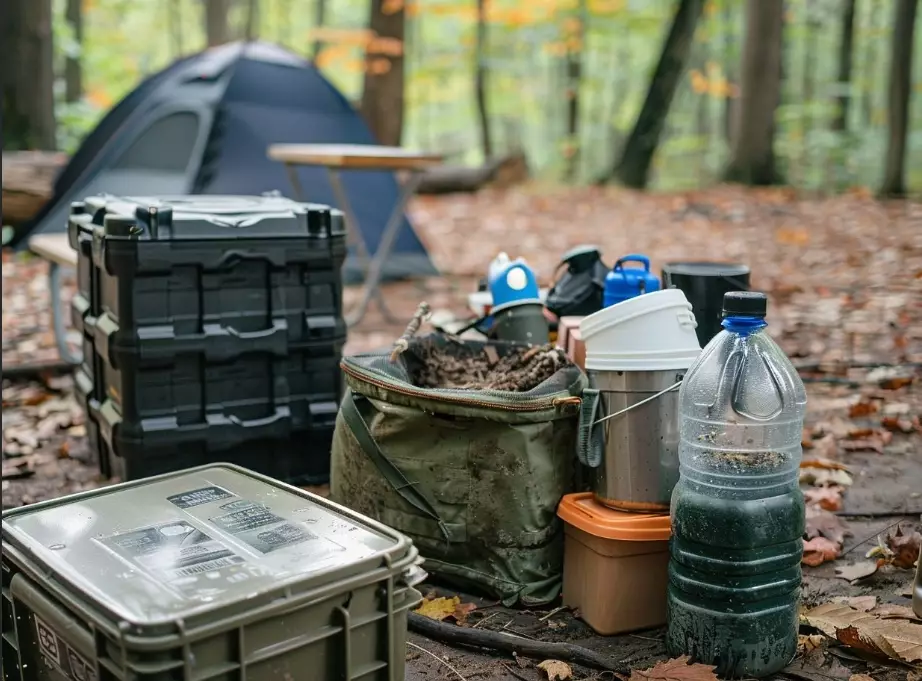
Water is non-negotiable. Plan for at least one gallon per person per day, more in hot climates. I use a combination of a 7-gallon water jug and a portable filter like the Sawyer Squeeze for streams. For food, go for non-perishable, easy-to-cook meals. A two-burner camp stove and extra fuel are essentials. I pack oatmeal for breakfast, sandwiches for lunch, and dehydrated meals for dinner. Don't forget a bear-resistant container if you're in bear country—hanging food isn't always enough.
Power and Communication: Staying Safe and Connected
You're off-grid, but not off-map. A handheld GPS or a smartphone with offline maps is crucial. I rely on a solar charger to keep devices powered. And always carry a satellite messenger like a Garmin inReach for emergencies—it's saved my skin twice. On a trip in Montana, I slipped and sprained an ankle; without that device, I'd have been stuck. Power banks are handy, but solar gives you endless juice if the sun cooperates.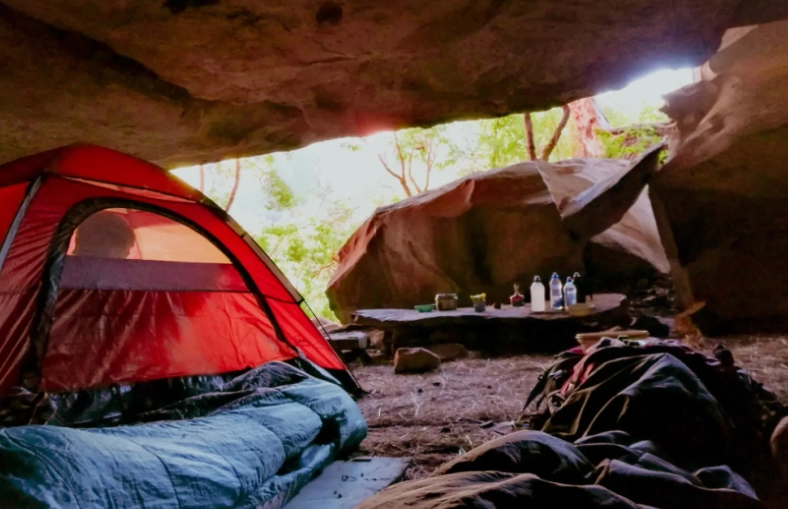
Here’s a quick table of the absolute essentials. This isn't an exhaustive list, but if you have these, you're 90% there.
| Item | Why It's Critical | My Personal Pick | Approx. Cost |
|---|---|---|---|
| Four-Season Tent | Wind and rain protection; durability for rough terrain | MSR Hubba Hubba NX | $450 |
| Water Filter | Safe drinking water from natural sources; lightweight | Sawyer Mini | $25 |
| Solar Charger | Keep GPS and phone alive; renewable power source | Anker PowerPort Solar | $70 |
| First-Aid Kit | Handle minor injuries remotely; includes tweezers, bandages | Adventure Medical Kits Ultralight | $30 |
| Camp Stove | Cook meals without fire; reliable in all weather | Jetboil Flash | $100 |
How to Find Your Perfect Off-Grid Camping Spot
Finding legal off-grid spots is easier than you think, but it requires some homework. Start with public lands: Bureau of Land Management (BLM) areas and national forests are goldmines. Use apps like iOverlander or the official BLM website maps. I've spent weeks in Arizona's Sonoran Desert, camping for free on BLM land—just pull off a dirt road, find a flat spot, and you're set. But always follow Leave No Trace principles: pack out all trash, camp at least 200 feet from water sources, and avoid disturbing wildlife. For a concrete example, check the BLM's website for the Mojave Desert region; they have interactive maps showing dispersed camping zones. Another tip: look for "Motor Vehicle Use Maps" from the Forest Service—they highlight where you can drive and camp off-road.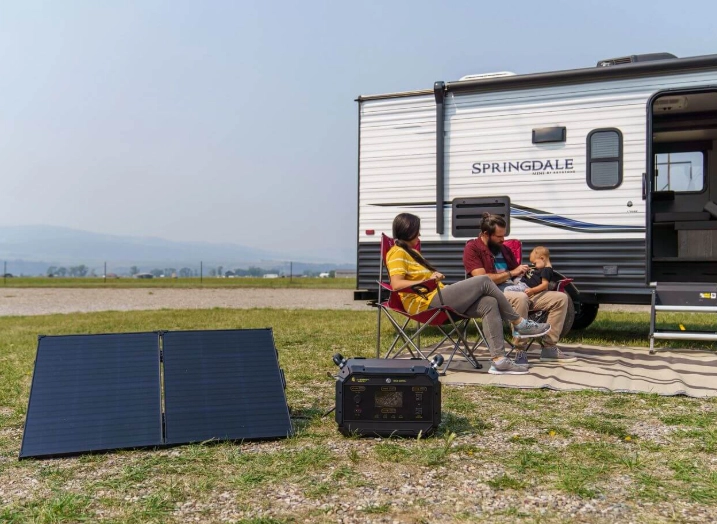
Here are my top 5 off-grid camping destinations in the US, based on accessibility and beauty. I've camped at each, so these are firsthand recommendations.
- Moab, Utah (BLM Land): Endless red rock vistas. No permits needed for stays under 14 days. Best in spring or fall. Access via Highway 191, then dirt roads like Willow Springs. Bring extra water—it's desert.
- Olympic National Forest, Washington: Lush forests and mountain views. Check for fire restrictions. Access via Forest Service roads like FR 29. Free camping, but be prepared for rain even in summer.
- Big Bend National Park, Texas (Backcountry Sites): Requires a permit ($10), but worth it for the solitude. No facilities, so bring everything. Best time: October to April. Coordinates for a good spot: 29.2°N, 103.2°W.
- Apache-Sitgreaves National Forest, Arizona: High elevation cool in summer. Dispersed camping allowed; use Motor Vehicle Use Maps. Try FR 300 for lakeside spots. Free, but watch for monsoon storms in July.
- Alaska's Kenai Peninsula: For the adventurous. Remote, bear country, but unparalleled wilderness. Study safety protocols first. Access via Seward Highway, then rough trails. Free, but bring bear spray and a satellite phone.
Planning Your First Off-Grid Trip: A Step-by-Step Walkthrough
Let's walk through a hypothetical weekend trip to make it concrete. Say you're in California and want to try off-grid camping near Joshua Tree.
Step 1: Choose Your Location. Pick a spot within a few hours' drive for your first time. Research online for recent visitor reports on sites like Campendium. For Joshua Tree, BLM land north of the park is popular. I'd aim for areas off Bessemer Mine Road.
Step 2: Check Regulations. Visit the BLM website for the Barstow Field Office page. Confirm camping is allowed, fire rules (often prohibited in summer), and stay limits (usually 14 days). Call the office if unsure—I've done this to avoid fines.
Step 3: Pack Methodically. Use the gear list above. Add extra water—desert camping means more hydration needs. Pack a sun shelter, too. I always throw in a pair of binoculars for stargazing; it's a small luxury that enhances the experience.
Step 4: Navigate and Set Up. Download offline maps on Gaia GPS or Google Maps. When you arrive, scout for a flat, durable surface away from washes (flash flood risk). Set camp before dark. I like to arrive by 3 PM to have time to explore and settle in.
Step 5: Execute and Enjoy. Cook simple meals like pasta on your stove, stargaze (the Milky Way is visible here), and wake up to sunrise over the desert. Pack out everything you brought, including toilet paper. Leave the spot cleaner than you found it.
Pro Tips from a Decade of Mistakes: What No One Tells You
Here's where most guides fall short. I've made every mistake in the book, so learn from me. These aren't just tips; they're hard-earned lessons.
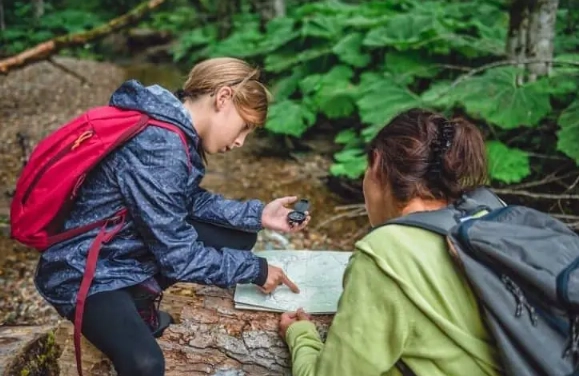
Over-reliance on GPS: Once, my GPS died in Colorado's backcountry, and I had no paper map. I spent hours wandering before finding a road. Now, I always carry a physical map and compass—and know how to use them. Technology fails; basics don't. Practice orienteering at home; it's a skill that could save your life.
Underestimating Weather: In the mountains, weather shifts fast. I got caught in a summer hailstorm in Wyoming with a flimsy three-season tent; it leaked, and I was soaked. Always check forecasts, but prepare for the worst. A four-season tent isn't overkill—it's insurance. Pack layers, even in summer; nights can get cold.
Ignoring Local Wildlife: In bear country, proper food storage is critical. I use a bear canister, not just hanging food. It's bulky, but it works. Mice can be worse than bears—they'll chew through your gear. Store food in your car or a sealed container. In Yosemite, I woke up to mice in my backpack; now I keep everything in a hard-sided box.
The "I'll Figure It Out" Mindset: Off-grid camping requires planning. Wing it, and you'll end up cold, hungry, or lost. Practice setting up gear at home first. Do a trial run in your backyard or a local park. Test your stove, filter water, and pitch your tent in the dark. It sounds silly, but it builds confidence.
Water Management Blunders: I once ran out of water on a hike in New Mexico because I underestimated how much I'd drink. Now, I carry a backup purification tablet like Aquamira. Always have a plan B for water—a filter can clog, or streams can dry up.