Quick Navigation
- What Exactly IS Car Camping? (And What It's Not)
- Why Choose Car Camping? The Unbeatable Perks
- The Heart of the Matter: Choosing & Setting Up Your Vehicle
- The Gear You Actually Need (And What's Just Nice to Have)
- The Practical Stuff Everyone Forgets
- Finding the Perfect Spot: Where Can You Legally Car Camp?
- Mastering Comfort: Tips That Feel Like Cheat Codes
- Staying Safe, Legal, and Low-Impact
- Answering Your Burning Car Camping Questions
Let's be real. The idea of camping is fantastic—the crackle of a fire, the fresh air, the stunning views. But the reality? Wrestling with tent poles in the dark, sleeping on a root, and that damp morning chill that seeps into your bones. Not so fantastic.
That's where car camping comes in.
It's the glorious middle ground. All the adventure of being outdoors, with a solid metal roof over your head and your trusty vehicle's seats (or a mattress in the back) waiting for you. It's camping stripped of its most annoying parts. You're not backpacking miles into the wilderness. You're driving right up to your spot for the night. Your car is your shelter, your storage locker, and your escape pod if the weather turns truly miserable.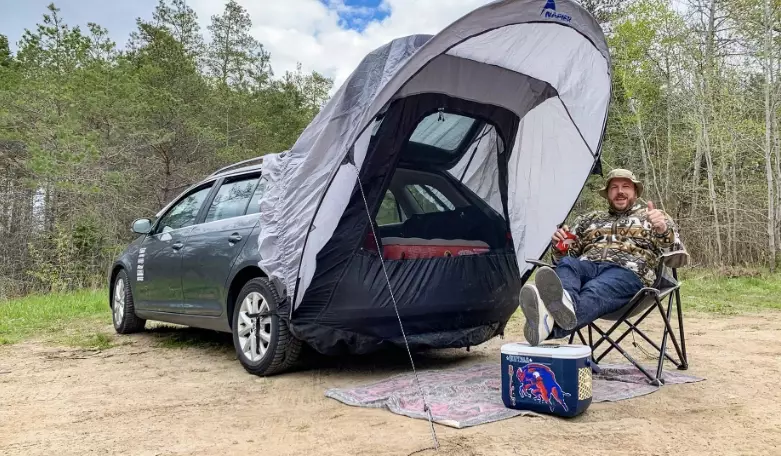
What Exactly IS Car Camping? (And What It's Not)
People get this confused. Car camping doesn't mean you sleep *in* your car. Well, it can, and often does. But technically, it just means you drive your car to your campsite. You could still pitch a tent right next to it. That's still considered car camping in the outdoor world.
But for this guide, and for most people searching for info online, we're talking about the version where your vehicle is your accommodation. Sleeping in your SUV, truck, minivan, or yes, even a well-organized sedan.
It's crucial to distinguish it from #VanLife. Van life is a full-time, deeply customized lifestyle. Car camping is an accessible, weekend-friendly activity. You use the car you already own. No major conversions needed.
Why Choose Car Camping? The Unbeatable Perks
So why has car camping exploded in popularity? It's not a mystery.
First off, it's the ultimate in flexibility and spontaneity. See a beautiful forest service road? If it's legal and safe, that can be your hotel for the night. You're not locked into campground reservations (though those are great too).
The cost is a huge factor. After the initial gear investment (which can be minimal), your main expense is gas and food. Compare that to hotel prices near national parks. It's a no-brainer for budget-conscious travelers.
Safety and security feel different. Locking your doors at night provides a peace of mind that a thin layer of nylon simply can't. You're also more weatherproof. Wind, rain, curious animals—your car is a sturdy barrier.
And let's talk comfort. You can bring more stuff! A real cooler, more blankets, a proper camp chair, extra pillows. Your car's space allows for luxuries that backpackers dream of.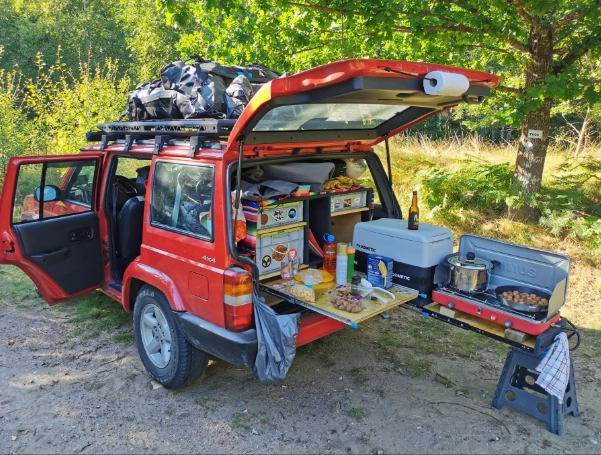
The Heart of the Matter: Choosing & Setting Up Your Vehicle
This is where most guides gloss over the details. Not all cars are created equal for sleeping in, but almost any can work with some creativity.
Vehicle Types: From Sedans to SUVs
If you're shopping with car camping in mind, or just assessing what you've got, here's the real breakdown:
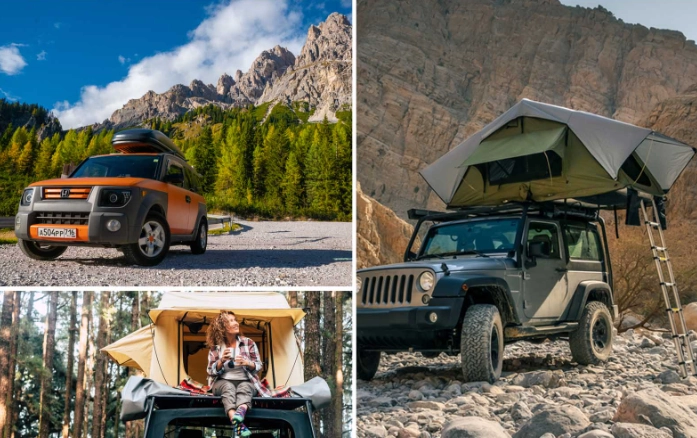
SUVs and Crossovers: The kings of car camping. Fold the rear seats flat, and you've got a near-perfect rectangular space. The height lets you sit up. My personal favorite for balance of daily driving and camping utility.
Minivans: The secret champions. Stow-and-Go seats create a massive, flat floor. More headroom than most SUVs. They're not "cool," but functionally, they're arguably the best production vehicle for this.
Station Wagons & Hatchbacks: Underrated gems. The long, continuous cargo area is great. Length is often better than an SUV, but vertical space is limited. You'll be crawling more than sitting.
Sedans: Yes, you can. It's a puzzle. You'll need to fold down the rear seats and your sleeping space will extend into the front passenger footwell. It's cozy, but doable for one person. Two is a very intimate experience.
Trucks (with a cap/topper): A truck bed with a weatherproof shell is a fantastic, dedicated sleeping pod. It's separate from your driving cab, which keeps dirt and gear contained.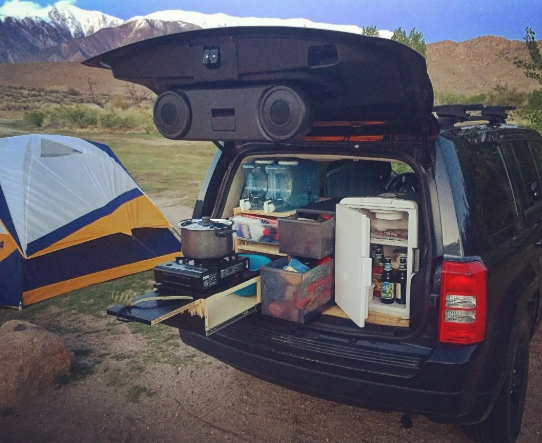
The Non-Negotiables: Pre-Trip Vehicle Prep
Before you even pack a sleeping bag, do this:
- Clean It Out Completely: I mean empty. Every gum wrapper, old receipt, and kid's toy. Start with a blank canvas. You'll need every inch of space.
- Test the Recline: Seriously, get in the back. Can you lie down fully? Where do your feet go? Figure out the seat-folding mechanism now, not at dusk in a parking lot.
- Window Covers: Privacy and insulation. Pre-cut reflectix (bubble wrap with foil) is popular. So are cheap sunshades. Even dark fabric and clothespins work. This one step makes you feel invisible and keeps the interior temperature more stable.
- Bug Screens: For cracked windows. Essential for ventilation without inviting mosquitoes to a blood drive. You can buy universal ones or make your own with mesh and magnets.
The Gear You Actually Need (And What's Just Nice to Have)
Gear lists can be overwhelming. Let's break it into a simple hierarchy: Shelter, Sleep, Living, and Practicalities.
Shelter & Sleep System: Your Mobile Bedroom
This is where you'll spend most of your time, so get it right.
Sleeping Platform vs. Mattress: If your seats don't fold flat, building a simple platform evens things out. It's a project. For most, a good mattress is enough. Options include:
- Foam Mattress Topper (Cut-to-Fit): My top recommendation for comfort and value. Buy a 3-4 inch thick one and cut it to the shape of your cargo area. It stays in the car.
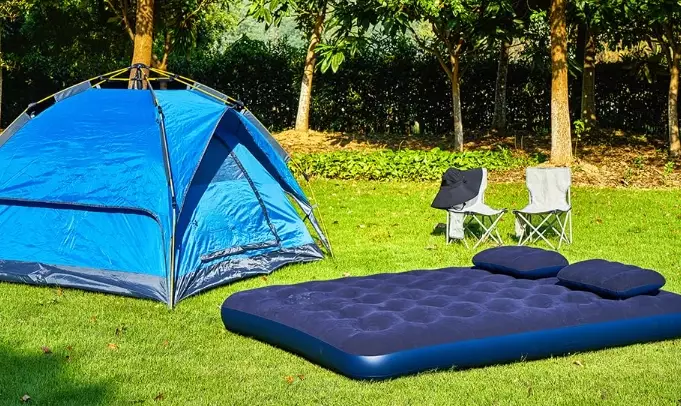
- Air Mattress: Can be comfy but are prone to leaks and get cold as the air inside chills. They also tend to slide around.
- Self-Inflating Camp Pad: The backpacker's choice. Great insulation, compact, but often narrow and expensive for a large size.
Sleeping Bag or Blankets? A good sleeping bag rated for the expected low temperature is foolproof. But a system of blankets and quilts can be more flexible. I often use a heavy wool blanket underneath and a down quilt on top. It feels more like home.
Pillows: Don't skimp. Bring your real bedroom pillow. The space luxury of car camping allows it. It makes a massive difference in sleep quality.
The "Living Room" & Kitchen Gear
This is the fun stuff.
String fairy lights (battery-powered) for amazing campsite ambiance. A magnetic LED light that sticks to your car's roof.
A French press or pour-over for real coffee. A collapsible sink for washing up. A small foldable table.
Pre-cook and freeze meals to act as ice packs. Use a water jug with a spigot for easy hand-washing.
Use soft-sided bags (like duffels) that can be squished into odd spaces once empty.
| Category | Essential Items | Pro-Tip / Nice-to-Have |
|---|---|---|
| Lighting | Headlamp (hands-free is key), one lantern for ambient light inside the car. | |
| Cooking | Simple propane stove (like a Coleman), one pot, one pan, spatula, lighter. | |
| Food & Water | Cooler, reusable water jug (5-gallon), basic utensils, plates/bowls. | |
| Organization | Plastic bins with lids. One for kitchen, one for clothes, one for tools. |
The Practical Stuff Everyone Forgets
A small broom and dustpan. You will track in dirt. A roll of blue shop towels—more durable than paper towels. A multi-tool or basic toolkit (pliers, screwdriver). Extra zip-ties and duct tape (wrap some around a water bottle). A portable battery jump starter—this is a security blanket for remote travel. And wet wipes. So many wet wipes. They're a shower substitute, a hand-cleaner, a quick wipe-down for surfaces.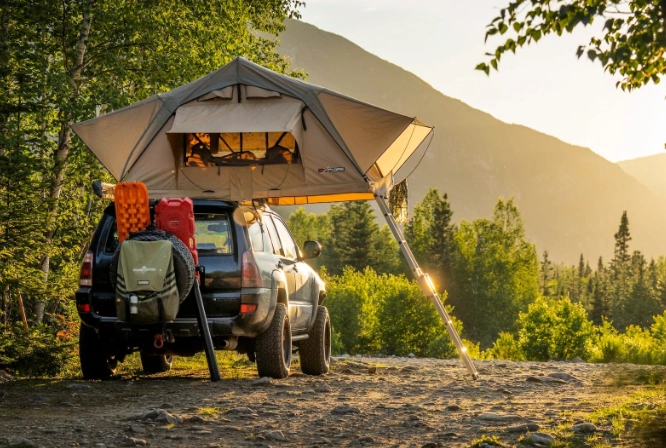
Finding the Perfect Spot: Where Can You Legally Car Camp?
This is the biggest question and potential headache. The rules vary wildly.
Developed Campgrounds: The easiest start. You pay a fee, get a designated spot, often with a picnic table, fire ring, and maybe water. Reserve early for popular parks. Websites like Recreation.gov (for US federal lands) are essential.
Dispersed Camping (Crown Land / BLM / National Forests): This is the holy grail for many car campers—free camping on public land away from developed sites. You must be self-sufficient (no facilities) and follow strict Leave No Trace principles. The key is knowing which agency manages the land and their specific rules. For example, the Bureau of Land Management (BLM) oversees millions of acres in the western US where dispersed camping is often permitted. Always check the local district office's website or call them.
Apps are your friend. iOverlander is a crowdsourced treasure trove of spots, from pristine boondocking sites to safe urban parking. The Dyrt and Campendium are also excellent for reviews and finding both paid and free sites.
Mastering Comfort: Tips That Feel Like Cheat Codes
Okay, you've got the gear and a spot. How do you make it truly enjoyable?
Ventilation is everything. Without it, you'll wake up with condensation dripping on you. Create cross-ventilation by cracking two windows opposite each other. Those bug screens you made are critical here.
Temperature control. In cold weather, wear a hat to bed. A lot of body heat escapes from your head. Use a hot water bottle in your sleeping bag. In hot weather, a 12V fan plugged into your car's outlet or a portable battery can be a lifesaver. Park in the shade if possible.
Organization is sanity. Have a dedicated "sleep zone" and a "gear zone." Before bed, move everything from the sleeping area into the front seats. It creates mental and physical space. Use the space under your sleeping platform or mattress for storing soft items like clothes.
The midnight bathroom. Have a plan. For many, it's a dedicated wide-mouth bottle (like a Nalgene) with a secure lid. For others, it's keeping shoes and a headlamp right by the door for a quick trip outside. Figure out what works for you to avoid a late-night fumble.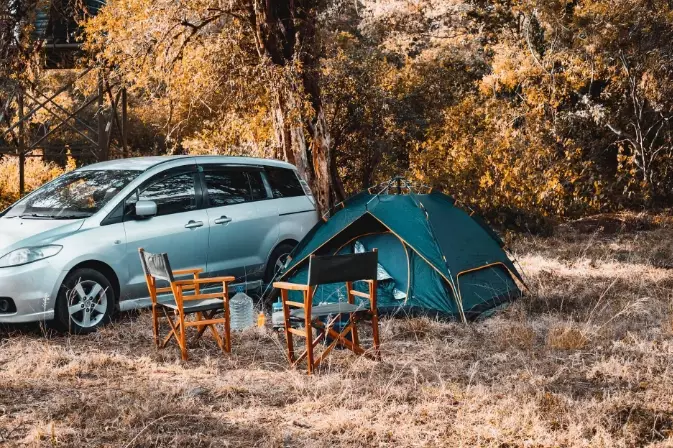
Staying Safe, Legal, and Low-Impact
Car camping comes with responsibility.
Leave No Trace (LNT): This isn't optional. Pack out ALL your trash—every wrapper, every bit of food scrap. Human waste? If there's no toilet, dig a cathole 6-8 inches deep at least 200 feet from water, trails, and camp. Better yet, use a portable toilet system for popular, fragile areas. The Leave No Trace Center for Outdoor Ethics has detailed guidelines for every scenario.
Wildlife: You're in their home. Never, ever keep food, trash, or scented items (toothpaste, deodorant) in your sleeping area. Lock it in the front cab, or better yet, in a bear-proof container if in bear country. A clean camp is a safe camp.
Security & Etiquette: Trust your gut. If a spot feels off, leave. You have that luxury. Be discreet—don't blast music or spread your gear over a huge area. Arrive late, leave early, and try to blend in when in doubt.
Answering Your Burning Car Camping Questions
Car camping isn't about having the perfect, Instagram-ready setup. It's about simplicity. It's about lowering the barrier to getting outside. It's about realizing that adventure doesn't require a huge budget or specialized skills—just a willingness to see your everyday vehicle in a new light.
It's okay if your first setup is messy. If you forget the can opener. If you realize you're parked on a slight slope and roll into the door all night. We've all been there. Each trip is a lesson that makes the next one smoother, more comfortable, and more fun.
The goal is to get out there. To wake up to a sunrise you'd have otherwise missed. To brew coffee while looking at a mountain range. Your car is just the key that unlocks that door. So grab your keys, toss some gear in the back, and go find your spot. The road is waiting.