Let's be honest. I've spent more nights than I care to remember staring at the roof of a tent, my hip bone grinding into what felt like solid rock, wondering why I thought camping was a good idea. The culprit? A terrible, paper-thin foam pad that came free with a tent I bought a decade ago. It promised comfort. It delivered misery.
Your Quick Comfort Guide
What Does "Comfortable" Even Mean on the Ground?
Before we compare pads, we need to define our terms. In the world of camping sleep, comfort is a combination of a few key things:
- Support: Does it keep your spine aligned? This is the big one. A mattress that lets your hips sink too far down while your shoulders don't is a recipe for a stiff back.
- Pressure Relief: Does it cushion your bony bits—hips, shoulders, knees—from the hard ground? This is where thickness and material matter.
- Insulation (The R-Value): Comfort isn't just softness. Being cold is profoundly uncomfortable. The R-value measures how well the pad insulates you from the cold ground. A higher R-value (4+) is needed for three-season camping; 5+ for winter.
- Stability: Does it feel like you're sleeping on a wobbly raft, or a stable platform? Some air pads have annoying "balloon" feel.
- Size & Feel: Is it wide and long enough? Does the surface feel clammy or pleasant?
When we ask "what is the most comfortable type of camping mattress," we're really asking which one best balances these factors for your specific situation.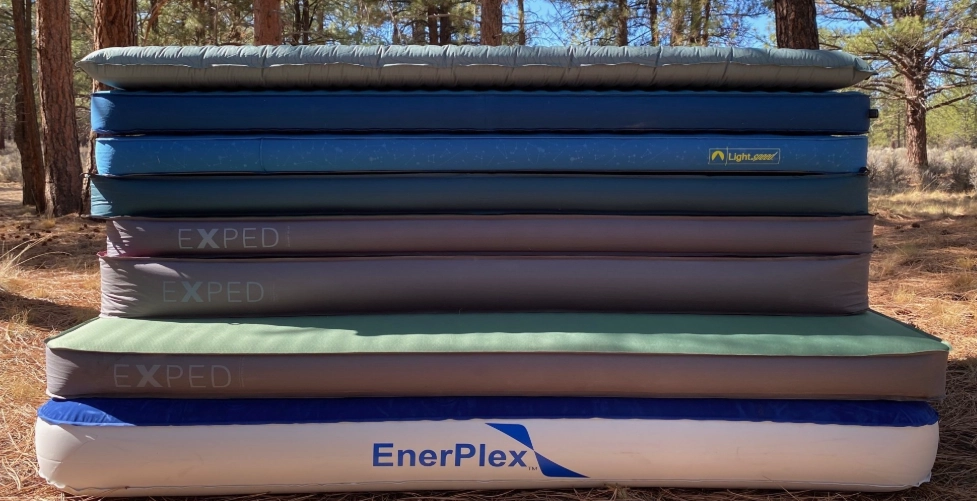
The Three Main Contenders: A Head-to-Head Comfort Showdown
Here’s the core of the debate. Each type has a fundamentally different approach to creating a comfortable sleeping surface.
| Feature | Self-Inflating Pad | Air Mattress (Modern Camping) | Closed-Cell Foam Pad |
|---|---|---|---|
| Comfort & Feel | Firm, supportive. Feels like a thin futon. Great for back sleepers. | Plush, adjustable. Can feel like a real bed. Top choice for side sleepers seeking cushion. | Firm with minimal cushion. You always feel the ground, just less sharply. |
| Primary Support Source | Open-cell foam inside the pad. | Air pressure in internal chambers/baffles. | The foam structure itself. |
| Typical Thickness | 1.5 to 3 inches | 3 to 4+ inches | 0.5 to 0.75 inches |
| Best for Sleeping Position | Back and stomach sleepers. | Side sleepers (with sufficient thickness). | Back sleepers, or as a protective base layer. |
| Warmth (R-Value) | Good to Excellent. The foam provides inherent insulation. | Varies Widely. Depends on internal materials. Can be very high. | Moderate. Good basic insulation, but thin. |
| Biggest Comfort Pro | Reliable, consistent support. No risk of deflation. | Highest potential cushion and adjustability. | Zero setup, always works. Perfect for quick naps. |
| Biggest Comfort Con | Can feel too firm for side sleepers. Bulkier. | Risk of leaks, can feel unstable/bouncy if poorly designed. | Minimal pressure relief. Not comfortable for most on hard ground. |
Deep Dive: Self-Inflating Pads – The Reliable Workhorse
These were the gold standard for comfort for a long time. You open the valve, and the foam inside expands, sucking in air. You usually top it off with a few breaths. The comfort comes from that dense foam core. It provides consistent, firm support that's fantastic if you sleep on your back or stomach.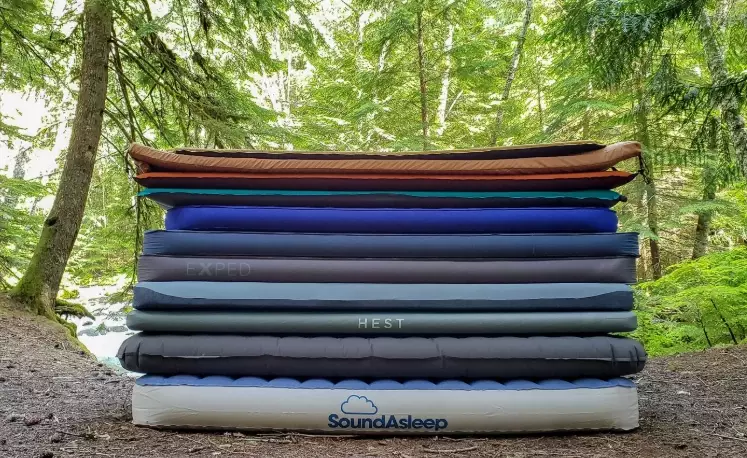
They're also champions of warmth. That foam is a great insulator. Brands like Therm-a-Rest have been perfecting this technology for decades, and their website is a great resource for understanding R-values and pad construction. The downside? For the level of cushion a side sleeper needs, they get thick and heavy. A 3-inch self-inflator is a beast to pack.
Deep Dive: Modern Air Pads – The Comfort Kings (With Caveats)
This is where the answer to "what is the most comfortable type of camping mattress" gets exciting. Today's camping air pads are not your old pool float. They have vertical baffles, horizontal I-beams, and sometimes even synthetic down insulation inside. You can inflate them to your exact preferred firmness.
Want it rock-hard? Go for it. Want a plush, pillow-top feel? You can do that too. This adjustability is the key to their comfort crown. A 4-inch tall air pad allows your hip and shoulder to sink in without bottoming out, which is the holy grail for side sleepers. The best ones, like those from Exped or Sea to Summit, have multiple chambers that stabilize the pad and prevent that rolling-into-a-taco feeling.
But.
They rely on a perfect seal. A slow leak in the middle of the night is the fastest way to turn the most comfortable camping mattress into the least comfortable. Quality matters immensely here. Look for pads with durable fabrics (like 75D polyester) and robust valves.
Deep Dive: Closed-Cell Foam Pads – The Spartan Choice
The classic blue or silver Z-rest style pad. Let's be clear: on its own, for most adults, this is not the most comfortable type of camping mattress. It's thin and firm. You will feel the ground. However, its comfort lies in its absolute reliability and its utility as part of a sleep system.
Where it shines is as a sit pad, a quick nap pad, or—most importantly—as a base layer under a self-inflating or air pad. This combo boosts R-value dramatically and provides a safety net against punctures. For ultralight backpackers who sleep like logs on their backs, a foam pad can be "comfortable enough," but they're prioritizing weight over luxury.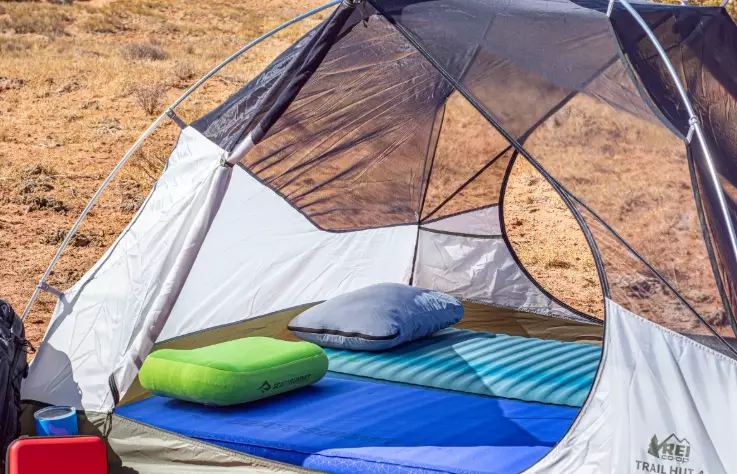
Matching the Most Comfortable Mattress to Your Sleeping Style
This is the real secret. Your body doesn't lie.
For Side Sleepers (The High-Maintenance Campers – I'm One of You!)
We need cushion. Period. Our shoulders and hips need to sink in.
- Top Pick: A 3.5 to 4+ inch tall air mattress. Look for models specifically mentioning "side sleeper" comfort. The vertical baffle design is usually better than horizontal for us.
- Thickness is Non-Negotiable: Don't go below 3 inches. 4 is better. This is the single most important factor in answering what is the most comfortable camping mattress for a side sleeper.
- Avoid most self-inflators under 2.5 inches—they're usually too firm.
For Back and Stomach Sleepers
You're in luck! You have more options because you need less cushion and more even support.
- Great Choices: A high-quality 2-3 inch self-inflating pad OR a 2.5-3 inch air pad.
- You can prioritize warmth and packability more easily. A self-inflator might be your perfect match.
- Stomach sleepers might prefer a slightly softer feel to avoid arching the back.
Beyond the Type: Other Factors That Make or Break Comfort
Choosing between air and foam is just step one. These details are where true comfort is built.
- The R-Value: I can't stress this enough. A cold pad is an uncomfortable pad. Check the manufacturer's R-value. For summer: 2-4. For three seasons: 4+. For winter: 5+. Organizations like the ASTM have standardized this testing, so look for pads that advertise an ASTM-tested R-value.
- Size and Shape: A "regular" (72" long) pad is too short for anyone over 6 feet. Are you broad-shouldered? Get a wide version (25" instead of 20"). Mummy-shaped pads save weight but can feel restrictive.
- Surface Fabric: Some have a soft, brushed feel that's nice against the skin. Others are slick polyester. It's a small thing that affects the overall experience.
- Weight and Packability (The Comfort Trade-Off): This is the backpacker's dilemma. The most comfortable camping mattress for a car trip (a huge, thick air pad) is impossible to carry on your back. You have to balance comfort with how far you have to carry it.
My Personal Recommendations & Final Verdict
After all this, here’s my take, based on miles on the trail and nights in the campground.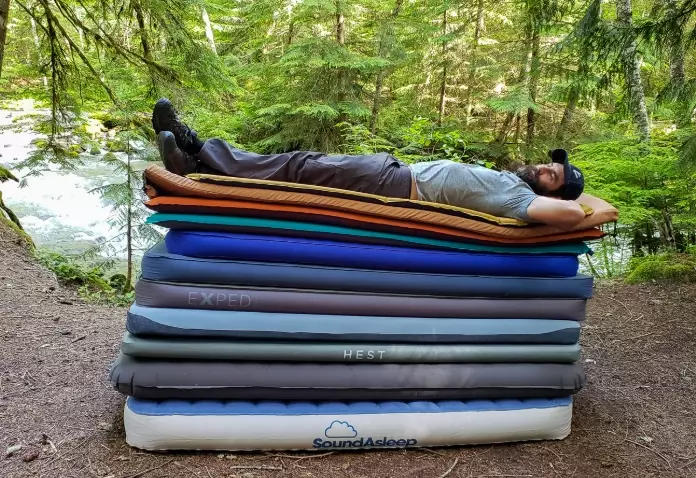
For Car Camping / Base Camp (Where Weight Doesn't Matter):
Go big. A 4-inch thick, rectangular air mattress with a built-in pump is your answer to ultimate comfort. Brands like Exped Megamat are legendary for a reason—they feel like a real bed. This is, hands down, the most comfortable type of camping mattress if you don't have to carry it.
For Backpacking (The Weight/Comfort Balance):
This is where modern air pads dominate. A 3-inch, lightweight air pad from a reputable brand offers the best comfort-to-weight ratio. Look for ones around 1 pound. For winter backpacking, a hybrid pad with synthetic insulation inside (like a Therm-a-Rest NeoAir XTherm) is worth its weight in gold and warmth.
For the Budget-Conscious & New Camper:
A 2-inch self-inflating pad is a fantastic, durable starter pad. It's comfortable for most, warm, and will last for years. It might not be the *absolute* most comfortable for a side sleeper, but it's a huge leap from a basic foam pad and a very safe, reliable bet.
The Verdict?
If we define "most comfortable" as the highest potential for pressure relief, cushion, and adjustable firmness, the modern, well-made air mattress wins. But the *right* self-inflating pad is a very close second for many people and is often more durable and worry-free. The best one for you is the one that matches your body, your trip, and your tolerance for setup and potential maintenance.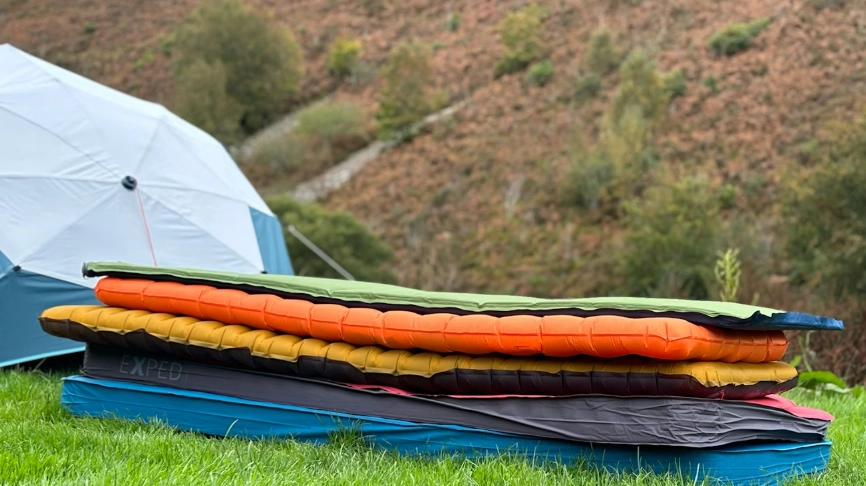
Your Comfort Questions, Answered
Support is crucial. Many find that a medium-firm self-inflating pad provides the best spinal alignment. The foam core offers consistent support without the "hammocking" effect a soft air pad can sometimes have. However, if your back pain is from pressure points (like a sore hip), a thicker air pad might be better. It's highly personal. If possible, test both. The REI Expert Advice section has great visual guides on how sleep pads support your body.
For car camping, with a top-tier pad like an Exped Megamat or a similar luxurious model, the answer is a surprising yes, very close. For backpacking, you have to adjust expectations. It can be incredibly comfortable for being on the ground in the woods, but it won't replicate your memory foam queen at home. The goal is to wake up feeling good, not to replicate the Hilton.
Cots lift you off the ground and have a firm, suspended feel. They are excellent for airflow in hot weather and for people who have trouble getting up from the ground. However, they often require a separate sleeping pad on top for insulation and cushion, as the cot fabric alone is not comfortable. A thick air pad is often more comfortable than a bare cot, but a cot+pad combo can be fantastic. It's a different kind of comfort.
These can be the most comfortable option for couples, if you both move similarly in sleep. A good double pad eliminates the cold, annoying "crack" between two singles. But if one person is a thrashing side sleeper and the other is a still back sleeper, the motion transfer on an air pad can be disruptive. Look for models with individually adjustable sides (some high-end doubles have two separate air chambers).
So, there you have it. The search for the most comfortable camping mattress isn't about finding a single magic product. It's about understanding the trade-offs between plush air, supportive foam, and reliable self-inflation, and then matching that to how you sleep and where you're going. Start by being honest about your sleeping position, then factor in warmth and weight. Do that, and you'll find your perfect patch of outdoor comfort. Happy sleeping.