You've seen the photos. A tent perched on a lonely bluff, a flickering fire under a sky drowning in stars, not another soul in sight. No reservation, no fee, no neighbors blasting music. That's the promise of dispersed camping, also called boondocking or primitive camping. It's camping on public land away from developed campgrounds. Sounds perfect, right?
It can be. But it's also where most enthusiastic first-timers make a handful of critical mistakes that range from annoying to ecologically damaging. I've spent over a decade finding these hidden spots, from the scrublands of Arizona's BLM to the dense woods of the White Mountain National Forest. This isn't just a how-to; it's a how-to-do-it-right guide that assumes you care about keeping these places wild.
What's Inside This Guide?
What Exactly is Dispersed Camping?
Let's clear the confusion first. Dispersed camping is the practice of setting up camp on public lands—primarily those managed by the U.S. Forest Service (USFS) and the Bureau of Land Management (BLM)—outside of designated, developed campgrounds. Think of it as the wild cousin of car camping.
No picnic tables, no fire pits with grates, no trash service, no bathrooms. Just you and a piece of land.
The magic word is "established." You're generally required to use sites that show obvious previous use. This isn't about hacking down saplings to make a new clearing. It's about finding a pull-off where the grass is already worn, a fire ring of stones already exists. This concentrates impact. The U.S. Forest Service actively promotes using existing sites to prevent the spread of damage.
Where It's Allowed (The Big Two):
- National Forests: This is the prime territory. Most National Forests allow dispersed camping unless specifically posted otherwise. You must be outside developed recreation areas (campgrounds, trailheads, picnic areas) and usually follow rules like being 100-200 feet from water sources and roads.
- BLM Land: The Bureau of Land Management oversees millions of acres, especially in the western U.S., and generally allows dispersed camping. Rules are similar, but always check for local restrictions.
Where It's Usually NOT Allowed: National Parks (stick to campgrounds), State Parks, Wildlife Refuges, and most private property (obviously).
How to Find Your Perfect Dispersed Campsite
This is the puzzle everyone wants to solve. Throwing a dart at a map doesn't work. Here's the layered approach I use every time.
Step 1: Start with the Official Map (The Law)
For National Forests, your bible is the Motor Vehicle Use Map (MVUM). This free map, available on the forest's website or at ranger stations, shows every single road where you can legally drive. Roads marked with a dotted magenta line are generally open for dispersed camping along them. This map is non-negotiable. I once saved a group from a hefty fine because they were camped on a road that was seasonally closed to vehicles—something only the MVUM showed.
Step 2: Scout with Satellite Imagery
Once you have a target road from the MVUM, open Google Maps, switch to satellite view, and scan. Look for:
- Wide pull-offs from the main road.
- Existing tracks leading to flat areas.
- Clearings in the tree cover big enough for a vehicle and tent.
Apps like OnX Offroad are fantastic here because they layer satellite imagery with land ownership maps, so you're absolutely sure you're on public land.
Step 3: Use Crowd-Sourced Intel (With a Grain of Salt)
Apps like iOverlander or FreeRoam are great for seeing where others have camped recently. They offer photos and reviews about road conditions and site quality. But here's the expert tip: treat these pins as suggestions, not guarantees. A site from two years ago may be overgrown or officially closed. Use them to identify promising areas, not to navigate directly to a single pin.
The Best Time to Find a Spot
Roll in early. Aim to start looking by 2 or 3 PM. In popular areas, the good spots go fast, especially on summer weekends. If you're arriving late, have a backup plan—sometimes that's a Walmart parking lot (where permitted) or a last-minute campground reservation.
Essential Gear for Dispersed Camping
Your packing list shifts when there's no host to bail you out. This isn't just about comfort; it's about self-sufficiency and minimizing your trace.
| Category | Essential Items | Why It's Critical for Dispersed Camping |
|---|---|---|
| Navigation & Communication | Paper map (MVUM), GPS app (pre-downloaded), power bank, satellite communicator (like Garmin inReach) | Cell service is a myth. A paper map doesn't run out of batteries. A satellite device is for true emergencies. |
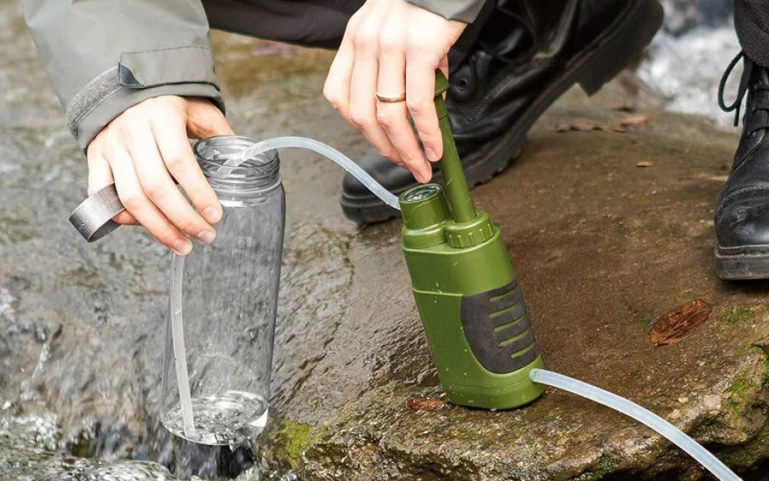
| Water Management | More water than you think (5+ gallons), robust water filter (like a Katadyn or Grayl), collapsible containers | No spigots. You must pack in all drinking water or be prepared to treat from natural sources safely. |
| Waste Management | Trowel, biodegradable toilet paper, dedicated sealable bags for used TP, large trash bags for ALL garbage | You pack out EVERYTHING, including toilet paper. A trowel is for digging a 6-8 inch cat hole at least 200 ft from water. |
| Vehicle Preparedness | Full-size spare tire, tire repair kit, air compressor, traction boards, basic tools | Forest service roads are rocky, muddy, and sharp. Being able to self-recover is part of the deal. |
| Camp Essentials | Bear-resistant food canister (where required), fire pan (if making a fire), extra fuel | Prevents wildlife issues and contains fire impact. A canister is often legally required in bear country. |
The one item most people forget? A good headlamp with extra batteries. When there's zero light pollution, a dead headlamp means you're truly in the dark.
The Golden Rules: Leave No Trace for Dispersed Camping
This is the sacred contract. Violate it, and you risk areas getting closed to everyone. The Leave No Trace Center for Outdoor Ethics principles are your framework, but here’s what they mean on the ground for a dispersed camper.
The Biggest Mistake I See: People driving off-road to create a "better" spot. Don't. Stay on durable surfaces—established roads and pull-offs. That patch of meadow you crush will take years to recover.
Camp 200 feet from water. Lakes, streams, rivers. This protects fragile riparian areas and prevents contamination.
Pack out ALL trash. Every wrapper, every bottle cap, every piece of foil. This includes biodegradable items like apple cores and orange peels—they're not native and attract animals.
Handle human waste properly. Dig a cathole 6-8 inches deep. Pack out your toilet paper in a sealed bag—yes, even the "biodegradable" kind, because it doesn't decompose quickly. In some high-alpine or desert environments, you may need to pack out solid waste entirely. Check regulations.
Respect fire restrictions. This is huge. Many areas have seasonal fire bans. Always check. If fires are allowed, use an existing fire ring. Keep it small. Burn wood to ash, drown it with water, stir the ashes, drown it again until it's cold to the touch. My personal rule? Often, I skip the fire altogether. A starry sky is entertainment enough.
Staying Safe Off the Grid
Safety out here is 90% preparation, 10% common sense.
Tell someone your plan. Not just "going to the mountains." Send them a pin of your target road, your license plate, and when you'll check in.
Know your vehicle's limits. A soft-roader SUV can handle many forest roads, but if it turns to deep mud or large rocks, turn around. Getting stuck miles from cell service is expensive and dangerous.
Weather is your boss. A dry creek bed can become a raging river in a desert thunderstorm. Check the forecast and be prepared to bail. My worst night was in Utah when a predicted mild storm turned into a wind event that nearly flattened my tent—I spent the night in the car.
Wildlife encounters are usually peaceful if you're smart. Store food, trash, and scented items in a locked vehicle or a bear canister. Never keep food in your tent. Make noise while hiking. Most animals want to avoid you.
Your Dispersed Camping Questions Answered
Dispersed camping is the purest form of American camping adventure left. It rewards preparation, humility, and respect. It's not always easy or comfortable. The road might be rough, the weather might shift, and you'll definitely get dirt in places you didn't know you had.
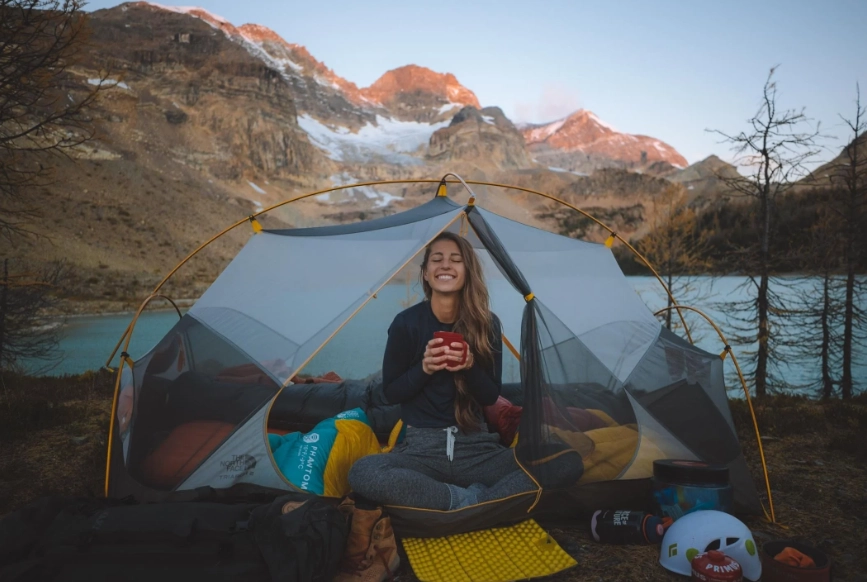
But when you sip your coffee at dawn, watching the mist lift off a valley no one else is in, you'll understand. It's worth every bit of the effort. Just remember to leave it exactly as you found it, so the next seeker of solitude gets the same gift.