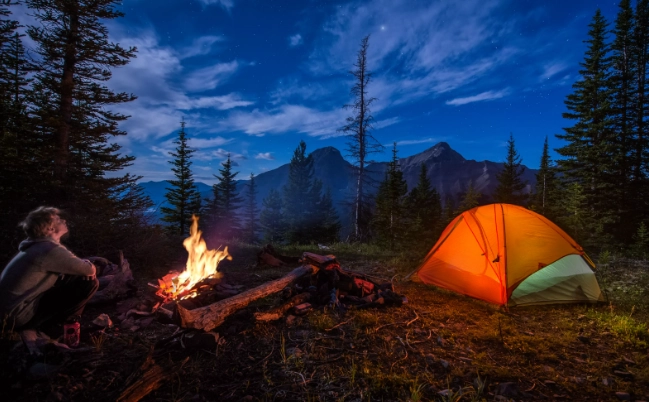
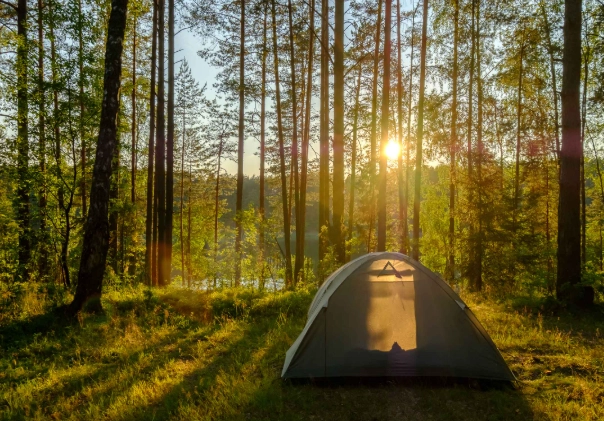
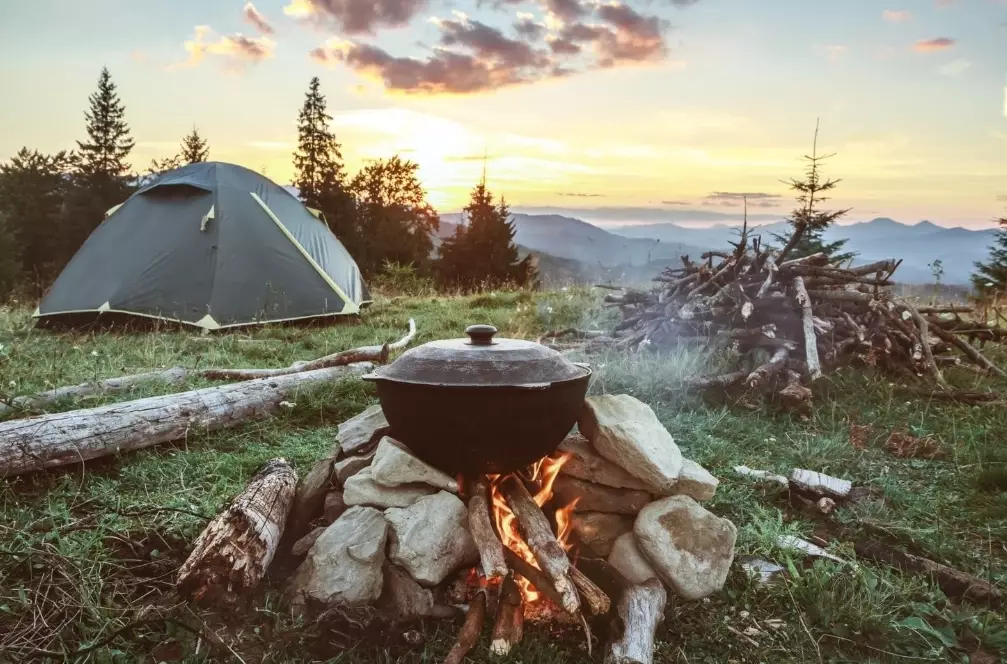
There's a moment, just after you've finished pounding in the last tent stake and before you sit down with a hot drink, when you look around and think: this is the spot. The right tent camping spot isn't just a patch of dirt; it's your front row seat to a sunrise over a misty lake, your private balcony for stargazing, the quiet corner of the woods where you finally unwind. But finding that spot? That's the trick.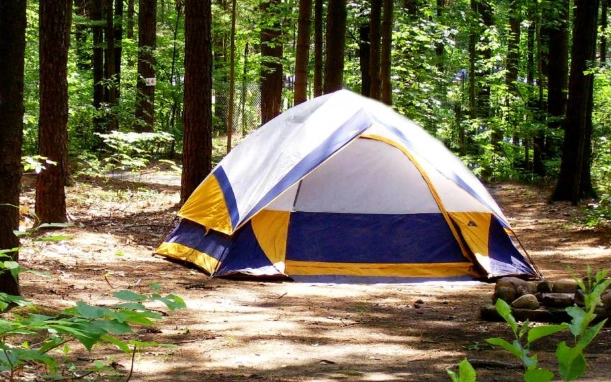
I've spent over a decade chasing that feeling, from crowded national park loops to silent stretches of backcountry. The best tent camping spots aren't always the most famous. They're the ones that match what you're looking for—solitude, scenery, family fun, or sheer adventure.
Your Quick Guide to This Article
What Really Makes a Great Tent Spot? (It's Not Just the View)
Everyone wants a beautiful view, but if you're shivering in a wind tunnel or your tent is pooling water, the view loses its charm fast. Think of choosing a site like a three-legged stool.
1. The Practical Leg: Safety and Comfort. This is non-negotiable. Look for flat, high ground to avoid pooling water. Check overhead for dead branches ("widowmakers"). Is there natural wind protection from trees or a small hill? How far is the water source and the pit toilet? A 300-yard walk feels different at midnight.
2. The Aesthetic Leg: The Scene. This is the fun part. Do you want to wake up to lake sounds, mountain peaks, or the dense quiet of a redwood forest? Your preference dictates the region, even the specific campground loop.
3. The Vibe Leg: Privacy and Atmosphere. This is what separates a good spot from a great one. How close are the neighbors? Does the site layout use vegetation for natural barriers? Some campgrounds feel like a parking lot; others make each site feel like its own world. Resources like the National Park Service's campground pages often have photos of individual sites—use them.
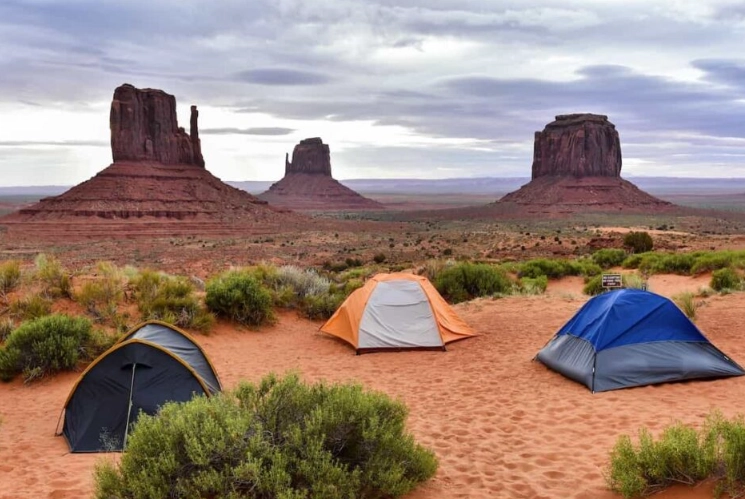
A quick story: I once picked a site in Utah for its insane canyon view. What the photos didn't show was the constant 20 mph wind whipping across the mesa. We spent the trip securing guylines and eating sand with our dinner. The view was A+, the comfort was a D-. Lesson learned: prioritize the practical, then optimize for beauty.
The Tent Camping Gear You Actually Need
You can have the best spot on earth ruined by being cold, wet, or uncomfortable. Forget the 50-item "ultimate" lists. Here’s the core kit that makes or breaks a tent trip.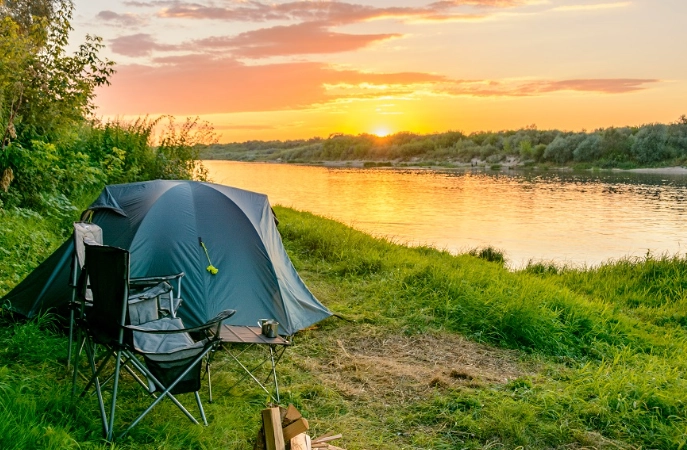
- The Shelter System: A weather-appropriate tent, a properly sized ground footprint (not a giant tarp that channels water underneath!), and a rainfly that actually reaches the ground. For three-season camping, a 3-season tent is perfect.
- Sleep Setup: This is where people cheat themselves. A sleeping bag rated 10°F lower than the coldest expected temperature, and a sleeping pad with a high R-value (insulation) for the cold. An inflatable pillow. Trust me.
- Lighting: A headlamp for each person (hands-free is key) and a lantern for the campsite. Extra batteries live in the car.
- Kitchen Box: A sturdy stove, fuel, a lighter, a pot, a spatula, a sharp knife, and biodegradable soap. Keep it simple.
- Water & Navigation: A 5-gallon jug with a spigot for camp, a filter or purification tablets for backcountry sources, and a physical map/compass or a GPS app like Gaia GPS. Cell service is a myth in good camping areas.
That's the foundation. The rest—camp chairs, games, that fancy coffee press—is gravy.
Tent Camping Spot Types: Pick Your Vibe
Not all tent spots are created equal. Your ideal weekend depends on which of these categories calls to you.
Developed Campgrounds
Your classic site with a numbered pad, fire ring, picnic table, and shared amenities like water and toilets (often vault/pit style). Perfect for families and first-timers. Reservations are usually required and can be fiercely competitive. Examples: Most National Park Service campgrounds like those in Yosemite Valley.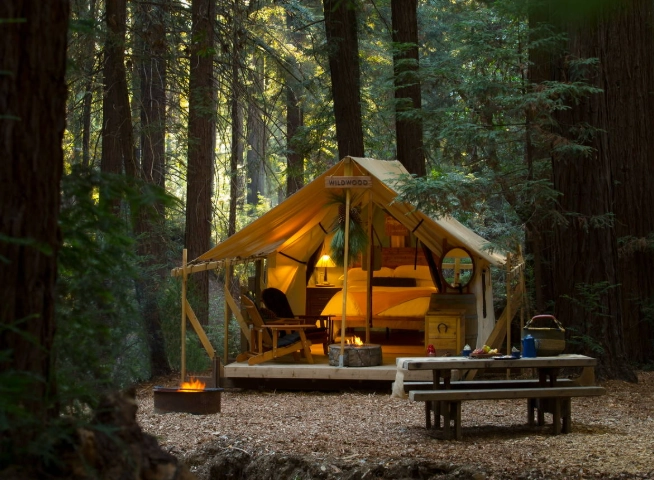
Dispersed Camping
Camping for free on public lands (usually Bureau of Land Management or U.S. Forest Service land) outside of a developed campground. No facilities, no reservations—just you and the land. This is where you find true solitude. The rule is “pack it in, pack it out,” and you need to be self-sufficient. Finding these spots requires research and often a call to the local ranger district.
Walk-In / Hike-In Sites
A sweet spot between car camping and backpacking. You park in a lot and carry your gear a short distance (50-400 yards) to your site. This simple barrier filters out a lot of noise and creates a quieter, more immersive experience. Many state parks have these.
Backcountry Sites
Reached only by trail, requiring a backpacking setup and often a permit. This is for the dedicated adventurer seeking complete immersion.
A Handful of Top Spots to Consider
Here are a few standout tent camping areas across the U.S. that exemplify different styles. This isn't a ranked list, but a sampler to get you thinking.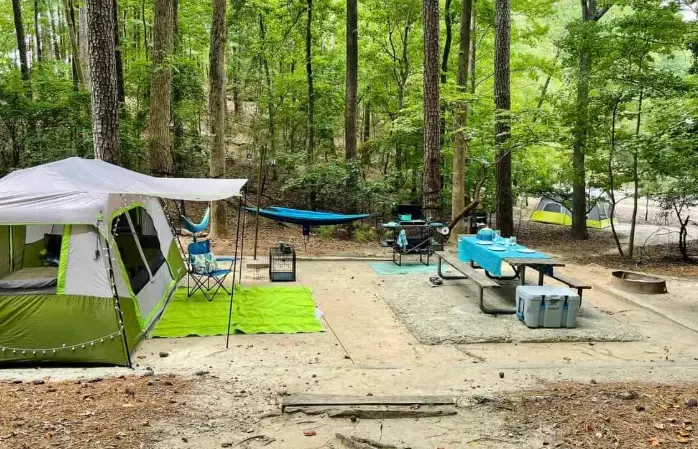
| Spot Name & Area | Type & Vibe | Best For / Season | Need to Know |
|---|---|---|---|
| Oh Be Joyful Campground Near Crested Butte, CO |
Developed, but rustic. Sites along a rushing river with epic mountain views. | Scenery, fly-fishing, hiking access. Summer through early fall. | First-come, first-served. Arrive mid-week to snag a site. Pit toilets, no showers. Fee: ~$20/night. |
| Alabama Hills Recreation Area Lone Pine, CA |
BLM Dispersed Camping. Otherworldly rock formations with views of the Sierra Nevada. | Stargazing, photography, solitude, rock climbing. Spring and Fall (summer is hot). | Free. No water or facilities. Practice strict Leave No Trace. Access requires a vehicle with decent clearance for some areas. |
| Hoh Rainforest Campground Olympic National Park, WA |
Developed NPS Campground. Lush, moss-draped temperate rainforest. | A unique, immersive ecosystem. Hiking the Hall of Mosses. Late spring to early fall. | Reservations essential in summer. Very damp climate—rain gear and a good tent are mandatory. Fee: ~$24/night. |
| Assateague Island National Seashore MD & VA |
Oceanside developed & walk-in sites. Camp on the beach with wild horses roaming. | Beach camping, wildlife viewing, surfing. Spring and fall to avoid bugs. | Reservations required (extremely competitive). Strong winds are common—use deep-set sand stakes. Fees vary by site type. |
The Real Deal on Booking & Securing a Site
The process can be the most stressful part. Here’s the unvarnished truth.
For Reservations (Recreation.gov & ReserveAmerica): Sites for popular parks like Yellowstone or Glacier drop 6 months in advance, and they sell out in minutes. Set a calendar reminder, be logged in with payment info ready, and click the second the clock ticks over. Have 2-3 different date ranges as backups.
For First-Come, First-Served: Your arrival day is everything. For a weekend spot, aim to arrive Thursday afternoon. Friday morning is a gamble; Friday evening is often a lost cause. Always, always have a backup dispersed camping area researched.
For Dispersed Camping: Research is key. Use the BLM and USFS websites for maps. The MVPA (Motor Vehicle Use Map) for a national forest shows exactly where roadside dispersed camping is legal. Call the local ranger station. Ask: “Are there any fire restrictions? Is the road to [specific area] passable for a sedan right now?”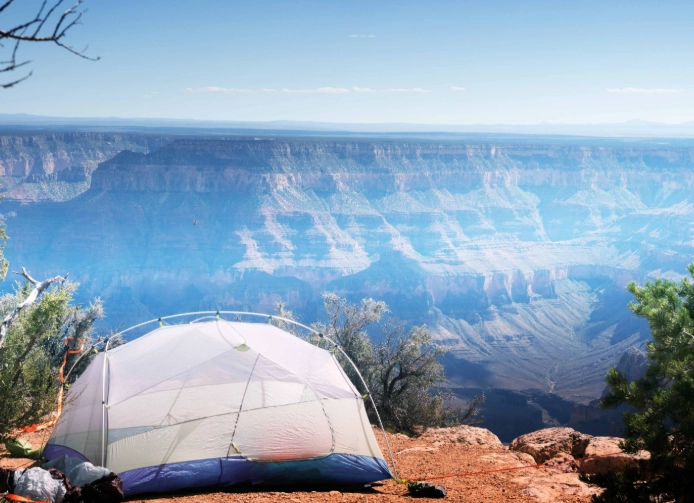
Your Tent Camping Questions, Answered
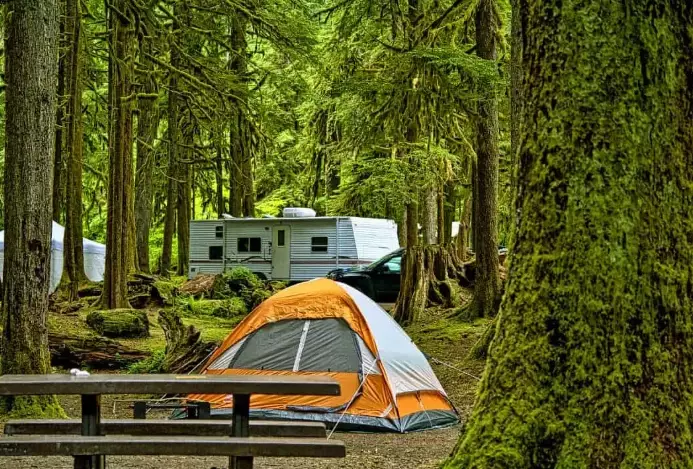
The perfect tent camping spot is out there waiting. It might take a little more research, a slightly off-peak schedule, or the willingness to try a new type of camping. But when you find it—when you're sipping your morning coffee with that perfect view all to yourself—you'll know. Every bit of planning was worth it. Now go find your spot.