Let's be honest. Most camping safety advice is generic. "Be aware of your surroundings." "Tell someone where you're going." It's not wrong, but it's not enough. After 15 years of guiding trips and making my own mistakes, I've learned that true safety lives in the specific, often-overlooked details. It's not just about avoiding bears; it's about not creating the conditions that attract them in the first place. This guide skips the fluff and dives into the actionable, sometimes counterintuitive, precautions that form the bedrock of a secure and enjoyable camping trip.
Your Quick Safety Navigation
- How to Choose the Safest Campsite
- The Non-Negotiable Safety Gear Checklist
- Campfire Safety Beyond the Obvious
- Managing Wildlife Encounters (Bears, Snakes, Bugs)
- Weather Preparedness You Can't Ignore
- Health & Hygiene in the Wild
- What to Do If You Get Lost
- Emergency Communication & Protocols
- Your Burning Safety Questions Answered
How to Choose the Safest Campsite
Picking a spot because it "looks nice" is the first common error. Safety starts with your patch of ground.
Look Up, Down, and Around. Before you unroll your tent, scan for dead trees or branches ("widowmakers") overhead. I've seen a limb the size of a person's leg come down in a calm breeze. Next, check the ground for anthills, wasp nests, and uneven terrain that could cause a twisted ankle. Is the ground sloping? Even a slight incline can mean a night of sliding in your sleeping bag and pooling water if it rains.
Pro Tip: A flat, clear area 200 feet (about 70 adult steps) from water sources is the Leave No Trace gold standard. It protects riparian zones and, crucially, keeps you away from natural animal corridors and the colder, damper air that settles near water.
Don't camp at the bottom of a hill or in a dry riverbed. Flash floods are no joke, and they can happen miles away from where the rain is falling. The National Park Service has countless warnings about this.
The Non-Negotiable Safety Gear Checklist
Forget the fancy gadgets. These are the items that have directly prevented or mitigated emergencies on my trips.
| Item | Specific Safety Purpose | Common Mistake |
|---|---|---|
| Headlamp (with extra batteries) | Hands-free navigation at night, signaling, preventing falls. | Relying on a phone flashlight. It drains your communication device and has a weak beam. |
| Detailed Paper Map & Compass | Navigation when GPS fails, batteries die, or phones break. | Assuming your phone or GPS unit is infallible. Electronics fail, especially in cold/wet conditions. |
| First-Aid Kit (Curated) | Treating cuts, blisters, burns, allergic reactions. | Buying a pre-made kit and never opening it. Customize it. Add more blister treatment, personal meds, and a tick removal tool. |
| Fire Starter (Multiple) | Emergency warmth, signaling, boiling water. | Carrying only one cheap lighter. Pack waterproof matches, a ferro rod, and a lighter as a backup system. |
| Emergency Shelter (Space Blanket/Bivy) | Critical insulation if you're stranded or your tent fails. | Thinking your sleeping bag is enough. A space blanket reflects 90% of body heat and is the size of a deck of cards. |
| Water Purification | Preventing waterborne illnesses like Giardia. | Assuming stream water is "clean." Always treat it. A backup method (like tablets) is wise. |
| Multi-tool or Knife | Gear repair, food prep, first-aid applications. | Getting one that's too bulky or too flimsy. A decent, mid-size fixed-blade or locking multi-tool is ideal. |
Notice what's not on the core list? A satellite messenger. It's an incredible tool, but it's a communication layer, not a replacement for the fundamental skills and gear above. It's your Plan B, not your Plan A.
Campfire Safety Beyond the Obvious
Everyone knows to keep water nearby. Here's what they don't tell you.
First, are fires even allowed? Check local regulations with the forest service or park authority. During high fire danger, they're often prohibited. No exception.
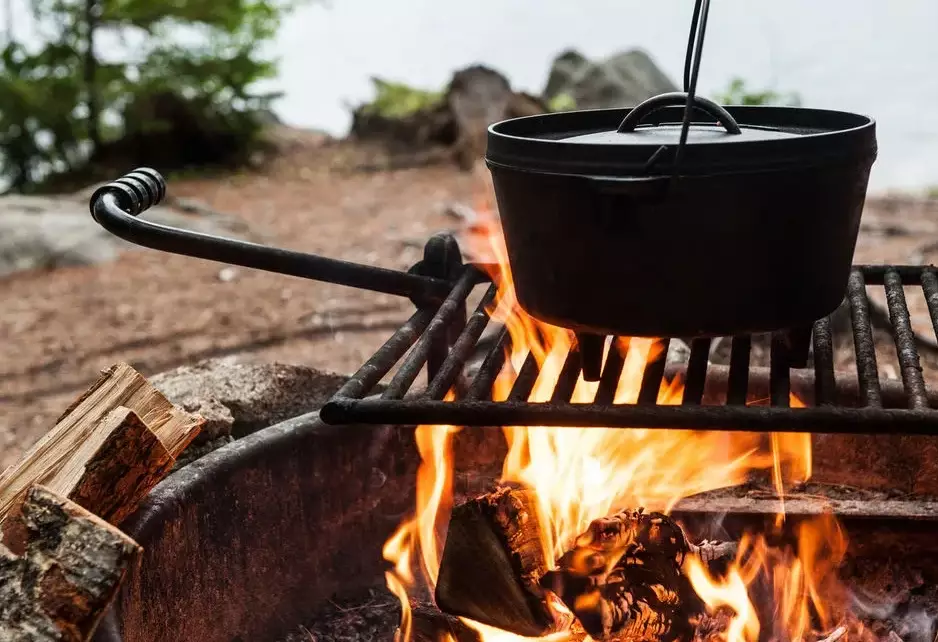
Building the right pit. If no established ring exists, clear a 10-foot diameter down to bare soil. Circle it with rocks. Keep the fire small and manageable—no bonfires. The biggest mistake I see is people building a fire too big to control, too close to overhanging branches, or on a windy day. If it's breezy, reconsider.
Extinguishing is a process, not an event. Drown the fire with water, stir the ashes with a stick, drown it again. Feel for heat with the back of your hand. If it's warm, it's not out. It should be cool to the touch. I've returned to a campsite 12 hours after someone "put out" their fire to find smoldering embers.
Managing Wildlife Encounters (Bears, Snakes, Bugs)
Fear is natural, but knowledge replaces fear with respectful caution.
Bear Safety is About Odor Management
Bears aren't hunting you. They're hunting your snacks. The Centers for Disease Control and Prevention (CDC) and parks like Yosemite emphasize proper food storage.
- Never store food, trash, or scented items (toothpaste, deodorant) in your tent. Ever. Not "just for a minute."
- Use provided bear boxes or a certified bear-resistant canister. Hanging a bag is a complex skill most people do wrong, making it a "bear piñata." Canisters are foolproof.
- Cook and eat at least 100 yards downwind from your sleeping area. You don't want food smells saturating your camp.
Snakes and Insects
Watch where you step and put your hands. Use a flashlight at night. Shake out shoes and boots in the morning. For ticks, wear treated permethrin clothing—it's a game-changer. Do a thorough tick check daily, focusing on hairlines, armpits, and groin.
Weather Preparedness You Can't Ignore
Check the forecast, but assume it's wrong. Mountains and forests create their own microclimates.
Hypothermia can happen in 50°F (10°C) weather if you're wet and windy. The secret is staying dry. Pack synthetic or wool layers—cotton kills because it holds moisture. Have a waterproof shell. If you start feeling cold, add a layer before you start shivering.
For thunderstorms, avoid open ridges, lone tall trees, and water. If you hear thunder, you're close enough to be struck. Get to lower ground, spread your group out, and squat on your sleeping pad or backpack to minimize contact with the ground.
Health & Hygiene in the Wild
A small cut can become a big problem. Clean any wound immediately with purified water and cover it. Hand sanitizer is good, but washing with soap and water is better for preventing norovirus and other gastrointestinal bugs that can ruin a trip.
Dig catholes for human waste at least 6-8 inches deep and 200 feet from water, trails, and camp. Pack out toilet paper in a zip-lock bag. It sounds gross, but it's standard practice and prevents pollution and animal attraction.
What to Do If You Get Lost
Panic is your worst enemy. Remember S.T.O.P.
- Sit down.
- Think. How long since you knew your location?
- Observe. Look for landmarks, trails, or water sources.
- Plan. Do not wander. If you have a whistle, blow three sharp blasts (the universal distress signal).
If you're not found quickly and need to stay put, build your emergency shelter, signal with bright colors or a mirror, and stay hydrated. Wandering drastically reduces the chance searchers will find you.
Emergency Communication & Protocols
Always leave a detailed trip plan with a reliable person: where you're going, your route, the car description and plate, and when you expect to return. Tell them to call for help if you don't check in by a specific time.
For remote trips, a satellite communication device like a Garmin inReach or SPOT is wise. Know how to use it before you go. In a true emergency, call 911 if you have service. For non-life-threatening issues in a National Park, you can often call the park's direct dispatch number, which may get a faster response than 911 rerouting.