You’re planning a camping trip, maybe your first big RV adventure. Excitement is high, but so is that nagging worry. How far should you drive each day? Where will you stop? What if you can’t find a spot? If this sounds familiar, you need to know about the 2-2-2 rule for camping.
It’s not an official law. You won’t find it in most campground manuals. But among seasoned RVers and road-trippers, it’s gospel. I learned it the hard way after a miserable day driving seven hours only to roll into a full campground at dusk, with two cranky kids and a desperate need for dinner. Never again.
Your Quick Guide to the 2-2-2 Rule
What Exactly Is the 2-2-2 Rule?
The 2-2-2 rule is a guideline for planning a relaxed and safe camping or RV travel day. It breaks down like this:
Arrive at your campsite by 2:00 PM.
Stay for at least 2 nights.
Some folks use 200 miles, others swear by the 2:00 PM deadline. The smart ones use both as a combined limit—whichever comes first. The goal isn’t to be rigid, but to create a pace that prevents exhaustion and lets you actually enjoy the journey.
Think about it. A 200-mile drive in a car is one thing. In a larger RV, with rest stops, fuel ups, and maybe slower backroads, that can easily stretch to 4-5 hours of seat time. By 2 PM, you’re checked in, set up, and have the entire afternoon to explore, relax, or fix that thing you just remembered you needed to fix.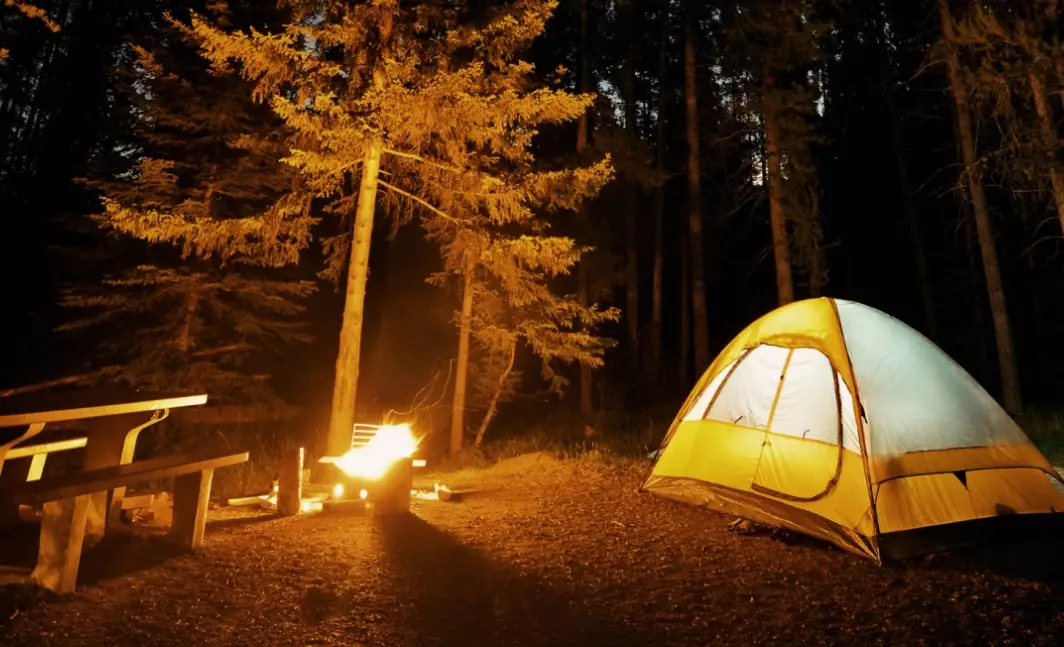
The Math Behind the Magic
Let’s walk through a typical day using the rule. You wake up at 8 AM at your campsite. Have a leisurely breakfast, dump the tanks, pack up. You’re on the road by 10 AM. Drive 200 miles with a lunch break. That puts you at your next destination around 2-3 PM. Plenty of daylight to back into your site (without an audience during the busy 5 PM check-in rush), connect utilities, and unwind before dinner.
Contrast that with pushing for 350 miles. You’re driving until 6 PM. You’re tired. The campground office might be closed. You’re setting up in the dark, probably hungry. It turns a vacation into a chore.
Why This Simple Rule Actually Works
It seems almost too simple. But its power lies in addressing the core stressors of mobile travel.
First, it fights driver fatigue. The National Highway Traffic Safety Administration consistently cites driver fatigue as a major factor in crashes. Driving a large, unfamiliar vehicle is mentally taxing. The 200-mile/2 PM limit creates a natural cutoff before your focus wanes.
Second, it guarantees you a spot. Showing up late is the number one reason people find “NO VACANCY” signs. Popular state parks and private campgrounds often fill by early afternoon, especially in peak season. The 2 PM arrival target is your insurance policy.
Third, the two-night stay is the secret sauce everyone overlooks. One-night stops are brutal. You’re always packing or unpacking. You never feel settled. Two nights means one full, uninterrupted day to hike, bike, visit a local town, or just read a book in your camp chair without thinking about hookups. It transforms your trip from a marathon into a series of enjoyable, mini-destinations.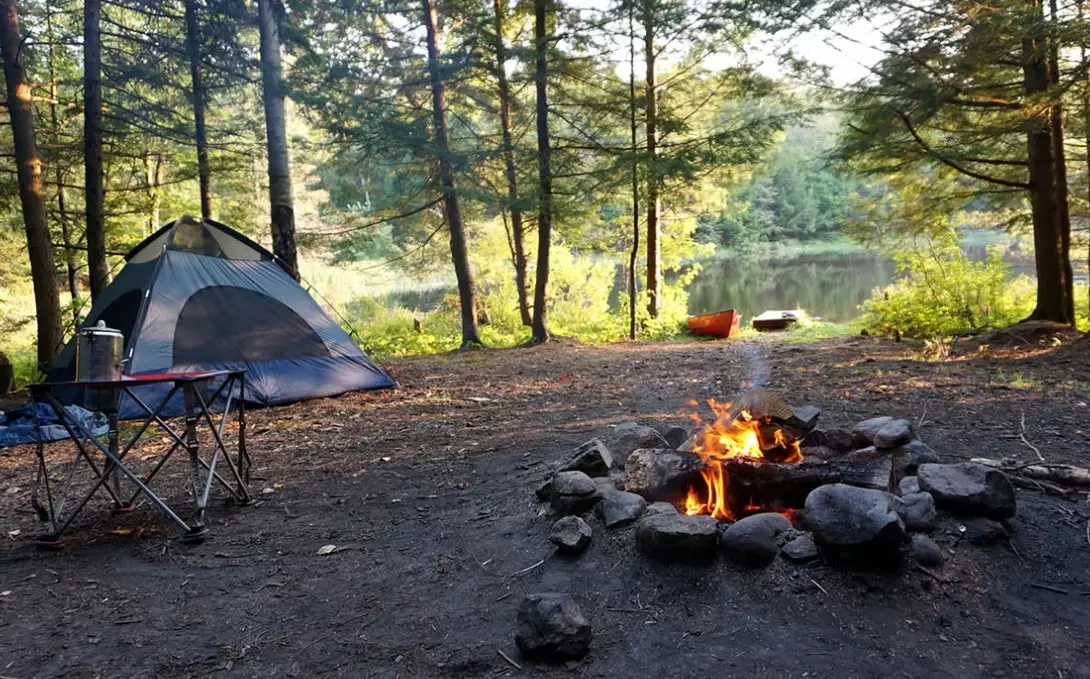
How to Apply the 2-2-2 Rule to Your Trip
Okay, you’re sold. How do you make it happen? It starts before you leave home.
Planning Your Route and Stops
Don’t just plug your final destination into Google Maps. Break the trip into 200-mile segments. Use tools like Campendium or the Recreation.gov app to find campgrounds near those midpoint markers.
Here’s a pro move: Book your first and last night’s campground in advance. For the nights in between, have a shortlist of 2-3 options within 30 miles of your ideal stopping point. This gives you flexibility for traffic or unexpected discoveries without the panic of having nowhere to go.
A Real-World Example: Phoenix to Denver
Let’s say you’re driving from Phoenix to Denver (~850 miles). A non-stop warrior might try it in two brutal days. Using the 2-2-2 rule, you’d plan a three-day, two-night journey: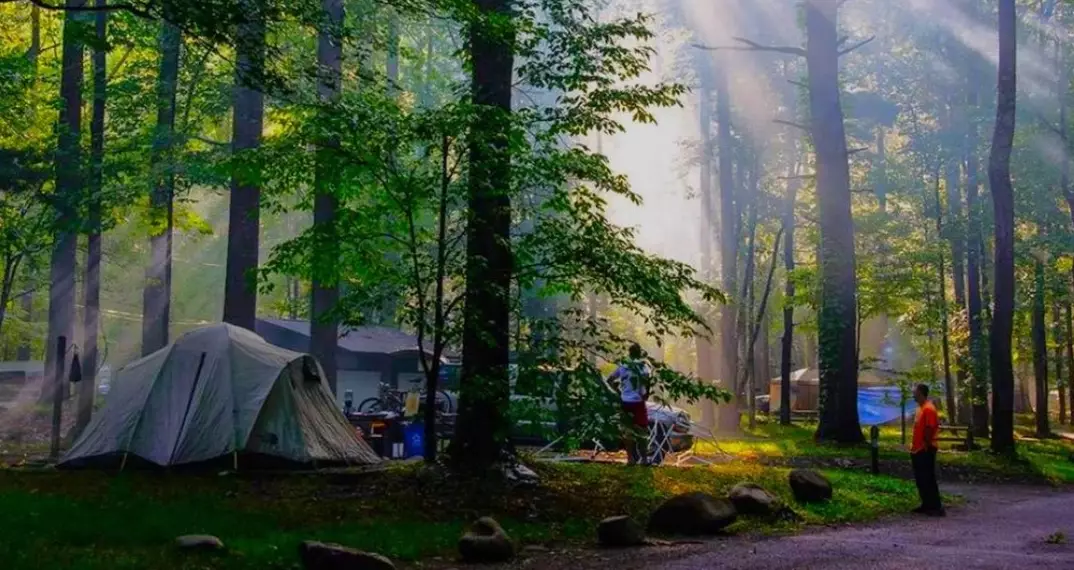
Day 1: Phoenix to Flagstaff (140 miles). Arrive early at a campground in the Coconino National Forest. Set up, then spend the afternoon visiting Walnut Canyon. You’re fresh for the hike.
Day 2: Flagstaff to Moab, UT (250 miles – a little over, but it’s a direct route to a prime destination). Arrive by 3 PM, secure a spot. You now have all of Day 3 to explore Arches National Park without moving your rig.
Day 4: Moab to Denver (350 miles – a longer drive, but you’re well-rested and heading home).
See the difference? The journey becomes part of the vacation.
When It’s Okay to Break the Rules
I’m not a robot, and you shouldn’t be one either. The 2-2-2 rule is a framework, not a straitjacket.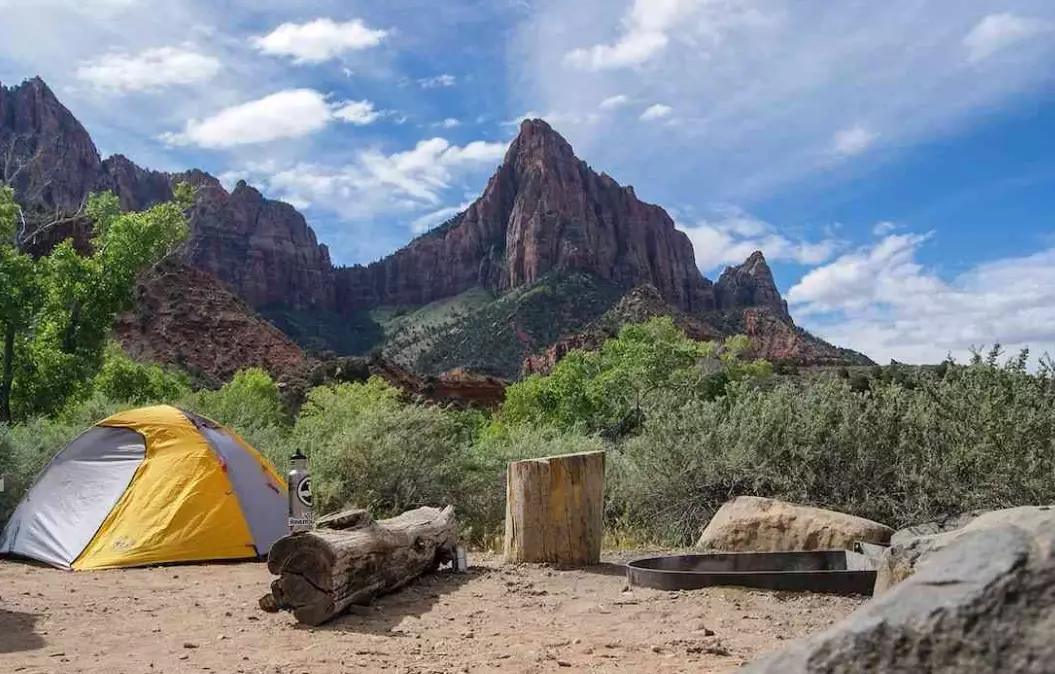
Break the driving limit if: You’re crossing a vast, empty stretch like West Texas or Eastern Oregon where stopping points are 300+ miles apart. In this case, plan a single, long day carefully. Get an early start, share driving duties, and have your next campground locked down.
Forget the 2 PM arrival if: You have a confirmed, guaranteed reservation with a late check-in process. Some RV parks have after-hours pull-through sites for this reason. But always call ahead to confirm the procedure.
Skip the two-night stay if: You’re truly just using a campground as a highway pitstop. Sometimes you just need a safe place to sleep. That’s fine. But if you’re doing that more than two days in a row, you’ll burn out. I promise.
Mistakes Even Experienced Campers Make
After a decade of doing this, I’ve seen—and made—the same errors.
Overestimating daily mileage. They think, “300 miles is nothing!” They forget about mountain grades, strong crosswinds, and the inevitable road construction that adds an hour. Always add a 20% buffer to your estimated drive time.
Relying solely on “first-come, first-served” sites. This is a gamble that often fails in summer. A hybrid strategy is safer: book some sites, leave some flexible days for spontaneity where you can gamble on first-come spots.
Ignoring the “travel day” mentality. A day where you move campsites is not a day for a major activity. Trying to drive 250 miles and tour a national park visitor center and do a famous hike is a recipe for frustration. The travel day is the activity. The scenery out your window is the tour.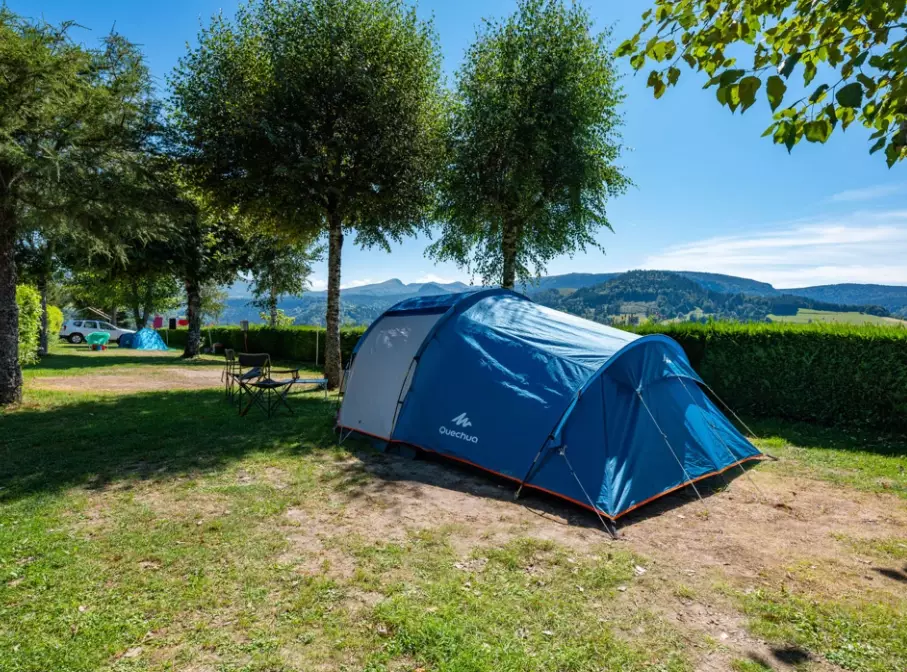
Pro Tips from the Road
Here’s what you won’t find in most beginner guides.
Use the rule in reverse for your last travel day. Plan a very short drive (under 150 miles) for your final leg. This lets you get home early, with plenty of daylight to unpack, clean out the fridge, and deal with laundry. Ending a trip with a grueling drive and arriving in the dark is a terrible way to cap a vacation.
The rule is even more critical for solo travelers. There’s no one to share the driving stress or run into the store while you hold the spot. Your margin for error is smaller. The 2-2-2 framework is your co-pilot.
For families with young kids, consider a “1-2-3” variant: Drive 100 miles (or finish by 1 PM), be set up by 2 PM, stay for 3 nights. Kids need even more downtime and stability. The extra night makes a world of difference in their mood (and yours).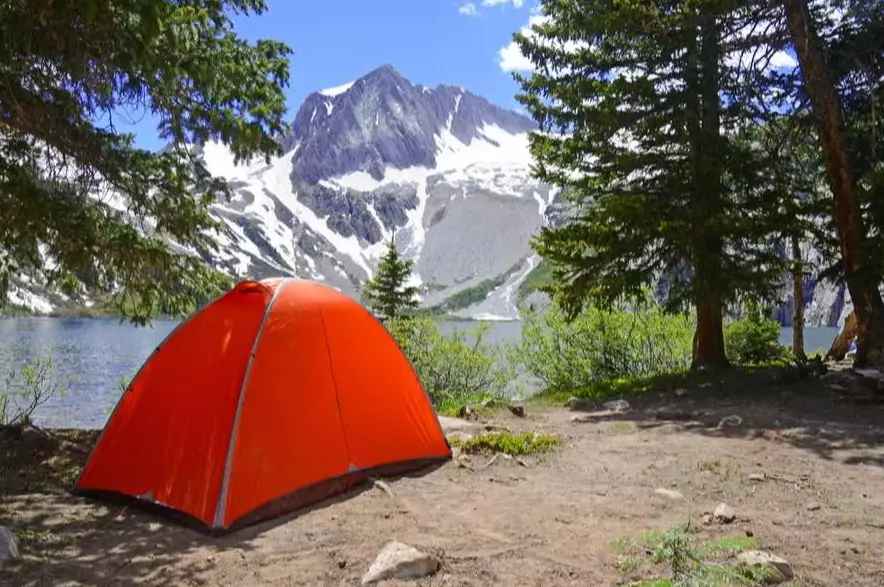
Your 2-2-2 Rule Questions Answered
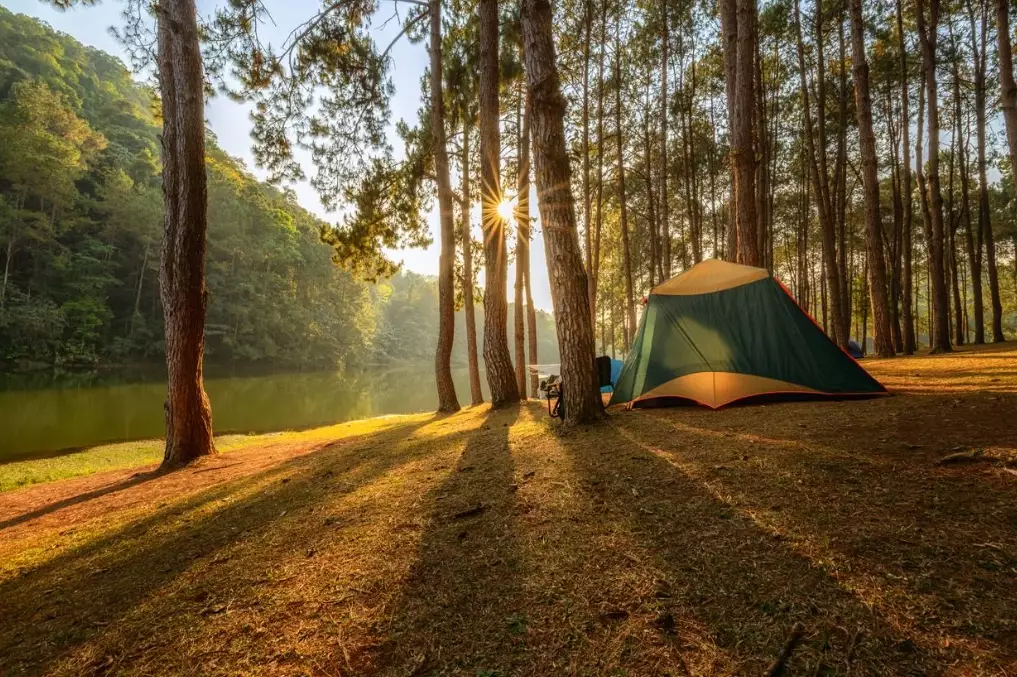 How do I stick to this rule in remote areas with few campgrounds 200 miles apart?
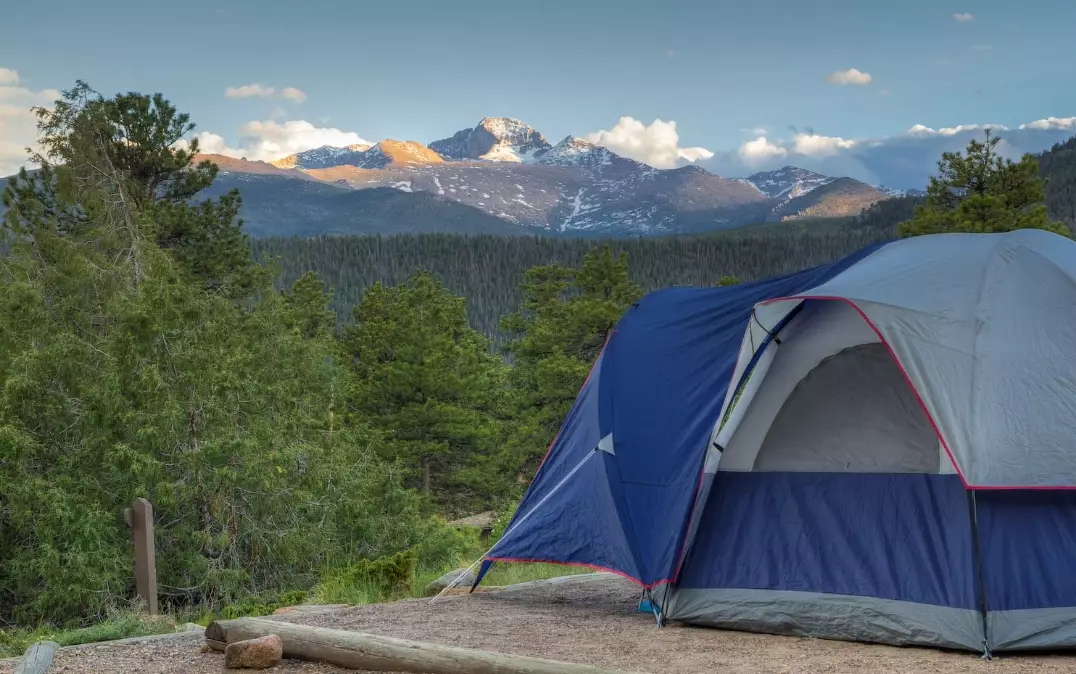 The 2-2-2 rule for camping won’t solve every travel hiccup. You’ll still get flat tires and bad weather. But it builds a foundation of rhythm and safety that turns a potentially stressful slog into an enjoyable adventure. It forces you to slow down and see the places you’re passing through, not just the windshield miles ticking by. Give it a try on your next trip. Your future self, relaxing in a camp chair by 4 PM, will thank you.