Quick Guide
- Why Choose River Camping Over Regular Camping?
- The Absolute Non-Negotiables: Planning and Permits
- Gear Up: What You REALLY Need on the Water
- Finding Your Perfect Treasure Island River Campsite
- Leave No Trace: It's a Promise, Not a Suggestion
- Safety: The Boring Stuff That Keeps You Alive
- Answering Your Burning Questions (FAQ)
- Making the Magic Happen
Let's be honest. The idea of Treasure Island River camping sounds like something straight out of a storybook. Drifting down a gentle current, setting up camp on a sandy bank under a canopy of stars, the sound of water being your constant companion. It’s the kind of trip that sticks with you. But between that dream and actually doing it, there's a whole lot of planning, questions, and maybe a bit of healthy anxiety. I've been there. My first river camping trip was a comedy of errors—wrong gear, a leaky dry bag, and a campsite that was more mud than treasure. But that's exactly why I'm writing this. To help you skip the messy parts and get straight to the good stuff.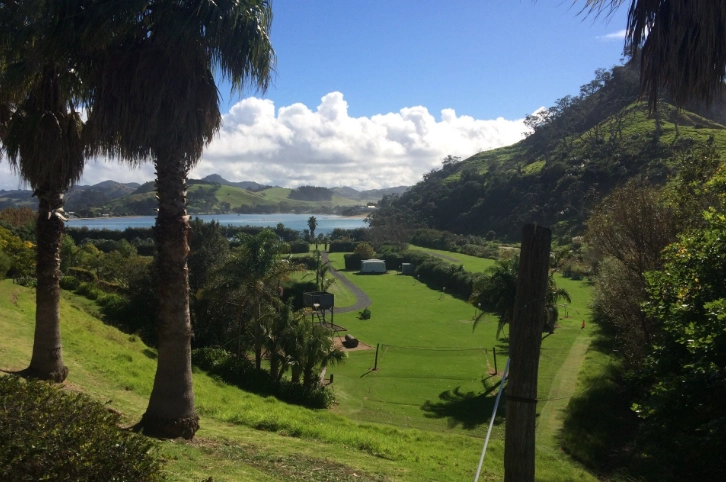
This isn't just another generic camping list. We're going to dig into the real nuts and bolts of planning a successful Treasure Island River camping adventure. Whether you're picturing a remote, wild stretch of river or a more accessible spot with a few comforts, the core principles are the same. It's about being prepared, staying safe, and leaving the river just as beautiful as you found it.
Think of this guide as your friendly, slightly experienced river companion. We'll talk gear, logistics, safety, and even some philosophy. Because camping on a river isn't just about where you sleep; it's about the rhythm of the water, the pace of travel, and a unique kind of solitude you can't find on dry land.
Why Choose River Camping Over Regular Camping?
You might wonder what all the fuss is about. Can't you just camp near a lake? Sure. But river camping is a different animal. The biggest draw is the journey itself. Your campsite changes every night. You wake up, pack your boat, and let the current carry you to a new vista, a new little beach to call home. There's a freedom to it that static camping can't match. It also gets you away from crowded car campgrounds. Often, the best Treasure Island River camping spots are only accessible by water, meaning you'll have that slice of paradise all to yourself.
But it's not all romance. It requires more planning. You're committed to the river's flow. Forgot something in the car? Tough luck. Weather turns? You need to know where the next viable take-out point is. That's part of the challenge, and honestly, part of the reward. It makes you a more self-sufficient camper.
In short, it trades convenience for pure, unadulterated adventure.
The Absolute Non-Negotiables: Planning and Permits
This is where most dream trips hit their first snag. You can't just show up at any river with a tent and a kayak.
Researching Your River
First, you need to pick your river. "Treasure Island" might be a specific location or just a feeling you're after. Research is key. Is the river suitable for your skill level? A gentle, slow-moving river is perfect for beginners, while others might have rapids that require whitewater experience. Check the seasonal flow rates. A river that's perfect in spring could be a trickle or a torrent in late summer. I once planned a trip based on spring photos, only to find myself dragging my kayak over rocks in August. Not fun.
Use resources like the U.S. Forest Service website or state-specific Department of Natural Resources pages. These are goldmines for official maps, current conditions, and alerts. For popular rivers, local outfitter websites often have the most up-to-date, practical info.
The Permit Puzzle
This is crucial. Many rivers, especially those flowing through protected lands like national parks or wilderness areas, require a permit for overnight camping. These aren't just revenue generators; they're tools for conservation, limiting the number of people to prevent ecological damage. A crowded river loses its magic fast.
Permits can be competitive. Some are released by lottery months in advance. For example, planning a Treasure Island River camping trip on a famous river might require you to enter a lottery six months prior. Others are first-come, first-served. Your first planning step should always be to identify the managing agency for your chosen river and understand their permit system. The National Park Service is a primary source for many iconic waterways.
Heads up: I've seen too many disappointed groups at put-in points because they didn't secure a permit. It's a gut-wrenching way to end a trip before it starts. Don't be that person. This is the single most important administrative task for your adventure.
Gear Up: What You REALLY Need on the Water
Packing for river camping is a high-stakes game of Tetris. Every item must be essential, packable, and, most importantly, waterproof. Forget cotton everything. Once it's wet, it stays wet and sucks heat from your body. Merino wool or synthetic fabrics are your friends.
Here’s a breakdown of gear, categorized by priority. I've made a table because it's easier to see what matters.
| Category | Essential Items (Don't Leave Without) | Nice-to-Haves (If You Have Space) | My Personal Take/Recommendation |
|---|---|---|---|
| Shelter & Sleep | Lightweight tent with a good rainfly, sleeping bag rated for nighttime temps, sleeping pad. | Compact camping pillow, small ground tarp for under the tent. | Test your tent setup at home first. A freestanding tent is easier to pitch on sand or gravel. Don't cheap out on the sleeping pad—cold from the ground will ruin your night. |
| Kitchen & Food | Stove + fuel, lighter/matches, pot, spork, bowl/cup, biodegradable soap, food stored in bear-proof container or dry bag. | Compact french press, small spice kit, folding grill grate for campfires (where permitted). | Plan simple, one-pot meals. Dehydrated meals are light and easy. A bear canister is non-negotiable in many areas—it protects you AND the wildlife. Check regulations. |
| Clothing | Quick-dry pants/shirts, rain jacket, fleece or puffy jacket, sun hat, swimsuit, 2+ pairs of wool socks, sturdy sandals or water shoes. | Lightweight camp shoes (like crocs), sun hoodie, dedicated set of dry sleeping clothes. | Pack your sleeping clothes in their own dry bag. The bliss of putting on completely dry, clean clothes at the end of a day is unmatched. Trust me. |
| Safety & Navigation | PFD (Life Jacket) for EVERY person, whistle, river map in a waterproof case, headlamp, first-aid kit, multi-tool, repair kit (for boat & gear). | GPS device or satellite messenger (e.g., Garmin inReach), waterproof camera, small binoculars. | The PFD isn't for storage—wear it. Always. A satellite messenger feels like a luxury until you need it. On remote Treasure Island River camping trips, it's worth the rental cost for peace of mind. |
| Dry Storage | Multiple heavy-duty dry bags of different sizes (for gear, clothes, sleeping bag), waterproof phone case. | Dry box for items that must stay 100% dry (cameras, batteries). | Double-bag critical items. Roll the tops of dry bags tightly and clip them shut. I learned this after a "waterproof" bag failed and my spare clothes got soaked. |
My biggest gear mistake? Bringing a bulky, heavy camp chair. It took up half my kayak's storage. Now I use a simple, lightweight sit pad or a inflatable pillow. Comfort is important, but space is king on the river.
Finding Your Perfect Treasure Island River Campsite
You're on the river, and it's time to find home for the night. What do you look for? It's not just about the prettiest spot.
Is the ground flat and free of sharp rocks or roots? Pitch your tent there for a good night's sleep.
Is it above the high-water line? Look for a debris line on the bank or avoid vegetation that looks water-worn. You don't want a midnight wake-up call from a rising river.
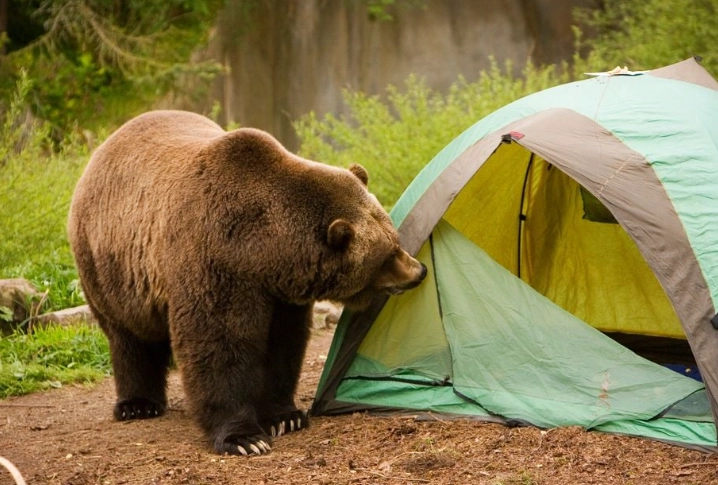
Does it have a good "kitchen" area away from tents? You want to cook and store food away from where you sleep, especially in bear country.
Is there a reliable source of water nearby (the river), and do you have a way to filter it? Always, always filter or treat river water. Giardia is a trip-ender.
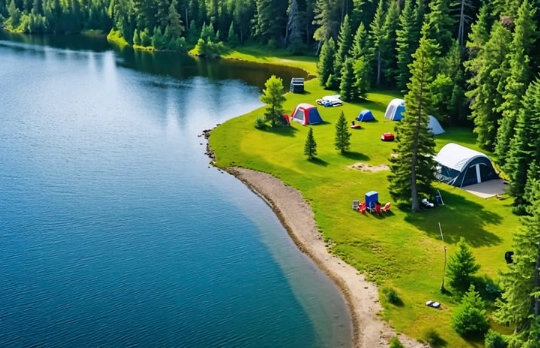
Also, think about the sun. A west-facing beach will give you a glorious sunset but might be scorching in the afternoon. A spot with some tree cover can provide welcome shade. Part of the joy of Treasure Island River camping is scouting from your boat and collectively deciding, "That's the one!"
Leave No Trace: It's a Promise, Not a Suggestion
This is the sacred rule of all backcountry travel, but it's especially critical on a river. You are a visitor in a fragile ecosystem. Everything you pack in, you must pack out. Everything. That includes food scraps, toilet paper (use a WAG bag or approved system), and even bits of foil. The goal is to leave the campsite looking completely untouched.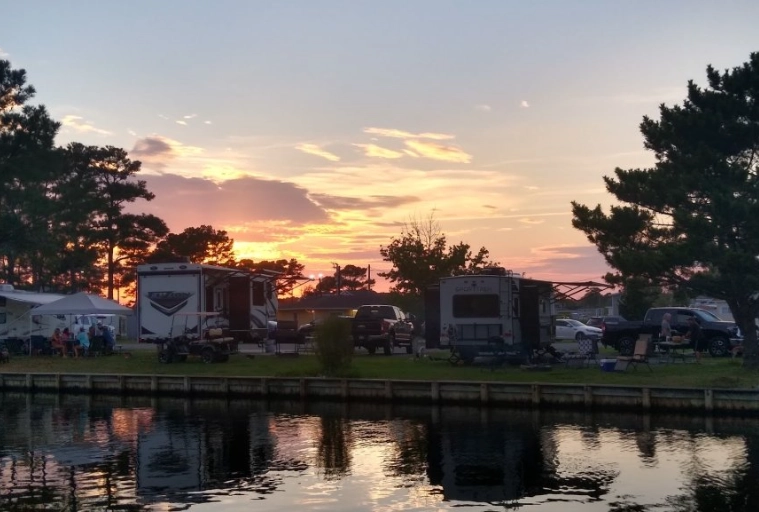
A good practice: Spend 10 minutes before you launch each morning doing a "police line" sweep of your campsite. Walk in a line with your mates, looking for any micro-trash, a forgotten tent stake, or a piece of orange peel. It ensures nothing gets left behind.
Minimize campfire impacts. Many river corridors prohibit fires due to high risk or lack of wood. If fires are allowed, use an existing fire ring, keep it small, and burn it completely to ash. Drown it with water until it's cold to the touch. The philosophy of Treasure Island River camping is to find treasure, not leave trash.
Safety: The Boring Stuff That Keeps You Alive
Let's get serious for a second. Rivers are dynamic and demand respect.
Water Safety: Everyone must wear a properly fitted PFD (Personal Flotation Device) while on the water. No exceptions. Know how to read the river—identify strainers (downed trees in the water, which are extremely dangerous), understand the power of hydraulics, and know what to do if you capsize. If you're not confident, take a basic paddling safety course.
Weather: Check the forecast obsessively before and during your trip. Sudden rain far upstream can cause a river to rise quickly where you are. Have a plan for severe weather. Lightning on an open river is a major hazard; know where you can get to shore quickly and find lower ground.
Wildlife: Research what animals live there. This isn't just about bears (though proper food storage is critical). It's about knowing how to avoid surprising a moose, what to do if you see a snake, and how to check for ticks. Knowledge dispels fear.
Answering Your Burning Questions (FAQ)
Over the years, I've gotten the same questions again and again. Here are the straight answers.
Making the Magic Happen
After all this talk of permits and gear and safety, don't lose the plot. The point of a Treasure Island River camping trip is to connect, to unwind, to experience the world at 3 miles per hour. It's about the coffee at sunrise with mist on the water. The shared silence as an eagle flies overhead. The ridiculous laughter after someone (usually me) trips while getting out of the boat.
Start small. Pick a gentle river for a single overnight. Shake down your gear, learn your rhythms, and see if you love it. Then dream bigger. The skills you learn are transferable to longer, more remote adventures.
The river doesn't care about your schedule. That's the whole point.
So do your homework, pack smart, respect the river, and then let go. The treasure isn't always a place. Sometimes, it's the feeling you bring home with you—the slow current of peace that stays long after the trip is over. Now get out there and find your own Treasure Island.