Let's be honest. For many, camping food means charred hot dogs, lukewarm beans from a can, and a vague sense of culinary disappointment. It doesn't have to be that way. Mastering a few core camping cooking techniques is the difference between surviving on trail mix and savoring a meal that makes you forget you're miles from a kitchen. It's not about fancy gear; it's about method. Over a decade of burning, undercooking, and eventually getting it right, I've learned that the secret lies in controlling your heat source and embracing simplicity. This guide cuts through the fluff and gives you the actionable skills to cook real, satisfying food outdoors.
Your Quick Guide to Camp Kitchen Success
Essential Camping Cooking Equipment
You can't play the game without the right pieces. Forget the 20-piece gadget set. Focus on versatile, durable tools. A cast iron skillet is my non-negotiable—it works on coals, a grate, or a stove, and it's virtually indestructible. A medium-sized pot with a lid is for everything from boiling water for coffee to making soup. Don't skimp on a good spatula and tongs; flimsy ones bend and fail. A sharp, compact knife and a small cutting board are crucial. And always, always have a reliable lighter and waterproof matches. My personal fail? I once brought a fancy non-stick pan. One scrape with a metal utensil and it was done for. Cast iron or quality stainless steel is the way.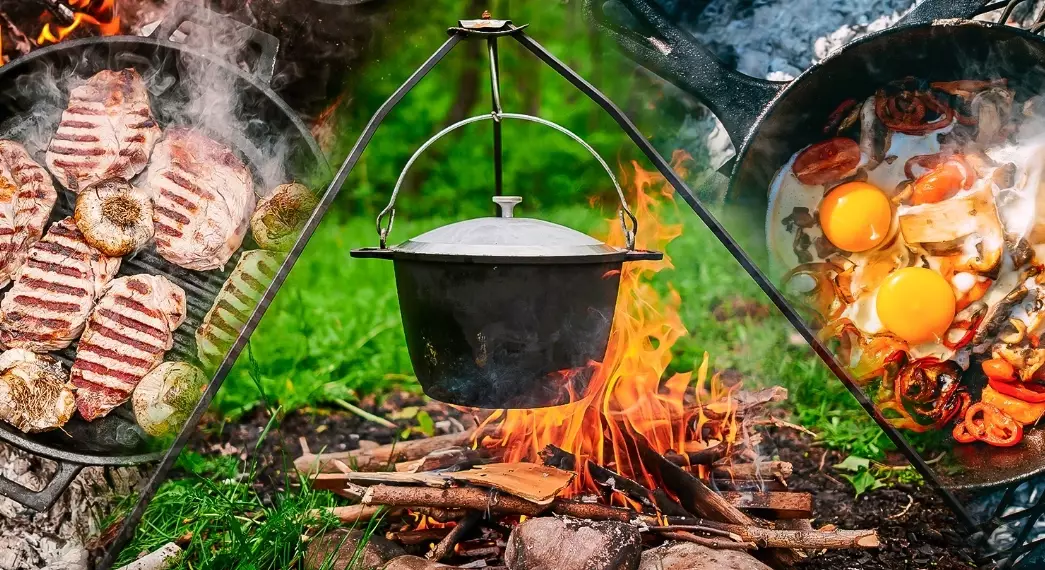
| Heat Source | Best For | Biggest Challenge | My Recommendation |
|---|---|---|---|
| Open Campfire | Grilling, foil packets, Dutch oven cooking, atmosphere. | Unpredictable heat; takes time to create cooking-ready coals. | Perfect for groups staying put for a day or more. Not for a quick overnight. |
| Portable Canister Stove | Speed, convenience, boiling water, precise heat control. | Fuel can be expensive; performance drops in cold/wind. | The go-to for backpackers and car campers who value fast morning coffee and easy dinners. |
| Liquid Fuel / Wood Stove | Long trips, cold weather, multi-pot cooking, fuel efficiency. | Requires priming and maintenance; can be sooty. | For serious campers on extended trips or in variable conditions. |
Mastering the Campfire for Cooking
This is the heart of campfire cooking. The number one mistake? Trying to cook over leaping flames. You'll burn the outside and leave the inside raw. Fire is for building coals. Coals are for cooking.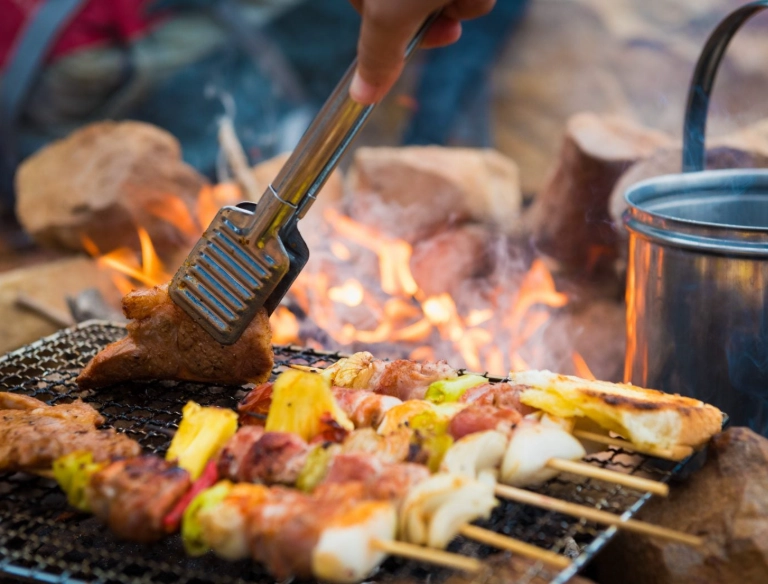
How to Build a Cooking-Friendly Fire
Start with a small, hot fire using dry kindling. Once it's going strong, add larger pieces of hardwood (like oak or maple) if available. Let these logs burn down until you have a bed of glowing, white-hot embers. This process takes 45-60 minutes. Plan your meal timeline around it. Rake the coals into different zones—a thick bed for high-heat searing, a thinner spread for gentle simmering. Use a grill grate placed on stable rocks or a stand, but always test for stability before putting food on it.
Direct Heat vs. Indirect Heat
Direct heat (food directly over coals) is for quick-cooking items: steaks, burgers, hot dogs, kebabs, grilled vegetables. Indirect heat (food to the side, with coals banked around it or under a Dutch oven) is for roasting whole potatoes, baking, or slow-cooking stews. Most campfire disasters happen because someone treats a chicken breast like a marshmallow.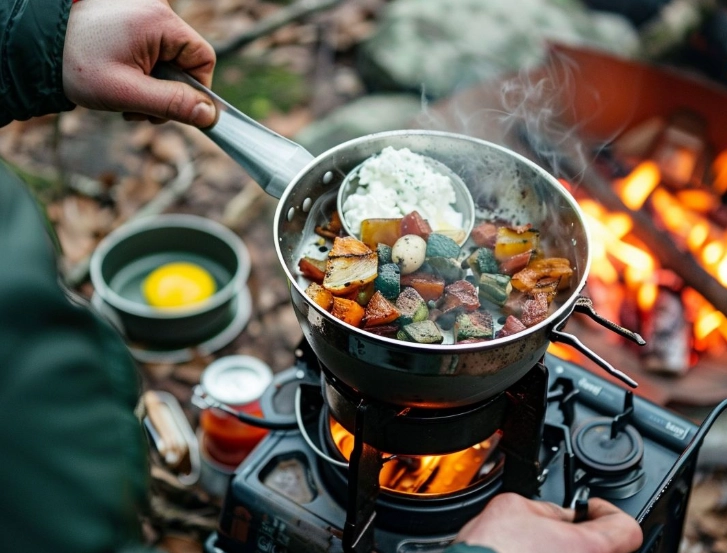
Dutch Oven Cooking: The Ultimate Camp Comfort Food
A cast iron Dutch oven is a camping game-changer. It's an oven, a pot, a frying pan, and a slow cooker all in one. The technique is about managing heat from above and below.
Place your Dutch oven over a small, even bed of coals. For baking or roasting, you also need heat on the lid. Use lid lifers to arrange a layer of hot coals on top. A common rule of thumb: for 350°F (175°C), use twice as many coals on top as on bottom. For a 12-inch oven, that might be 10 on top and 5 on bottom. Rotate the oven and the lid a quarter turn in opposite directions every 10-15 minutes to prevent hot spots. I once made a peach cobbler that had everyone forgetting we were in the woods. The key was patience and consistent, moderate heat.
One-Pot and Skillet Camping Meals
This is where one-pot camping meals shine. Minimal cleanup, maximum flavor. The technique is about layering.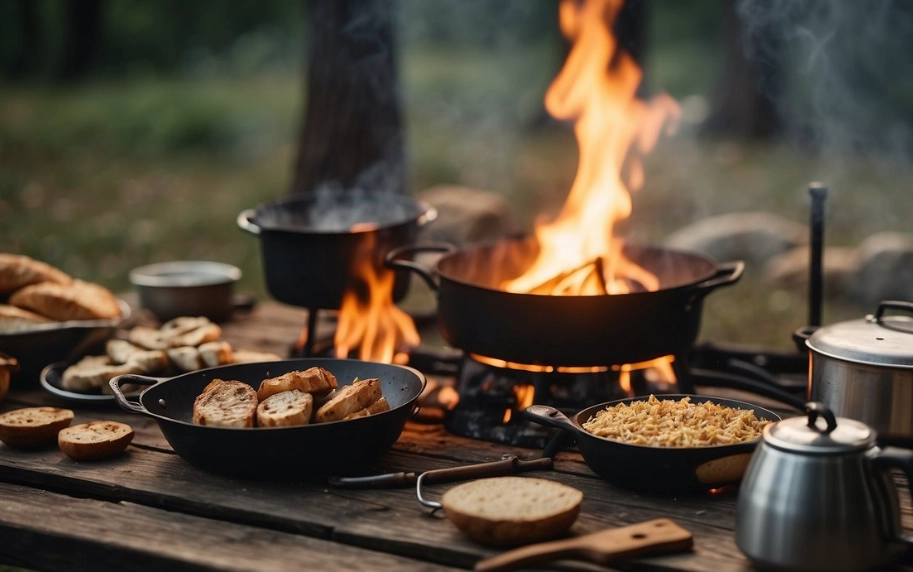
- The Sauté First: Start by browning any meat (sausage, ground beef) in your pot or skillet. Remove it and set aside.
- Build the Base: In the flavorful drippings, sauté chopped onions, garlic, and harder veggies like carrots or bell peppers.
- Combine and Simmer: Add back the meat, along with broth, canned tomatoes, or water. Throw in your starch—pasta, rice, or diced potatoes. Bring to a boil, then reduce heat to a low simmer and cover.
- The Finish: Once the starch is cooked, stir in delicate greens like spinach or pre-cooked beans just to warm through.
For a skillet, think hearty breakfast hashes (diced potatoes, onion, peppers, chopped pre-cooked bacon) or simple quesadillas. The goal is to have everything cook together in one vessel.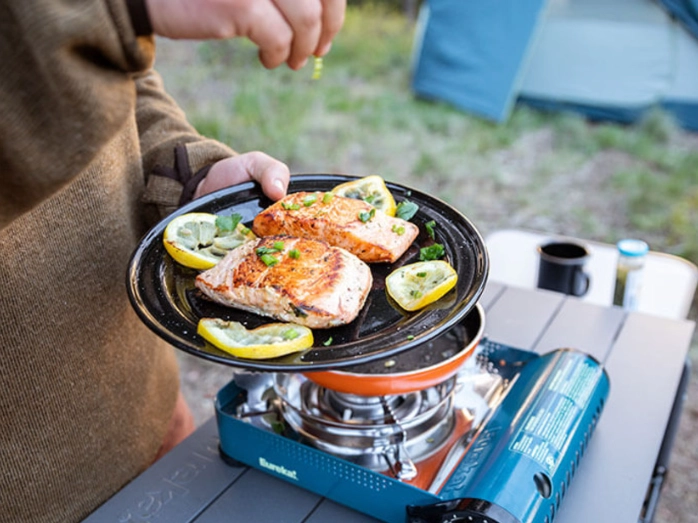
Getting the Most from Your Portable Camping Stove
A portable camping stove offers control. Use it. Don't just crank it to high. Simmer sauces. Keep coffee warm on low. Use a windscreen—even a mild breeze can double your cooking time and waste fuel. If you're cooking a multi-part meal, use the "pot-in-pot" method: boil water for pasta in your main pot, and place a smaller metal bowl with sauce inside it to heat gently. Conserves fuel perfectly.
My biggest gripe with cheap stoves is their terrible simmer control. They either roar or sputter out. Investing in a stove with a precise valve makes a world of difference for dishes that need gentle heat.
Pro Tips and Common Mistakes to Avoid
Here's the stuff you learn the hard way.
Prep at Home: Chop all your onions, peppers, and meats. Pre-measure spices into small bags. Pre-mix pancake batter in a squeeze bottle. This turns complex cooking into simple assembly at the campsite.
Temperature is a Guess, Not a Science: You rarely have a thermometer. For meat, use the finger test or cut into a piece to check. It's better to be safe. Undercooked camp chicken is a fast track to a miserable night.
Altitude Adjustments: Boiling points drop at altitude. If you're camping in the mountains, remember that pasta and rice will take longer to cook. Add 25% more cooking time for every 5,000 feet above sea level.
The Cleanup Mindset: Clean as you go. A bit of hot water and a scrub right after eating is infinitely easier than dealing with dried, cemented food the next morning. Use biodegradable soap away from water sources.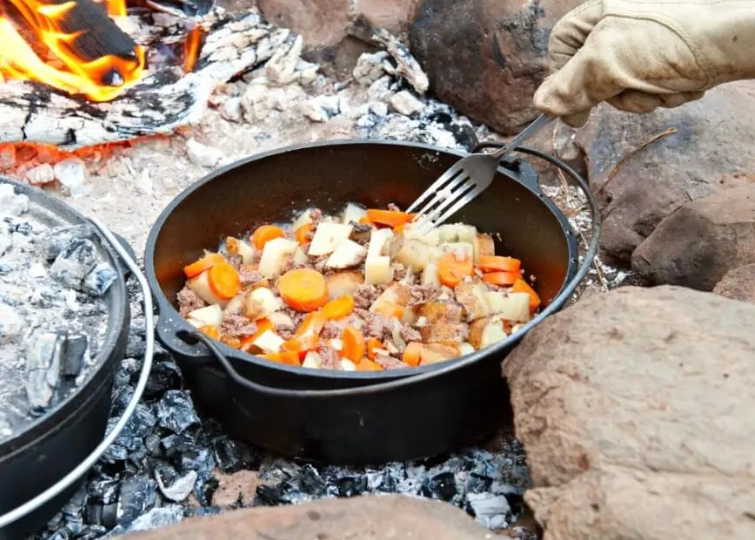
Your Camp Cooking Questions Answered
How do I keep food cold while camping without a cooler?
It's tough, but focus on strategy. Choose meals that don't require refrigeration for the first night—canned goods, dry grains, cured meats. For a short trip, freeze your meat solid and use it as your ice pack; it will thaw slowly in the cooler. Insulate your cooler with blankets, keep it in the shade, and drain water regularly to prevent ice from melting faster.
What's the easiest camping meal for a beginner?
Skip the complex recipes. Get a good quality pre-cooked sausage (like kielbasa), a bag of pre-chopped peppers and onions, and a pouch of pre-cooked rice. Slice the sausage, sauté it with the veggies in a skillet until browned, then stir in the rice to heat through. One skillet, three ingredients, ten minutes, and it feels like a real meal. It builds confidence.
Can I really bake bread or dessert while camping?
Absolutely, and it's a huge crowd-pleaser. The Dutch oven is your best friend here. Use a simple beer bread mix (just add the beer) or pre-made biscuit dough. For dessert, dump a can of pie filling into a greased Dutch oven, top with a box of dry cake mix, and dot with pats of butter. Bake with coals on top and bottom. It comes out like a cobbler and will make you a legend.
My camp stove food always tastes bland. What am I missing?
You're probably not building layers of flavor. You're just boiling or steaming components. Get your skillet hot with a little oil. Sear your meat to get a brown crust (that's flavor). Then sauté your aromatics (onion, garlic) in that same skillet. Deglaze with a splash of broth or even water, scraping up the browned bits. Those bits are pure flavor gold. It's the difference between eating ingredients and eating a dish.
Is it safe to cook with aluminum foil packets directly in the coals?
Generally, yes, and it's a fantastic campfire cooking technique for veggies and fish. Use heavy-duty foil. Double-wrap your food to prevent tears. Create a tight seal but leave a little air pocket for steam. Place the packet directly on hot coals, not flames. Flip it once. Cook time varies. The risk isn't toxicity—it's undercooking. Make sure proteins are cooked through by checking one packet first.