On This Ride
Let's be honest. The idea of motorcycle camping is intoxicating. Freedom, the open road, waking up to a view you rode to. But then you open your garage and stare at your bike. Where does all the stuff go? That's the million-dollar question. It's not just about throwing a tent on the back; it's a puzzle of weight, space, and necessity. I've learned this the hard way, packing everything including the kitchen sink on my first trip, only to unpack half of it unused at the first campsite.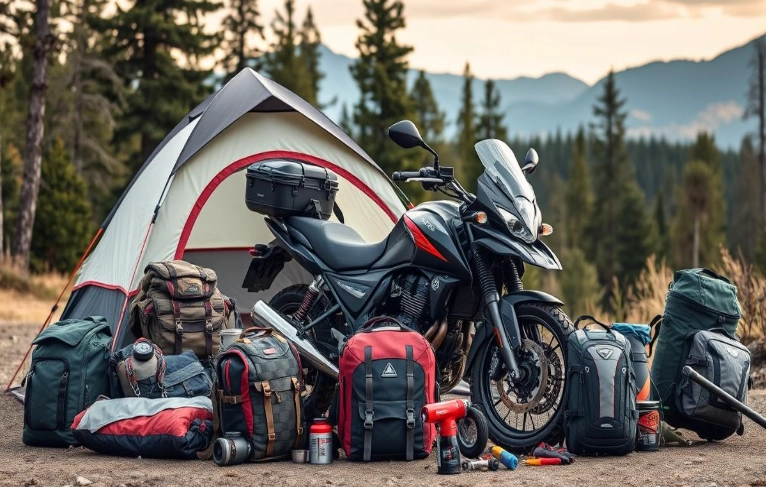
This isn't about buying the most expensive motorcycle camping gear. It's about buying the right gear. The stuff that works double-duty, packs down small, and won't let you down when the weather turns or you're 50 miles from the nearest store. Over the years, I've refined my kit through trial and error (lots of error). This guide is that distilled knowledge, aimed at helping you skip the frustrating parts and get straight to the good stuff.
The Core Philosophy: Every item must justify its existence by weight, volume, and function. If it doesn't serve at least two purposes or isn't critical for safety/comfort, it stays home.
Start Here: Planning Your Motorcycle Camping Trip
Before you buy a single piece of gear, ask yourself a few questions. The answers will shape your entire packing list.
- Where and when are you going? A summer weekend in a state park is a world apart from a multi-week trek through the mountains in shoulder season. Temperature and weather dictate your sleep system and clothing.
- What's your bike? A massive adventure tourer has different cargo options than a sleek sport bike. Your bike's capacity is your absolute limit.
- What's your camping style? Are you a "cook a gourmet meal" camper or a "rehydrate a meal and stare at the stars" camper? Be realistic.
- How long is the trip? This affects food, fuel, and clothing rotation more than anything.
I made the mistake of packing for a hypothetical blizzard on a California coastal trip in June. Wasted space, wasted energy.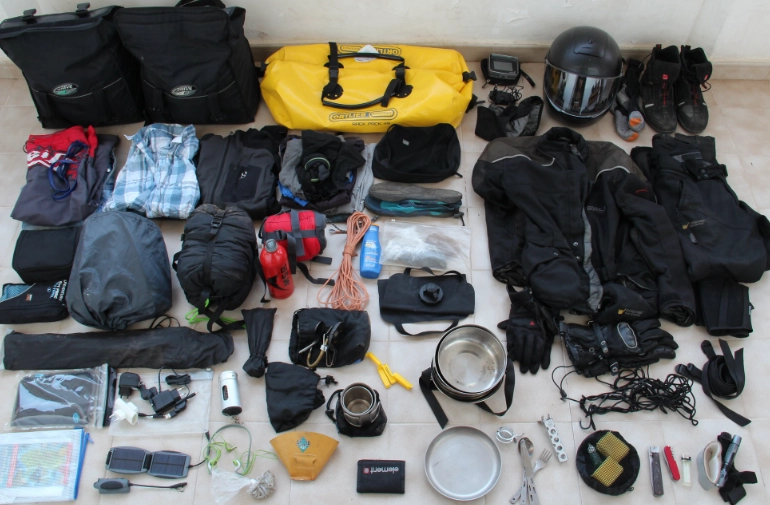
The Non-Negotiables: Core Motorcycle Camping Gear Categories
We can break this down into a few big buckets. Think of these as the pillars of your trip.
1. Shelter: Your Home on the Road
This is your biggest piece of gear, so choosing wisely is crucial. The classic debate: tent vs. hammock vs. bivy.
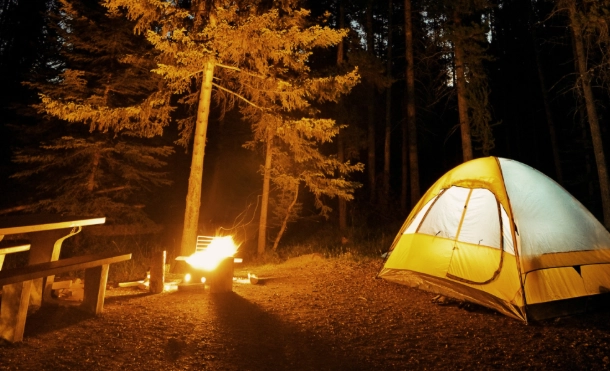
Tents: The most versatile choice. For motorcycle camping, you want a freestanding or semi-freestanding tent. Why? Because you might be setting up on a wooden platform, rocky ground, or a parking lot. Staking out a complicated tension structure in the dark after a long ride is no one's idea of fun. Look for a 2- or 3-person tent even if you're solo. You need that extra space for your gear. A vestibule is mandatory for storing muddy boots and your riding jacket.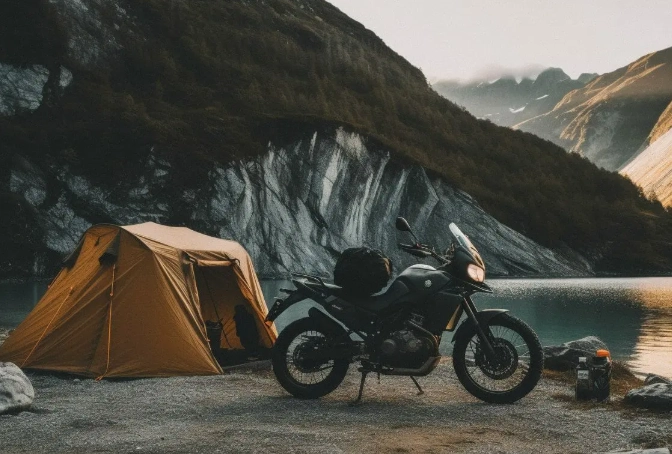
My go-to is a 3-season, 2-person dome tent. It's not the lightest backpacking tent out there, but it's sturdy, sets up in 5 minutes, and the extra room is worth the slight bulk.
Hammocks: Amazing if you're sure you'll have trees. They pack tiny and are incredibly comfortable. But you must have a rainfly and an under-quilt or sleeping pad for insulation. Your back will get cold otherwise. Not ideal for treeless campgrounds or above the tree line.
Bivy Sacks: The ultimate in minimalist, lightweight motorcycle camping gear. It's just a waterproof shell for your sleeping bag. Super small, but claustrophobic and offers zero living space. If it rains, you're stuck lying down. I use one only for ultra-light, fair-weather overnighters where I know I'll just be sleeping.
Personal Take: I tried a super cheap tent once. The poles snapped in a mild breeze. Don't skimp here. A good tent lasts for years. Check out reputable outdoor brands—their designs are tested. A resource like REI's tent selection guide is a great, trustworthy starting point for understanding specs.
2. Sleep System: The Key to a Good Day's Ride
You can ride all day on adrenaline, but you need good sleep to do it again tomorrow. This system has three parts:
- Sleeping Pad: This isn't just comfort; it's insulation. The ground sucks heat from your body. An inflatable pad offers the best comfort-to-pack-size ratio. Look for an R-value (insulation rating) of 3 or higher for three-season use. Self-inflating pads are simpler but bulkier.
- Sleeping Bag or Quilt: Temperature rating is everything. Get a bag rated for temperatures colder than you expect. A 20°F (-6°C) bag is a good all-around choice. Down packs smaller and lasts longer but is useless when wet. Synthetic insulation is bulkier but retains warmth when damp. Quilts are gaining popularity for motorcycle camping because they save weight and can be more versatile.
- Pillow: Don't just stuff clothes in a sack. A small, inflatable pillow is a luxury that takes up zero space and makes a huge difference.
3. Kitchen & Hydration: Fueling the Machine (You and the Bike)
Cooking on the road is one of the great joys. Keep it simple.
| Item | Recommendation | Why It Works for Moto Camping |
|---|---|---|
| Stove | Canister stove (like MSR PocketRocket) | Tiny, light, boils water in minutes. No liquid fuel mess. |
| Cookware | Single pot with lid (750ml-1L) | Boil water for dehydrated meals & coffee. Lid doubles as plate/bowl. |
| Utensil | Long-handled titanium spork | Does the job of spoon and fork, reaches into deep bags. |
| Water | Hydration bladder + 1L flexible bottle | Drink while riding, use bottle for camp/cooking. Flexibility is key for packing. |
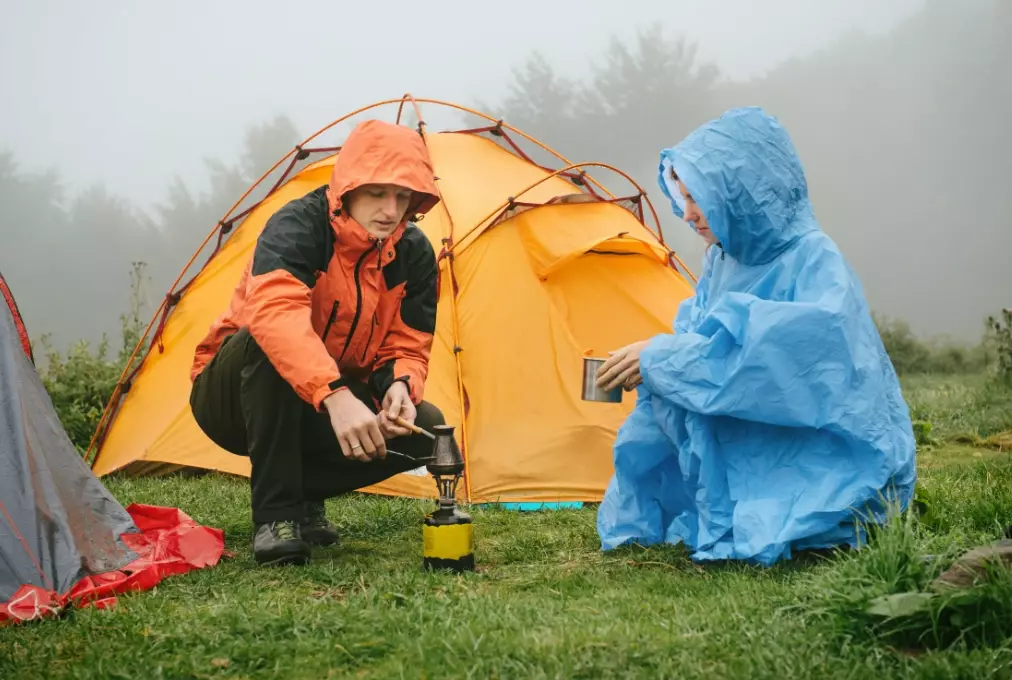
Dehydrated meals are your friend. They're lightweight, only require hot water, and some are actually pretty good now. A morning coffee ritual is non-negotiable for me—a small French press or an Aeropress makes it feel like a proper camp.
4. Tools & Spares: The "Get You Home" Kit
This is where experience talks. Your bike's toolkit is usually a joke. Supplement it.
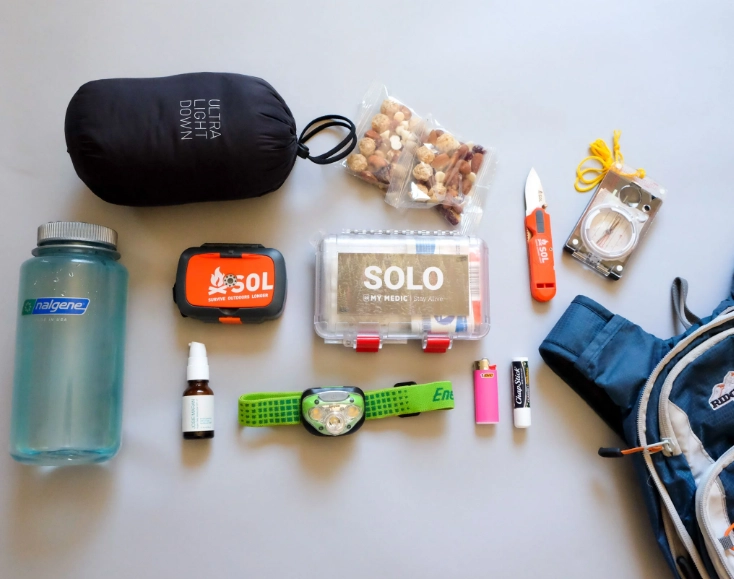
The Basics: A good multi-tool (with pliers), a set of quality hex/allen keys that fit your bike, a small adjustable wrench, zip ties (heavy-duty and small), duct tape (wrap some around a pen or lighter), tire repair kit (plug strings and a small CO2 inflator or mini pump), and a small flashlight or headlamp.
Bike-Specific: Know what commonly fails on your model. For me, it's spare clutch and brake levers (after breaking one in a slow drop), a spare fuse set, and a length of fuel line. It all fits in a small bag that lives under my seat.
Remember, the goal isn't a full rebuild in the field. It's to fix common, simple problems enough to get to the next town.
The Art of Packing: Making It All Fit on Your Motorcycle
Packing is a skill. Here’s my method, honed from many frustrating departures.
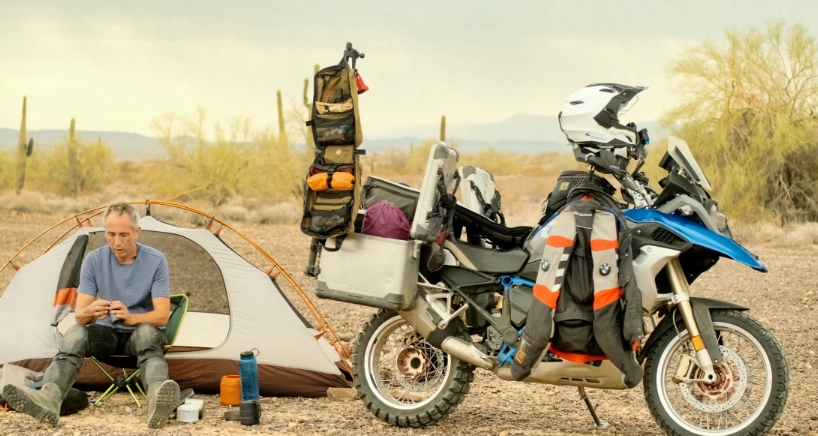
Rule 1: Weight low and centered. Heavy items (tools, stove fuel) go in the saddlebags or low in a tail bag. Keep the weight close to the bike's center of gravity and as low as possible. A top-heavy load makes handling scary.
Rule 2: Accessibility matters. Your rain gear, maybe a snack, and a water bladder hose should be reachable without stopping. I keep my tank bag for these daily essentials. The tent and sleep system, which you only need at camp, can be buried deeper.
Rule 3: Waterproof everything. Even if your bags are "water-resistant," use dry bags or heavy-duty trash compactor bags as liners. There's nothing worse than a wet sleeping bag at the end of a wet ride. I learned this the hard way in a North Carolina downpour.
My Typical Packing Layout:
- Left Saddlebag: Kitchen kit, food bag, spare fluids.
- Right Saddlebag: Sleep system (bag, pad, pillow), camp clothes.
- Top of Tail Bag/Rack: Tent (strapped down securely).
- Tank Bag: Electronics, sunscreen, sunglasses, wallet, rain jacket liner.
- Under Seat: Tools, spares, documents.
It feels like Tetris every time, but it works.
Common Questions (The Stuff You Actually Want to Know)
Final Thoughts: It's About the Experience, Not the Stuff
At the end of the day, the best motorcycle camping gear is the gear that gets you out there. You don't need the latest and greatest of everything. Start with the core essentials—shelter, sleep, a way to cook—and build from your own experiences.
Your first trip might not be perfect. You might forget a spoon (use a whittled stick) or be colder than you expected (wear all your clothes to bed). That's part of it. Each trip teaches you what you actually need and what you can leave behind. The goal is to simplify, to pare down to what matters, and to find that perfect balance where your bike feels light and nimble, but you have everything you need to be comfortable under the stars.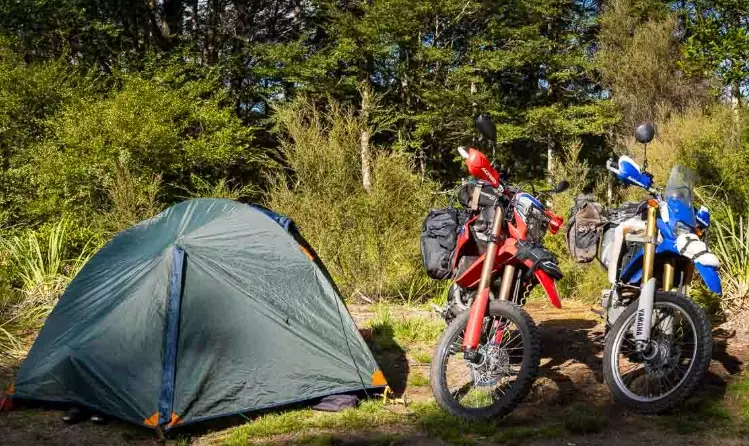
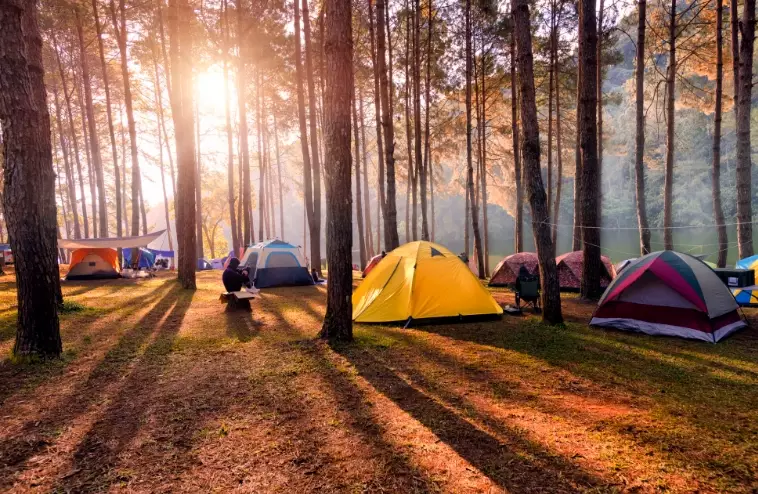
So, check your tire pressure, pack your bags, and go. The road and a campsite are waiting. Just remember to leave no trace—pack out everything you pack in. Keeping our wild places wild is the most important piece of gear we all carry.