Let's be honest. Most advice on camping clothing is either overly obvious ("wear layers!") or reads like a brand catalog. After a decade of soggy socks, shivering nights, and gear that failed when I needed it most, I learned the hard way that what you wear camping isn't about fashion—it's a functional system for survival and comfort. Getting it wrong can turn a dream trip into a miserable test of endurance. Getting it right means you forget about your clothes entirely and just enjoy the outdoors.
The core idea isn't complicated: you need a system that manages moisture, insulates efficiently, and protects you from the elements. But the devil is in the details—the fabric against your skin, the fit of your mid-layer, the weight of your socks. This guide cuts through the noise.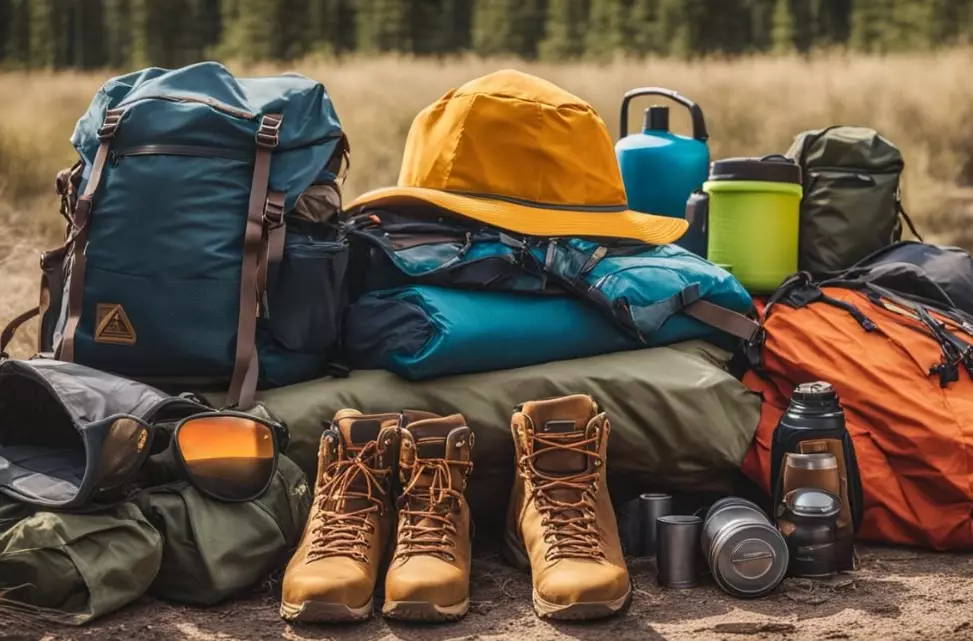
Your Camping Clothing Roadmap
The Layering System: Your Blueprint for All Conditions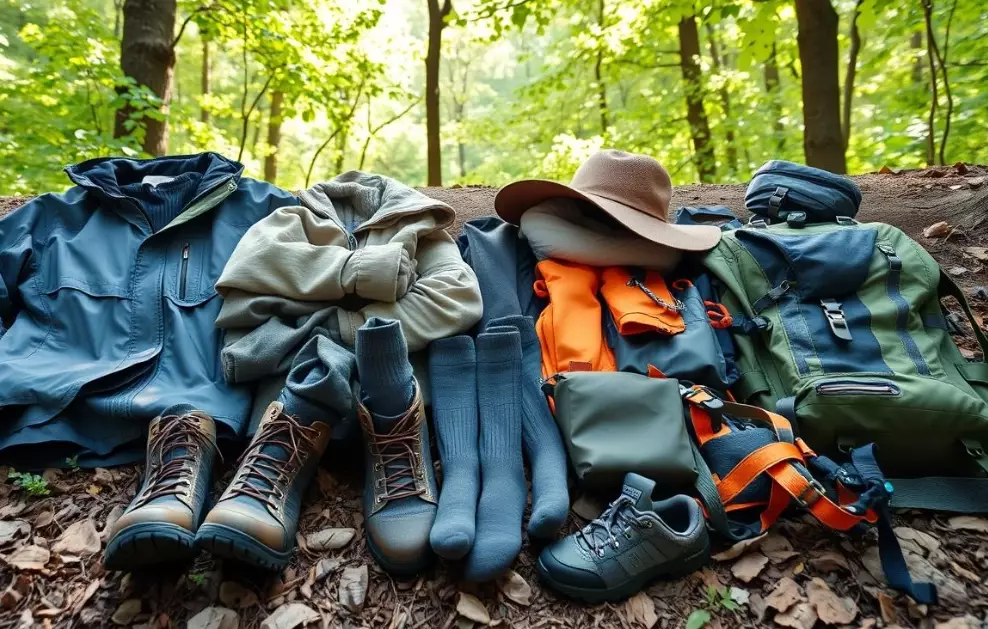
Forget thinking in terms of "shirts" and "jackets." Think in terms of functions. A proper layering system has three distinct jobs, and each layer needs to do its job without interfering with the others.
Base Layer: Moisture Management
This is your second skin. Its sole purpose is to move sweat away from your body to the next layer where it can evaporate. If this layer fails, you get wet, and wet means cold. It should fit snugly, like long underwear, not loosely like a t-shirt. A common misconception is that you only need this for winter. Wrong. Even on a cool summer morning, hiking to the vista point will make you sweat, and a good base layer keeps that dampness off you.
Mid Layer: Insulation
This layer traps warm air around your body. The key here is loft—the puffier, the better (usually). Fleece jackets, down vests, synthetic insulated jackets—they all work by creating tiny pockets of warm air. The fit should be less snug than your base layer to allow that air to circulate. You might have multiple mid-layers of different weights for different temperatures.
Outer Layer (Shell): Protection
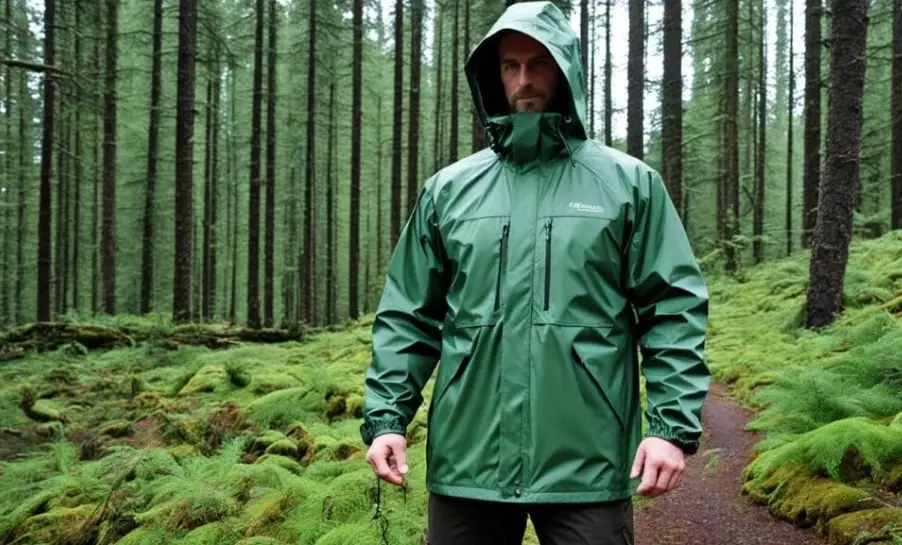
This is your shield. It stops wind from robbing your warmth and rain from soaking your insulation. There are two main types: hard shells (fully waterproof, like Gore-Tex) for heavy rain, and soft shells (water-resistant, highly breathable) for wind and light drizzle. The biggest mistake is wearing a non-breathable rain poncho while hiking—you'll sweat yourself wet from the inside. Your shell should have good ventilation zippers (pit zips are a godsend).
Pro Tip: The Sleep Layer
I consider this a secret fourth layer. Never, ever sleep in the clothes you wore all day. They're damp with sweat and will make your sleeping bag damp and less effective. Pack a dedicated, clean, lightweight base layer set used only for sleeping. It's the single best thing you can do for a warm night.
Choosing the Right Materials: Beyond Cotton
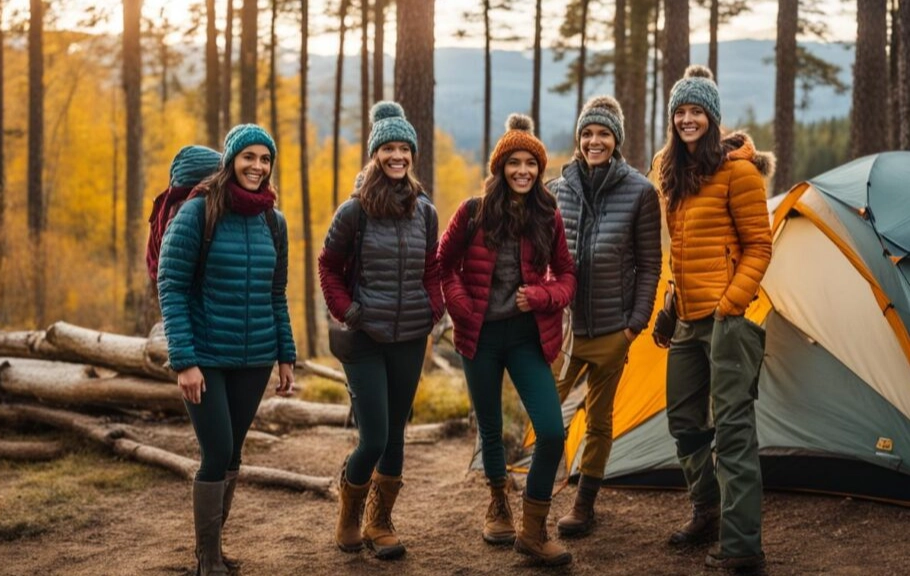 Cotton is the enemy of the happy camper. It feels great until it gets wet, then it holds water like a sponge, takes forever to dry, and conducts heat away from your body. The phrase "cotton kills" is dramatic but rooted in truth—it can contribute to hypothermia. Here’s what to use instead.
| Material | Best For | Key Trait | Downside |
|---|---|---|---|
| Merino Wool | Base Layers, Socks | Naturally moisture-wicking, odor-resistant, retains warmth when damp. | More expensive, less durable than synthetics. |
| Polyester / Nylon Blends | Base Layers, Hiking Pants, Shirts | Durable, quick-drying, affordable. Excellent for active wear. | Can hold body odor more than wool. |
| Fleece (Polyester) | Mid-Layer Jackets, Hats | Lightweight, breathable, retains insulation when wet. | Can be bulky, not windproof. |
| Down (Goose/Duck) | Mid-Layer Puffy Jackets | Unbeatable warmth-to-weight ratio when dry. | Loses all insulation value if soaked. Needs a dry bag. |
| Synthetic Insulation (PrimaLoft, etc.) | Mid-Layer Puffy Jackets | Warm even when wet, dries faster than down. | Slightly heavier and bulkier than down for same warmth. |
My personal take? I'm a merino wool convert for base layers and socks because I hate laundry and the odor resistance is real on a multi-day trip. But for high-output activity where I know I'll be drenched in sweat, a synthetic base layer dries a bit faster. For insulation, I carry a down jacket for cold, dry nights around camp and a synthetic puffy if I expect persistent dampness.
Head-to-Toe Breakdown: What to Wear and Why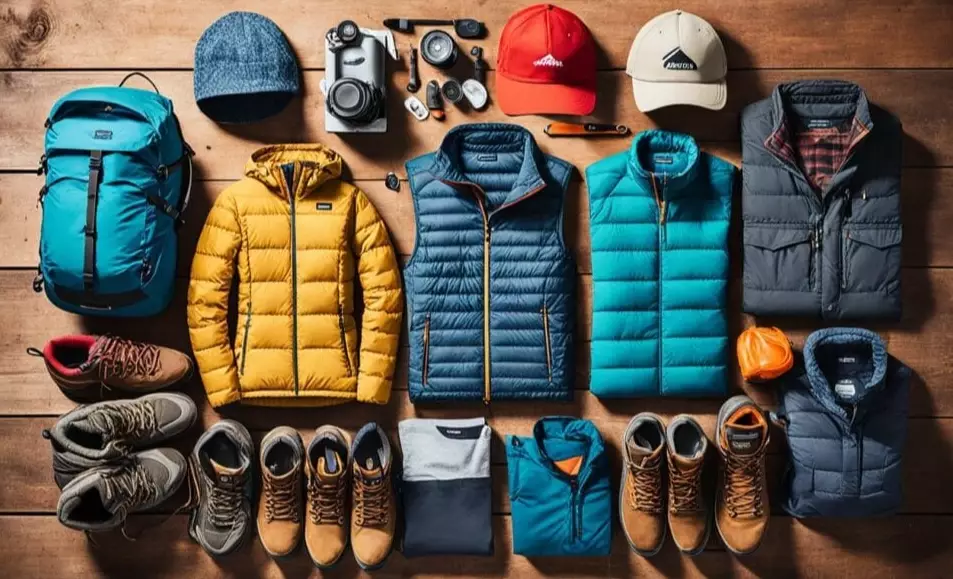
Let's get specific. Here’s what each body part needs, based on function, not just item names.
Head & Neck: You lose a huge amount of heat through your head. A simple beanie (wool or fleece) is non-negotiable for cool weather. A buff or neck gaiter is wildly versatile—it can be a hat, neck warmer, face mask, or hair band. For sun protection, a wide-brimmed hat beats a baseball cap.
Torso: This is where your layering system shines. A typical setup: Merino wool tank or t-shirt (base), a gridded fleece pullover (mid), and a packable puffy jacket (mid) for camp, with a rain shell (outer) in your pack. Avoid bulky sweaters; they restrict movement and are hard to layer under a shell.
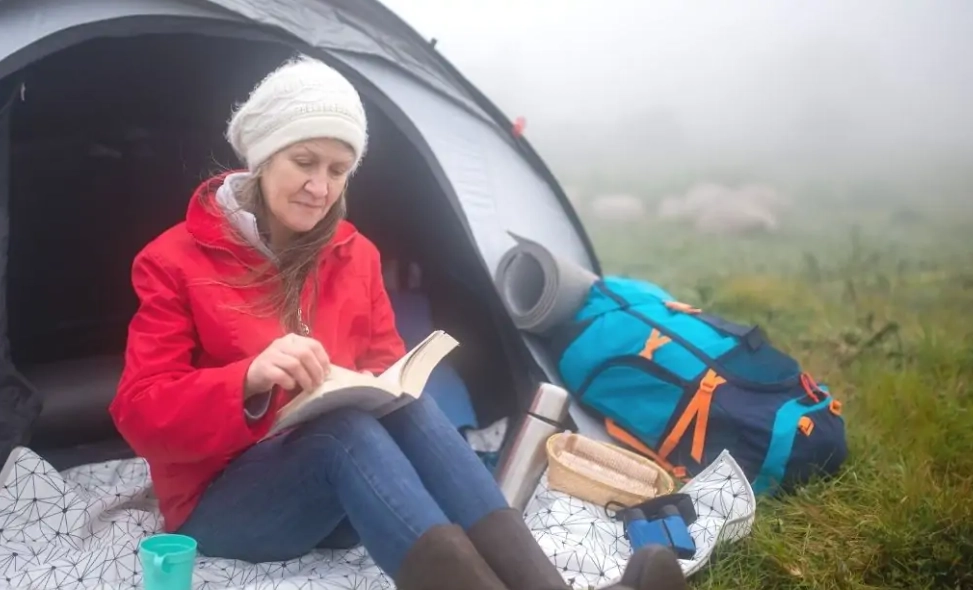
Legs: Ditch the jeans. Please. Go for hiking pants made of a nylon-spandex blend. They're tough, dry quickly, and the stretch is liberating. Convertible zip-off pants are polarizing—some swear by them, I think the zipper is uncomfortable. For cold weather, thermal leggings (base layer) under your hiking pants are perfect.
Feet: This is a system too. Start with a thin liner sock (synthetic or silk) to wick moisture. Over that, a cushioned hiking sock (wool blend). Your boots should be broken in, waterproof if you're in wet climates, and offer ankle support for uneven terrain. Camp shoes—like lightweight sneakers or sandals—are crucial for giving your feet a break at camp.
Hands: Gloves are tricky. Thin liner gloves (for dexterity) under insulated gloves (for warmth) is a good combo. For mild weather, I often just use fingerless gloves.
The Practical Packing List (For a 3-Day Trip)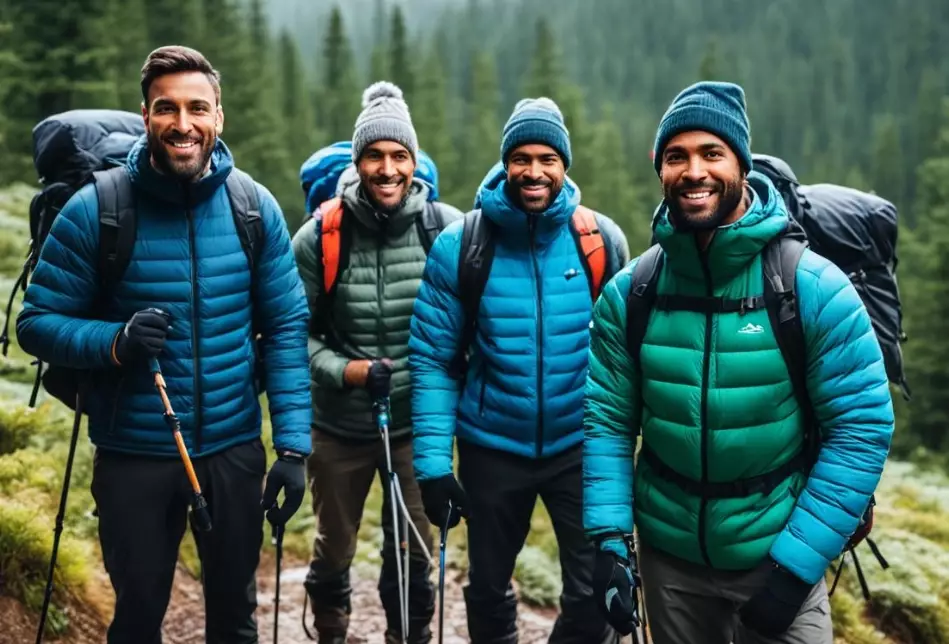
Here’s exactly what I pack. This assumes variable weather—cool nights, potential for rain.
- Worn/Carried: Hiking pants, synthetic t-shirt, hiking socks, boots, sun hat.
- In the Pack:
- Base Layers: 1x long-sleeve merino top, 1x merino leggings (for sleep/cold).
- Mid Layers: 1x fleece jacket, 1x packable puffy jacket (down or synthetic).
- Outer Layer: 1x waterproof-breathable rain jacket (with hood).
- Other Tops/Bottoms: 1x extra synthetic t-shirt, 1x pair of shorts or lightweight pants for camp.
- Socks & Underwear: 3x pairs of hiking socks (wool blend), 1x pair of sleep socks (thick wool), 3x pairs of synthetic underwear.
- Head/Hands: 1x beanie, 1x buff, 1x pair of liner gloves, 1x pair of insulated gloves.
- Footwear: 1x pair of camp shoes (sandals or sneakers).
Notice the logic? One set to hike in, one clean/dry set to sleep in, one spare set for the hike (because stuff happens), and all the layers to adapt. Everything fits in one stuff sack.
Expert Insights: Common Mistakes and Pro Tips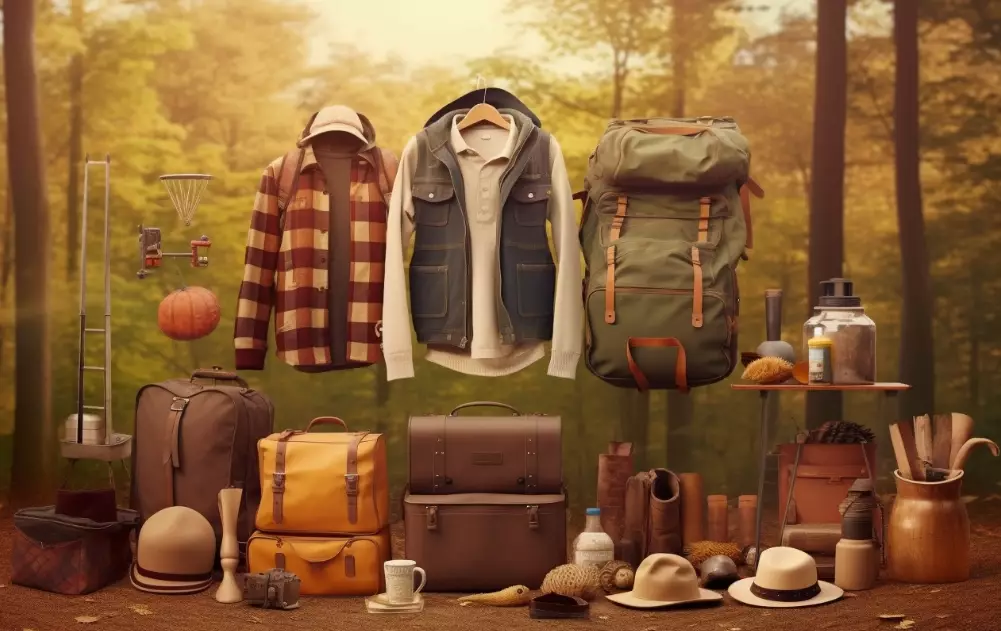
After a decade, you see patterns. Here’s what most people get wrong and what you should do instead.
Overpacking "Just in Case" Clothes: You don't need a new outfit for each day. You need a versatile system. That extra heavy cotton sweatshirt "for camp" is dead weight. Your fleece and puffy are better.
Ignoring the Power of a Dry Bag: Pack your sleep clothes, extra socks, and down jacket in a lightweight dry bag or even a heavy-duty plastic bag inside your pack. If your pack gets soaked in a downpour, your critical warmth items stay dry.
Forgetting About Camp Comfort: Those stiff hiking boots are awful to lounge in. A pair of lightweight camp shoes (Crocs, trail runners, sandals) is worth its weight in gold for camp morale. It lets your feet and boots air out.
The "It's Not That Cold" Fallacy: Temperatures drop significantly at night, especially near water or at elevation. That 60°F (15°C) day can become a 40°F (4°C) night. Always pack one more warm layer than you think you'll need. You can always take it off.
Finally, test your system at home. Wear your layers on a cool evening walk. See how they feel, how they breathe. The campsite is not the place to discover your new jacket is too tight under the arms or that those socks give you a blister. Your clothing is your primary shelter from the elements. Choose it wisely, and the outdoors becomes a lot more welcoming.
 Do I really need special pants, or are jeans okay for camping?