Let's cut to the chase: camping in Utah isn't just about pitching a tent. It's about waking up to a sunrise that sets the sandstone on fire, falling asleep under a blanket of stars so thick you feel you could reach out and grab one, and finding solitude in landscapes that feel more like Mars than Earth. I've spent over a decade exploring every corner of this state, from the slickrock deserts to the high alpine meadows, and I'm still finding new surprises. This guide isn't a list of generic tips. It's the roadmap I wish I had when I started, packed with specific campsite intel, gear advice that actually matters, and the kind of nuanced insights you only get from making—and learning from—your own mistakes out there.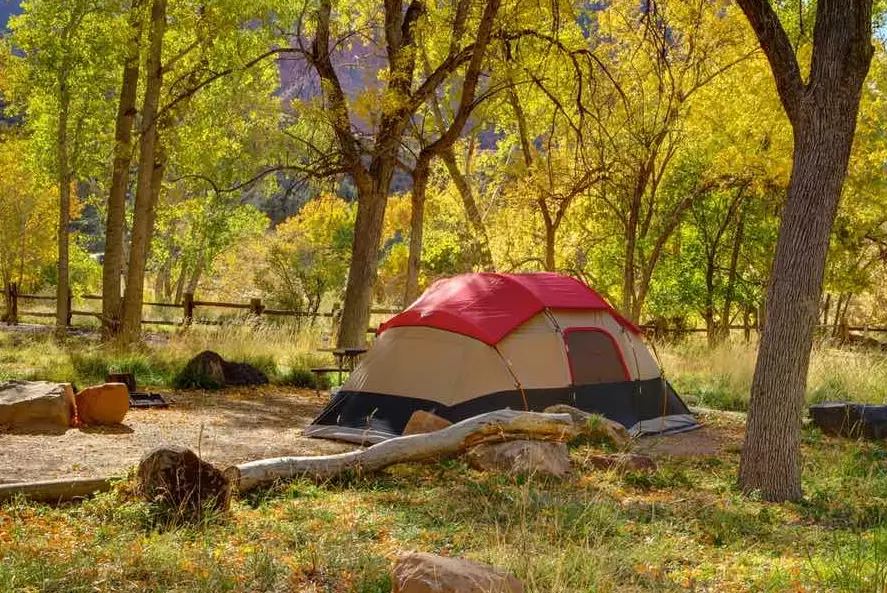
Your Utah Camping Cheat Sheet
Why Choose Utah for Your Next Camping Adventure?
Five national parks. Vast stretches of Bureau of Land Management (BLM) land where you can camp for free. A climate that offers something year-round. That's the sales pitch. The reality is the feeling of standing in a slot canyon so narrow you can touch both walls, the silence of the desert at 3 AM, and the sheer variety packed into one state. You can camp among towering pines one day and red rock amphitheaters the next. Utah is also home to some of the darkest skies in the lower 48, certified by the International Dark-Sky Association. Places like Natural Bridges National Monument and Dead Horse Point State Park are designated Dark Sky Parks, making them phenomenal for stargazing right from your campsite.
Top Campgrounds in Utah: From Desert to Mountain
Forget just names. You need details to decide. Here’s a breakdown of my top picks across different landscapes and styles. Remember, in popular parks like Zion and Arches, reserving a site the moment bookings open (usually 6 months in advance on Recreation.gov) is not a suggestion—it's a requirement.
| Campground & Park | Location & Vibe | Key Details (Fees, Season, Booking) | Why It's Special |
|---|---|---|---|
| Watchman Campground (Zion National Park) |
South entrance of Zion. Shady sites along the Virgin River. Electric hookups available in some loops. | $20-30/night. Open year-round. Reservations essential (Rec.gov). Check-in: 2 PM. | You can walk to the Zion Canyon Visitor Center and shuttle, avoiding the parking nightmare. The sound of the river is constant, soothing white noise. |
| Devils Garden Campground (Arches National Park) |
Deep inside Arches, 18 miles from the entrance. A landscape of slickrock and juniper. | $25/night. Open year-round. Reservations required Mar-Oct, first-come Nov-Feb. Book on Rec.gov. | Wake up and hike to Landscape Arch before the day-trippers arrive. The night sky here, framed by rock fins, is unreal. Sites are very private. |
| North Campground & Sunset Campground (Bryce Canyon National Park) |
Right on the rim of Bryce Canyon, steps from the iconic views. Sunset is slightly closer to the rim. | $20-30/night. Seasonal (generally Apr-Oct). Reservations for North, first-come for Sunset. Rec.gov. | The ultimate convenience for sunrise at Sunrise Point. You'll be in your warm car headed to the viewpoint while everyone else is driving in from miles away. |
| Goose Island / Percolation Site (BLM Land near Moab) |
Along the Colorado River, about 10 miles north of Moab. Dispersed camping (no facilities). | FREE. Open year-round. First-come, first-served. Stay limit 14 days. | This is classic Moab boondocking. You get a slice of riverfront with million-dollar red rock views for zero dollars. Arrive early on a Wednesday for the best spots. |
| Cedar City KOA (Near Brian Head) |
Just off I-15 in Cedar City. A full-hookup, amenity-rich basecamp. | $40-70/night. Open year-round. Reservations recommended. Book direct. | Your strategic recovery hub. After 4 days of dusty desert camping, a hot shower, laundry, and a pool feel like pure luxury. Perfect for resetting before hitting Zion or Bryce. |
A Local's Take: Everyone targets the big five parks, but some of my best Utah camping memories are in the state parks and national forests. Dead Horse Point State Park has a campground with views rivaling the Grand Canyon. Snow Canyon State Park near St. George has red Navajo sandstone and lava tubes, with far fewer crowds. And in the summer, escape the desert heat in the Uinta-Wasatch-Cache National Forest near Mirror Lake Highway—you'll trade red rock for alpine lakes and pine forests.
The Essential Utah Camping Gear List (Desert Edition)
Forget the generic "10 essentials." Camping in Utah's desert environments demands a specific mindset. The sun is relentless, the air is dry, and temperatures can swing 40+ degrees in 24 hours. Here’s what you actually need to focus on.
Water Management is Everything
You need more water than you think. A lot more. The rule of thumb is one gallon per person, per day, just for drinking. If you're hiking, add another 2 liters minimum. I bring two 7-gallon Aqua-Tainers and a filtration system like a Sawyer Squeeze for refilling from natural sources (always check if water is available at your campground first). Stashing a few extra gallons in the car is never a bad idea.
Your Sleep System: Battling Heat and Cold
A common mistake is bringing a sleeping bag rated for the daytime high. In spring and fall, desert nights dip into the 30s and 40s Fahrenheit. You need a bag or quilt rated at least 10 degrees lower than the expected low. A sleeping pad with a good R-value (insulation) is crucial—the cold ground will suck heat right out of you. For summer camping, a lightweight bag or even just a liner works, but research your campground's elevation. It's always cooler up high.
Shade & Sun Protection: Non-Negotiable
Many Utah campgrounds have minimal natural shade. A pop-up canopy or a tarp rigged over your picnic table is a game-changer. It creates a livable space during the scorching midday hours. Pair this with a wide-brimmed hat, UV-blocking sunglasses, and mineral sunscreen (the red dust makes chemical sunscreen messy).
How to Plan Your Utah Camping Trip: A 5-Day Sample
Let's build a classic "Mighty 5" road trip camping itinerary. This is ambitious but doable if you're organized.
Day 1-2: Zion Basecamp. Snag a site at Watchman Campground. Day 1: Set up, relax by the river, take the shuttle to the Temple of Sinawava for the Riverside Walk. Day 2: Hike Angels Landing (permit required) or the stunning, less-crowded Observation Point via the East Mesa Trail.
Day 3: Bryce Canyon Rim. Pack up early, drive the scenic route through Mt. Carmel Junction to Bryce (2.5 hours). Secure a first-come site at Sunset Campground. Hike the Navajo Loop & Queens Garden combination in the afternoon light.
Day 4-5: Arches & Moab. Drive to Moab (4 hours). If you can't get into Devils Garden, snag a BLM site along the Colorado River (Goose Island area). Day 4: Explore Arches, hitting the Windows Section and Double Arch. Day 5: Sunrise at Mesa Arch in Canyonlands (Island in the Sky district), then a late afternoon hike to Delicate Arch for sunset.
Logistics: Book your Zion and Arches campgrounds the minute your booking window opens. Stock up on water and food in St. George (before Zion) and Moab. Gas is expensive near the parks, fill up in larger towns.
Expert Utah Camping Tips & Common Pitfalls to Avoid
Here’s where that decade of experience comes in. These are the things most guides don't tell you.
- The Dust Will Get Everywhere. I mean inside your camera, your sleeping bag, your food cooler. Use ziplock bags for everything. A small battery-powered air duster is worth its weight in gold for cleaning camera sensors.
- Don't Underestimate Travel Times. Google Maps might say 2 hours to your next campground. Add 30% for winding park roads, construction, RV traffic, and the inevitable photo stop. Rushing is the enemy of a good camping trip.
- Campfire Reality Check. Fire restrictions are common, especially in summer. Often, only established fire rings in designated campgrounds are allowed. Never leave a fire unattended, and drown it completely. A propane fire pit is a great, low-impact alternative that's usually allowed during restrictions.
- Leave No Trace Means More Here. In the desert, biological soil crust (cryptobiotic soil) is a living ground cover that prevents erosion. It looks like black knobby soil. Stay on established trails and don't drive over it. It takes decades to recover.

Utah Camping FAQ: Real Questions from the Trail
 Camping in Utah is more than a vacation; it's a reset. It's a chance to engage with landscapes of impossible scale and quiet your mind in a way only vast, open spaces can. Do your homework, pack with the desert in mind, and leave your expectations at the state line. The real magic happens when a plan falls apart slightly and you have to adapt—that's when you find your own secret slot canyon or a hidden viewpoint. That's the Utah camping experience you'll remember.