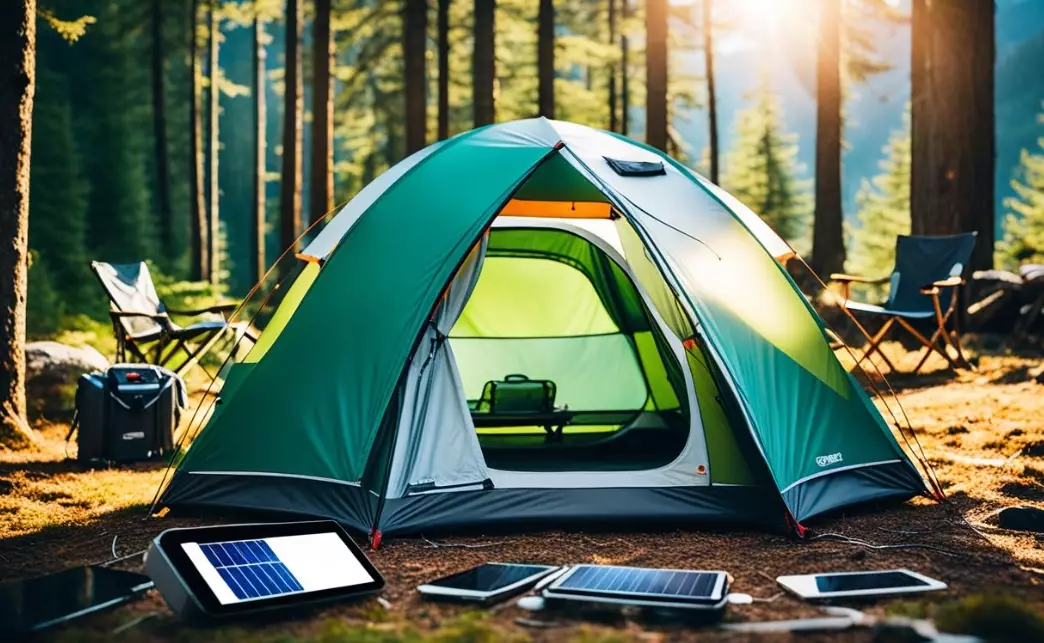
Let's cut straight to it: yes, solo camping is exploding in popularity. It's not just a niche hobby for extreme adventurers anymore. Scroll through social media, check booking data from parks like the US National Park Service, or talk to any outdoor retailer, and the story is the same—more people are choosing to go into the woods alone. But calling it just "popular" misses the point. The real question is why. What's driving this shift from group trips to solo journeys under the stars? And more importantly, if you're thinking about trying it, what do you actually need to know beyond the pretty Instagram photos?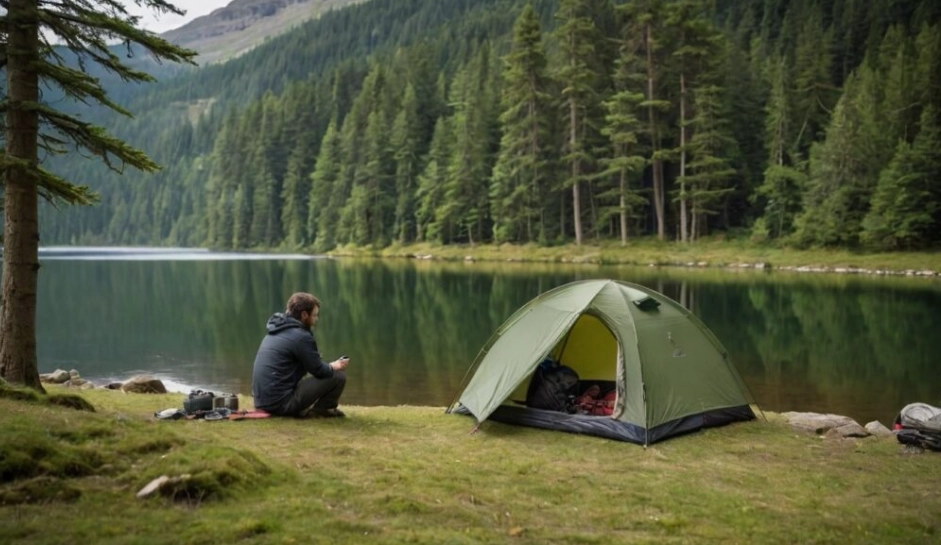
What's Inside This Guide
The Rise of Solo Camping: By The Numbers
This isn't a gut feeling. The American Camper Report, a survey conducted by the Outdoor Foundation, has consistently shown a growing segment of participants who camp alone. Post-pandemic search trends for terms like "solo camping for beginners" and "solo backpacking" saw sustained increases of over 150% according to Google Trends data analyzed by outdoor publications. Campground booking platforms like Hipcamp and The Dyrt report more single-person bookings than ever before.
It's a global thing too. In countries with strong hiking cultures like Japan, Canada, and across Scandinavia, trails and shelters are seeing more solo hikers and campers. The demographic is broad—it's not just young men. Women, older adults, and everyone in between are part of this movement. The gear industry has taken note. You see more companies marketing lightweight, single-person tents, compact cooking systems for one, and safety devices like personal locator beacons directly to the solo adventurer.
That's the data. But data doesn't tell you about the quiet sunrise you have all to yourself, or the confidence that comes from setting up camp with your own two hands.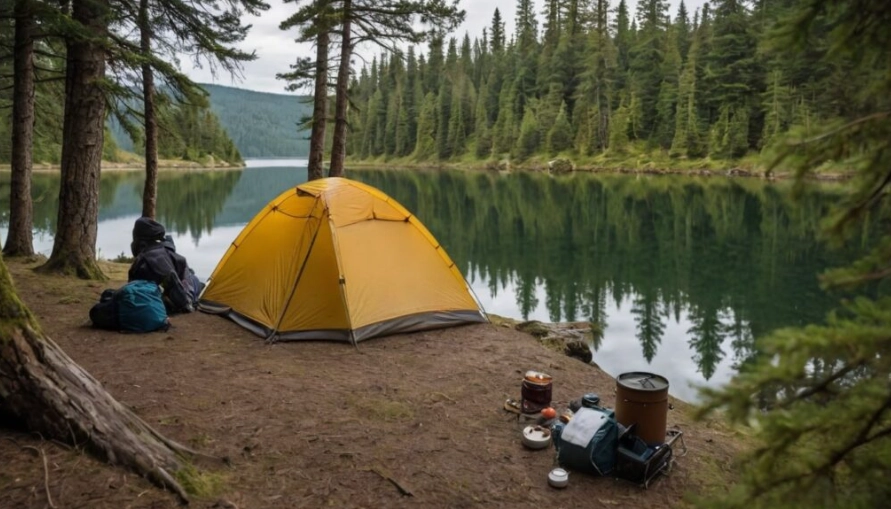
Why People Are Choosing to Camp Alone
If you've never done it, the idea might seem lonely or intimidating. For those who do it, the reasons are deeply personal and incredibly practical. Here’s what they don’t always say in the glossy magazine features.
The biggest misconception? That solo camping is an antisocial act. For most, it's the opposite. It's a proactive choice for self-connection, which often makes social connections afterward richer.
Mental Reset and Digital Detox. This is the number one reason I hear. In a world of constant notifications and group chat dramas, an overnight trip alone is the ultimate hard reset. There's no itinerary to argue over, no one to entertain. Your only job is to be there. The silence isn't empty; it's full. You notice the wind in the trees, the pattern of birdsong. Your brain, freed from performing for others, actually starts to talk to you again. It's cheaper than therapy and often more effective.
Total Logistical Freedom. Group camping can be a nightmare of compromise. Someone wants to hike 10 miles, someone else wants to lounge by the lake. You're stuck with meals everyone will eat. Solo? You decide. Feel like sleeping in until 10 AM? Do it. Want to eat peanut butter straight from the jar for dinner? No judgment. Want to change your destination at the last minute? The only committee you need to consult is yourself. This autonomy is incredibly liberating.
Building Tangible Self-Reliance. There's a raw confidence that comes from solving problems alone in the woods. When you successfully navigate a trail, manage a sudden rain shower, or cook a meal on a tiny stove, you prove something to yourself. That competence leaks back into your daily life. You handle work stress or personal challenges differently because you know, physically and mentally, what you're capable of.
It's Simply Easier to Plan. Let's be honest. Coordinating schedules with multiple adults is a part-time job. Finding a weekend that works for three or four people can take months. Going solo means you can capitalize on a last-minute sunny forecast or a sudden free Friday. Spontaneity becomes possible again.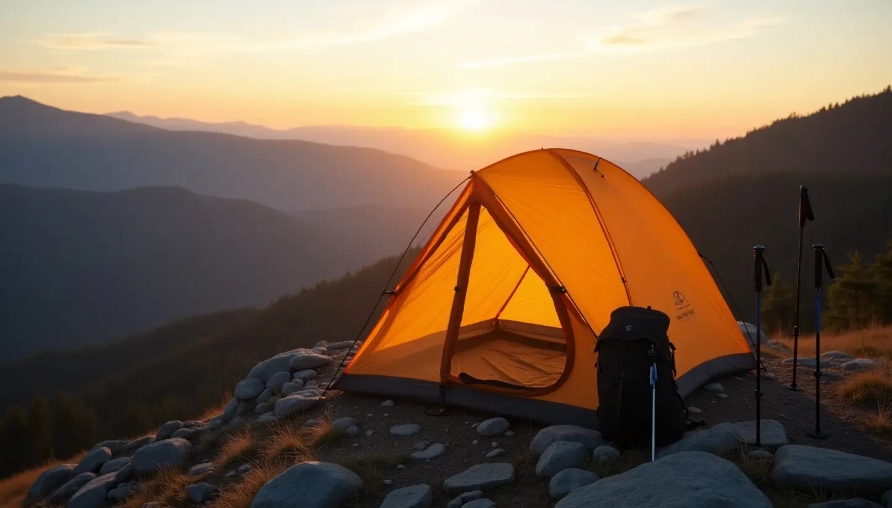
How to Start Solo Camping: A Realistic First-Timer's Plan
Forget the epic week-long backpacking trip for your first time. That's a recipe for misery. The key is to dial down the variables and build confidence. Here’s a phased approach I wish someone had given me.
Phase 1: The Backyard or Car Camp Shakedown
Your goal isn't adventure; it's a systems check. Set up your entire campsite—tent, sleeping pad, sleeping bag, kitchen kit—somewhere safe. Your backyard is perfect. A local campground where you can park right at your site is a great second option.
- Sleep in your setup. Is your pad comfortable enough? Is your bag the right temperature rating? You'll find out without being 10 miles from your car.
- Cook a meal. Use your stove, boil water, make that backpacker meal or simple pasta. Figure out how you'll clean your pot.
- Practice in the dark. Once the sun sets, try using your headlamp to read, organize your gear, or find something in your pack. This reveals a lot.
This step feels silly, but it eliminates 80% of first-night problems. I skipped it once and spent a cold night realizing my sleeping pad had a slow leak. Not fun.
Phase 2: The Close-to-Home, One-Nighter
Choose a drive-in campground within an hour of home, for a single Friday or Saturday night. Book a site in advance. Tell a friend or family member your exact site number and when you'll check in.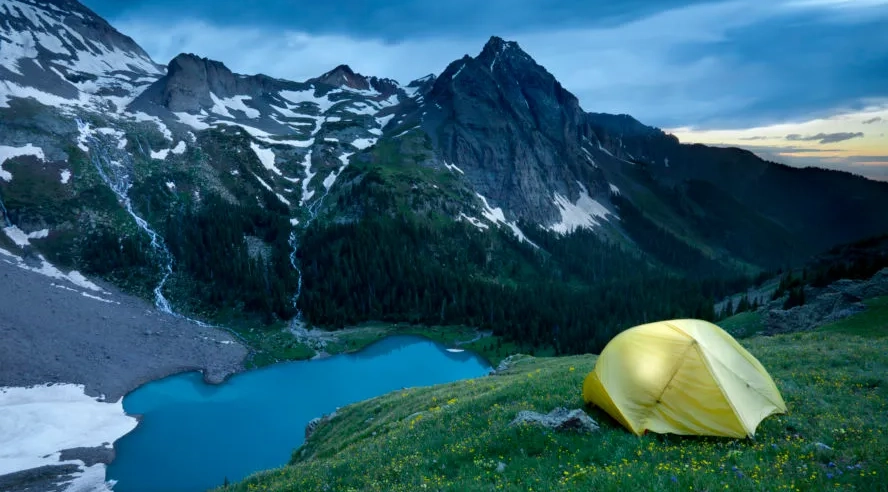
Your packing focus: Comfort and safety over ultralight minimalism.
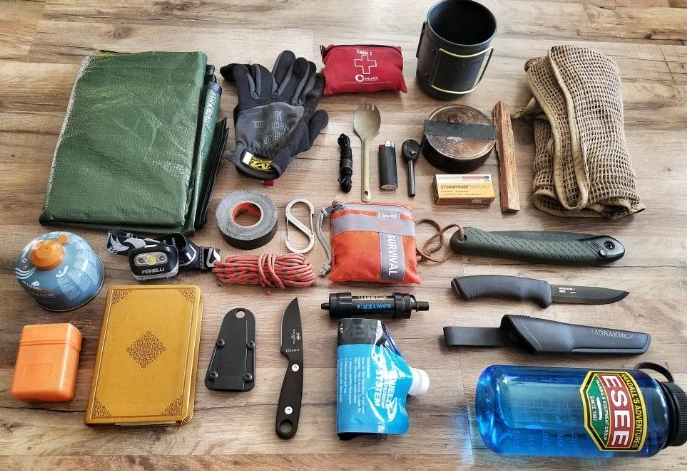
| Category | Essential Items (Beyond Basics) | Why It Matters for Solo |
|---|---|---|
| Shelter & Sleep | Tested tent, sleeping bag + pad, earplugs, eye mask. | Earplugs are a secret weapon against unfamiliar night noises that can spike anxiety. |
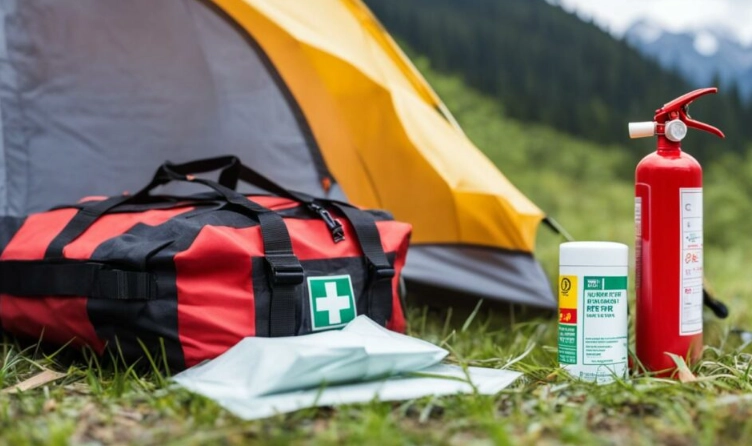
| Safety & Communication | Fully charged phone + battery pack, physical map, whistle, small first-aid kit, personal locator beacon (PLB) or satellite messenger (rent one if needed). | A PLB like a Garmin inReach Mini is your lifeline. It's not paranoid; it's responsible. |
| Comfort & Morale | A comfy camp chair, a good book or journal, a special treat (dark chocolate, fancy tea), a small battery-powered lantern. | These items fight loneliness and make the experience enjoyable, not just an endurance test. |
Spend the day setting up leisurely, reading, taking a short hike from camp, and observing. Go to bed early. The goal is to experience the rhythm of a solo camp without major physical exertion.
The Non-Negotiables: Safety and Mindset
Here’s where the 10-year-experience advice comes in. Most guides list safety tips. I'll tell you the subtle mindset shifts that make those tips work.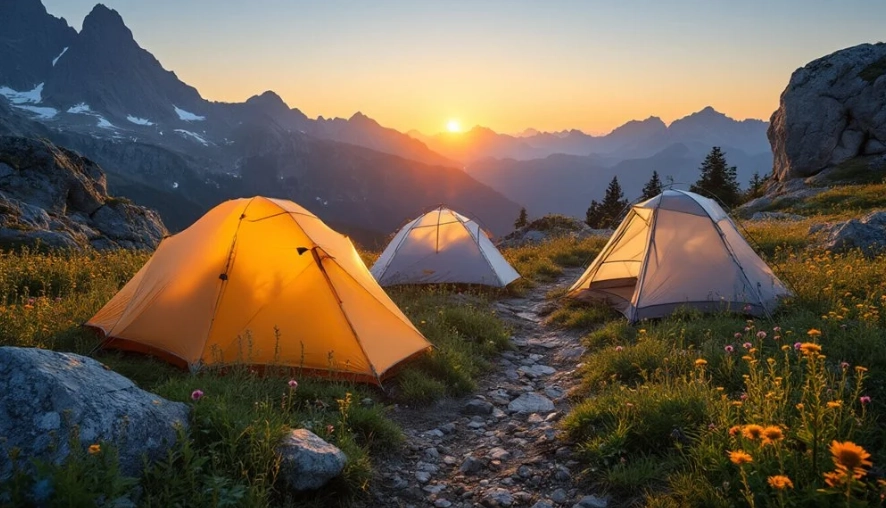
Your Safety Plan is Non-Debatable. Share your itinerary—campground name, site number, expected return time—with at least two people. Set a clear "if you don't hear from me by X time, call the park rangers" protocol. And then stick to it. Don't decide to stay an extra night without updating them. This isn't just for bears; it's for a twisted ankle.
Embrace the "Boring" Campsite. New solo campers often want the most remote, scenic spot. A seasoned solo camper often picks the safer, more accessible site, especially at first. A site closer to the campground host or other campers isn't a failure. It's smart. The view inside your own head is the main attraction anyway.
Loneliness vs. Solitude. They feel different. Loneliness is a craving for connection. Solitude is a chosen state of richness. You will likely feel both, sometimes minutes apart. When loneliness hits—and it might—don't panic. It's normal. Have a task ready: make a detailed cup of tea, write in your journal, go for a short walk to look for animal tracks. Action displaces anxiety.
The Midnight Sound. You will hear a weird noise. It will be a raccoon, a deer, or the wind. Your brain will suggest it's a bear. Have a protocol: listen, identify if it's actually getting closer to your tent (usually it's not), use your whistle sharply if you're genuinely concerned (it will scare off any animal), and put your earplugs in. I've done this dozens of times.
Your Solo Camping Questions, Answered
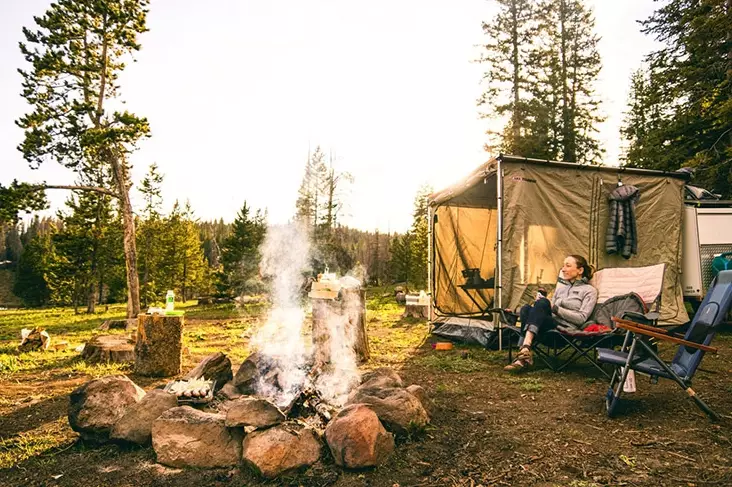 How do I handle the boredom or restlessness on a solo trip?
So, is solo camping popular? It's more than popular—it's a meaningful shift in how people seek restoration and challenge. It's growing because it answers a modern need for agency, quiet, and real self-testing. It's not for every trip, but trying it once might just change how you see the woods, and yourself. Start small, start safe, and let the experience be whatever it needs to be for you. The trail is just the setting. The real journey is an internal one.