Most people think of camping as a summer activity. You pack the car when it's warm, head to a lake, and that's that. But limiting yourself to three months a year means missing out on about 75% of the potential adventures. Camping in different seasons isn't just about being tough; it's about experiencing the same landscape in four completely unique ways. The quiet solitude of a snow-covered forest, the explosive colors of an autumn ridge, the fresh renewal of a spring meadow – each season offers a distinct reward that makes the extra preparation worth it.
What's in This Guide?
Spring Camping: Thaw, Blooms & Unpredictability
Spring is the season of hope for campers, but also the season of mud, lingering cold nights, and sudden weather shifts. The mistake I see most often? People pack their summer bag in April and get a miserable surprise.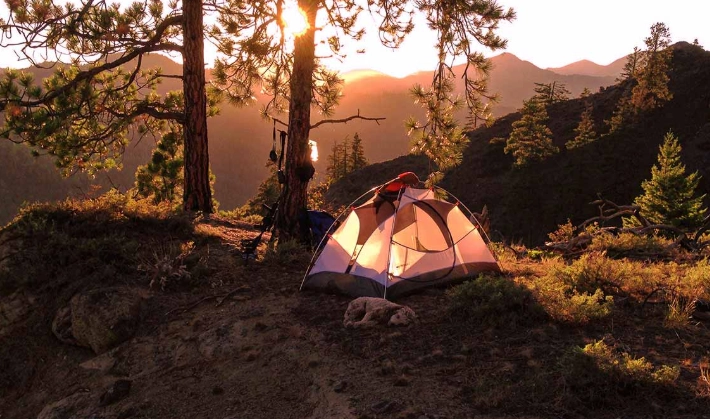
The Spring Reality: Wet, Cold, and Gorgeous
Your primary enemies are moisture and temperature swings. Days can be sunny and 60°F (15°C), while nights plunge back below freezing. Snowmelt and rain create soggy ground and high water in streams. The upside? You'll have trails mostly to yourself before the summer rush, and witnessing nature wake up is magical.
Spring-Specific Tip: Always check with the local ranger district or park service for road and trail conditions. That "open year-round" campground might be accessible, but the access road could be washed out or still gated due to snow. A five-minute phone call can save a four-hour detour.
Essential Spring Gear Adjustments:
- Sleep System: Your summer sleeping bag won't cut it. Stick with a bag or quilt rated for at least 20°F (-7°C). A sleeping pad with a high R-value (insulation) is non-negotiable; the cold ground is your biggest heat sink.
- Footwear & Clothing: Waterproof boots are more important than breathable trail runners. Pack multiple pairs of wool socks. Your layering system is key: a moisture-wicking base layer, a warm mid-layer like fleece, and a waterproof/windproof shell. Never rely on cotton.
- Shelter: A tent with a full-coverage rainfly and a good groundsheet or footprint is mandatory. Consider a tent with more mesh if condensation becomes an issue on milder nights.
Summer Camping: Classic Comfort & Crowd Navigation
This is the camping most people know. The days are long, the weather is (usually) cooperative, and everything is open. The challenge shifts from survival to comfort and dealing with popularity.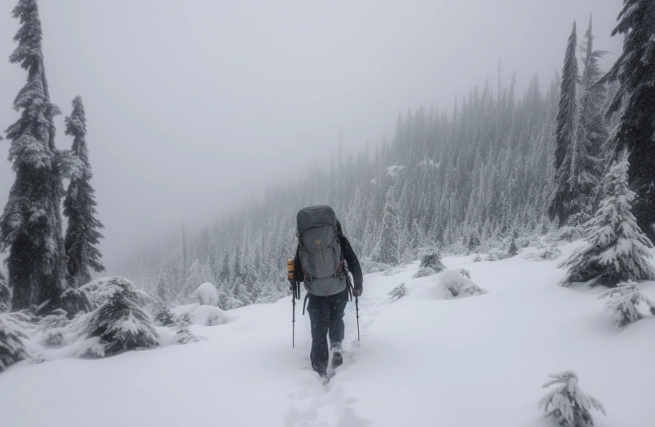
Beating the Heat and the Crowds
Summer camping's hidden pitfall isn't cold, it's overheating and poor planning. Popular sites book up months in advance. A common regret is driving to a first-come, first-served site on a Friday afternoon only to find it full.
Strategy is everything:
- Reservations: For popular national parks (Yosemite, Yellowstone, Great Smoky Mountains) or state parks, book your site the minute reservations open, often 6 months in advance. Use Recreation.gov for federal sites.
- Dispersed Camping: On National Forest or Bureau of Land Management (BLM) land, you can often camp for free outside of designated campgrounds. This requires more self-sufficiency (no toilets, no water) but offers total solitude. Always follow Leave No Trace principles and check local regulations.
- Gear for Comfort: A tent with excellent ventilation is crucial. A sleeping bag liner can be better than a heavy bag. Focus on sun protection: a wide-brim hat, sunscreen, and a lightweight, long-sleeved sun shirt. A portable battery fan can be a game-changer for stagnant nights.
Fall Camping: The Sweet Spot for Color & Solitude
For many experienced campers, fall is the absolute best season. The bugs are gone, the summer crowds have vanished, the air is crisp, and the landscapes are on fire with color. It's a second spring, but with more predictable weather.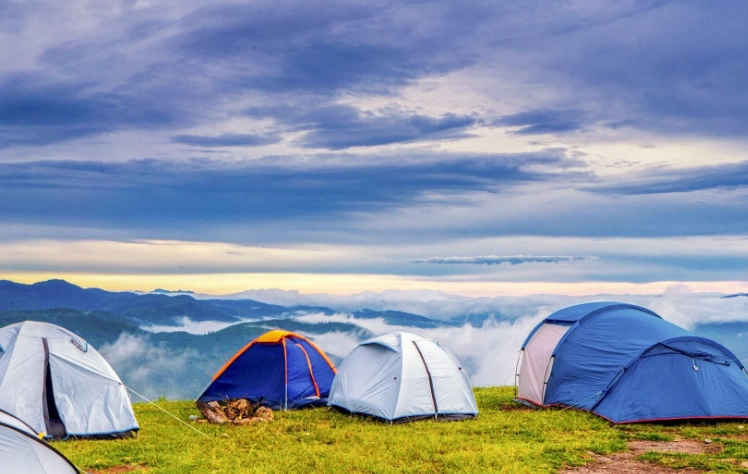
Capitalizing on the Golden Window
The timing is tricky and varies by elevation and latitude. Peak color in New England is late September to mid-October. In the Rockies, it can be mid-September. In the South, it might be late October or November. You're chasing a moving target.
Fall-Specific Warning: Daylight shrinks fast. Your 7 PM summer dinner setup now happens in near-darkness by late October. Start your camp chores earlier. Always pack a headlamp with fresh batteries.
Fall Gear Philosophy: You're essentially preparing for winter-lite. Nights get cold quickly. Your spring sleeping bag comes back out. A warm beanie and gloves, which felt silly in August, are now essential evening wear. A reliable stove becomes more important as the desire for a hot meal or drink increases. This is also prime season for unexpected early snowstorms at higher elevations, so check the forecast religiously and be prepared to turn back.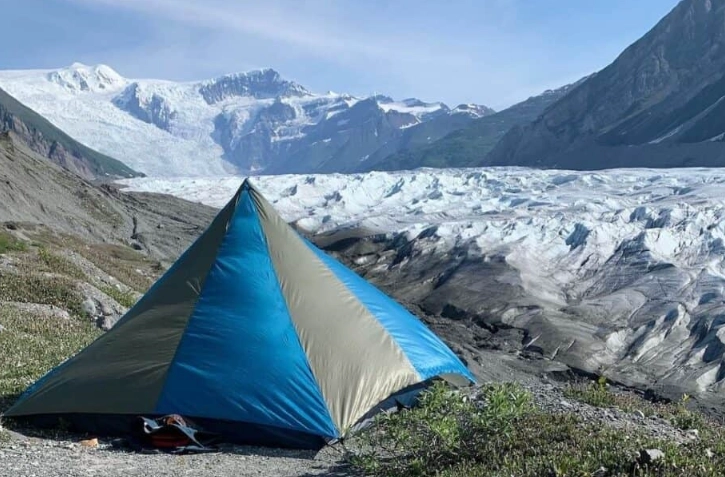
Winter Camping: The Ultimate Quiet Challenge
Winter camping transforms familiar places. The silence is profound, the stars are brilliant in the dry air, and you earn every moment of beauty. This isn't for beginners, but it's the most rewarding seasonal shift.
It's All About Managing the Cold
The core principle isn't just wearing warm clothes; it's managing moisture (sweat) and creating a warm microclimate around your body. The most common mistake I see is people bundling up in all their layers while hiking, sweating profusely, then stopping and becoming instantly chilled as that sweat evaporates.
Winter Camping Non-Negotiables:
- The Sleep System: A sleeping bag rated for temperatures at least 10°F (6°C) colder than you expect. A winter-specific sleeping pad with an R-value of 5.0 or higher. Change into a dedicated set of dry, warm base layers for sleeping – never sleep in the clothes you wore during the day.
- Water Management: Water filters can freeze and break. Keep them in your jacket or sleeping bag. Use insulated water bottle sleeves. Melt snow for water if necessary, but never eat snow directly—it lowers your core temperature.
- Four-Season Tent: A summer tent can collapse under snow load and offers little insulation. A four-season tent is stronger and has less mesh to block wind, though it can lead to more condensation.
Start with a single night in a front-country campground in mild winter conditions (temps around 20-30°F / -6 to -1°C) before attempting a deep backcountry trip.
Your Seasonal Gear Cheat Sheet
Here’s a quick breakdown of how your core system needs to adapt. Think of this as your packing list foundation.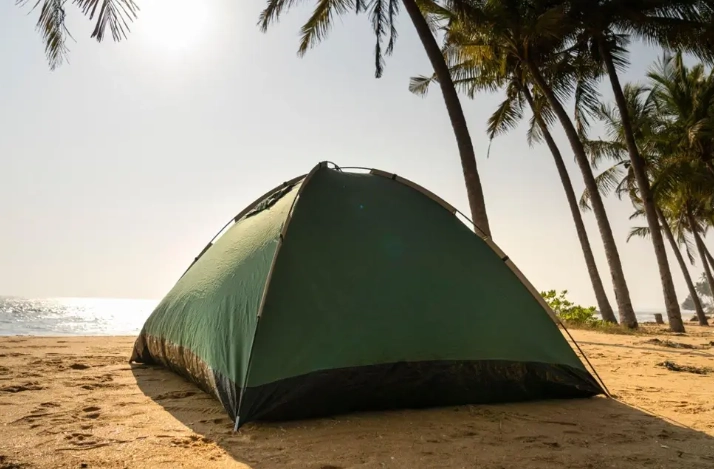
| Gear Category | Spring | Summer | Fall | Winter |
|---|---|---|---|---|
| Sleeping Bag Rating | 20°F to 35°F (-7°C to 2°C) | 35°F to 50°F (2°C to 10°C) | 15°F to 30°F (-9°C to -1°C) | 0°F to 20°F (-18°C to -7°C) or lower |
| Sleeping Pad R-Value | 3.0 - 4.5 | 1.0 - 3.0 | 4.0 - 5.5 | 5.0+ |
| Critical Clothing | Waterproof Shell, Mid-Layer, Gaiters | Sun Hat, Light Layers, Rain Jacket | Insulated Jacket, Beanie, Gloves | Insulated Parka, Balaclava, Heavy Gloves, Vapor Barrier Socks* |
| Tent Type | 3-Season, Full Rainfly | 3-Season, High Ventilation | 3-Season or 4-Season | 4-Season |
| Biggest Threat | Wet Cold & Mud | Heat & Crowds | Rapidly Dropping Temps | Hypothermia & Frostbite |
*A pro-tip for multi-day winter trips: wearing thin vapor barrier liner socks inside your wool socks prevents sweat from soaking your insulation, keeping your feet dramatically warmer.
Seasonal Camping Questions Answered
What's the most common mistake people make when choosing a sleeping bag for cold-weather camping?
They look at the temperature rating and think "that's the temperature it will keep me warm at." In reality, those ratings are survival ratings, often for an average man. If you're a cold sleeper (like most people), you need a bag rated for 10-15 degrees Fahrenheit colder than the lowest expected temperature. Also, a bag's loft compresses over time, losing warmth. An old 20°F bag might only be good to 35°F now.
How do you prevent condensation from building up inside a tent in cold or wet seasons?
Ventilation is the only answer, even when it's cold outside. Crack the rainfly vents or open a door corner. The moisture from your breath has to go somewhere. If you seal the tent up tight, it will condense on the cold walls and rain down on you. Yes, letting in a bit of cold air feels counterintuitive, but a slightly cooler, dry tent is far better than a warmer, wet one. A small microfiber towel to wipe down walls in the morning is a lifesaver.
Is it safe to use a portable propane heater inside a tent?
Absolutely not. Never, ever use a fuel-burning heater (propane, butane, white gas) or run a stove for warmth inside an enclosed tent or vestibule. The risk of carbon monoxide poisoning is extremely high and deadly. They also pose a massive fire hazard. The only safe way to add heat is with electric gear powered by a large, safe battery pack, like an electric blanket designed for outdoor use, and even then, you must follow the manufacturer's instructions to the letter.
For a beginner wanting to try camping outside of summer, which season should they start with?
Start with fall. Pick a weekend in early autumn where nighttime lows are forecast in the 40s°F (4-9°C). The days are still pleasant, the weather is generally stable, and you can practice using your layering system and a warmer sleep system without the extreme challenges of deep cold or spring mud. Do a single night at a drive-in campground close to home as a shakedown. It's the perfect low-stakes introduction to three-season camping.
The rhythm of the year offers a different camping cadence for each season. It asks more of you as the temperature drops, but it gives back so much more in return—solitude, unique beauty, and the deep satisfaction of being comfortable in the outdoors when most have retreated indoors. Don't pack up your gear after Labor Day. Look at the calendar, check the forecast, and see what the next season has in store. You might just find your new favorite time to be outside.