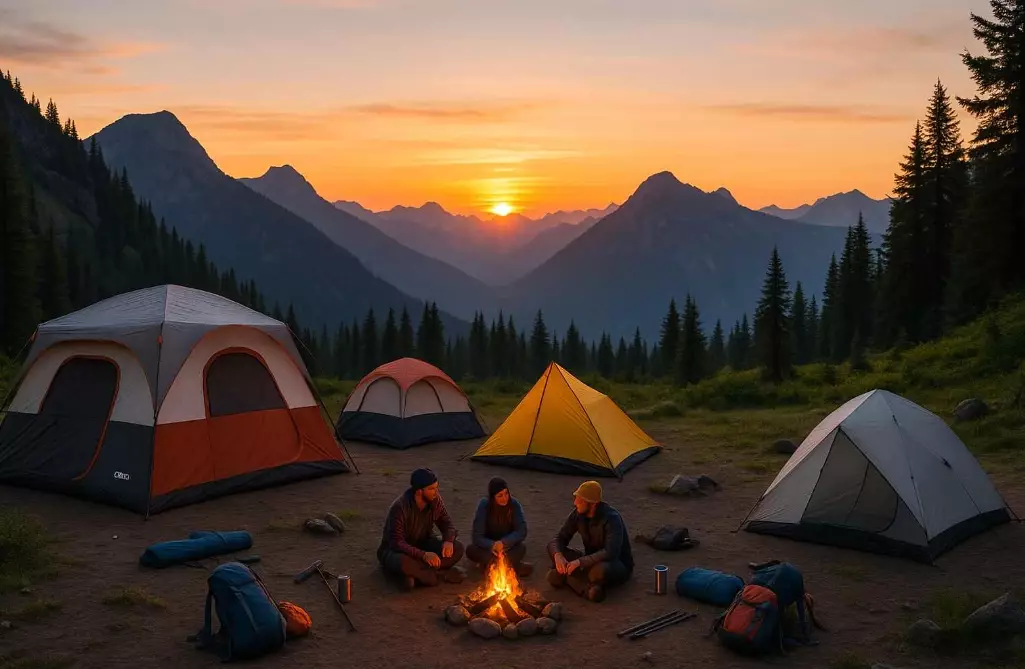
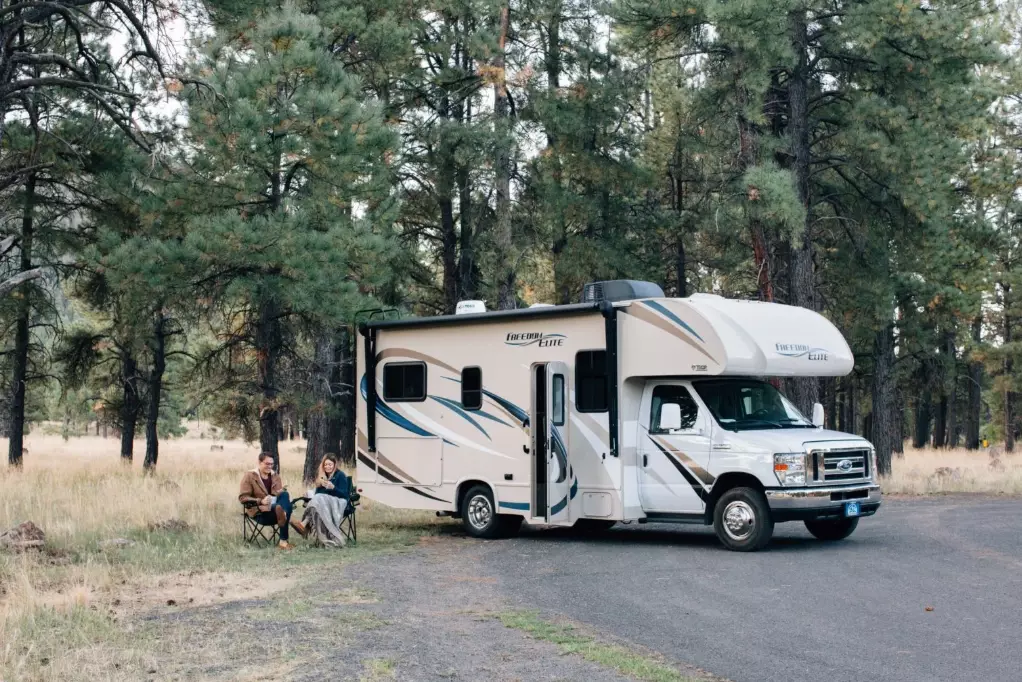
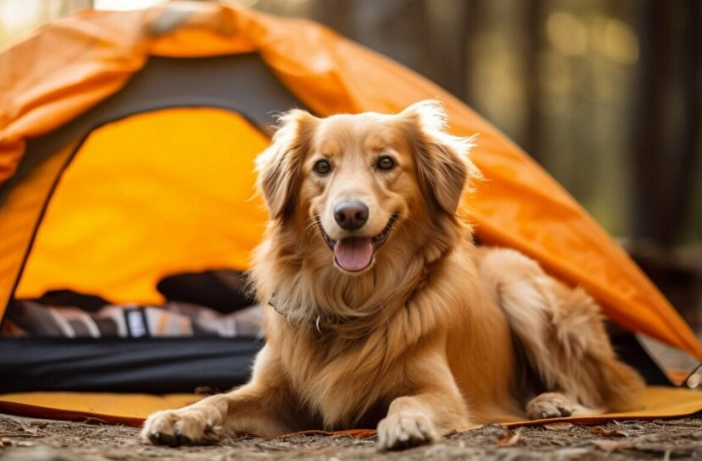
There's something about waking up to the glassy surface of a lake, the first rays of sun turning the water gold, and the sound of a loon calling in the distance. Lake camping isn't just pitching a tent near water; it's a full-sensory reset. But between that dream and reality lies a gap filled with questions: Where should I go? What should I pack? How do I deal with the bugs?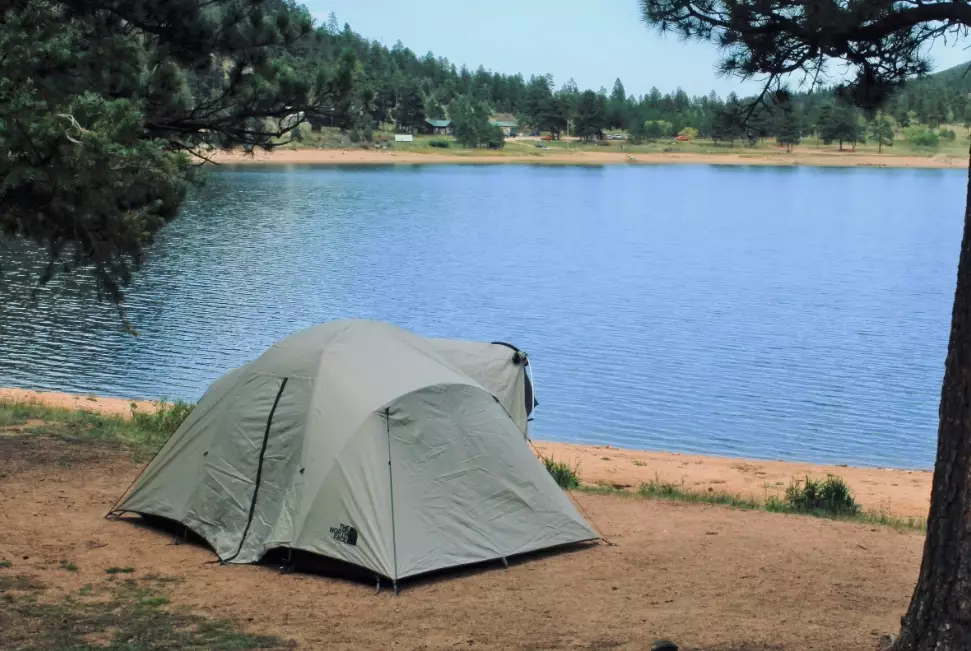
I've spent over a decade chasing that perfect lakeside morning, from the crowded shores of popular national parks to hidden gems on Forest Service land. I've also made every mistake in the book—forgotten critical gear, picked terrible sites, and been eaten alive by mosquitoes. This guide is the result. It's not a fluffy list of obvious tips. It's the practical, sometimes gritty, knowledge you need to plan a lake camping trip that's actually relaxing and memorable.
Quick Navigation: Your Lake Camping Blueprint
Finding Your Perfect Lake: A Spot for Every Style
Not all lake campgrounds are created equal. Your ideal spot depends entirely on what you want from the trip. Are you after fishing, paddling, swimming, or just pure quiet? Let's break down a few iconic types.
For the First-Timer or Family: The Developed Gem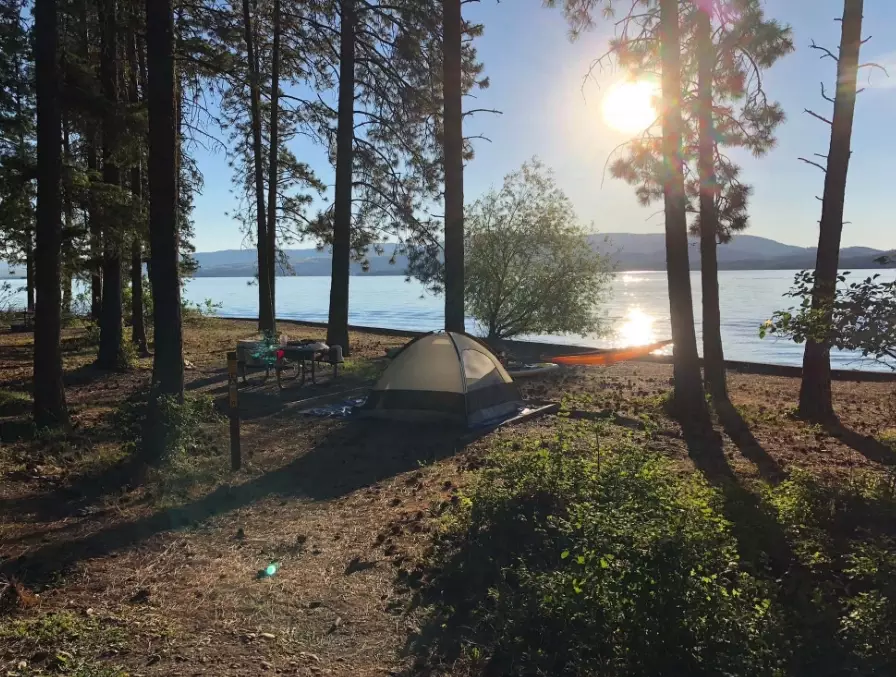
Think flush toilets, potable water spigots, and likely a camp store. These places remove stress. A prime example is the Lake Tahoe Basin area in California/Nevada. Campgrounds like Nevada Beach or DL Bliss State Park offer stunning Sierra Nevada views with amenities. You'll need to book months in advance on Recreation.gov. The trade-off? You'll have neighbors.
Another fantastic option is the Lake District National Park in the UK. Sites near Derwentwater or Buttermere provide that classic pastoral lake view with easy access to villages like Keswick for supplies. It's managed by the National Trust, and booking ahead is non-negotiable.
For the Seeker of Solitude: The Backcountry Lake
This is where the magic gets real. You hike or paddle in, carrying everything. The Boundary Waters Canoe Area Wilderness (BWCAW) in Minnesota is the holy grail. You secure a permit via a lottery system, paddle across chains of lakes, and camp on remote, designated sites. The silence is profound. Resources like the official BWCAW website managed by the U.S. Forest Service are your bible for planning.
In Canada, Algonquin Provincial Park in Ontario offers a similar, slightly more accessible experience with both drive-in and paddle-in sites on its countless lakes.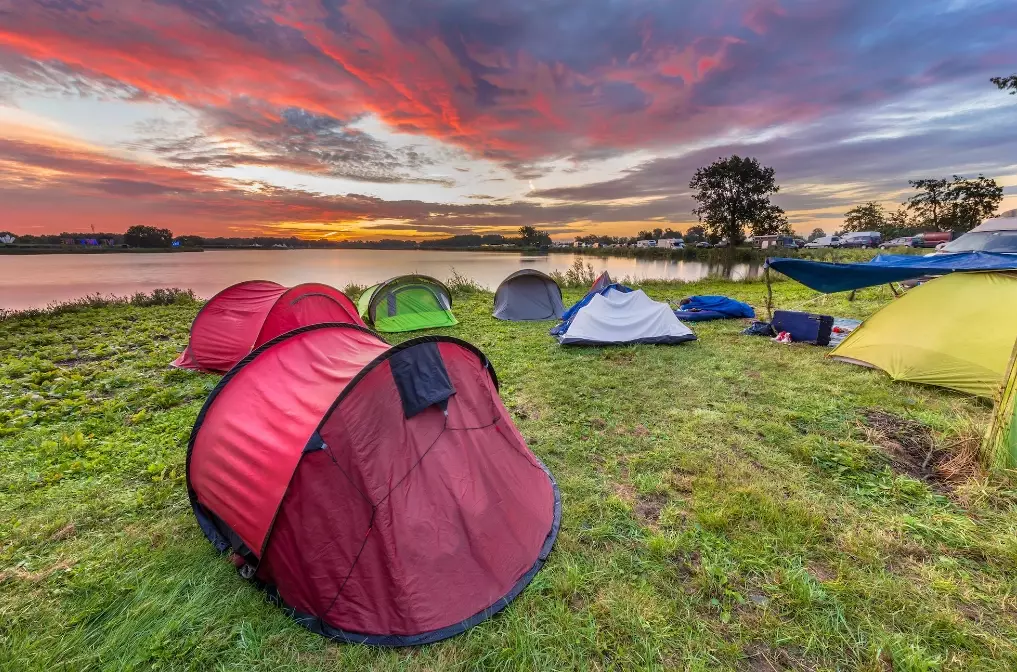
Pro Tip Nobody Tells You: Don't just book a site "on the lake." Look at the campground map. Is your site 20 feet from the water with a gentle slope, or is it 100 yards away down a steep, rocky path? That walk for water, with kids or gear, gets old fast. Call the ranger station if the map isn't clear. A real human can tell you, "Site 45 has the best beach access."
The Non-Negotiable Lake Camping Gear List
Forget the generic lists. Lake camping demands specific items. Here’s what often gets missed.
| Category | Essential Item | Why It's Critical for Lakes |
|---|---|---|
| Footwear | Water Shoes or Old Sneakers | Lake shores are rocky, muddy, and slippery. Protect your feet for wading and exploring. Sandals won't cut it. |
| Sleep System | Sleeping Pad with High R-Value | Cold air settles over water. The ground near a lake is often 10+ degrees colder than inland. A summer pad will leave you shivering. |
| Bug Defense | Thermacell Device & Permethrin | Mosquitoes breed in still water. A layered defense (treated clothes, repellent on skin, area repellent at camp) is the only way. |
| Water Fun | Inflatable Kayak or Stand-Up Paddleboard | Transforms the experience. Inflatables pack small. Gliding on the lake at sunrise is unbeatable. |
| Camp Comfort | Compact Camp Chairs | You'll want to sit and stare at the water for hours. Don't rely on logs or the ground. |
| Safety | Personal Flotation Devices (PFDs) | Non-negotiable for anyone going on the water, regardless of swimming ability. Cold water can shock. |
My biggest personal gear fail? I once brought a cheap, thin sleeping pad to a high-alpine lake in July. By 2 AM, I was wearing every piece of clothing I owned, still freezing. The moisture from the lake just sucked the heat right out of me. Invest in a good pad.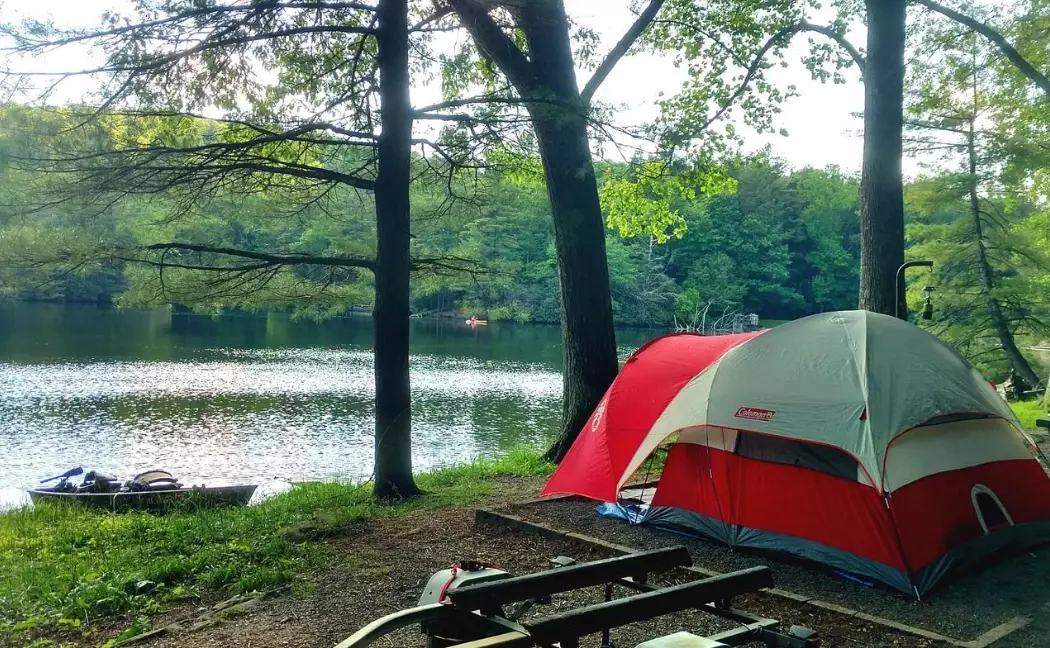
How to Set Up Camp for Maximum Enjoyment (and Minimum Hassle)
Where you place things matters more than you think.
Pitch your tent on high, flat ground, even if it's a few extra steps from the water's edge. That low, picturesque spot is the first to collect dew, morning fog, and if it rains, water. A damp tent ruins a trip.
Face your tent door towards the water, but not the east if you're not a 5 AM riser. That glorious sunrise will turn your tent into a sauna by 6:30 AM. Southeast is a good compromise.
Create a "clean zone" and a "wet zone." Designate a spot near the water for rinsing feet, cleaning dishes (200 feet from the shore, using biodegradable soap!), and storing wet gear like life jackets and water shoes. Keep your tent, dry clothes, and food prep area in the clean, dry zone up the slope. This simple organization prevents everything from becoming damp and sandy.
Making it Work: Lake Camping with Kids
This can be the best family memory or a stressful mess. The goal is to lower your expectations and lean into simplicity.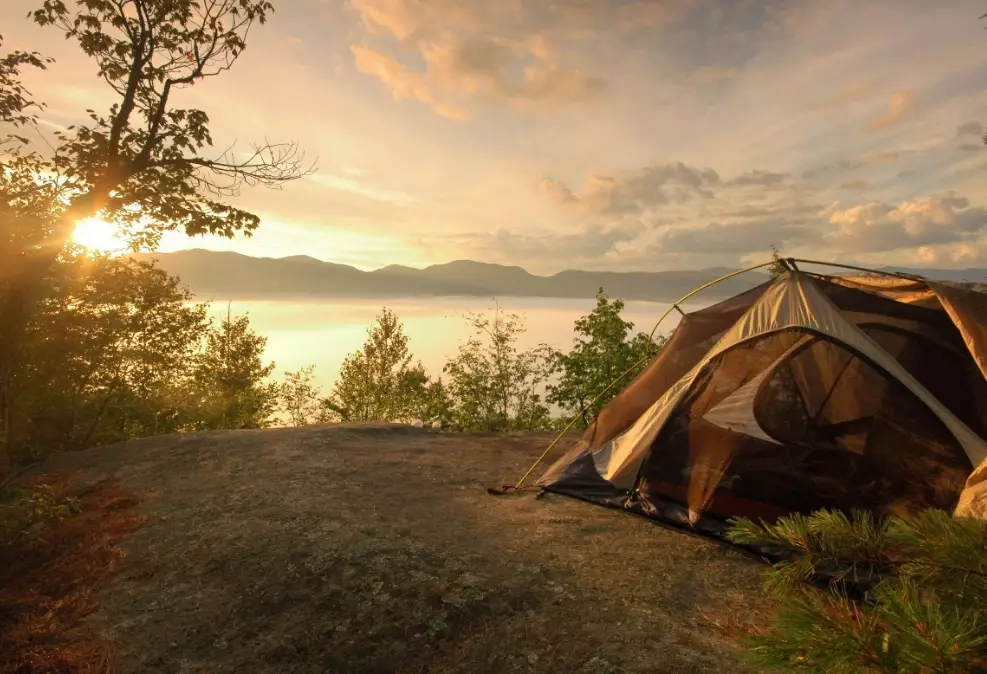
Choose the right campground. For the first trip, pick a developed one with amenities. The novelty of a flushing toilet is a win, not a cheat.
Establish the "Life Jacket Zone." The rule is simple: if you are within 10 feet of the water's edge, your life jacket is on. No debates. It gives you peace of mind so you can relax, and it becomes a habit for them.
Pack activities that use the lake. A bucket, a net, and a magnifying glass for looking at critters. A bag of plaster of Paris to make animal track casts in the mud. Skipping stones. These cost nothing and hold attention far longer than a tablet.
Bring way more snacks than you think you need, and familiar comfort foods. A kid eating a pop-tart by the lake is happier than a kid refusing gourmet campfire quinoa.
The Lake Camper's Code: Leaving It Better Than You Found It
Lakes are fragile. Our impact is magnified because everything drains into the water. This goes beyond packing out trash.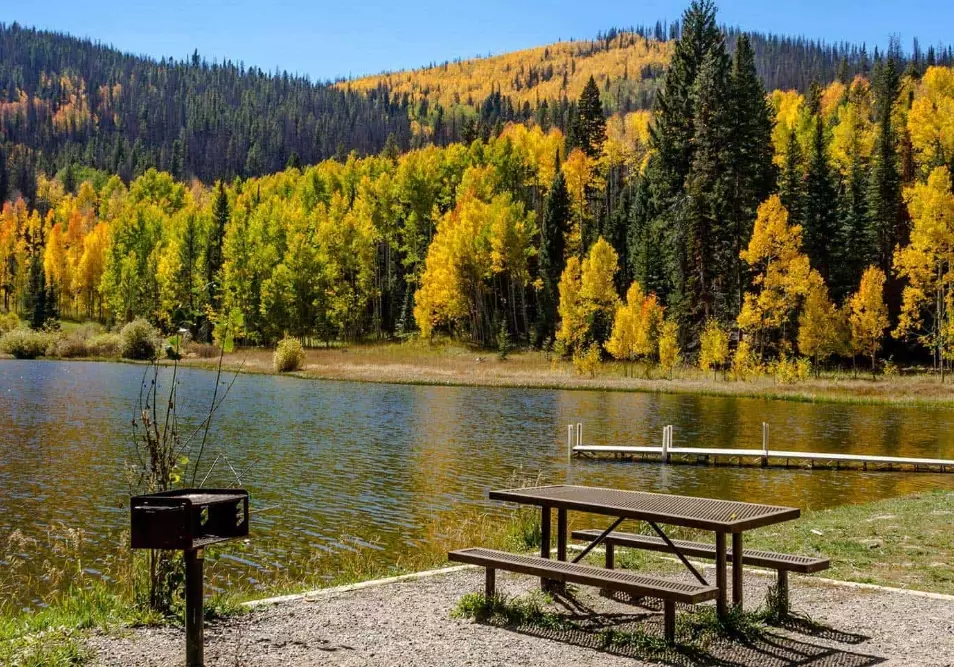
- Never soap up in the lake. Not even "biodegradable" soap. Wash yourself and dishes 200 feet away from the shore, using minimal soap, and scatter the grey water.
- Use established fire rings. Don't create new ones. Keep fires small and burn only downed wood you can break by hand.
- Check for invasive species. If you're bringing a boat or gear from another body of water, clean, drain, and dry it thoroughly to prevent spreading zebra mussels or milfoil. Many states have mandatory check stations.
I once watched a group "wash their dishes" right in the lake with a big squirt of soap. It made me cringe. That soap film kills tiny organisms and pollutes the very beauty they came to enjoy. It's a silent, selfish act.
Your Lake Camping Questions, Answered
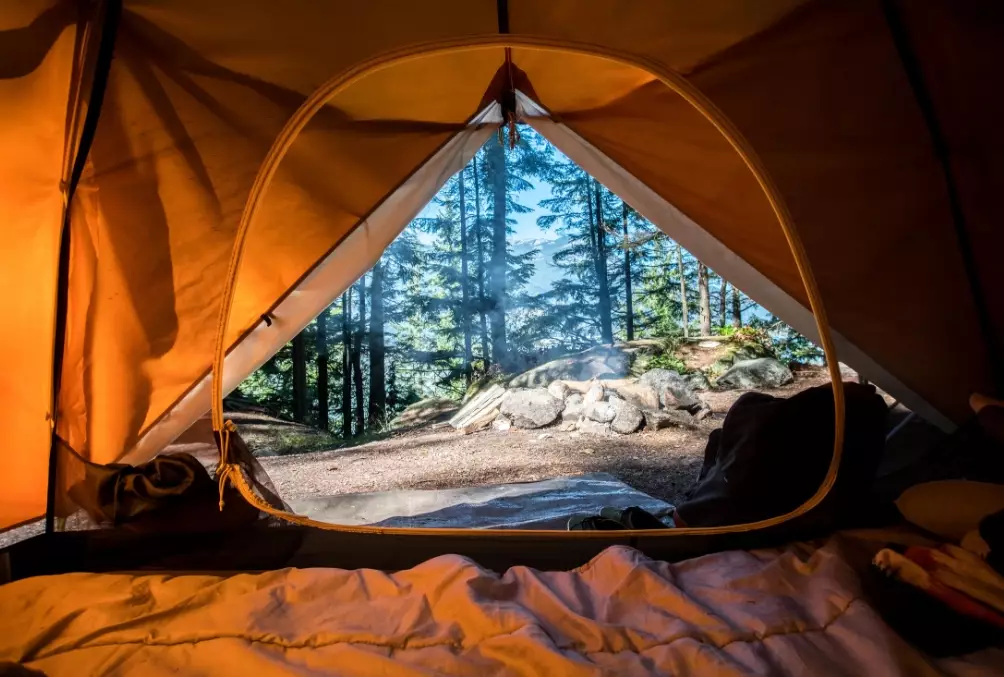 The shimmer of a lake at dusk, the crackle of a fire, the feeling of being fully present—that's the reward. It takes a bit more thought than your average camping trip, but the payoff is infinitely greater. Use this guide as your starting point, then go make your own memories (and maybe a few minor mistakes) by the water. Just remember the water shoes.