Your Quick Camping Hacks Guide
Let's be honest. Camping can be a mixed bag. You've got the stunning sunsets, the crisp air, the crackle of the fire. And then you've got the forgotten can opener, the soggy socks, and the tent pole that suddenly speaks a language you don't understand. That's where camping hacks come in. They're not about buying the fanciest gear (though good gear helps). They're about clever, simple tricks that smooth out the rough edges of outdoor life.
I've spent more nights in a tent than I can count, and I've made every mistake in the book. Forgotten the tent stakes. Underestimated the cold. Tried to cook a gourmet meal with a single spork. It's from those experiences that the best camping hacks are born. They're the little victories that turn a trip from "surviving" to truly enjoying.
Mastering the Pre-Trip Phase: Packing & Planning Hacks
Most camping headaches start before you even leave the driveway. Poor planning leads to frantic searches and "I wish I had..." moments. A few smart camping organization tips here make all the difference.
The Art of the Master List (And Why You Need One)
I resisted this for years. I thought I could remember everything. I was wrong. A master packing list is the single most valuable camping hack you can adopt. Don't just write "kitchen." Break it down. Stove, fuel, lighter, pot, pan, spatula, plates, bowls, mugs, sponge, soap, towel, can opener, bottle opener, spices, oil... you get the idea.
Create your list digitally (I use a simple note-taking app) so you can edit and refine it after each trip. The real pro move? Organize your list in the order you pack your car or bins. Group items by where they'll be stored: Kitchen Bin, Sleep System Bin, Clothing Bag, etc.
Gear Organization Hacks That Actually Work
Once you have your stuff, keeping it organized in camp is the next battle. Chaos breeds lost items and frustration.
- The Cord Management Miracle: Headlamps, lanterns, phone cables—they tangle into a nest instantly. Get a small, cheap pencil case or a reusable silicone bag (like a Stasher bag) for every person. All their small electronics and cords go in their personal bag. Game changer.
- Repurpose Those Tic Tac Boxes: Empty, clean Tic Tac containers are perfect for small amounts of spices (salt, pepper, garlic powder), matches, or fishing hooks. They're waterproof and tiny.
- Pack Your Clothes in Packing Cubes, Even in a Car: This feels like overkill until you try it. One cube for tops, one for bottoms, one for underwear/socks. When you're rummaging for a dry shirt at night, you're not upending your entire backpack or duffel. It also makes repacking to go home infinitely easier.
Ever arrived at camp and realized you packed the tent but not the rainfly? Or the stove but not the fuel canister? A final visual check can save your trip. Lay out all your major system components together on the floor before packing the car: Tent, poles, rainfly, stakes. Stove, fuel, pot. Sleeping bag, pad, pillow. It takes five minutes and catches those critical omissions.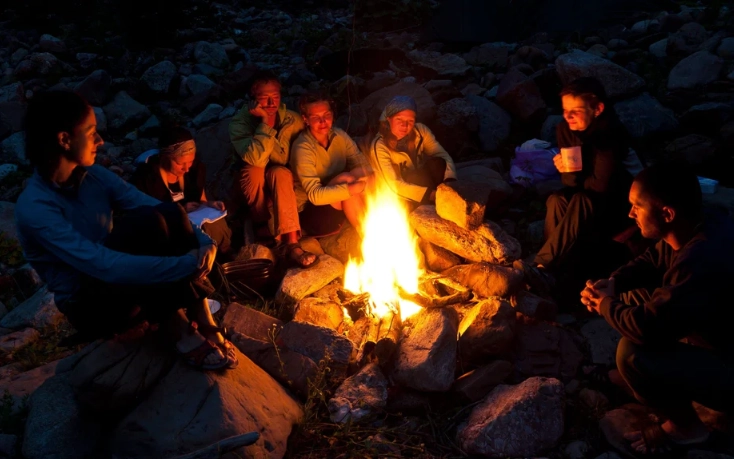
Setting Up Camp: From Stressful to Serene
You've arrived. The key now is to set up efficiently so you can start relaxing sooner. These are some of my favorite practical camping hacks for the setup phase.
Choosing and Prepping Your Site
Scout the site before you unload everything. Look for high, flat ground to avoid pooling water if it rains. Check for overhead hazards (dead branches, "widowmakers"). Note where the sun will rise—if you want early warmth, face the tent door east. If you want to sleep in, face it west or north.
Clear the ground of sharp rocks and pine cones where your tent will go. Not only is it more comfortable, it protects your tent floor. I always carry a small, cheap whisk broom and dustpan for this exact job. Sweep the area clean.
Tent & Shelter Tricks
Practice pitching your tent at home once before the season starts. It reminds you of the steps and reveals any missing parts. It's a boring but vital hack.
Here's a simple one that prevents a lot of grief: put a cheap, durable ground tarp (a "footprint") under your tent. But—and this is crucial—make sure it's smaller than the tent's floor. If it sticks out, rainwater will run off the tent, hit the tarp, and flow right underneath you, creating a perfect puddle under your sleeping bag. Tuck that tarp fully under the tent floor.
Lost a tent stake bag? Use an old stuff sack or a rubber band to keep them together. To make stakes easier to pull in hard ground, angle them at about 45 degrees away from the tent, not straight down.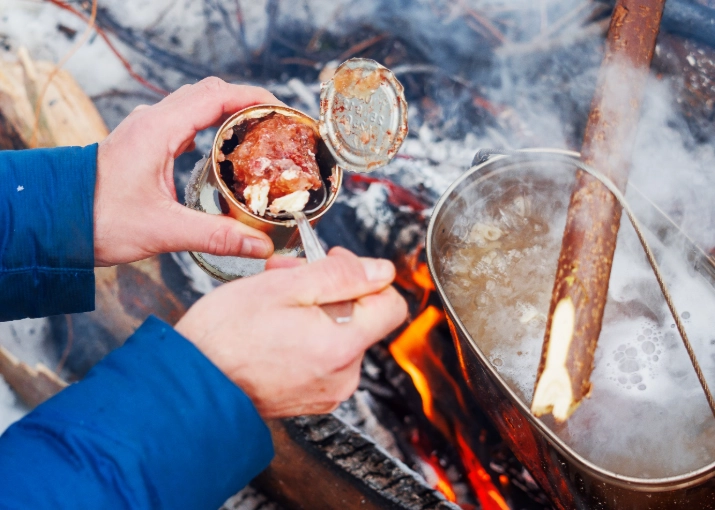
The Camp Kitchen: Cooking Hacks That Save Time & Sanity
Camp cooking shouldn't feel like a survival challenge. With a few smart camping gear hacks, you can eat well with minimal fuss.
Meal Prep Is Your Best Friend
Do as much prep at home as you can. Chop vegetables and store them in zipper bags. Pre-mix dry ingredients for pancakes or seasonings for foil-packet dinners. Pre-cook rice or pasta at home—it reheats in minutes on the camp stove. This reduces the number of tools you need at camp and the amount of garbage you generate.
My go-to first-night meal is always a pre-made chili or stew, frozen solid in a container. By the time I get to camp and set up, it's thawed enough to heat through. It's a hot, hearty meal with almost zero effort, which is exactly what you want after a long drive and setup.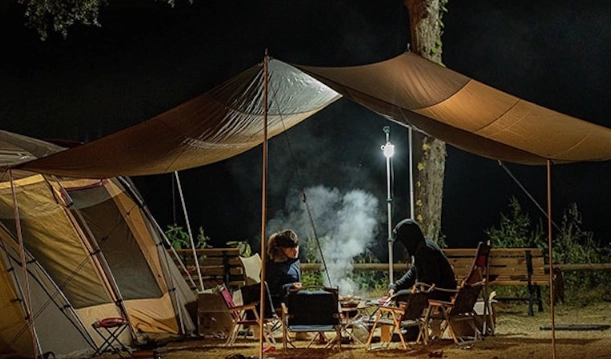
Essential Gear Hacks for Cooking
- The DIY Windshield: Wind is the enemy of efficient stove use and consistent heat. You can buy fancy windshields, or you can just use a metal grate from a toaster oven or a piece of aluminum foil bent into a semi-circle around your stove. It makes a huge difference in fuel consumption and cooking time.
- Repurpose a Egg Carton for Fire Starters: Fill the cups of a cardboard egg carton with dryer lint or sawdust, pour melted candle wax over each, and let it harden. Tear off individual cups. They're fantastic, long-lasting fire starters that are basically free to make.
- Keep Your Cooler Colder, Longer: Pre-chill your cooler with a bag of ice for a few hours before you pack it. Pre-freeze your food and drinks where possible—they act as extra ice blocks. Use block ice instead of cubes; it melts much slower. Keep the cooler in the shade, and minimize how often you open it. Every time you root around for a soda, you let the cold air out.
Let's talk about cleanup, because nobody likes it. Biodegradable soap is a must for washing away from water sources. I like Dr. Bronner's because it's concentrated and can be used for dishes, hands, and even a bit in a solar shower. A collapsible sink or even a large, sturdy plastic bag makes washing easier. Use a strainer to catch food scraps, pack those scraps out in your trash, and dispose of the gray water at least 200 feet from any lakes or streams, as per US Forest Service camping guidelines.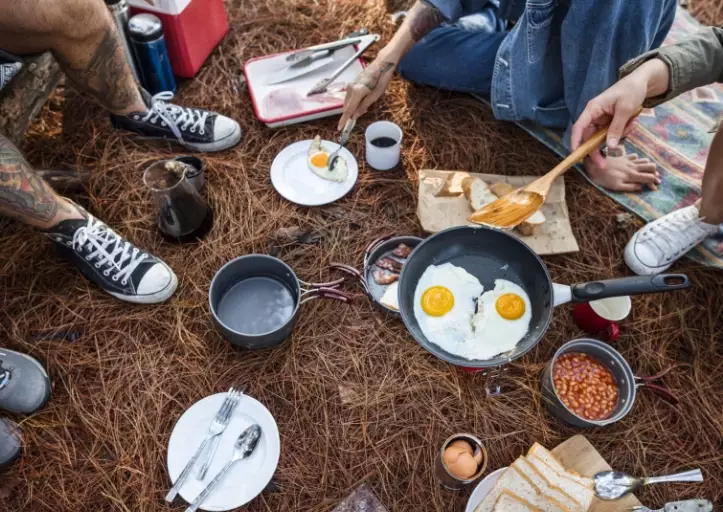
Staying Comfortable & Solving Common Problems
This is where camping hacks for beginners really shine. Solving the little annoyances is what makes a trip feel comfortable, not just tolerable.
Sleep Comfortably, No Matter What
A good sleeping pad is more important than a fancy sleeping bag for warmth. You compress the bag underneath you, losing its insulation. The pad provides the crucial barrier against the cold ground. Inflatable pads are comfy but can pop. Foam pads are bombproof but bulky. Your choice.
If you're cold at night, put on a dry base layer and a hat. A lot of body heat is lost through your head. A simple fleece beanie makes a massive difference. Fill a durable water bottle with hot (not boiling) water and put it in the foot of your sleeping bag.
Wool or synthetic layers for sleeping are the way to go. They keep you warm even if they get damp. For a deep dive on sleep systems and staying warm, REI's expert advice section is an excellent, trustworthy resource.
Lighting, Bugs, and Moisture
Hang a headlamp or a battery-powered lantern facing downward into a translucent jug of water (like a milk jug). It diffuses the light beautifully, creating a soft, ambient lantern for the whole picnic table. Much nicer than a blinding LED beam in your face.
For bugs, a simple trick is to set up your camp where a breeze is likely—bugs hate wind. A little fan at the picnic table can work wonders. For mosquitoes, a Thermacell device is effective, but always check if the repellent mats are allowed in the area you're visiting.
Moisture management is huge. Nothing feels worse than damp gear. Put a few big silica gel packets (the ones that come in shoe boxes) in your gear bins to absorb ambient moisture. Always air out your sleeping bag and tent in the sun before packing them away for the long term. Mildew is a gear killer.
Leave No Trace & The Responsible Exit Strategy
Your trip isn't over when you pack the car. How you leave the site matters. This is less of a "hack" and more of a mandatory ethic, but it's worth framing as the ultimate camping hack for preserving these places for others.
Pack out all your trash. Every wrapper, every bit of food scrap, every bottle cap. Have a dedicated, sturdy trash bag system. I use a 5-gallon bucket with a lid as my camp trash can. It's animal-resistant and contains smells.
Dealing with human waste depends on the location. Many developed campgrounds have toilets. In the backcountry, you'll often need to use a "cat hole" dug 6-8 inches deep, at least 200 feet from water, trails, and camp. Pack out your toilet paper in a dedicated bag (like a zip-top bag inside a reusable opaque bag). It's not glamorous, but it's essential. The Leave No Trace Center for Outdoor Ethics has the most detailed and updated guidelines on this and every other principle.
Here’s a quick comparison of common waste disposal methods, because choosing the wrong one is a major headache:
| Waste Type | Best Disposal Method | Why It Works | Common Mistake |
|---|---|---|---|
| Food Scraps & Grease | Pack out in a sealed container or bag. For grease, let it solidify in a can and pack out. | Prevents attracting animals to camp and protects wildlife health. | Burying or burning it (animals will dig it up). |
| Wet Trash (Food Cans, etc.) | Rinse lightly (away from water source), crush, and pack out in a dedicated bag. | Reduces smell and volume in your pack or car. | Leaving unrinsed cans to smell up the entire vehicle. |
| Toilet Paper (in backcountry) | Pack out in a dedicated "wag bag" or double zip-top bags. | It simply does not decompose quickly in many environments. Packing it out is the only surefire LNT method. | Burying it (animals dig it up, it surfaces later). |
| Wastewater (Gray Water) | Strain food bits, pack them out. Disperse water widely, 200+ ft from water sources. | Prevents contamination of lakes/streams and avoids creating a muddy mess at camp. | Dumping it right next to the tent or fire pit. |
Before you drive off, do a final "police sweep" of your site. Walk a slow grid pattern looking for micro-trash: bottle caps, twist ties, bits of foil. Check the fire pit for unburned trash. Make sure your fire is cold to the touch—drown it with water, stir the ashes, drown it again.
Answering Your Camping Hacks Questions
Over the years, I've been asked a lot of specific questions. Here are answers to some of the most common ones that tie directly into using clever camping hacks.
In the end, the best camping hacks are the ones that become second nature. They're the little routines and tricks that fade into the background, leaving you more mental space to enjoy the stars, the conversation, and the quiet. It's not about having a perfect, Instagram-ready camp. It's about having a functional, comfortable base that lets you focus on why you came out here in the first place. Start with a master list, get organized with bins, prep your meals, and always, always think about how to leave the place untouched. The rest is just details you'll figure out along the way. Now get out there.