You've packed the tent, the sleeping bag, the marshmallows. You're ready for that perfect night under the stars. But are you ready for the wildlife? Most campers think wildlife safety starts and ends with hanging a food bag. That's the first mistake, and it's a big one. True safety is a mindset that begins before you leave your house and follows you every step of the way into the backcountry. It's not just about avoiding a scary encounter; it's about respecting the animals that live there, protecting their home, and ensuring they remain wild.
I remember my first solo trip in grizzly country. I had a bear canister, I knew the theory. But the reality of being alone, hearing every twig snap, was different. That experience taught me more than any pamphlet. This guide is built on those real-world lessons, the subtle errors most guides miss, and the non-negotiable practices that keep both you and the wildlife safe.
What You'll Learn in This Guide
The Three Non-Negotiable Core Principles
Forget the long list of rules for a second. If you internalize these three ideas, 90% of your safety is handled.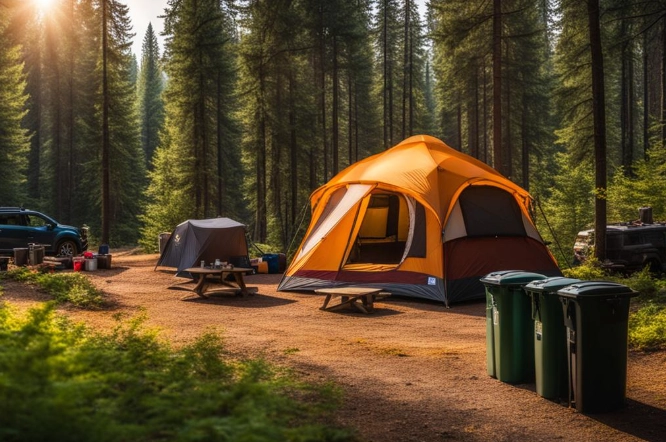
1. You Are a Visitor in Their Home
This isn't a zoo or a park. It's a functioning ecosystem where animals hunt, forage, and raise young. Your presence should be as minimal and unobtrusive as possible. Making loud noises to "scare animals away" all the time is disruptive. The goal is predictable, calm passage, not domination.
2. A Fed Animal is a Dead Animal
This is the golden rule from the National Park Service. It sounds dramatic, but it's tragically true. An animal that learns to associate humans with food loses its natural fear. It becomes a "problem animal" that raids camps, approaches people, and often ends up being euthanized for public safety. Your food management isn't just for you; it's a life-or-death matter for them.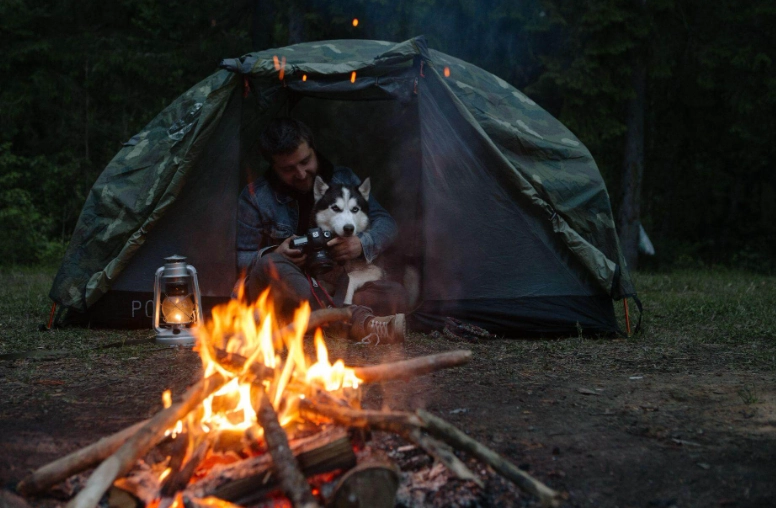
3. Your Safety is Your Responsibility
Rangers aren't babysitters. Regulations like mandatory bear canisters exist because they work. Ignoring them puts everyone at risk—you, other campers, and the animals. Taking responsibility means researching the specific risks of your camping area before you go.
Specific Strategies for Bears, Cougars & More
Different animals require different approaches. A one-size-fits-all strategy can get you into trouble. Here’s a breakdown of the major players and how to think about them.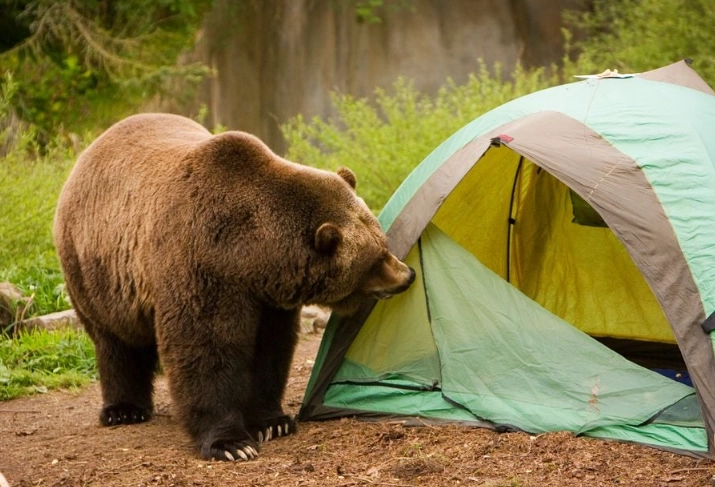
| Animal | Primary Risk | Key Safety Distance | Core Strategy |
|---|---|---|---|
| Black Bear | Food attraction, defensive cubs | 50+ yards (45+ meters) | Aggressive deterrence. Make yourself big, loud, and scary. Fight back if attacked. |
| Grizzly/Brown Bear | Surprise, defense of food/cubs | 100+ yards (90+ meters) | De-escalation. Play dead if it's a defensive attack. Fight back only if it's predatory. |
| Mountain Lion (Cougar) | Predation (rare), especially on children/pets | Do not turn your back. Maintain eye contact. | Appear large and threatening. Never run. Fight back aggressively if attacked. |
| Coyote & Fox | Scavenging, curiosity, potential rabies | Do not allow approach. | Hazing. Yell, throw rocks or sticks near them. Reinforce their fear of humans. |
| Rodents (Mice, Raccoons) | Food theft, gear damage, disease (Hantavirus) | N/A | Impeccable food and trash storage. They are the ultimate test of your camp hygiene. |
Notice the critical difference between bears? Getting it wrong—playing dead for a predatory black bear or fighting a defensive grizzly—can be disastrous. Always check with local ranger stations to know which species are active in your area.
The Food Storage Deep Dive (Beyond the Bear Bag)
This is where most campers fail, even experienced ones. Food storage isn't a single action; it's a system.
The Triangle Rule: Imagine your camp as three points of a triangle, each at least 100 yards (about 90 meters) apart.
- Point 1: Where you sleep (tents, hammocks).
- Point 2: Where you cook and eat.
- Point 3: Where you store all smellables (food, trash, toiletries, even your toothpaste and sunscreen).
Wind direction matters more than you think. Store your food downwind of your sleeping area. I've seen a perfectly hung bear bag get investigated because the camper slept upwind of it, carrying scents directly to their tent all night.
Storage Method Showdown
Bear Canisters: The gold standard in many parks. They're bulky and heavy, which is the point—you can't cheat. Brands like BearVault or Garcia are tested and approved. Place it on flat ground 50+ yards from camp. Don't hide it; just set it out in the open.
Ursack-style Bags: Lightweight, flexible bags made of super-strong material. They prevent animals from getting the food, but a determined bear can still crush the contents inside. Better than a stuff sack, but check local regulations—many high-risk areas require hard-sided canisters.
The Classic Bear Hang: Often done poorly. It needs to be 10 feet off the ground, 4 feet from the trunk, and 4 feet from the branch it's hung from. In many forests, finding a perfect branch is nearly impossible. If you can reach it with a thrown rock, so can a bear.
Setting Up a Wildlife-Smart Camp
Location is everything. Avoid obvious animal highways like game trails, creek beds, or berry patches. Look for signs—scat, tracks, dug-up earth. If you see them, camp somewhere else.
Keep a clean camp from the moment you arrive. That means:
- No cooking in or near your tent. Ever.
- Wash dishes immediately, strain food particles from the wastewater, and scatter the water at least 100 yards from camp. Pack out the strained particles with your trash.
- All trash goes immediately into your smell-proof bag or canister. Not in your pocket, not under a rock.
What about at night? The classic advice is to keep a flashlight and bear spray nearby. But here's a less common tip: sleep with your car keys if you're at a drive-in site. Pressing the panic button can be a brilliant, startling noise deterrent in an emergency.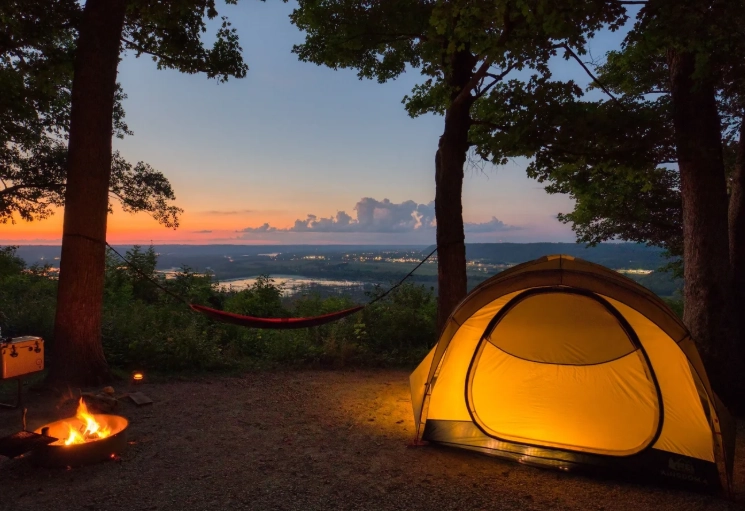
What To Do If You Have a Wildlife Encounter
Stay calm. Easier said than done, but panic makes everything worse. Most animals want to avoid you.
For Bears:
Talk calmly and firmly. Back away slowly, never run. Running triggers a predator's chase instinct. If you have bear spray, have it ready (not tucked away). If it's a grizzly and makes contact in a defensive attack (you surprised it), play dead: lie on your stomach, hands clasped behind your neck, legs spread to make it harder to flip you. Stay still until you are sure the bear has left.
For Mountain Lions:
Make eye contact. Do not crouch or turn your back. Pick up small children immediately. Make yourself look big—open your jacket, raise your arms. Throw rocks or sticks if it approaches. Convince it you're dangerous, not prey.
For Everything Else:
Give them space and an exit route. Never corner an animal. For persistent small animals like coyotes, be big and loud until they leave.
The goal is always to end the encounter with the animal moving away, not feeling threatened or rewarded.
Your Wildlife Safety Questions Answered
Is bear spray really necessary, or is a bear bell enough?
How should I handle food and trash while backpacking in areas with lots of rodents?
What's the one piece of wildlife safety advice most people ignore but is critical?
Are there specific precautions for camping with dogs or children?
What should I do if I accidentally leave a food wrapper in my tent?