Quick Guide
- The Quick Answer (Before We Dive Deep)
- Breaking Down the Real Cost of RV Travel
- Breaking Down the Real Cost of Hotel Travel
- Side-by-Side Cost Comparison: A 7-Day Trip for a Family of Four
- When RVing is Almost Always Cheaper
- When Hotels (or Alternatives) Are Usually the Better Deal
- Beyond Money: The Value of Experience & Convenience
- FAQs: Your Burning Questions Answered
- The Final Verdict: How to Decide for Your Trip
Let's cut to the chase. The question "Is it cheaper to RV or stay in hotels?" pops into the head of anyone planning a road trip. You see those glossy RV ads promising freedom and savings, then you look at hotel prices and wonder. The short answer? It depends. It depends on a ton of factors you might not have considered yet.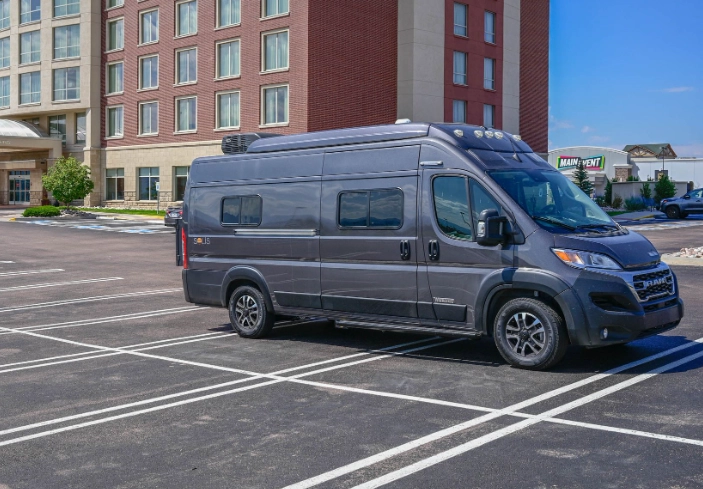
I've done both. I've spent nights in a cramped RV parking lot listening to generators hum, and I've overpaid for a hotel room that smelled faintly of bleach. Neither is perfect. The real answer isn't a simple yes or no, but a math problem mixed with a personality test.
We're going to dig into the real numbers, the hidden costs, and the scenarios where one clearly wins over the other. Forget the hype. Let's talk about gas, campground fees, parking tickets, and that time I had to pay $50 for a hotel because the RV park was full.
The Quick Answer (Before We Dive Deep)
For a typical one- or two-week vacation for a family of four traveling in the US, renting an RV can often be cheaper than booking hotel rooms, if you're planning to move every few days and cook most of your own meals. For solo travelers or couples on a short trip, hotels or even Airbnb usually win on cost and convenience. For long-term travel (months), owning an RV can blow hotels out of the water, financially speaking.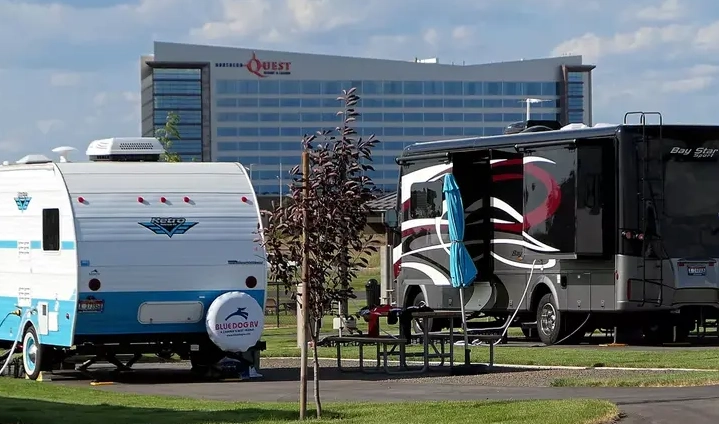
But that's just the surface. The real devil is in the details—the details most comparison articles gloss over.
Breaking Down the Real Cost of RV Travel
Thinking of RVing as just a vehicle rental is your first mistake. It's a vehicle, a hotel room, and a restaurant kitchen all in one. The costs come from all those angles.
Upfront & Fixed RV Costs
Rental or Purchase: This is the big one. A weekly rental for a decent Class C motorhome from a major outlet like Cruise America can range from $1,200 to $2,500+, depending on season and size. Peer-to-peer rentals on Outdoorsy might offer better deals but come with less standardized insurance. Buying is a whole other can of worms with depreciation, loans, and maintenance.
Insurance: Rental insurance is usually mandatory and adds $30-$60 per day. Owner insurance is a complex annual cost.
The Moving Costs (They Add Up Fast)
Fuel: This is the budget killer. Most RVs get 8-15 miles per gallon. On a 1,000-mile trip, you could be spending $400-$800 on gas alone. When fuel prices spike, your entire budget calculation shifts.
Mileage: Many rentals include limited "free" miles (e.g., 100 miles/day). Go over, and you're paying 35 to 50 cents per extra mile. That scenic detour gets expensive.
Tolls & Parking: Some toll bridges charge double or triple for RVs. Finding parking for a 30-foot rig in a city to sightsee? Often impossible or pricey.
The "Where Do I Sleep?" Costs
You can't just park anywhere for free (legally, and safely). A basic RV park hookup with water, sewer, and electric costs $40-$80 per night. A scenic spot in a national park campground might be $30-$60 but often lacks full hookups. A fancy resort with a pool and wifi? $80-$150.
Breaking Down the Real Cost of Hotel Travel
Hotels seem straightforward. Price per night times number of nights. Done. Not quite.
The Room Rate Illusion
The advertised rate is rarely what you pay. Resort fees, parking fees (especially brutal in cities), and taxes can add 25-40% to your bill. A $150 room can easily become a $210 charge at checkout.
The Food Factor
This is the biggest differentiator. With an RV, you have a fridge and stove. With hotels, you're eating out for every single meal unless you're surviving on granola bars. For a family of four, three restaurant meals a day can easily cost $150-$250 daily. That changes everything.
Sure, some hotels have free breakfast. It's usually carbs and coffee. And rooms with kitchenettes (suites) exist, but they command a significant premium over a standard room.
Transportation Costs
You'll need a car. Either you're driving your own (adding wear, tear, and gas) or renting one. A rental car plus a hotel room suddenly makes the cost structure look more like the RV's "vehicle + room" combo.
So, is it cheaper to RV or stay in hotels? Let's put these head-to-head.
Side-by-Side Cost Comparison: A 7-Day Trip for a Family of Four
Let's get concrete. Imagine a family driving from Las Vegas to see the Grand Canyon, Monument Valley, and Zion National Park. About 800 miles of driving. Mid-season (shoulder season) prices.
| Cost Category | RV Trip (Rental) | Hotel + Car Trip | Notes |
|---|---|---|---|
| Accommodation | $1,800 (RV rental @ $250/night avg, 7 days) | $1,400 (Hotel @ $200/night avg, 7 nights) | RV rental often charged by night, not by lodging location. |
| Lodging/Site Fees | $350 ($50/night avg for campgrounds) | $280 ($40/night in resort/parking fees) | Campgrounds vary wildly; hotels add mandatory fees. |
| Fuel / Transport | $560 (800 mi @ 10mpg, $3.50/gal) | $224 (Car rental @ $32/day) + $112 (Fuel @ 25mpg) = $336 | RV fuel cost is the major disadvantage. |
| Food & Drink | $400 ($50/day for groceries, occasional eat-out) | $1,050 ($150/day for family restaurants) | This is the game-changer. RV cooking saves massively. |
| Incidentals & Fees | $150 (Mileage overage, generator, rental kit) | $100 (Tolls, baggage fees, etc.) | The RV's "nickel and dime" factor is real. |
| Estimated Total | $3,260 | $3,166 | Surprisingly close! Hotel trip slightly cheaper here. |
See that? In this specific scenario, the totals are almost identical.
The hotel+car option came in a hair cheaper. But what if fuel prices drop? What if you can't find hotels for $200/night and they're $300? What if you're a foodie who'd spend $250/day on meals anyway? The equation flips. This is why asking "is it cheaper to RV or stay in hotels?" needs context.
When RVing is Almost Always Cheaper
Long-Term or Slow Travel
If you're traveling for a month or more, the math swings hard towards RVing. Weekly or monthly RV rental discounts become steep. More importantly, the ability to cook all your meals saves an astronomical amount of money over time. Hotel living for a month is prohibitively expensive for most.
Large Families or Groups
Need two or three hotel rooms? The cost multiplies. One RV can often sleep 6-8. The per-person cost plummets. The shared space might drive you crazy, but your wallet will be happier.
Remote or Outdoor-Focused Trips
Heading to national parks or remote beaches where hotels are scarce and expensive? An RV gives you lodging right where you want to be, often for the price of a campground fee. The convenience factor also saves on driving back and forth from a distant hotel.
When Hotels (or Alternatives) Are Usually the Better Deal
Let's be honest, RVing isn't for every trip.
Solo Travelers or Couples: The fixed costs of the RV (rental, gas) are split among fewer people. A single hotel room is often much cheaper. For a romantic getaway, the hassle of RV management is the last thing you want.
City-Centric Trips: Trying to see New York, San Francisco, or Chicago in an RV is a nightmare. Parking costs are insane, campgrounds are far outside the city, and you'll need local transport anyway. Hotels or urban Airbnbs win hands down.
Short Weekend Trips: The one-time rental fees and setup/teardown time aren't worth it for a 2-3 day trip. The convenience of a hotel is worth the premium.
When You Want Real Comfort: After a long day of hiking, a stable, roomy hotel with a reliable shower, firm bed, and blackout curtains can be worth every penny. Some RV showers are… an adventure in water conservation.
Beyond Money: The Value of Experience & Convenience
Cost isn't everything. You have to factor in the experience.
RV Pros: Ultimate flexibility. Change plans on a whim. Wake up to a lakeside view you picked. Kid's nap time? The bedroom is right there. Snacks are always 10 feet away. It's a unique, bonding adventure.
RV Cons: It's work. You're the driver, mechanic, plumber, and chef. Dumping the black water tank is nobody's idea of a vacation highlight. Driving a large vehicle is stressful. Planning campsites requires military-level logistics, especially in peak season.
Hotel Pros: Turn-key convenience. Daily housekeeping. Location, location, location. You can lock the door and forget about it. Access to amenities like pools, gyms, and concierge.
Hotel Cons: Packing/unpacking constantly. Living out of a suitcase. Being tied to restaurant schedules and prices. Generic, sometimes impersonal environments.
So, is it cheaper to RV or stay in hotels? For some, the priceless experience of an RV sunset in the desert makes the extra cost and hassle worth it. For others, the sanity preserved by a predictable hotel is the real value.
FAQs: Your Burning Questions Answered
The Final Verdict: How to Decide for Your Trip
Stop asking "is it cheaper to RV or stay in hotels?" in a vacuum. Ask yourself these questions instead:
- Who's going? A big family tips towards RV. A couple or solo traveler tips towards hotel.
- What's the destination? National parks and remote areas favor RV. Cities strongly favor hotels.
- What's the trip length? Long trips (>2 weeks) favor RV. Short breaks favor hotels.
- What's your travel style? Love cooking, spontaneity, and self-reliance? Lean RV. Love convenience, service, and walking to attractions? Lean hotel.
- Can you handle the drive? Be honest. Driving a big rig is tiring and stressful. If that sounds awful, the hotel is cheaper for your sanity.
My advice? Grab a spreadsheet. Map out your dream trip. Get real quotes for an RV rental (include all fees) and for hotels + car rental (include all taxes and fees). Estimate your food budget for both scenarios honestly. The numbers will tell you a story.
Sometimes the RV is cheaper. Sometimes the hotel is. Often, they're within a few hundred dollars of each other for a week-long trip. At that point, the decision isn't about money—it's about what kind of adventure you want to have.
For me, I choose based on the trip. For a week in the mountains with my family, I'll fight for an RV spot. For a long weekend in a new city, I'm booking a hotel and never looking back. Knowing which tool to use for the job is the real secret to smart travel budgeting.