You've got the gear, booked the site, and you're ready to disconnect. But have you packed your manners? Camping etiquette isn't about stuffy rules—it's the shared understanding that keeps the outdoors enjoyable for everyone. It's what separates a peaceful retreat from a weekend of side-eye from neighboring campers. After years of camping from crowded national park loops to remote backcountry spots, I've seen the good, the bad, and the downright cringeworthy. This guide digs into the real-world practices that matter, far beyond just "pack it in, pack it out."
Your Quick Trail Map to Camping Courtesy
- Respect the Soundscape: The #1 Campsite Complaint
- Campfire Protocol: More Than Just Putting It Out
- Boundaries and Shared Space
- Pet Etiquette: Your Dog Isn't Everyone's Friend
- Bathroom and Hygiene: The Less Glorious Essentials
- Leaving Your Campsite: The Final Test
- Your Camping Etiquette Questions Answered
Respect the Soundscape: The #1 Campsite Complaint
Noise is the great divider of campground harmony. It's not just about volume after 10 PM. The problem is often persistent, low-level noise people don't even think about.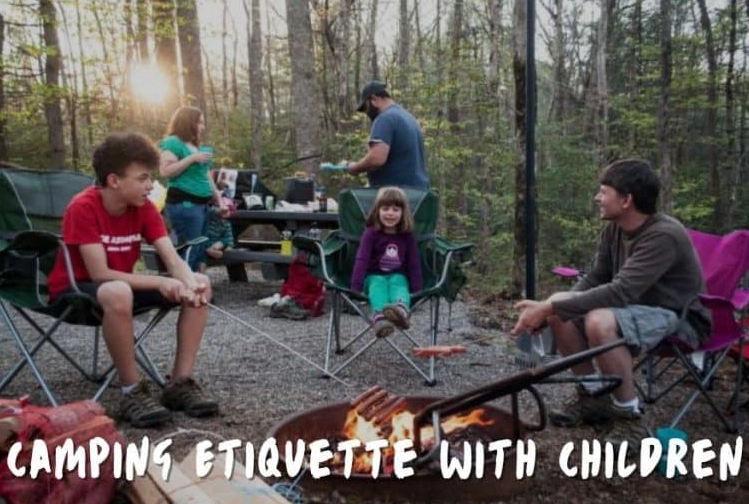
Imagine this. It's 8 AM. You're sipping coffee, listening to birds. Then the neighboring RV fires up its generator. For the next four hours, that buzz is the soundtrack to your morning. Legal? Maybe. Considerate? Not at all.
Here’s the nuanced approach most guides miss.
Generator Use: The Unspoken Schedule
If you must use a generator, treat it like loud music. Limit runs to essential times: a few hours in the late morning (10 AM-12 PM) and early evening (5 PM-7 PM) for cooking. Never at night or early morning. Place it as far from your site's perimeter as your cord allows, pointed away from neighbors. A simple, quiet inverter generator is a game-changer for goodwill.
Conversations and Music
Your voice carries further than you think, especially at night. Keep campfire chats at a reasonable level. As for music, use headphones. Seriously. Your playlist is yours alone. If you think background music is fine, keep it so low you can barely hear it from the edge of your own site.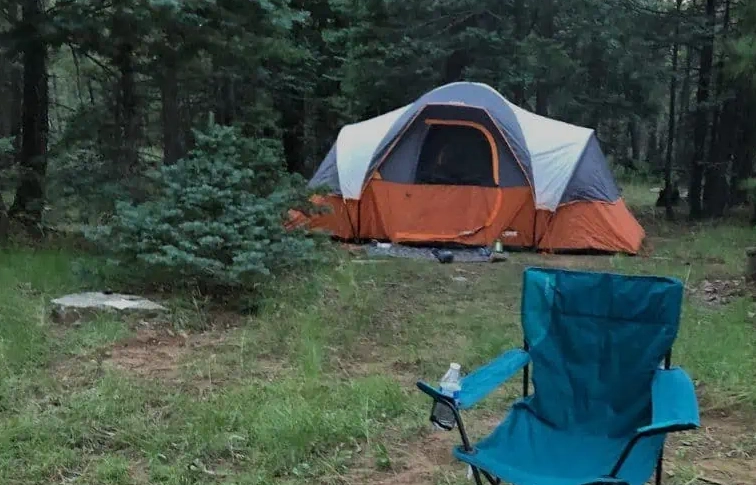
Pro Tip: The best practice is to simply embrace the natural soundscape. The crackle of your fire, the wind in the trees, the distant water—that's the soundtrack you came for.
Campfire Protocol: More Than Just Putting It Out
Everyone knows to drown a fire. But etiquette starts long before that.
The biggest mistake I see? People building fires way too big for their purpose. You don't need a bonfire to roast two marshmallows. A smaller fire is easier to control, uses less wood (leaving more for others), and creates less intrusive light for neighbors.
Always use the existing fire ring. Never create a new one. And for the love of the forest, never cut live branches or trees. Buy local firewood or gather dead and downed wood if permitted. Transporting untreated firewood from home can spread invasive insects like the emerald ash borer, causing ecological disaster—a major faux pas with lasting consequences.
When you're done, let the wood burn completely to ash. Pour water, not just a splash, but lots of water, stirring until the hissing stops and you can comfortably hold your hand over the ashes. If it's too hot to touch, it's not out.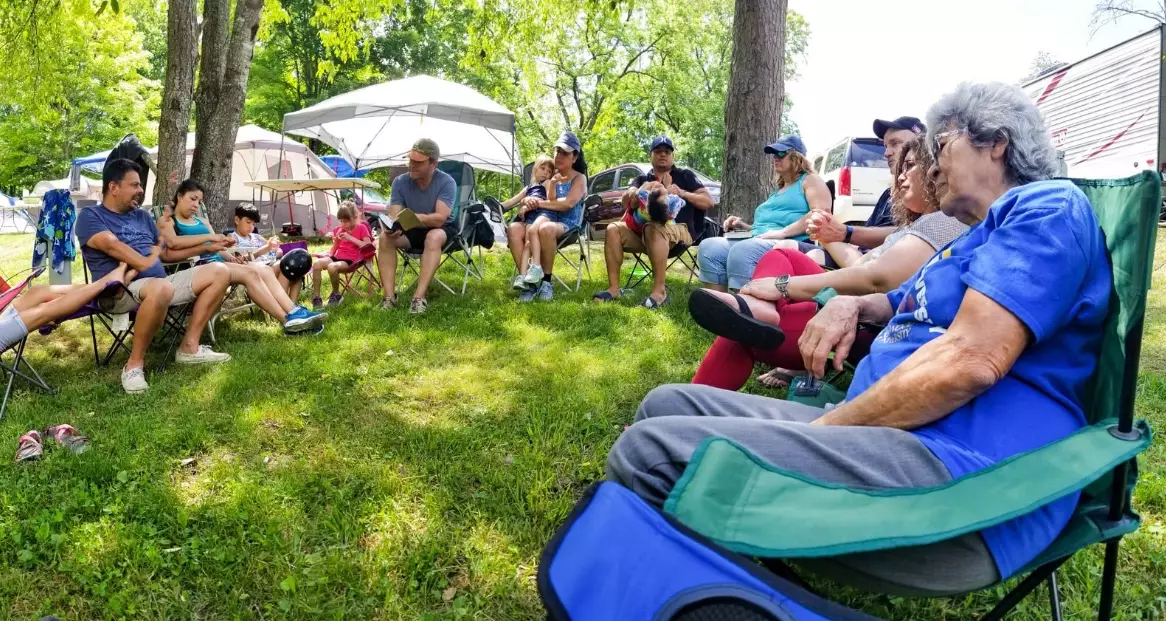
Boundaries and Shared Space
Campsites are like temporary front yards. Respect the invisible lines.
Don't cut through another person's site. Walk around on the road or main path. It's startling and invasive to have someone stroll past your tent window. Keep your gear, chairs, and clotheslines within your designated area. This includes your vehicle—park it squarely in your spot, not encroaching on the road or the next site.
Light pollution is a real issue. Point lanterns and string lights downward and inward. A bright lantern left facing a neighbor's tent is like leaving your brights on. Use red light mode on headlamps when moving around camp at night—it preserves night vision and is far less intrusive.
Pet Etiquette: Your Dog Isn't Everyone's Friend
I love camping with dogs. But not everyone does, and some people are genuinely afraid.
Keep your dog on a leash at all times. Always. Even if they're friendly. Even if they have perfect recall. This isn't a dog park. Wildlife, other leashed dogs that may be reactive, and the simple fact that a running dog can trample through someone's picnic dinner—it's all on you to prevent.
You must also clean up after your dog immediately. Bag it and dispose of it in a trash bin. Leaving poop bags "to pick up later" is a classic fail—you might forget, and until then, it's just litter. In the backcountry, follow specific guidelines for waste disposal, which usually means digging a cathole far from trails and water.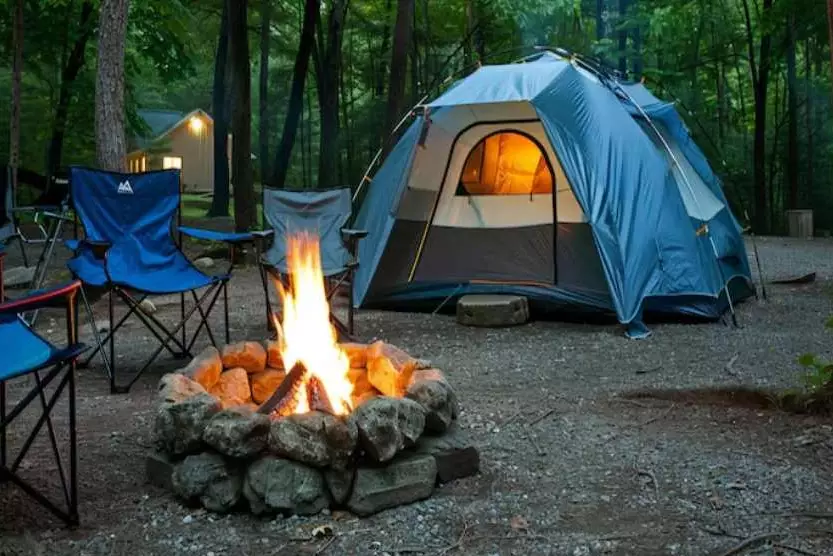
Constant barking is a surefire way to ruin the peace. If your dog is prone to barking at every squirrel or sound, you need to actively manage it with training, distraction, or reconsider bringing them to a busy campground.
Bathroom and Hygiene: The Less Glorious Essentials
This is where things get real. For established campgrounds with facilities, keep them clean. Nobody wants to walk into a disaster. If there's no running water, use hand sanitizer religiously after using the vault toilet.
For washing dishes, use biodegradable soap sparingly. But here's the critical part: carry water at least 200 feet away from any water source—lake, stream, or river—before washing. Scatter the greywater widely. Never, ever wash directly in a natural water body. Your soap, even the biodegradable kind, introduces nutrients and chemicals that harm aquatic ecosystems.
Leaving Your Campsite: The Final Test
How you leave is your lasting legacy. The goal is to leave no trace that you were ever there, making it perfect for the next group.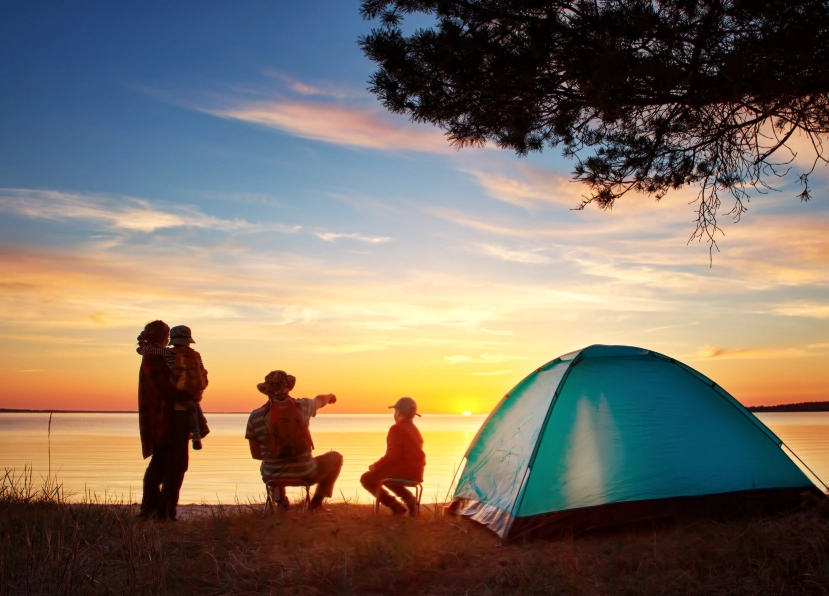
| What To Do | Why It Matters | Common Oversight |
|---|---|---|
| Pack out ALL trash, including micro-trash (bottle caps, twist ties). | Wildlife can ingest small items; it's simply litter. | Leaving charcoal bits in the fire ring. |
| Dismantle any furniture you built (log benches, etc.). | Preserves a natural look and prevents resource damage. | Leaving "improvements" for the next person. |
| Scatter any leftover, unused piles of twigs/kindling. | Leaving gathered wood is altering the site's natural state. | Stacking leftover wood neatly by the fire ring. |
| Do a final sweep of your entire site. | Finds hidden trash under leaves or in grass. | Only checking the obvious areas. |
Take a last look. If you can honestly say the site looks untouched, you've passed.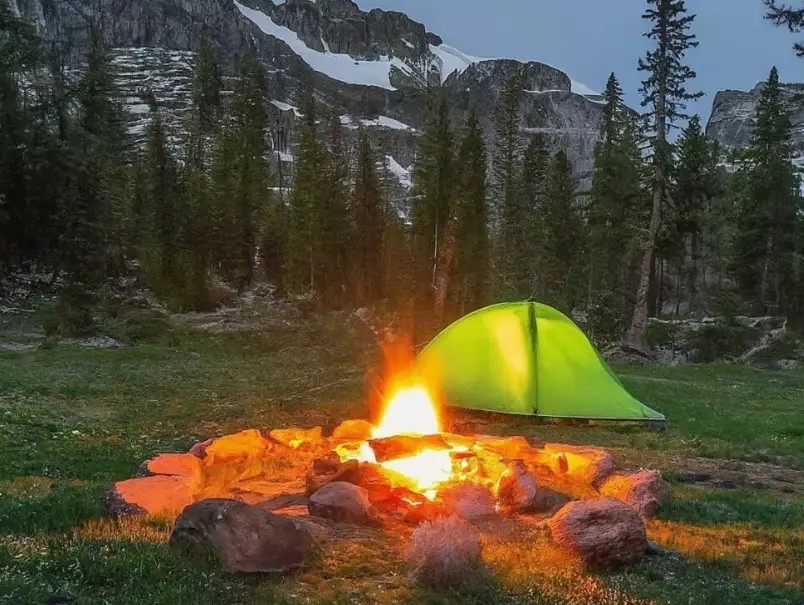
Your Camping Etiquette Questions Answered
Camping etiquette boils down to awareness and consideration. It's recognizing that you're part of a temporary community sharing a fragile space. It's not a list of chores; it's the mindset that ensures the pine-scented air, the starry skies, and the quiet moments remain intact—for you, for the wildlife, and for the person in the tent next door who also just wanted to get away from it all.