Quick Trail Guide
- What Exactly Is Backpacking Camping?
- The Backpacking Camping Game Plan: From Dream to Trailhead
- The Gear Grind: Building Your Backpacking Kit
- Food and Water: Backcountry Fuel Station
- Skills for the Trail and Camp
- Safety: The Unfun but Essential Talk
- Common Backpacking Camping Questions (The Stuff You're Actually Wondering)
- Making the Leap: Your First Trip Checklist
Let's be honest. Scrolling through those perfect Instagram shots of tents perched on mountain ledges with epic sunrise views... it looks amazing. It also looks kinda intimidating. Where do you even start? The gear lists look endless, the planning seems complex, and the thought of carrying your life on your back for days can be daunting.
I get it. My first backpacking camping trip was a comedy of errors. I packed like I was moving house, my boots were straight out of the box, and I spent the first night shivering in a sleeping bag rated for a summer picnic. It was humbling. But you know what? It was also the start of an obsession. There's something profoundly simple and rewarding about walking into the wilderness with just what you need on your back.
This guide isn't about selling you a fantasy. It's about giving you the straight talk, the practical knowledge, and the confidence to plan and execute your own backpacking camping adventure safely and enjoyably. We'll cut through the noise and focus on what truly matters.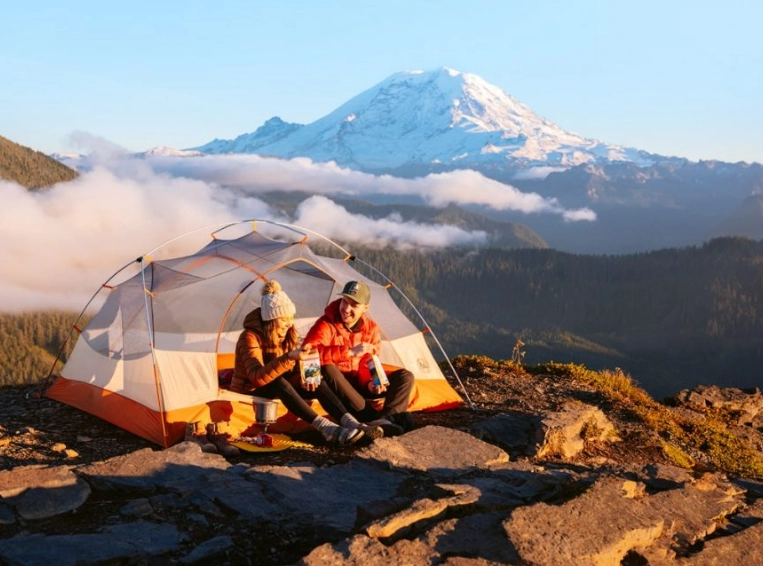
What Exactly Is Backpacking Camping?
First, let's clear up the terminology. When people say "backpacking camping," they're usually describing the specific act of hiking into a backcountry area with all your overnight gear—shelter, sleep system, food, water, clothing—carried in a backpack, setting up camp in a non-developed site, and then hiking out. It's distinct from car camping, where you drive right up to your site. The "backpacking" part refers to the mode of transport (your back), and the "camping" part is the goal (staying overnight). It's self-sufficient wilderness travel.
The core appeal? Access. It gets you away from crowded campgrounds, past the day-hiker turn-around points, and into quieter, more pristine landscapes. Your home for the night is wherever you decide to pitch your tent (following regulations, of course).
The Backpacking Camping Game Plan: From Dream to Trailhead
Jumping straight in without a plan is a recipe for a bad time. Good backpacking trips are built on good planning. This isn't just about picking a spot on a map.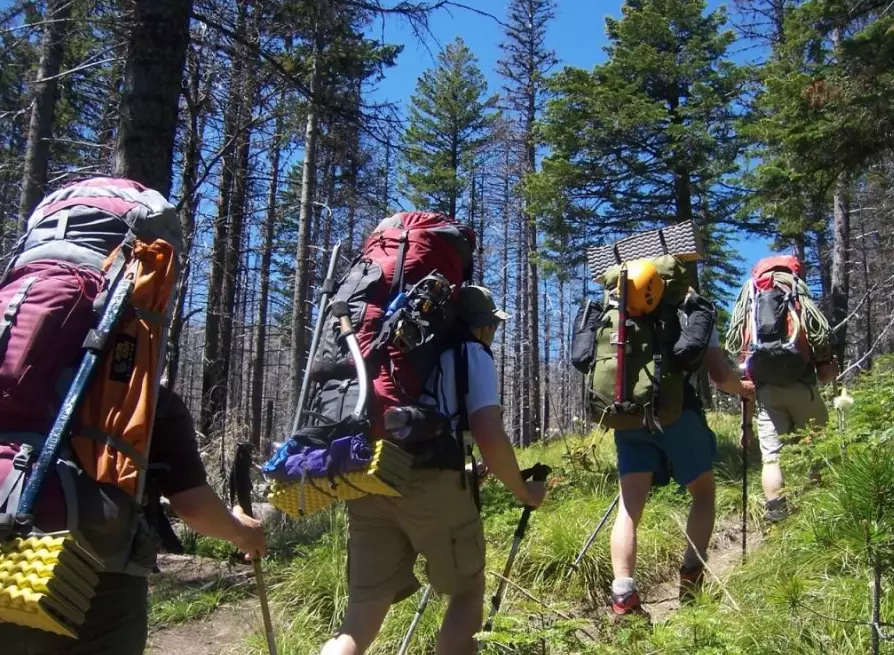
Choosing Your First Destination
Be kind to yourself. Don't attempt a 50-mile trek through the Rockies for your maiden voyage. Look for an overnight or two-night loop or out-and-back trail with moderate mileage. A good target is 5-8 miles per day with manageable elevation gain. National Forests often have fantastic, less-crowded options compared to flagship National Parks. Use resources like the U.S. Forest Service website or the National Park Service's Find a Park tool to research areas.
Key questions to answer: Do you need a permit? (Many popular backcountry areas do). Where are reliable water sources? What are the current trail conditions and weather forecasts? What's the bear activity? (This dictates if you need a bear canister, which is non-negotiable in many regions).
The Permit Puzzle
This trips up so many newbies. Permits for popular backpacking camping zones can sell out months in advance. For example, getting a walk-up permit for the Enchantments in Washington or a Cottonwood Lakes zone in the Sierra is a long shot. Research the specific rules for your chosen area on the managing agency's official website. Bookmark it. Set a calendar reminder for when the permit window opens.
Trust me, nothing deflates the pre-trip excitement faster than driving for hours only to find the ranger station out of permits.
Weather and Seasonality
Checking the weather isn't just a glance at the sun/cloud icon. You need to understand the microclimate. Mountain weather is notoriously fickle. A sunny forecast in the nearest town can mean thunderstorms at elevation. Learn to read mountain weather forecasts that discuss wind speed, freezing levels, and precipitation probability. Packing for a backpacking camping trip in the shoulder seasons (spring/fall) requires extra caution, as temperatures can plummet at night.
The Gear Grind: Building Your Backpacking Kit
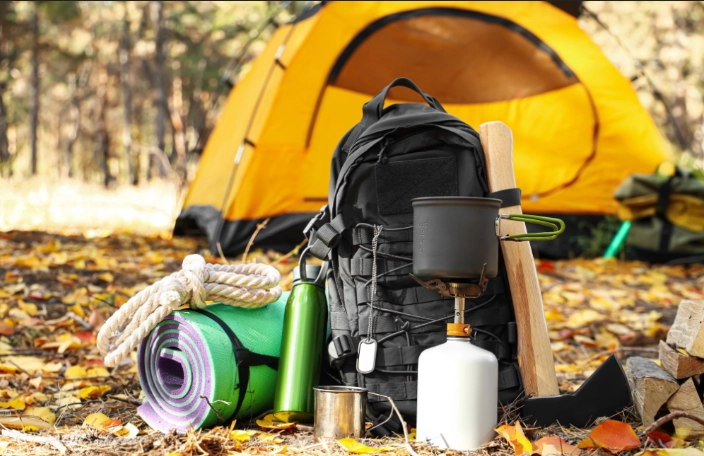
This is where most people's eyes glaze over or their credit cards catch fire. You don't need the most expensive stuff. You need the right stuff. The goal is a balance between weight, durability, and function. Every ounce counts when you're carrying it up a mountain.
Let's break down the Big Three (or Four) – your shelter, sleep system, backpack, and often, your sleeping pad. These have the biggest impact on your pack weight and comfort.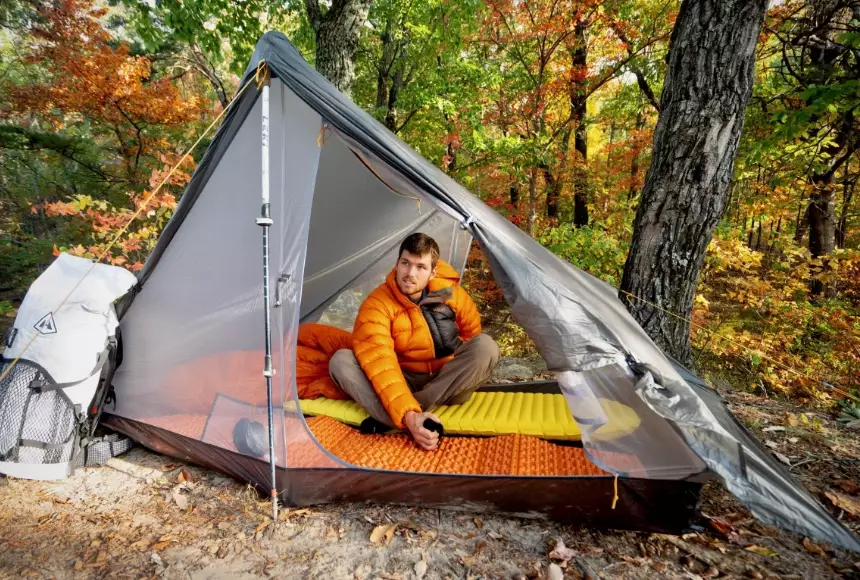
Rent one first from an outdoor shop like REI to test size and style. Look for previous-year models on sale. A solid 3-season tent is a workhorse. Synthetic bags are cheaper, drier-when-wet, and fine for starter trips in fair weather. Closed-cell foam pads (like a Z-Lite) are bombproof, cheap, and light, just less comfy.
| Item | Key Considerations | Budget-Friendly Tip | My Personal Take |
|---|---|---|---|
| Backpack | Fit is EVERYTHING. Get professionally fitted. Capacity: 50-65L for multi-day trips. Look for a good hip belt and frame. | Rent one first from an outdoor shop like REI to test size and style. | I wasted money on a cheap, ill-fitting pack first. The chafing was unreal. A good pack feels like an extension of your body. |
| Tent | Weight, weather protection, and livable space. 2-3 person tents are cozy for 2. Freestanding is easier for beginners. | Look for previous-year models on sale. A solid 3-season tent is a workhorse. | I'm a fan of double-wall tents for condensation management. That single-wall, ultra-light tent? It felt like sleeping in a damp plastic bag once. |
| Sleeping Bag | Temperature rating is survival, not comfort. Get a bag rated 10°F COLDER than the lowest expected temp. Down is lighter/warmer but useless wet. | Synthetic bags are cheaper, drier-when-wet, and fine for starter trips in fair weather. | My first bag was a cheap synthetic "20°F" bag. I froze at 40°F. Ratings can be... optimistic. Err on the side of warmth. |
| Sleeping Pad | Two functions: cushioning and insulation (R-value). Higher R-value (≥3) for colder ground. Inflatable pads pack small but can pop. | Closed-cell foam pads (like a Z-Lite) are bombproof, cheap, and light, just less comfy. | I started with foam. I now use an inflatable. The comfort upgrade is worth the slight risk and extra fuss for me. |
Beyond the Big Three, here's a quick-hit list of other essentials that are easy to forget but critical:
- Navigation: A physical map and compass, and the skill to use them. Your phone/GPS can fail. The Forest Service has great basic guides on map & compass use.
- Water Treatment: Never drink untreated water, even from a crystal-clear alpine stream. Giardia is a trip-ender. A simple squeeze filter (like Sawyer or Katadyn) is reliable and easy.
- Stove & Cookware: A compact canister stove and a single pot (around 1L) is all most people need. Don't bring a full kitchen set.
- First-Aid Kit: Don't buy a pre-made brick. Build your own with blister care (moleskin/leukotape is magic), medications, and trauma basics. Knowledge is key—consider a wilderness first aid course.
- Headlamp: With extra batteries. Not a flashlight. You need your hands free.
- Appropriate Clothing: This means NO COTTON. It's called "death cloth" for a reason—it holds moisture and steals body heat. Stick to synthetic or merino wool layers. The classic system: moisture-wicking base layer, insulating mid-layer (fleece/puffy), waterproof/windproof shell.
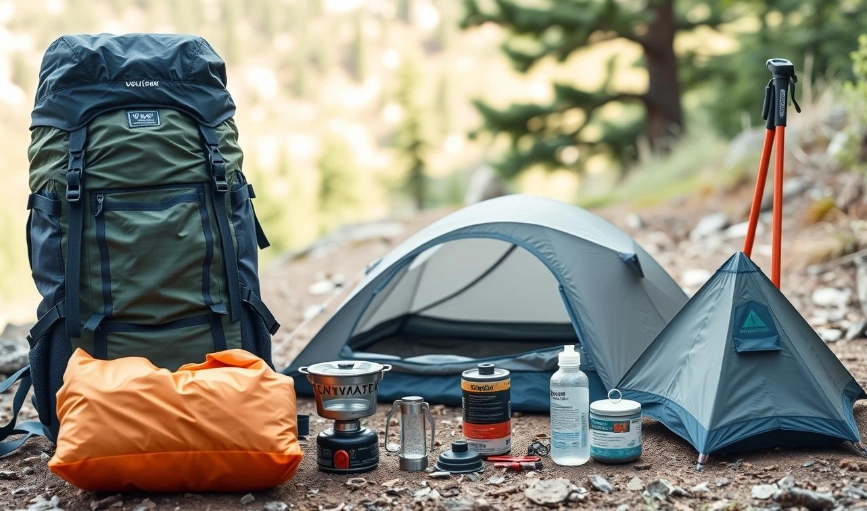
"The more you know, the less you carry." This old backpacking adage is true. Skills like finding water, reading terrain, and managing weather replace heavy "just-in-case" gear.
Food and Water: Backcountry Fuel Station
You'll burn a ton of calories. Food is morale. But it's also weight.
Water: Plan your route around water sources. Carry capacity for 2-3 liters (about half a gallon) between sources. Treat all water. I've been sick from a "pristine" spring. It's not worth the gamble.
Food: Think calorie-dense, low-packaging, and easy to prepare. Dehydrated meals are convenient but pricey. You can make your own by dehydrating chili, stews, etc. Oatmeal for breakfast, tortillas with peanut butter and jerky for lunch, a hot dinner. Snacks are crucial—trail mix, bars, chocolate. Pack a little extra. Hungry hiking is miserable hiking.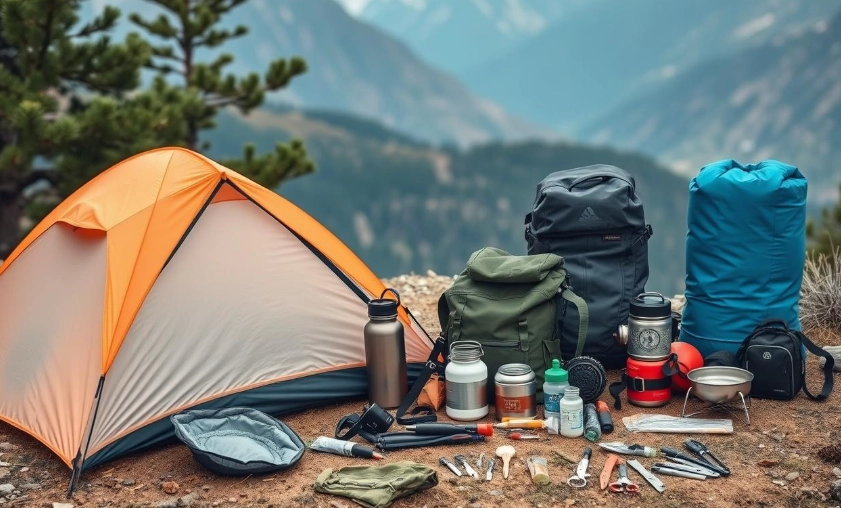
Skills for the Trail and Camp
Gear is useless without know-how. Here are the non-negotiable skills for successful backpacking camping.
Packing Your Pack
Heavy items (food, bear canister, stove) should be centered close to your back and higher up. Light, bulky items (sleeping bag, clothes) go at the bottom. Rain gear and layers you need quick access to go in the top lid or outer pockets. The goal is a pack that feels balanced, not like it's pulling you backwards.
Setting Up a Bombproof Camp
Arrive with enough daylight. Choose a durable surface—established sites, rock, sand, or dry grass. Avoid meadows and fragile vegetation. Your site should be at least 200 feet (70 big steps) from lakes and streams to protect water quality. Look above for "widowmakers"—dead branches or trees that could fall. Pitch your tent smoothly. If rain is possible, dig a small trench around it? No. That's outdated and causes erosion. Just make sure your groundsheet doesn't extend beyond the tent footprint.
Leave No Trace (LNT)
This isn't just a nice idea; it's the ethical code for the backcountry. The seven principles from the Leave No Trace Center for Outdoor Ethics are gospel. Plan ahead, travel on durable surfaces, dispose of waste properly (pack out ALL trash, including toilet paper in a baggie), leave what you find, minimize campfire impacts (often, just don't have one), respect wildlife, and be considerate of other visitors. Following LNT ensures these places stay wild for everyone.
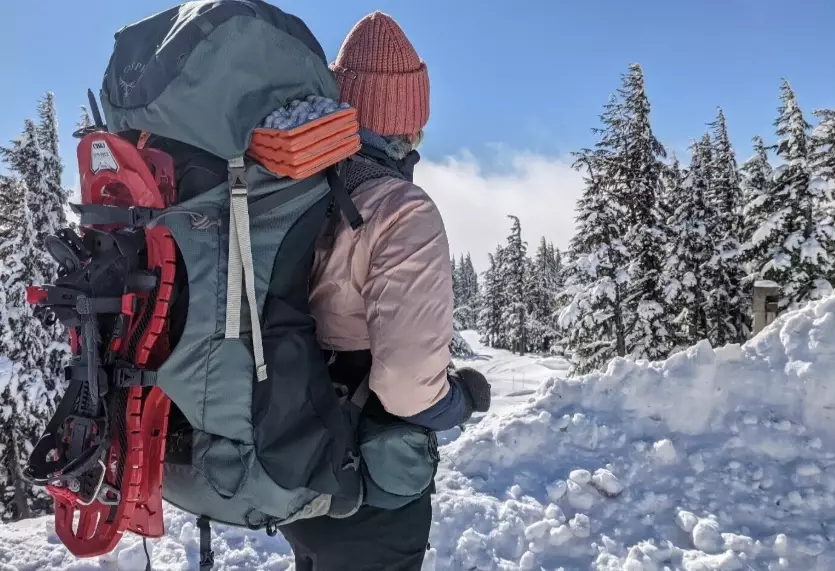 Seeing trash on a remote trail is the quickest way to ruin my vibe. Don't be that person.
Safety: The Unfun but Essential Talk
Things can go wrong. Preparation is your first line of defense.
- Tell Someone: Leave a detailed trip plan (route, trailhead, return time) with a reliable person. Tell them when to call for help if you don't check in.
- Know Basic First Aid: Especially how to treat blisters, sprains, and recognize signs of hypothermia and heat exhaustion.
- Weather Awareness: Be prepared to turn back or hunker down. Summiting that pass is not worth getting caught in a lightning storm.
- Wildlife: Make noise in bear country, store food perfectly, know how to use bear spray (and have it accessible). For smaller critters, hang or protect your pack even at lunch stops—mice and marmots will chew through for a snack.
Common Backpacking Camping Questions (The Stuff You're Actually Wondering)
Let's tackle some of those nagging questions that pop up when you're planning.
Making the Leap: Your First Trip Checklist
Let's synthesize this into a concrete pre-launch list.
- Pick a Manageable Trail: 1-2 nights, 5-8 miles/day, known water sources.
- Secure Permits: If required. Do this well in advance.
- Gather & Test Gear: Don't wait until the trailhead. Set up your tent in the yard. Sleep in your bag on the floor. Cook a meal on your stove.
- Plan Food & Water: Calculate meals + snacks. Know where to treat water.
- Pack Strategically: Use your pack's features. Keep things you'll need often accessible.
- File a Trip Plan: With a person, not just on your fridge.
- Check Forecast & Conditions: One last time before you go.
- Mental Prep: Embrace the challenge. Things will go slightly wrong. That's okay. It's an adventure, not a vacation.
Backpacking camping strips life down to its essentials: walk, eat, sleep, marvel at your surroundings. It's physically demanding and logistically detailed, but the payoff is immense. The view from that mountain pass tastes better when you've earned every step. The silence of a backcountry lake at dawn is deeper. You'll carry not just your gear, but a newfound confidence and a pile of good stories.
Start small, plan well, and get out there. The trail is waiting.